Some links on this page are affiliate links: if you buy through them we may earn a commission, at no extra cost to you.
No EV is immune to winter range loss. In Recurrent’s 2025–2026 analysis of more than 30,000 U.S. vehicles, the 34 EV models studied retained an average of about 78% of their ideal-temperature range at 32°F and 70% at 20°F. The best-equipped EVs reduce that penalty with heat pumps, battery preconditioning, efficient powertrains, useful traction, and charging systems that remain practical when temperatures fall.
These are the 10 EVs that make the strongest cold-climate cases in the U.S. market. The right choice depends on whether you commute on plowed roads, climb snowy mountain routes, tow, carry a family, or take long winter road trips.
As an Amazon Associate I earn from qualifying purchases.
Quick wins for a faster PC:
Clear out junk files and repair common Windows errorsFree Scan →Scan for outdated or missing drivers - takes under a minuteDriver Scan →Repair Windows errors before they cause bigger problemsFix Now →Quick comparison
| EV | Best for | Winter strengths | Main compromise |
|---|---|---|---|
| Tesla Model Y | All-around winter crossover | Efficiency, heat-pump thermal system, AWD availability, charging access | Moderate clearance; specifications and network policies change |
| Rivian R1S | Snow, terrain, and outdoor use | AWD, clearance, cargo space, large battery options | Size, cost, energy consumption, towing penalty |
| Hyundai Ioniq 5 | Fast-charging winter road trips | 800-volt charging, AWD, preconditioning, native NACS on 2026 models | Configuration-sensitive range and equipment |
| Kia EV9 | Three-row family use | Available AWD, cold-climate heat pump, large cabin and battery | Weight and size reduce efficiency |
| Tesla Model 3 | Efficient winter commuting | Excellent efficiency, AWD availability, heat-pump-equipped versions | Low clearance and limited deep-snow utility |
| Ford F-150 Lightning | Winter work and utility | Pickup capability, AWD on many versions, onboard power features | Towing and cold weather sharply reduce range |
| Subaru Solterra | Standard-AWD snow driving | Standard Symmetrical AWD, preconditioning, improved 2026 charging | Earlier versions charged more slowly and had less range |
| Kia EV6 | Sporty fast-charging crossover | 800-volt system, AWD versions, heat-pump availability | Lower roofline and trim-dependent equipment |
| Hyundai Ioniq 6 | Maximum efficiency on paved roads | Aerodynamic body, AWD option, rapid charging | Low clearance and sedan practicality |
| Ford Mustang Mach-E | Mainstream AWD crossover alternative | Practical body, AWD option, broad U.S. availability | Range, charging, and heat-pump equipment vary by configuration |
EPA range figures are not winter-range guarantees. Model year, battery size, drivetrain, wheel design, tires, speed, wind, snow, and cabin-temperature settings can materially change the result.
What makes an EV good in a cold climate?
Winter suitability involves more than the largest EPA range number. The most important features are:
Popular on Amazon

- Covered by Nexen's best-in-class Total Coverage Warranty, which includes 36 months of Roadside Assistance
- Optional TSMI #12 studs for superior grip and control in snow and ice
- Directional tread pattern with deep grooves for quick evacuation of water and slush from the tread
- Dense siping for extra road bite for enhanced grip and control in extreme weather conditions
- Three-Peak Mountain Snowflake (3PMSF) certified for great ice and snow performance
- Heat-pump cabin heating: A heat pump generally uses less energy than resistive heating. Recurrent estimates that it can improve range retention by roughly 10% at 32°F, although the benefit decreases near 0°F. Some EVs can still perform well without one.
- Battery thermal management: The battery needs heating before it can deliver full power or accept high DC-fast-charging rates.
- Battery preconditioning: When supported, the vehicle warms the battery before driving or charging. Entering a fast charger as the destination in the vehicle’s navigation system often triggers this automatically, but labels and behavior vary by model year and software.
- AWD and traction control: Two driven axles help acceleration and control on slippery inclines. AWD does not automatically improve range and does not shorten braking distances.
- Ground clearance: Clearance matters when snow is deep, unplowed roads develop ruts, or packed snow builds beneath the vehicle.
- Winter comfort controls: Heated seats and a heated steering wheel use less energy than heating the entire cabin, while remote climate control can warm the car before departure.
- Charging access: A good winter EV needs dependable chargers along the routes you actually drive, including mountain towns, ski areas, hotels, and rural corridors.
- Winter-tire compatibility: Proper winter tires can matter more for braking and cornering than AWD alone.
Heat-pump equipment is not universal across a model. It may vary by model year, trim, drivetrain, or market, so verify the exact window sticker or build sheet. Recurrent’s model-by-model guide documents those exceptions.
Check heat-pump availability by EV model and configuration.
What’s actually slowing this PC down?
Pick the symptom - the matching free tool is one click away.
The 10 best-equipped EVs for cold climates
1. Tesla Model Y: best all-around winter crossover
The Model Y combines an efficient crossover shape with AWD availability, a heat-pump thermal system, useful cargo space, and access to Tesla’s extensive fast-charging network. Recurrent has ranked the Model Y among the stronger cold-weather performers; an earlier mountain-vehicle analysis reported approximately 86% range retention at freezing.
It is a strong fit for suburban winter driving, ski trips, and buyers who want crossover utility without moving to a large SUV. The main limitation is clearance: it is not an off-road vehicle, and its highway range can still fall substantially in cold weather. Wheel and tire selection also matters.
Choose it if: You want the best balance of efficiency, AWD, cargo space, thermal management, and charging convenience.
Skip it if: You regularly drive deep unplowed snow, need three rows, or require serious towing capability.
Do these 3 things before closing this tab:
1Scan for outdated or missing drivers - takes under a minute2Clear out junk files and repair common Windows errors3Fix the driver behind crashes, sound loss and screen glitchesSee current Tesla Model Y configurations and Tesla’s explanation of cold-weather range.
2. Rivian R1S: best for snow, terrain, and outdoor use
The R1S is the strongest choice here for drivers who routinely combine winter weather with rough roads, outdoor recreation, or substantial cargo needs. Its AWD architecture, SUV body, generous clearance, terrain capability, large battery options, and roomy interior suit mountain communities and winter adventures.
Recurrent’s winter study placed the R1S near the top of its cold-weather range-retention list, at approximately 83% in the cited analysis. That does not make every R1S configuration identical, however. Battery, model year, software, tires, and thermal equipment can differ.
The trade-offs are significant: the R1S is large, heavy, expensive, and energy-intensive. Towing in cold weather can reduce range dramatically, and remote charging requires more planning than travel along major corridors.
Free tools Windows power users keep installed
One-click scans. No signup required.
Choose it if: Clearance, traction, cargo room, and rough-road capability matter more than efficiency or price.
Skip it if: Your winter driving is mostly urban commuting and you want low operating energy use.
Read Recurrent’s winter EV range study.
3. Hyundai Ioniq 5: best fast-charging winter crossover
The Ioniq 5 is one of the most compelling winter road-trip EVs because its 800-volt electrical architecture can support very short charging stops when the battery is warm and the charger is capable. AWD is available, and relevant versions include heat-pump and battery-conditioning equipment.
Also popular on Amazon

- Winter tire
- Black sidewall
- Specialized tread pattern provides excellent grip and control in winter conditions, ensuring stable handling on icy, snowy, and wet roads.
- Features a low rolling resistance that enhances efficiency and extends the driving range of electric passenger cars.
- Engineered to minimize road noise, contributing to a quieter and more comfortable driving experience.
For 2026, Hyundai lists a native NACS port. Hyundai advertises approximately 10–80% charging in 30 minutes on compatible NACS V3 or V4 DC fast chargers. EPA range varies by configuration: the 2026 lineup spans 245 to 318 miles, with SE and SEL AWD listed at 290 miles and certain long-range RWD versions reaching 318 miles.
Recommended Free Tools
Those charging claims are not what a cold-soaked battery will necessarily deliver immediately. Preconditioning is essential before an important fast-charge stop. AWD improves snow traction but lowers efficiency compared with RWD.
Choose it if: You want a roomy crossover and fast winter charging on established road-trip routes.
Skip it if: You frequently face deep unplowed snow or need pickup-truck towing capability.
See Hyundai’s current Ioniq 5 specifications.
4. Kia EV9: best three-row EV for cold climates
The EV9 is the most practical option on this list for families who need three rows, winter gear space, and a large, comfortable cabin. Available AWD versions pair family-hauling utility with a manufacturer-listed “Cold Climate Range Preserving Heat Pump.”
U.S. 2025 and 2026 long-range AWD versions fall roughly in the 270–280-mile EPA range band, depending on configuration. That is useful for a large three-row SUV, but it should not be compared directly with the range of a lightweight sedan. The EV9’s size and weight consume more energy, especially at highway speeds in cold weather.
Choose it if: You need three rows, rear-cabin comfort, cargo capacity, and a family-road-trip format.
Skip it if: Maximum efficiency, compact dimensions, or winter towing range is your priority.
See Kia’s EV9 specifications and features.
5. Tesla Model 3: best efficient sedan for winter commuters
The Model 3’s aerodynamic body and efficient powertrain make it a strong choice for drivers who spend most of their time on paved roads. AWD is available, and heat-pump-equipped versions can reduce the energy cost of cabin heating. Recurrent’s winter data includes the Model 3 among the better-performing efficient EVs.
Its weakness is physical rather than electrical. The low sedan body is less useful in deep snow, and it offers less cargo and rear-seat flexibility than a crossover. Winter wheels and tires can also affect both range and ride quality.
Choose it if: You commute, road-trip on maintained highways, and value efficiency over clearance.
Skip it if: Your driveway or roads are frequently unplowed or deeply rutted.
Review Recurrent’s cold-weather model comparisons.
Crashes, No Sound, or Screen Glitches?
Random freezes, missing sound and display glitches usually trace back to one bad driver. Find and replace yours safely.Free scan · under a minuteWindows Errors? Fix Them Before They Spread
Repair common Windows errors and clear accumulated junk for a smoother, more stable PC - no reinstall needed.Free scan · no reinstallAlso popular on Amazon

- Built to Keep You Working Through the Winter
- Winter Performance and Grip You Can Rely On
- Long-Lasting Performance
- Great Value
6. Ford F-150 Lightning: best winter-work EV pickup
The F-150 Lightning brings full-size pickup utility to cold-weather driving. It offers a large cabin, cargo bed, useful hauling capability, and onboard power features that can be valuable during outages when the appropriate equipment and installation are in place. Many configurations offer AWD.
The critical qualification is towing. Trailer weight, cold temperatures, wind, snow, and highway speed compound one another, so the truck’s EPA range should never be treated as a winter towing range. A deeply depleted large battery can also require a long charging stop.
Choose it if: You need a pickup for work, hauling, or supported backup-power use.
Skip it if: You rarely use a truck and want the most efficient winter road-trip vehicle.
See the cold-weather data source used for this comparison.
7. Subaru Solterra: best standard-AWD snow crossover
The Solterra is a straightforward snow-belt choice because Symmetrical AWD is standard rather than an option. Subaru lists the 2026 model with up to 288 miles of range, battery preconditioning, improved cold-weather charging, and NACS compatibility.
The model-year distinction matters. Earlier Solterras had shorter range and slower charging than the 2026 update, so buyers should not assume that all used and new examples perform alike. Even with standard AWD, winter tires remain essential for braking and cornering.
Choose it if: You want standard AWD, moderate clearance, and a conventional winter-oriented crossover.
Skip it if: You prioritize class-leading efficiency or the fastest possible road-trip charging.
See Subaru’s 2026 Solterra features.
8. Kia EV6: best sporty winter crossover
The EV6 uses the same broad 800-volt charging approach that makes the Ioniq 5 attractive for road trips, but it packages the technology in a lower, sportier crossover. AWD versions provide additional traction, and heat-pump availability is configuration-dependent.
It is a good fit for drivers who want rapid charging and strong performance without a large SUV. The lower roofline limits cargo flexibility, and performance-oriented tire choices may be less suitable for snow. Confirm heat-pump equipment on the exact model year and drivetrain rather than assuming every EV6 includes it.
Choose it if: You want a fast, efficient crossover for maintained winter roads.
The Tool Desk
Outbyte PC Repair FREEClear out junk files and repair common Windows errorsFree Scan →Outbyte Driver Updater FREEScan for outdated or missing drivers - takes under a minuteDriver Scan →Skip it if: You need maximum clearance, three rows, or a large cargo area.
Also popular on Amazon
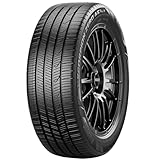
- Designed for use on electric CUVs, SUVs, and light trucks
- Backed by a 50,000 mile limited manufacturer tread life
- Built with Pirelli's Elect technology, which optimizes range and performance without increasing road noise
- Larger longitudinal grooves force water out of the tread to reduce the risk of hydroplaning on wet roads
- 3D siping within the tread bites intro the road for shorter stopping distances in dry, wet, and light winter weather conditions
Verify EV6 heat-pump availability by configuration.
9. Hyundai Ioniq 6: best efficiency-focused winter sedan
The Ioniq 6’s aerodynamic shape helps it use less energy than larger, less streamlined EVs. AWD is available, relevant versions offer heat-pump equipment, and the 800-volt system supports rapid DC charging when the battery is properly conditioned.
This is a cold-climate road vehicle, not a deep-snow vehicle. Its low clearance and sedan body are best suited to commuters and long-distance drivers who stay on paved, cleared roads. AWD lowers range compared with RWD, but can be worthwhile where snow-covered inclines are routine.
Quick wins for a faster PC:
Fix the driver behind crashes, sound loss and screen glitchesFind Drivers →Repair Windows errors before they cause bigger problemsFix Now →Scan for outdated or missing drivers - takes under a minuteDriver Scan →Choose it if: You want long-distance efficiency and can trade SUV clearance for lower energy consumption.
Skip it if: You regularly drive unplowed roads or need maximum cargo versatility.
Review the relevant real-world winter range research.
10. Ford Mustang Mach-E: best mainstream winter crossover alternative
The Mustang Mach-E offers a familiar crossover format, useful cargo space, AWD availability, and broad U.S. dealer presence. Recurrent’s current heat-pump list identifies 2025-and-newer Mach-E versions as having heat pumps, but the exact vehicle still needs to be checked for model year, trim, battery, wheels, and drivetrain.
Windows Errors? Fix Them Before They Spread
Repair common Windows errors and clear accumulated junk for a smoother, more stable PC - no reinstall needed.Free scan · no reinstallCrashes, No Sound, or Screen Glitches?
Random freezes, missing sound and display glitches usually trace back to one bad driver. Find and replace yours safely.Free scan · under a minuteIt is a sensible alternative for shoppers comparing it with the Model Y and Ioniq 5. It is not uniformly class-leading in range or charging, and winter results can vary considerably by configuration.
Choose it if: You want an everyday U.S.-market crossover with AWD and conventional dealer access.
Skip it if: You want the quickest charging, the highest clearance, or the simplest one-size-fits-all specification.
Check model-year-specific Mach-E heat-pump information.
Recommended Free Tools
How much range will an EV lose in winter?
Use these as planning ranges, not guarantees:
- Around 32°F: Recurrent found approximately 78% average range retention, or about 20% loss, across its 2025–2026 dataset.
- Around 20°F: Average retention fell to approximately 70%, or about 30% loss.
- Near 0°F: Losses can be substantially greater, particularly with highway speeds, headwinds, snow, and high cabin heat.
A short, slow trip after plugged-in preheating may use less energy than these averages suggest. A 75-mph drive into a headwind with slush on the road may use much more. Cold-soaked batteries can also charge slowly until they warm up.
Recurrent reported approximately 88% retention for the strongest model and approximately 69% for the weakest in the analyzed conditions. Those figures describe a specific study, temperature range, vehicle sample, and comparison with ideal conditions—not a promise for every vehicle or trip.
Also popular on Amazon
- Designed for use on electric CUVs, SUVs, and light trucks
- Backed by a 50,000 mile limited manufacturer tread life
- Built with Pirelli's Elect technology, which optimizes range and performance without increasing road noise
- Larger longitudinal grooves force water out of the tread to reduce the risk of hydroplaning on wet roads
- 3D siping within the tread bites intro the road for shorter stopping distances in dry, wet, and light winter weather conditions
Read the full Recurrent winter EV range methodology and results.
AWD, winter tires, and ground clearance are different advantages
AWD improves acceleration and traction. It helps an EV climb a snowy hill and reduces the likelihood that one axle will spin under power. It does not automatically improve range, because an additional motor can add weight and energy use.
Do these 3 things before closing this tab:
1Scan for outdated or missing drivers - takes under a minute2Clear out junk files and repair common Windows errors3Fix the driver behind crashes, sound loss and screen glitchesWinter tires improve braking and cornering. An AWD EV on all-season tires may be less capable during braking than a front- or rear-wheel-drive EV on proper winter tires. For frequent snow and ice, tires should be selected for the climate and vehicle’s approved fitment.
Clearance determines whether the vehicle can get through deep snow. A low sedan can become high-centered even when its motors have adequate traction. For mountain roads, unplowed driveways, and deep snow, AWD plus suitable clearance is the better combination.
Battery preconditioning and cold-weather charging
Battery preconditioning warms or cools the battery toward its preferred operating temperature before driving or DC fast charging. A warm battery can accept energy more quickly than a battery that has sat outside in freezing temperatures.
On many EVs, selecting a DC fast charger in the vehicle’s built-in navigation activates preparation automatically. The exact menu name and behavior vary, so do not assume that one set of instructions applies to every model. Preconditioning consumes energy; it is most useful while the vehicle is plugged in or before an important charging stop.
Native NACS compatibility can simplify access to certain charging networks, but it is not the same as universal access to every charger. Adapter requirements, network policies, charger availability, and regional access can change. Confirm the automaker’s current guidance before buying.
How to maximize winter range
Before leaving
- Charge indoors or while still plugged in whenever possible.
- Schedule cabin preheating before departure.
- Precondition the battery before a planned DC fast-charge stop.
- Clear snow and ice from the roof, lights, sensors, windshield, and charging port.
- Set tire pressure to the manufacturer’s cold-pressure recommendation.
- Start with enough charge to reach the next charger with a meaningful reserve.
While driving
- Use heated seats and the heated steering wheel instead of relying only on high cabin heat.
- Reduce highway speed when the remaining range is tight.
- Allow for snow, slush, wind, and cold rain, all of which increase consumption.
- Leave a larger buffer for mountain roads and remote chargers.
- Use winter tires when conditions justify them.
- Do not assume AWD will shorten braking distance.
While charging
- Plug in before the battery reaches a critically low state of charge.
- Allow extra time if the battery is cold-soaked.
- Use the vehicle’s navigation system to trigger battery preparation where supported.
- Keep packed snow and ice away from the charge port.
- Carry a backup route or charger plan in remote areas.
Cold-climate failure modes to plan for
Extreme cold
Near 0°F and below, heat-pump efficiency declines, regenerative braking and power may be temporarily limited, cabin heat uses a larger share of energy, and DC charging may begin slowly. A vehicle parked outside for many hours can behave differently from one stored in a heated garage. No model should be assumed to maintain normal range or charging speed in arctic conditions.
Snow depth
Deep snow can high-center low cars, damage underbody panels, and obstruct sensors. AWD cannot compensate for insufficient clearance or poor tires. Packed snow beneath the vehicle can also interfere with airflow and components.
Towing
Cold temperatures, trailer weight, high speed, wind, and snow compound range loss. Use the trip computer, plan shorter charging intervals, and avoid using the vehicle’s EPA range as a winter-towing estimate.
The Tool Desk
Outbyte PC Repair FREEClear out junk files and repair common Windows errorsFree Scan →Outbyte Driver Updater FREEScan for outdated or missing drivers - takes under a minuteDriver Scan →Charging-network problems
A charger marked available may be occupied, offline, or difficult to access because of snow. Mountain towns and ski areas may have fewer alternatives. Before purchasing, map the chargers along your real winter routes and identify a backup for each important stop.
Which EV should you buy?
- Best all-around winter crossover: Tesla Model Y.
- Best for deep snow, terrain, and outdoor use: Rivian R1S.
- Best fast-charging crossover: Hyundai Ioniq 5.
- Best three-row family EV: Kia EV9.
- Best standard-AWD snow option: 2026 Subaru Solterra.
- Best efficient winter commuters: Tesla Model 3 or Hyundai Ioniq 6.
- Best winter-work pickup: Ford F-150 Lightning.
The defensible way to compare these vehicles is to weigh real-world cold-weather range retention, thermal management, traction, charging behavior, practicality, and ownership fit—not EPA range alone. Recurrent’s data suggests that modern EVs can remain practical in winter, but the driver still needs the right tires, a charging buffer, and realistic expectations.
For a formal comparison, a useful editorial weighting is 30% cold-weather range retention, 15% thermal management, 15% snow traction, 15% winter charging, 10% practicality, 10% efficiency, and 5% ownership fit. That framework explains why the most efficient sedan is not automatically the best choice for a mountain family, and why the highest-clearance SUV is not automatically the best commuter.
The U.S. Department of Energy’s cold-temperature program record also identifies preconditioning, heat pumps, and heated seats as ways to reduce winter impacts.




