Some links on this page are affiliate links: if you buy through them we may earn a commission, at no extra cost to you.
A used Chevrolet Colorado ZR2 needs a different inspection from a regular Colorado because its suspension, locking differentials, skid protection, rocker guards, driveline and steering hardware are designed for off-road use. Before you buy, verify the VIN and campaign history, inspect the underside for impact and repair damage, test the four-wheel-drive systems safely, confirm severe-service maintenance, and pay for an independent inspection by a mechanic who understands 4WD trucks.
Do not rely on a clean dashboard, a short test drive or a generic code scan. Those checks cannot prove that the ZR2’s differentials, halfshafts, control arms, transfer case, frame-mounted protection or steering components are sound.
As an Amazon Associate I earn from qualifying purchases.
The Tool Desk
Outbyte PC Repair FREERepair Windows errors before they cause bigger problemsFix Now →Outbyte Driver Updater FREEFix the driver behind crashes, sound loss and screen glitchesFind Drivers →Why a Colorado ZR2 requires a specialized inspection
The ZR2 is an off-road-oriented version of the Colorado. General Motors’ Bulletin No. 17-NA-061, issued in March 2017, identifies equipment that distinguishes the ZR2 from other Colorado models. The bulletin states: “The following parts and systems are specific to the ZR2.”
That list includes the suspension, electronic locking differentials, rear axle and driveshaft, leaf springs, skid shields, control arms, front halfshafts, steering gear and knuckles, coil springs, stabilizer bar, wheels and tires, and rocker protection. The 2017 overview also describes approximately 2 inches of additional suspension lift and 3.5 inches of additional front and rear track width compared with a standard Colorado Z71.
Popular on Amazon
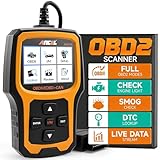
- Understand Your Check Engine Light – The ANCEL AD410 OBD2 scanner helps everyday drivers quickly read and clear engine-related fault codes, view code definitions, and understand why the check engine light is on before visiting a repair shop. With 42,000+ built-in DTC lookups, this car code reader helps reduce guesswork and makes basic vehicle diagnostics easier for beginners and DIY users
- Full OBD2 Diagnostics Made Simple – More than a basic engine code reader, this OBD2 scanner diagnostic tool supports key OBDII functions including reading/clearing codes, live data, freeze frame, I/M readiness, O2 sensor test, EVAP test, vehicle information, and MIL status. It helps you check your car’s condition, verify repairs after the issue is fixed, and communicate with mechanics more confidently
- Live Date & Real-time Vehicle Insights – View real-time engine data such as RPM, coolant temperature, fuel trim, oxygen sensor readings, and other available OBD2 parameters directly on the screen. These live data readings help you better understand how your vehicle is running, spot abnormal patterns, and make more informed repair decisions instead of relying only on a warning light
- Smog Check Readiness At A Glance – Use the I/M readiness function before a smog check or emissions inspection to see whether your vehicle’s monitors are ready. This OBD2 code scanner helps you confirm if recent repairs have brought the system back to a ready state, reducing the chance of failed inspections, retests, wasted trips, and unnecessary inspection fees
- Works With Most OBD2 Vehicles – Compatible with most 1996 and newer U.S.-based OBD2 cars, SUVs, and light trucks, as well as many 2000 and newer EU/Asian OBD2 vehicles. Supports major OBDII protocols including CAN, ISO9141, KWP2000, J1850 VPW, and J1850 PWM. This automotive diagnostic scanner is designed for wide vehicle coverage; please check compatibility with your vehicle before purchase
These features improve clearance and traction, but they also create more parts to inspect after trail use. A truck can look clean from the curb while hiding a bent shield, damaged rocker protection, leaking differential, distorted suspension arm or poorly repaired underbody. The hardware list is a reason to inspect carefully, not proof that a particular component commonly fails.
What should I do before meeting the seller?
Record and verify the truck’s identity
- Ask for the complete 17-character VIN before arranging a viewing.
- Compare the VIN on the seller’s paperwork with the VIN plate and the label visible through the windshield. Check the title and registration for matching information.
- Identify the model year, engine, transmission, cab configuration and factory equipment. Do not assume that two ZR2 listings have the same powertrain or service requirements.
- Run the VIN through the National Highway Traffic Safety Administration’s recall lookup. NHTSA explains that a VIN search tells you whether a specific vehicle needs recall repair, but newly announced recalls may not yet have every affected VIN identified. The lookup also does not display every non-safety campaign or recalls that have already been repaired.
- Ask a Chevrolet dealer to check the VIN in its manufacturer system for completed recalls, customer-satisfaction programs, warranty repairs and other campaign history.
A dealer record is especially useful when a seller says a repair was done but cannot produce an invoice. Ask for the repair order number, date, mileage and parts description rather than accepting a verbal assurance.
Request records that reveal how the truck was used
Request maintenance invoices, inspection reports, collision records and details of off-road use. Ask direct questions:
- Was the truck used mainly on pavement, or regularly in four-wheel drive?
- Has it been on rock, mud, sand or deep water?
- Were the skid shields, rocker protectors, bumpers or suspension parts replaced?
- Has the truck been lifted, leveled or fitted with wheel spacers, larger tires or aftermarket control arms?
- Has either differential, the transfer case, driveshaft, halfshafts or steering gear been repaired?
- Has it been in a collision, even if the damage was described as cosmetic?
Modifications are not automatically disqualifying. The important questions are whether the parts fit correctly, whether alignment and clearance were checked, and whether the work was documented. Unexplained changes to tire size, suspension height or driveline components increase the need for an independent inspection.
Match specifications to the individual year
GM’s 2017 bulletin describes both a 2.8L Duramax diesel and a 3.6L gasoline V6 for that model-year ZR2 overview. Later Colorados use different engines and equipment. Use the owner’s manual and the VIN-specific build information for the truck in front of you; do not apply a 2017 specification or maintenance interval to a later model without checking.
Also popular on Amazon
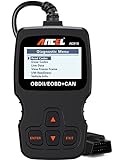
- CEL Doctor: The ANCEL AD310 is one of the best-selling OBD II scanners on the market and is recommended by Scotty Kilmer, a YouTuber and auto mechanic. It can easily determine the cause of the check engine light coming on. After repairing the vehicle's problems, it can quickly read and clear diagnostic trouble codes of emission system, read live data & hard memory data, view freeze frame, I/M monitor readiness and collect vehicle information
- Sturdy and Compact: Equipped with a 2.5 foot cable made of very thick, flexible insulation. It is important to have a sturdy scanner as it can easily fall to the ground when working in a car. The AD310 OBD2 scanner is a well-constructed mechanic tool with a sleek design. It weighs 12 ounces and measures 8.9 x 6.9 x 1.4 inches. Thanks to its compact design and light weight, transporting the device is not a problem. The buttons are clearly labelled and the screen is large and displays results clearly
- Accurate Fast and Easy to Use: The AD310 scanner can help you or your mechanic understand if your car is in good condition, provides exceptionally accurate and fast results, reads and clears engine trouble emission codes in seconds after you fixed the problem. This device will let you know immediately and fix the problem right away without any car knowledge. No need for batteries or a charger, get power directly from the OBDII Data Link Connector in your vehicle
- OBDII Protocols and Car Compatibility: Many cheap scan tools do not really support all OBD2 protocols. AD310 scanner as it can support all OBDII protocols such as KWP2000, J1850 VPW, ISO9141, J1850 PWM and CAN. This device also has extensive vehicle compatibility with 1996 US-based, 2000 EU-based and Asian cars, light trucks, SUVs, as well as newer OBD2 and CAN vehicles both domestic and foreign. Pls confirm with our customer service whether it is compatible with your vehicle before purchasing
- Home Necessity and Worthy to Own: This is an excellent code reader to travel or home with as it weighs less and it is compact in design. You can easily slide it in your backpack as you head to the garage, or put it on the dashboard, this will be a great fit for you. The AD310 is not only portable, but also accurate and fast in performance. Moreover, it covers various car brands and is suitable for people who just need a code reader to check their car
How do I check for open recalls and campaigns?
Use both the federal lookup and the manufacturer record because they answer different questions.
Recommended Free Tools
- Start with NHTSA: enter the exact VIN in the agency’s recall tool. Record the campaign number, affected component and remedy instructions for any open safety recall.
- Ask the dealer to verify completion: provide the VIN and request a printout showing open and completed recalls, customer-satisfaction programs and warranty repairs.
- Ask about recently announced campaigns: NHTSA notes that a new recall may appear before every affected VIN has been loaded into the public database.
- Check non-safety work separately: customer-satisfaction programs and some service campaigns may not appear in the NHTSA result.
- Confirm the repair, not just the campaign number: obtain the completion date, mileage and repair description. A recall listing alone does not establish that the work was performed.
If a safety recall is open, ask the dealer or manufacturer whether the remedy is available and whether the vehicle should be driven before repair. If a campaign is closed, still inspect the repaired area for workmanship and retain the documentation with your purchase records.
Is the 2023 Colorado 2.7-liter engine covered by an engine replacement program?
Some 2023 Chevrolet Colorado vehicles equipped with the 2.7L turbo engine were covered by GM customer-satisfaction program N232415060. GM’s February 2024 bulletin says: “Certain 2023 model year Chevrolet Colorado, Chevrolet Silverado 1500, and GMC Sierra 1500 vehicles may have a condition in which the engine block was produced with cracks.”
GM instructed dealers to verify involvement by VIN in its Investigate Vehicle History system and to replace the engine on vehicles included in the program. The bulletin described approximately 12 U.S. vehicles across the listed Colorado, Silverado 1500 and Sierra 1500 models. That is a program-specific count, not a Colorado ZR2 failure rate and not evidence that all 2023 Colorados or all 2023 ZR2s are affected.
The bulletin’s stated no-charge period ended March 31, 2026. Because that date has passed, ask GM or a Chevrolet dealer to confirm whether the truck was included, whether the repair was completed, and whether any current warranty or other coverage applies.
Also popular on Amazon

- Multi-Function: This code reader for cars and trucks is like a micro mechanic, which can quickly read and clear engine error codes, live data stream (with graphic display), view freeze frame, check MIL readiness status, read I/M monitoring readiness status and collect vehicle information, display vehicle indicators in detail. You can use it to check fault codes by yourself and display code definitions, understand the health of the vehicle, be fully prepared for going to the auto repair shop for car maintenance.Note: It cannot detect battery life, gearbox faults, output current test, can only detect battery voltage, and can clear fault codes of repaired vehicles.ABS code is not supported.
- Wide Vehicle Compatibility: Multiple Uses - The OBD2 professional automatic scanner supports all OBDII protocols such as KWP2000, J1850 VPW, ISO9141, J1850 PWM and CAN.Works with most 1996 and newer US cars, 2000 EU and Asian cars, light trucks, SUVs, and newer OBD2 and CAN vehicles both at home and abroad. Please check compatibility with your model before purchasing. This car code reader supports multiple languages such as English, German, French, Spanish, Finnish, Dutch, Russian and Portuguese, making it an ideal choice for international users, deeply loved and highly recommended by customers worldwide.
- Rugged and Compact Design: The OBD2 scanner is a compact and well-designed car parts. It weighs 12 ounces and measures 8.9 x 6.9 x 1.4 inches. It comes with a 2.5-foot heavy-duty cable with a standard 16-pin OBD connector. The cable is made of a very thick flexible insulation layer and is sturdy and durable. Since OBD2 scanners can easily fall to the ground while working in the car, the structural design of the scanner is very demanding, and this OBD2 scanner can well meet the customer's needs for sturdiness and compactness.
- Accurate, Fast and Worth Having: The OBD2 code reader adopts an upgraded microprocessor, its powerful performance provides fast and accurate results and displays them on the screen, draws and records real-time vehicle sensor data, helps you understand the condition of the car, quickly diagnose and repair common car problems. 6 buttons for quick operation, plug-and-play design makes it easy to use, you can easily operate it without reading the manual. The OBD2 scanner is not only designed to be lightweight and portable, but also simple, accurate and fast to operate, affordable and more cost-effective, it is a must-have tool for home DIY diagnosis or mechanics to use in auto repair.
- Battery Tester and Advanced OBDII System Diagnostics: This advanced code reader with battery has a built-in easy-to-use battery tester for monitoring battery life and voltage, helping you quickly assess the battery health of your vehicle, prevent unexpected failures and ensure reliable car performance. At the same time, this engine fault code reader provides advanced diagnostic functions, including testing the O2 sensor and EVAP system to measure oxygen concentration, control the amount of fuel injection, reduce fuel consumption, maintain optimal combustion conditions, improve engine efficiency; reduce exhaust emissions, and better protect the environment.
Questions to ask about a 2023 2.7L truck
- Does this VIN appear in N232415060?
- Was an engine replacement performed under the program?
- What were the repair order number, date and mileage?
- What engine assembly was installed, and is the replacement documented?
- If the vehicle was not involved, can the dealer provide a VIN-specific status record?
Do not treat the absence of a dashboard warning light as proof that the engine is unaffected. A dealer’s VIN-specific record and complete service paperwork are more useful than a seller’s general statement that the engine has “never had a problem.”
What should I inspect during the walk-around?
Body, frame and rocker protection
- Walk around the truck in daylight and compare panel gaps from side to side. Uneven gaps, overspray, mismatched paint or fresh fasteners can indicate collision or repair work.
- Inspect the rocker protectors for dents, crushed sections, torn mounting points and fresh paint. Their location makes them vulnerable to contact with rocks and ruts.
- Look beneath the bumpers and along the bed for scrapes, crushed brackets and repairs concealed by thick undercoating.
- Check the frame and mounting points for fresh welds, distorted metal, corrosion under repaired areas or mud packed into seams.
- Open the doors, hood and tailgate. They should latch without lifting, forcing or unusual noise.
Fresh undercoating is not proof of a problem, but it can hide impact marks or corrosion. Ask what product was applied, when it was applied and why.
Skid shields and the underbody
GM identifies front and transfer-case skid shields as ZR2 equipment. With the truck safely raised, inspect every shield for deep impact marks, bends, cracks, loose fasteners and fluid residue. A shield can remain attached while transmitting an impact to the component behind it.
- Look for oil, coolant, transmission fluid or gear-oil residue above and behind each shield.
- Check whether fasteners are original, correctly seated and free of rounded heads or missing clips.
- Look for shiny metal where a shield has been ground down by repeated contact.
- Ask the mechanic to remove shields if necessary; a quick glance from the side may not reveal damage behind them.
ZR2-specific mechanical hardware
| Area | What to examine | Concern that warrants diagnosis |
|---|---|---|
| Electronic locking differentials | Housing condition, fluid leaks, wiring, connectors and engagement during a controlled test directed by the owner’s manual | Persistent noise, leakage, failure to engage or warning messages |
| Rear axle and driveshaft | Tube and housing dents, universal joints, slip areas, balance weights and evidence of contact | Vibration, clunking, looseness or impact deformation |
| Control arms and suspension links | Bends, cracked bushings, damaged ball-joint boots and uneven wheel position | Play, pulling, abnormal tire wear or alignment that cannot be set correctly |
| Front halfshafts | CV boots, grease spray, shaft straightness and joint movement | Torn boots, clicking, grease loss or vibration under power |
| Steering gear and knuckles | Leaks, bent components, mounting points and steering-joint play | Excessive free play, wandering, binding or fluid leakage |
| Coil springs, leaf springs and stabilizer bar | Broken coils, cracked leaves, shifted packs, damaged bushings and bent bars | Sagging, clunks, unequal ride height or unstable handling |
| Wheels and tires | Matching size and type, sidewalls, tread pattern, wheel bends and inside-edge wear | Rubbing, cords showing, severe imbalance or mismatched rolling diameter |
| Rocker protection | Crush damage, loose mounts and deformation along the cab’s lower edge | Evidence that the protector transferred an impact to the body or frame |
This inspection list follows the components GM identifies as specific to the ZR2. It is a practical way to find impact damage; it is not a claim that any listed part has a universal defect.
Do these 3 things before closing this tab:
1Fix the driver behind crashes, sound loss and screen glitches2Repair Windows errors before they cause bigger problems3Scan for outdated or missing drivers - takes under a minuteHow do I evaluate the tires, wheels and modifications?
Measure tread and inspect all four tires, including the inner sidewalls. The tires should be the same size and, ideally, the same model and load rating unless a documented setup specifies otherwise. Compare the fitment with the truck’s original specification and any modification records.
Also popular on Amazon

- Multi-Functions - Practical Multi-Functions OBD2 code reader features built-in OBD2 DTC lookup library, which help you to determine the cause of the engine light, read code, erase code, view freeze frame, I/M ready, vehicle information, data flow, real-time curve, get vehicle speed information, calculate load value, engine coolant temperature, get engine speed.
- Wide Capability - Supports 9 protocols compatible with most 1996 US-Based, 2000 EU-Based and Asian cars, and newer OBD II & CAN domestic or import vehicles. Supports 6 languages - English,German, Dutch, Spanish, French, Italian.
- 2.8" LCD Display - Designed with a clear display 2.8" Large LCD screen - white backlight and contrast adjustment. No need any battery or charger, OBD reader gets the power directly from your vehicle through the OBDII Data Link Connector.
- Compact Design - Car diagnostic scanner is equipped with a 2.5 feet long cable and made of a very thick flexible insulator.There are 6 buttons on OBD2 Scanner:scroll up/down,enter/exit and buttons that quick query VIN vehicle number& the DTC fault code.
- ABS / Airbag codes NOT Supported - It is able to read and clear check engine information which is part of OBDII system, but it cannot work with non-OBDII systems, including ABS / Airbag / Oil Service Light, etc.
- Check for sidewall cuts, bulges, plugs near the sidewall and exposed cords.
- Look for cupping, feathering or one-sided wear that can indicate worn components, poor alignment or bent suspension.
- Inspect wheel lips for dents and cracks. A wheel that holds air can still be structurally compromised.
- Turn the steering through its range and look for tire contact with liners, control arms or rocker protection.
- Ask whether the spare matches the rolling diameter of the installed tires, especially on a 4WD truck.
Aftermarket lifts, larger tires and wheel spacers can alter steering and suspension loads. They also reduce the value of factory alignment and fitment assumptions. Require receipts, alignment records and a mechanic’s assessment of clearance, driveline angles and fastener installation.
Independent reader supportYour contribution helps us test, update, and keep practical guides available for everyone.What should happen during a cold start and road test?
Cold start
Arrange to see the truck before it has been warmed up. A cold start can reveal noises or smoke that disappear at operating temperature.
- Verify that the warning lamps illuminate briefly during the self-check and then go out as expected.
- Listen for persistent knocking, rattling, ticking, belt noise or exhaust leaks.
- Watch for smoke, visible leaks and unusual exhaust odor.
- Check idle quality and temperature-gauge behavior as the engine warms.
- Look beneath the truck after it has run for several minutes.
Road test
On a route that includes smooth pavement, low-speed turns, moderate braking and a safe rough surface, evaluate:
What’s actually slowing this PC down?
Pick the symptom - the matching free tool is one click away.
- Steering response, straight-line tracking and return to center
- Brake pedal feel, stopping behavior and vibration
- Transmission engagement and shift quality at light and moderate throttle
- Driveline vibration, clunks, humming or gear whine
- Suspension noise over controlled bumps
- Any warning light or message that appears after driving
Test 4WD and locking-differential functions only as the owner’s manual directs and only in a safe, appropriate setting. Do not force a system to engage on dry pavement or continue driving if a warning message, grinding sound or severe binding occurs. Have a qualified mechanic diagnose any concern.
Use an OBD-II scanner only as a preliminary check
A consumer scanner may reveal stored or pending diagnostic trouble codes, but it is not a mechanical inspection. It cannot determine whether a skid shield is bent, a control arm is distorted, a differential has internal wear or a previous repair was performed correctly. A seller may also clear codes shortly before a viewing. If you scan the truck, record the codes, readiness monitors and mileage data, and give the results to the inspecting mechanic.
Also popular on Amazon

- KNOW MORE BEFORE YOU SPEND ON REPAIRS — Check engine light on, rough idle, or poor fuel economy? The FOXWELL NT301 OBD2 scanner diagnostic tool helps you understand potential engine problems before visiting a repair shop or replacing parts. With trouble code definitions, live data, and easy-to-use controls, you can perform basic vehicle checks yourself and make more informed repair decisions
- CHECK YOUR REPAIR RESULTS WITH CONFIDENCE — Use this car code reader to read and clear eligible engine trouble codes after repairs, then recheck the vehicle to see if the fault returns. Built for everyday troubleshooting, this code reader for cars and trucks helps you follow up on repairs without relying on a shop for every basic code check. If the underlying problem remains, the check engine light may return
- BE BETTER PREPARED FOR VEHICLE INSPECTIONS — Check your vehicle's monitor status before heading to an inspection station with the one-click I/M Readiness hotkey. Red, yellow, and green LED indicators and audible alerts make readiness results easier to understand, helping you identify incomplete monitors before your scheduled vehicle inspection
- LOOK BEYOND THE FAULT CODE — A trouble code is a starting point, not always the full answer. This car scanner diagnostic tool displays real-time engine data and graphs, including supported parameters such as engine RPM, coolant temperature, and fuel trims. Additional OBD2 functions, including O2 sensor and EVAP-related tests, help you investigate potential issues on compatible vehicles
- CHECK COMPATIBILITY BEFORE YOU BUY — The NT301 vehicle code reader and diagnostic tool works with most OBD2-compliant 1996 and newer US-market cars, SUVs, and light trucks, including supported gasoline and light diesel vehicles. This auto scanner supports CAN, ISO9141, KWP2000, and J1850 protocols. Designed for OBD2 engine diagnostics, not dedicated ABS, SRS, TPMS, or full-system diagnostics. Available functions vary by vehicle
What maintenance should be documented on an off-road-used ZR2?
Ask for records that show fluid services, not just oil changes. The 2023 and 2024 Colorado owner-manual excerpts identify severe service as including vehicles mainly driven off-road in four-wheel drive. For equipped 4WD vehicles, those excerpts specify the following intervals:
| Service | Severe-service interval | How to apply it |
|---|---|---|
| Automatic transmission fluid and filter | Every 45,000 miles | Confirm the truck’s exact model year, transmission and completed mileage-based services |
| Transfer-case fluid | Every 50,000 miles | Apply to equipped 4WD vehicles and verify the correct fluid and procedure in the applicable manual |
These intervals are not a substitute for the exact owner’s manual. Service requirements vary by year and configuration, and severe use can justify closer inspection of fluid condition, seals, breathers and driveline components.
Review invoices for differential-fluid service, transfer-case work, transmission service, brake service, alignment and suspension repairs. A receipt that lists only “4WD service” is less useful than one identifying the component, fluid, mileage and technician.
Why an independent pre-purchase inspection matters
Choose a shop experienced with 4WD and off-road trucks rather than relying solely on a general walk-around. Ask for the truck to be placed on a lift and request written findings with photographs where possible.
The inspection should include:
- Frame, body mounts, rocker protection and underbody shields
- Suspension arms, springs, bushings, ball joints and stabilizer components
- Steering gear, knuckles and tie-rod assemblies
- Front halfshafts, driveshaft, rear axle and differential housings
- Transfer case, transmission and engine for leaks or impact damage
- Wheel bearings, brakes, tire condition and alignment
- 4WD and electronic-locker operation using the manufacturer’s procedure
- Diagnostic scan results interpreted alongside the physical inspection
Ask the mechanic to separate urgent safety issues, repairs needed soon, maintenance due by schedule and cosmetic defects. Obtain estimated parts and labor costs before negotiating. If the seller will not permit an independent inspection, treat that refusal as a purchase risk.
How should I compare two used Colorado ZR2 listings?
There is no defensible universal best or worst ZR2 model year in the available evidence, and no population-level failure rate establishes one year as superior. Compare the individual trucks using documented condition and history.
PC Slower Than It Used to Be?
A free scan shows the junk files, broken settings and background clutter dragging Windows down - then fixes them in one click.Free scan · Windows 10 & 11Outdated Drivers Are Slowing You Down
One free scan finds every outdated or missing driver and matches the right update for your exact hardware.Free scan · exact hardware match| Comparison point | What a stronger candidate shows |
|---|---|
| Service history | Consistent invoices with mileage, fluids and repairs identified |
| VIN status | Recall and campaign results verified through NHTSA and a Chevrolet dealer |
| Off-road exposure | Clear description of use and no unexplained impact or flood history |
| ZR2 hardware | Undamaged shields, rocker protection, suspension, driveline and steering components |
| Modifications | Documented parts, correct fitment, alignment records and no rubbing or driveline symptoms |
| Powertrain | Correct year-specific specifications and, for applicable 2023 2.7L trucks, VIN-verified status of program N232415060 |
| Independent inspection | Written report with repair priorities and no unresolved safety concerns |
A lower price does not compensate for unknown drivetrain damage, missing maintenance records or an inability to verify campaign status. Conversely, documented repairs can be preferable to a superficially untouched truck with no history.
Warning signs that should pause the purchase
- The VIN does not match the title, registration or vehicle.
- The seller refuses a cold start, lift inspection or independent shop visit.
- Fresh undercoating conceals the skid shields, frame or rocker areas.
- Several tires are mismatched, heavily worn or damaged.
- There are fluid leaks, drivetrain clunks, steering play, severe vibration or warning messages.
- Aftermarket suspension or tire changes have no receipts, alignment report or explanation.
- A 2023 2.7L truck has no dealer answer about N232415060 when the VIN should be checked.
- Maintenance records omit transmission, transfer-case or differential service despite extensive 4WD use.
None of these observations alone proves that the truck must be rejected. They do establish that you need a documented diagnosis and a realistic repair estimate before signing a contract.
Quick Recap
A practical buying sequence
- Collect the VIN, title information, model-year and powertrain details.
- Run the VIN through NHTSA and request a Chevrolet dealer campaign and repair-history check.
- Obtain service invoices and ask specifically about off-road use, impacts and modifications.
- Inspect the body, rocker protection, tires and visible underbody before driving.
- Start the truck cold, complete a controlled road test and note every noise, vibration or warning.
- Book an independent 4WD/off-road pre-purchase inspection on a lift.
- For a 2023 2.7L truck, obtain VIN-specific confirmation of N232415060 status and any engine-replacement documentation.
- Use the written inspection report and documented maintenance needs to calculate the true purchase cost.
- Proceed only when the seller permits verification and the price reflects confirmed condition.




