Street racing happens on public roads without the access controls, prepared surface, officials, and inspection procedures of a sanctioned drag strip. Legal drag racing is organized at a track, where drivers follow venue rules and complete required checks—but racing at a track still carries risk. For a street-driven car, NHRA Street Legal events offer a route to make a pass legally if the car and driver meet the current rules and the host track’s requirements.
How street racing differs from legal drag racing
| Factor | Street racing | Sanctioned drag racing |
|---|---|---|
| Where it happens | Public roads, which are not set up or closed for racing. | A designated drag strip operating under event and venue rules. |
| Control and procedure | No equivalent guarantee of controlled access, officials, a prepared racing surface, or a formal tech process. | Officials control staging and on-track procedure, and participating cars undergo applicable inspection. |
| Legal exposure | Racing on a public road can violate local law. The offense and consequences depend on jurisdiction. | Racing takes place at a sanctioned venue under its rules; drivers still must meet applicable laws and track requirements. |
| Costs | No reliable national total for illegal street racing, including possible penalties, impoundment, injury, or property damage, is established here. | Entry fees vary by track and event; preparation and required equipment can add costs. |
A track’s controls and inspection reduce some hazards compared with racing on an open road, but they do not make the activity risk-free or guarantee a particular outcome.
As an Amazon Associate I earn from qualifying purchases.
Is street racing illegal?
There is no single nationwide answer that covers every law and penalty. As one state-specific example, New Hampshire Revised Statutes section 265:73 prohibits participating in a race, speed contest, drag race, or acceleration contest on a highway. That example is not a summary of other states’ laws. Check the current law where you live, including how it defines a highway and what consequences may apply.
Crashes, No Sound, or Screen Glitches?
Random freezes, missing sound and display glitches usually trace back to one bad driver. Find and replace yours safely.Free scan · under a minuteWindows Errors? Fix Them Before They Spread
Repair common Windows errors and clear accumulated junk for a smoother, more stable PC - no reinstall needed.Free scan · no reinstallCan you take a street car to a drag strip?
Often, yes: NHRA’s Street Legal program is designed for street-driven vehicles at participating member tracks. The vehicle must meet the highway-safety requirements where it is registered and retain its OEM safety features. Requirements depend on the car, its performance, the event, and the host track, so read the current rules before going.
#1 Best Overall

- Snell SA2025 Certified, made of Fiber Reinforce Plastic(FRP) shell, Double D-ring equipped, more lightweight and higher safety.
- Compatible with HANS/HNR M6 Threaded Inserts(not included), convenient for you to install Head&Neck Support devices to protect head and neck from getting hurt in auto racing sports.
- 40 MM sunshade film on the top of the visor helps to reduce giddiness caused by the sun/light while doing car racing acclivities.
- High density Expanded Polystyrene (EPS) fire retardant inner pads enhances comfort and safety.
- Tear-off posts button on the visor allows to install tear-off posts on the visor so as to ensure a clear view.
NHRA’s Street Legal overview says a Level 6 license is required for drivers running quicker than 10.00 seconds (6.39 seconds in the eighth-mile) or faster than 135 mph. Treat those as program thresholds to verify—not a substitute for checking the current rulebook, amendments, and venue requirements.
What to bring and check before your first pass
Vehicle and paperwork
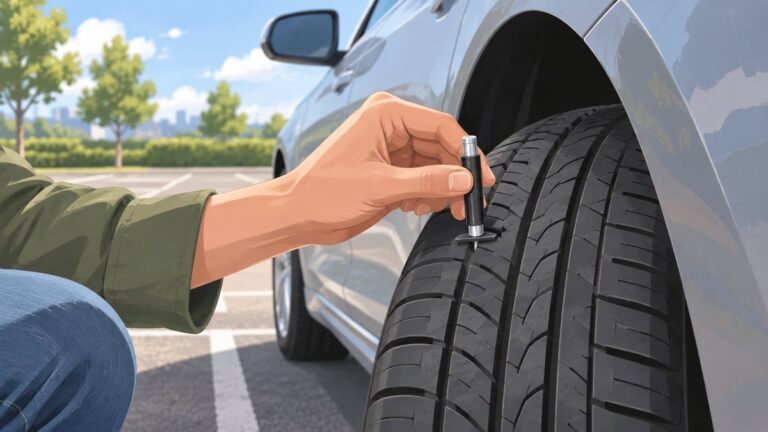
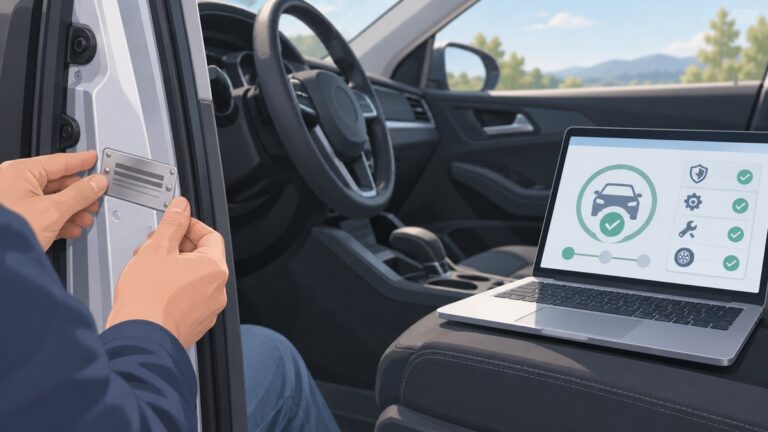
NHRA’s general “Let’s Race” checklist and Street Legal guidance call for a valid driver’s license, vehicle registration and insurance, DOT-approved street-legal tires, seat belts, and a muffler. The car should also have working headlights and taillights and a secured battery. Requirements can vary, and a track’s own checklist may be more specific.
Rank #2

- Snell SA2025 Certified, made of Fiber Reinforce Plastic(GFRP) composite shell, Double D-ring equipped, more lightweight, and higher safety.
- Compatible with HANS/HNR M6 Threaded Inserts(not included), convenient for you to install Head&Neck Support devices to protect your head and neck from getting hurt when participating in auto racing sports.
- 40 MM sunshade film on the top of the visor helps to reduce giddiness and dizziness caused by the sun/light while doing car racing acclivities.
- High-density Expanded Polystyrene (EPS) fire retardant inner pads enhance comfort and safety when it happens to an accident.
- Tear-off posts button on the visor allows installing tear-off posts on the visor so to ensure a clear view according to the racer’s needs.
Clothing and safety equipment
Wear long pants that are not nylon, a sleeved shirt, closed-toe shoes, and socks. A helmet and additional safety equipment may be required depending on the car’s performance and the venue. NHRA advises checking local requirements; do not assume a street car’s ordinary equipment is sufficient.
Do these 3 things before closing this tab:
1Repair Windows errors before they cause bigger problems2Scan for outdated or missing drivers - takes under a minute3Clear out junk files and repair common Windows errorsUseful first-visit items
NHRA’s beginner guide recommends bringing a tire-pressure gauge and basic tools. These are practical items, not substitutes for required safety equipment or an inspection, and bringing them does not make a vehicle eligible to race.
Rank #3

- Lightweight fiberglass composite shell construction
- Fire retardant padded interior and airflow venting for comfort
- Protective, soft carry bag included
- 3mm Anti-scratch, flame resistant shield with tear off posts
- Snell SA2025 Certified IMPORTANT: This is an auto racing helmet certified to Snell SA2025 standards and is not intended for motorcycle road use or FMVSS 218 compliance.
What happens at a sanctioned event?
- Pay and get a tech card. Follow the event’s instructions for entry and obtain the vehicle’s technical inspection card.
- Complete the card and present the car for inspection. Officials check the vehicle against applicable safety and event requirements.
- Register and complete the driver paperwork. Be prepared to show your license and sign the event release.
- Wait for officials to direct you to staging. Follow the track’s instructions for the lanes and on-track procedure.
- Make your pass and collect the time slip. The time slip records the run; follow venue directions after leaving the track.
How much does legal drag racing cost?
Entry fees are local and event-specific, not a fixed national price. NHRA’s beginner guide, published in 2019, described a typical test-and-tune-night fee as around $20–30 while noting that fees vary. That is an older approximate guide, not a 2026 nationwide rate.
Recent track listings show how much prices can differ. Firebird Raceway listed a test/grudge tech card at $40 online or $50 on the day for a 2026 event, with separate admission categories. Pacific Raceways listed a $90 test-and-tune tech card for its August 7, 2026 event, plus $15 spectator admission. These are dated local examples; confirm the listing for the event you plan to attend because fees can change.
Rank #4

- Snell SA2025 Certified IMPORTANT: This is an auto racing helmet certified to Snell SA2025 standards and is not intended for motorcycle road use or FMVSS 218 compliance.
- Lightweight fiberglass composite shell construction
- Fire retardant padded interior and airflow venting for comfort
To budget, start with the local event listing and check what the tech card includes, whether spectator admission is separate, and whether any vehicle or safety equipment requirements mean you need additional preparation. The listed entry price alone does not establish the full cost of getting a particular car ready.
What’s actually slowing this PC down?
Pick the symptom - the matching free tool is one click away.
Where to verify current rules
Use NHRA’s Street Legal program page for program information, then check the NHRA Racer rules index for the 2026 rulebook and amendment resources. Confirm the host track’s current event requirements as well: local procedures and equipment rules may add detail beyond the general checklist.
Quick Recap
Product prices and availability are accurate as of the date/time indicated and are subject to change. Any price and availability information displayed on Amazon at the time of purchase will apply.