Windows Errors? Fix Them Before They Spread
Repair common Windows errors and clear accumulated junk for a smoother, more stable PC - no reinstall needed.Free scan · no reinstallOutdated Drivers Are Slowing You Down
One free scan finds every outdated or missing driver and matches the right update for your exact hardware.Free scan · exact hardware matchSome links on this page are affiliate links: if you buy through them we may earn a commission, at no extra cost to you.
For a street-driven BMW M2, start with grip and control rather than engine power: fit a high-quality, BMW-approved summer tire, have the geometry aligned by a BMW M specialist, refresh the brake fluid and choose a street-capable pad, then consider BMW’s M Performance suspension. Those changes improve corner entry, consistency and confidence without making the car unpleasant on ordinary roads.
The current M2 already produces 480 hp (353 kW), according to BMW M’s current model information. That output makes intake, exhaust and calibration work optional for a road-first build. If you need more adjustment for occasional track days, an adjustable coil-over system or BMW’s M Performance Track Kit can work, but both demand careful setup and a check of local approval rules.


As an Amazon Associate I earn from qualifying purchases.
The Tool Desk
Outbyte Driver Updater FREEScan for outdated or missing drivers - takes under a minuteDriver Scan →Outbyte PC Repair FREERepair Windows errors before they cause bigger problemsFix Now →What “streetable” should mean on an M2
A streetable modification has to work in the conditions that define normal ownership: cold starts, traffic, broken pavement, rain, long motorway trips, parking ramps and annual inspections. A part that is impressive for a single hot lap can be a poor road upgrade if it removes bump travel, causes constant noise, wears a road tire rapidly or creates a compliance problem.
| Decision area | What to evaluate before buying |
|---|---|
| Comfort | Low-speed compliance, impact harshness, vibration, tire noise and fatigue on long journeys. |
| Control | Damping adjustment, body control, steering response, available alignment range and clearance. |
| Braking | Cold bite, heat tolerance, pedal consistency, dust, squeal, rotor wear and sensor compatibility. |
| Fitment | F87 or G87 generation, adaptive-suspension equipment, wheel and tire dimensions, transmission and market specification. |
| Ownership risk | Emissions and noise rules, inspection approval, warranty treatment, insurance disclosure and maintenance burden. |
| Reversibility | How easily the car can return to factory specification and how much specialist labor the change requires. |
Use those criteria to judge every part. “More aggressive” is not automatically “better” when the car spends most of its life on public roads.
Popular on Amazon
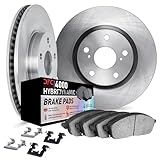
- Fits (verify fitment details with AmazonConfirmFit bar above): 2016-2018 BMW M2, 2015-2018 BMW M3, 2015-2020 BMW M4
- Brake Kit Replacement: Includes (2) Dynamic Friction Company Front Brake Rotors with (4) 4000 HybriDynamic Brake Pads & Hardware for improved braking performance
- High-Performance Brake Rotors: Mill-balanced blank rotors ensure smooth, vibration-free stopping and long-lasting performance. Made from premium G3000/G11H18 iron casting for superior strength and stability
- Low Dust & Noise: DFC 4000 HybriDynamic Pads with HybriDynamic formula provides fade resistance and stable friction in all conditions; ideal for daily driving in passenger vehicles and light-duty trucks
- Installation and Warranty: Direct fitment, built with O.E.M specifications in mind, no modification required; 1 year of coverage for manufacturer defects
Identify your exact M2 before ordering parts
Separate F87 and G87 applications
BMW M2 parts are not automatically interchangeable between generations. The previous F87 and current G87 have different chassis hardware, dimensions and electronic systems. A listing that says only “M2” is incomplete information; verify the model code, production year, body style, market and, where relevant, transmission.
Check adaptive-suspension equipment
The current G87 uses Adaptive M suspension with Comfort, Sport and Sport+ behavior. A suspension kit designed for a fixed-damper car may not be compatible with that equipment, and a kit intended to replace the adaptive system may require additional parts or configuration work. Confirm the exact BMW option code and ask the supplier how the factory controls are handled before installation.
What’s actually slowing this PC down?
Pick the symptom - the matching free tool is one click away.
Record the wheel, tire and brake configuration
Measure the wheel diameter, width, offset and tire size currently fitted. Record the tire’s load rating and speed rating, and confirm that replacement dimensions are approved for your market. Brake-pad and rotor compatibility can also vary with the factory brake package, so use the vehicle identification number and the brake-caliper part number rather than relying on a generic catalog description.
Establish a baseline
Before changing anything, inspect for uneven tire wear, bent wheels, play in suspension joints, fluid leaks, warning lights and existing alignment damage. A baseline road test should note steering pull, brake vibration, ride quality and any noise. Without that record, it is easy to blame a new part for a problem that was already present.
Upgrade in this order for the best road result
1. Tires and a measured alignment
Tires are the first performance upgrade because every steering, braking and suspension change ultimately works through the contact patches. Choose a high-quality max-performance summer tire in the correct BMW-approved size and load rating. Match the compound to your climate: a summer tire that performs well when warm may provide less cold-weather margin than an all-season or winter design, and a tire that is unsuitable for local temperatures is not a sensible street choice.
Also popular on Amazon

- OE REPLACEMENT: Matches the fit, form, and function of original equipment for a seamless replacement, ensuring a perfect fit and optimal performance
- HIGH-PERFORMANCE MATERIAL: A semi-metallic composition provides excellent stopping power and high-temperature resistance, enhancing performance in various conditions
- VEHICLE APPLICATION: BMW 120i 2021-2016, 220i 2014, 220i 2021-2016, 228i 2016-2014, 228i xDrive 2016-2015, 230i 2021-2017, 230i xDrive 2021-2017, 235i 2014, 318i 2018, 320i 2018-2016, 320i xDrive 2018-2016, 328i 2016-2015, 328i GT xDrive 2015, 328i xDrive 2016-2015, 330i 2018-2017, 330i xDrive 2019-2017, 335i 2013, 335i 2015, 335i GT xDrive 2016-2015,
- 335i xDrive 2015-2014, 340i 2018-2016, 340i xDrive 2018-2016, 420i 2020-2016, 420i Gran Coupe 2016, 420i Gran Coupe 2020-2018, 428i 2016-2015, 428i Gran Coupe 2016-2015, 428i xDrive 2016-2015, 428i xDrive Gran Coupe 2016-2015, 430i 2020-2017,
- 430i Gran Coupe 2020-2017, 430i xDrive 2020-2017, 430i xDrive Gran Coupe 2020-2017, 435i 2016-2014, 435i Gran Coupe 2016-2015, 435i xDrive 2016-2015, 435i xDrive Gran Coupe 2016-2015, 440i 2020-2017, 440i Gran Coupe 2020-2017, 440i xDrive 2020-2017, 440i xDrive Gran Coupe 2020-2017, ActiveHybrid 3 2015, M2 2020-2016, M3 2018-2015, M4 2020-2015, M135i 2016-2013, M140i 2019-2017, M235i 2016-2014, M235i xDrive 2016-2015, M240i 2021-2017, M240i xDrive 2021-2017
Have a shop familiar with BMW M geometry align the car after the tire installation. Ask for a written before-and-after report. A modestly performance-oriented alignment can sharpen turn-in and improve the balance of tire wear, but excessive negative camber can shorten the life of a road tire, especially if the car sees many motorway miles. There is no universal “best” setting: the appropriate values depend on generation, wheel and tire, ride height, climate, road surface and whether the car visits a circuit.
- Set pressures from the BMW placard and adjust only after considering load, ambient temperature and tire manufacturer guidance.
- Check that the tire remains inside the wheel arch through full steering and suspension travel.
- Recheck alignment after changing ride height, springs, links or camber hardware.
- Rotate only when the tire design and BMW’s fitment allow it; staggered or directional arrangements may prevent rotation.
Do not choose a tire solely by an advertised lap-time claim. For road use, wet grip, cold behavior, casing compliance and resistance to tramlining can matter more than the last fraction of dry grip.
2. Brake fluid and a street-capable pad
Fresh high-temperature brake fluid is a sensible preparation for spirited driving, particularly when the existing fluid is old or has absorbed moisture. Use a fluid that is compatible with the M2’s braking system and follow the bleeding procedure and replacement guidance for your market. A fluid change does not increase the rotor’s capacity, so it cannot compensate for worn discs, damaged hoses or a caliper problem.
BMW’s M Performance sports brake pads are described by BMW Group PressClub as offering “increased suitability for the race track as well as enhanced active safety.” That statement describes intended function; it is not a promise of a shorter stop in every street condition. Before fitting any performance pad, confirm:
- Cold bite is adequate for the temperatures encountered on your roads.
- The pad shape, backing plate and wear sensor fit your exact caliper.
- The friction material is compatible with the rotor and does not create unacceptable scoring.
- Dust and squeal are acceptable for your daily use.
- The pad and fluid are legal and insurable where the car is registered.
Follow the pad maker’s bedding procedure on a safe, legal road. If the pedal remains soft, the car pulls under braking or the steering wheel shakes, stop testing and diagnose the hydraulic system, calipers, rotors and wheel torque before adding more aggressive parts.
Do these 3 things before closing this tab:
1Clear out junk files and repair common Windows errors2Scan for outdated or missing drivers - takes under a minute3Repair Windows errors before they cause bigger problemsAlso popular on Amazon
3. BMW M Performance suspension for an OEM-oriented step
For owners who want sharper responses while retaining a factory-developed package, BMW’s M Performance suspension is the most defensible first suspension recommendation. BMW M says the system “results in a far more direct connection between the body and road surface” and provides “track-inspired driving dynamics on everyday journeys.” The package is intended to improve body control without turning every commute into a competition event.
Confirm the kit for your generation and adaptive-suspension equipment. The exact contents, spring rates, damper arrangement and installation requirements vary by application. After installation, the car still needs a complete alignment and a clearance check at full steering lock and full bump. Ask the installer to document ride height at all four corners and to inspect brake hoses, sensors and underbody clearances.
BMW describes the current M2’s Adaptive M suspension as delivering “excellent dynamics, exceptional roadholding and improved comfort on long journeys.” Retaining that factory system, or choosing a compatible M Performance package, preserves a useful Comfort setting for poor roads while allowing more controlled behavior in Sport or Sport+.
4. Adjustable coil-overs and suspension links for mixed road and track use
G87-specific adjustable coil-overs, suspension links and monoball tension-strut joints are available from Dinan. Its product information presents the coil-over system as developed with race-lab input but refined for street versatility. Treat these products as setup tools, not automatic upgrades: their value depends on correct spring selection, damper adjustment, ride height and alignment.
Quick wins for a faster PC:
Clear out junk files and repair common Windows errorsFree Scan →Fix the driver behind crashes, sound loss and screen glitchesFind Drivers →Adjustability increases responsibility. Before installation, establish a target ride height that preserves bump travel and avoids contact with the fender, tire, underbody or exhaust. Keep enough clearance for passengers, luggage and winter road debris. After installation:
Also popular on Amazon
- Set the manufacturer’s baseline damper and spring-height positions.
- Measure left-to-right ride height on level ground with the fuel load and equipment you normally carry.
- Align the car and record camber, caster and toe.
- Road-test on smooth and broken pavement, listening for contact, knocks or new vibration.
- Change one adjustment at a time and record the result, rather than turning several knobs at once.
Monoball joints can alter the way road texture and impact loads reach the cabin. Inspect their condition and fastener torque at the interval specified by the manufacturer, and be prepared for more maintenance than with the original rubber-bushed hardware. A track-oriented alignment can also make a road tire wear quickly if it is left unchanged for daily mileage.
5. BMW M Performance Track Kit and camber hardware
The M Performance Track Kit is the aggressive end of a streetable G87 suspension program. BMW lists 14 clicks each for high-speed and low-speed compression and rebound, ride-height adjustment of 10 to 20 mm below the default setting, and front-camber adjustment to a maximum of −2°40′. BMW recommends −20 mm at the front and −10 mm at the rear for the kit’s stated setup.
Those numbers are useful only when matched to the driver’s use. More negative camber can support the outside front tire during repeated cornering, yet it can increase inner-shoulder wear and reduce the margin for poor alignment on public roads. Lowering the car also reduces available bump travel and changes approach angle, so a setting that works on a smooth circuit can scrape on a ramp or compress onto a road surface.
BMW describes the Track Kit as road approved, but approval remains subject to local regulations and the vehicle’s configuration. Verify certification, inspection requirements, insurance disclosure and any restrictions on ride height or adjustable suspension before ordering. If the M2 is primarily a commuter, BMW’s less aggressive suspension option is usually easier to live with; reserve the Track Kit for an owner willing to maintain records and tune the car deliberately.
6. Intake, exhaust and other power changes
With 480 hp (353 kW) from the current model, the M2 does not need an engine modification to feel fast on public roads. Dinan lists G87 intake and exhaust products and packages, but the available information does not establish a universal dyno gain, emissions status, noise level or warranty outcome. Present these parts as choices for sound, throttle response and presentation, not as guaranteed horsepower upgrades.
Also popular on Amazon
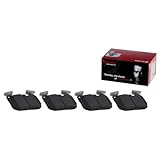
- PERFORMANCE: Reduced friction wear and dust emission means more beautiful wheels with less cleaning.
- MAXIMUM DRIVING COMFORT: The chamfers and slots on Brembo brake pads improve braking comfort by minimizing vibration and noise.
- FRICTION MATERIALS: With more than 100 different friction materials, Brembo brake pads meet the needs of different markets and vehicle applications.
- EASY INSTALLATION: All required hardware needed for installation is included in the box
- ORIGINAL EQUIPMENT CERTIFIED: Brembo always meets or exceeds the material specs used by the original manufacturer.
Before fitting an intake or exhaust, check whether the part changes filtration, heat shielding, catalytic converters, particulate filters, oxygen-sensor locations or noise output. Confirm that the calibration remains appropriate for the hardware and that the modification is legal in the country where the car is registered. Keep the original parts if you may need to return the car to stock for inspection, resale or warranty work.
Independent reader supportYour contribution helps us test, update, and keep practical guides available for everyone.How the main upgrade paths compare
| Build path | Street comfort | Control and adjustability | Braking or grip benefit | Main trade-off | Best suited to |
|---|---|---|---|---|---|
| Tires plus alignment | Usually preserved when the tire is correctly selected | Sharper response through improved contact-patch use | Most direct improvement in dry and wet confidence, subject to tire choice | Incorrect camber or pressure can accelerate wear | Every M2 used on public roads |
| Fluid plus street performance pads | Depends on pad noise and dust | More consistent pedal under repeated use | Better heat margin; cold performance must be verified | Noise, dust, rotor wear and legal fitment vary | Spirited road drivers and occasional track users |
| BMW M Performance suspension | Designed to retain everyday usability | More controlled body motion in a factory-oriented package | Indirect grip benefit through better platform control | Kit compatibility varies by generation and adaptive equipment | Owners wanting an OEM-first suspension change |
| Adjustable coil-overs and links | Can range from comfortable to harsh depending on setup | High; ride height and damping require owner involvement | Can support a track alignment when correctly configured | More setup, inspection and maintenance responsibility | Drivers who mix road mileage with regular track days |
| M Performance Track Kit | Least forgiving of poor roads among these options | 14-click high/low-speed compression and rebound adjustment, plus height and camber adjustment | Designed for repeated circuit use | Reduced clearance, faster tire wear and local-approval checks | Track-focused G87 owners who still need road approval |
| Intake or exhaust | Noise and refinement can change substantially | Little chassis-control benefit | No universal gain established | Emissions, noise, calibration and warranty uncertainty | Owners prioritizing sound or response over lap-time consistency |
A safe installation and validation process
- Define the use case. Write down the percentage of commuting, long-distance travel, wet-weather driving and track use. Decide whether preserving factory ride height, adaptive modes or a quiet cabin is non-negotiable.
- Confirm the specification. Give the supplier the VIN, generation, production year, wheel and brake information, adaptive-suspension status and registration country. Obtain written confirmation of compatibility.
- Inspect the baseline car. Correct worn joints, leaking dampers, bent wheels, uneven tires and warning lights before installing performance parts.
- Install with documented settings. Record spring perch positions, damper clicks, ride height, fastener torque and any replaced sensors or links.
- Align the car. Use a four-wheel alignment machine and retain the printout. Recheck after the suspension settles if the manufacturer specifies a settling period.
- Bedding and shakedown. Bed pads and tires according to their instructions, then perform a gradual road test. Avoid treating a public road as a test track.
- Reinspect. Look for rubbing, loose hardware, fluid leaks, sensor faults and abnormal tire wear. Recheck torque and alignment after the initial shakedown as directed by the installer.
- Document compliance. Keep invoices, certificates, alignment data and original parts. Notify your insurer and retain evidence of road approval where required.
Street-legal and reliability checks that should not be skipped
Road approval, emissions and noise
Approval is not universal. A part can be sold for road use in one country and fail inspection in another. Adjustable ride height, non-original exhaust components, catalytic-converter changes and non-certified lighting or intake alterations can all trigger different rules. Ask the seller for the certificate that applies to your exact market, not a generic statement from another region.
Recommended Free Tools
Warranty and insurance
BMW warranty treatment depends on the failed component, the part installed and the terms in your market. An aftermarket part does not automatically void every warranty, but a manufacturer or dealer may challenge a claim if a modification is relevant to the failure. Disclose material modifications to your insurer and obtain written confirmation of coverage.
Maintenance burden
More adjustment means more opportunities for drift. Keep a log of damper clicks, ride height, alignment values, tire pressures and track or road conditions. Inspect coil-over threads, lock rings, monoball joints, brake wear and tire shoulders at the intervals specified by the component manufacturers. Replace fluid, pads and tires based on condition and the published service guidance rather than on a single mileage assumption.
Preserve everyday safety systems
Do not disable stability control, anti-lock braking or factory sensors to make a modification work. If a suspension or brake change causes a warning light, return the car to a safe state and diagnose the fault before driving normally. A performance part that interferes with a driver-assistance or braking system is not a street upgrade.
Troubleshooting after a modification
| Symptom | Likely areas to check | Immediate response |
|---|---|---|
| Steering pulls or the wheel is off-center | Alignment, tire pressure, tire conicity, bent wheel or loose suspension hardware | Stop high-speed testing; measure pressures and have the car inspected and aligned. |
| Inside shoulder wears rapidly | Excessive negative camber, toe error, low pressure or a worn joint | Correct geometry and pressure before replacing the tire. |
| Harsh impacts or repeated bottoming | Ride height too low, insufficient bump travel, spring or damper setting, tire sidewall | Raise the car or restore baseline settings and inspect for contact damage. |
| Brake squeal or heavy dust | Pad compound, bedding, rotor condition and caliper hardware | Confirm the pad is street-suitable and correctly installed; investigate vibration or uneven wear promptly. |
| New knocks or metallic contact | Loose fastener, link interference, brake-hose routing or wheel-arch clearance | Do not continue spirited driving until the source is found. |
| Suspension or chassis warning light | Sensor connection, incompatible adaptive-suspension hardware or installation fault | Scan the vehicle with appropriate BMW-capable equipment and restore a compatible configuration. |
| Engine noise, fault code or altered emissions behavior after intake or exhaust work | Air leaks, sensor placement, heat management or calibration mismatch | Return to the documented baseline and have the system checked before further use. |
Choosing a final street-first specification
For most owners, the strongest sequence is a correct summer tire, a careful alignment, fresh brake fluid and a pad whose cold behavior and noise are acceptable, followed by an OEM-oriented suspension package if more control is still needed. That order attacks the parts of the car the driver uses on every corner and every stop, while preserving comfort and factory integration.
Move to adjustable coil-overs, monoball links or the M Performance Track Kit only when you can explain what additional adjustment you need, how you will measure it and which maintenance and legal obligations it creates. Add intake or exhaust hardware only after checking emissions, noise, calibration and warranty consequences; the current M2’s 480-hp output means those parts are optional rather than prerequisites for a fast road car.




