Do these 3 things before closing this tab:
1Clear out junk files and repair common Windows errors2Scan for outdated or missing drivers - takes under a minute3Repair Windows errors before they cause bigger problemsSome links on this page are affiliate links: if you buy through them we may earn a commission, at no extra cost to you.
Sometimes—but there is no universal yes-or-no answer. A Suzuki Jimny body kit is road legal only when the specific parts, installation and resulting vehicle comply with the laws where the Jimny is registered. A small bolt-on garnish is treated differently from a replacement bumper, wide fender flares, altered lamps or structural cutting. Before buying, identify your Jimny generation and model year, measure what the kit will change, and ask your local vehicle regulator, inspection station and insurer what must be approved or declared.
Why “body kit” does not describe one legal category
“Body kit” can mean almost any exterior change. The legal consequences depend on what the part does to the vehicle, not on the marketing label. A decorative bumper garnish, side under-garnish or mud flap may be a low-impact accessory. A replacement bumper can affect pedestrian protection, mounting points, number-plate visibility or sensors. Fender extensions can increase the recorded width and must still cover the tread and spray from the wheels. A widebody conversion may require structural work, inspection or a registration update. New lamp units can create separate colour, position and visibility issues.
As an Amazon Associate I earn from qualifying purchases.
Do not treat a seller’s phrase such as “street legal,” “bolt-on” or “inspection friendly” as approval for your particular Jimny. Legality belongs to the finished vehicle in its registration jurisdiction. The same kit can be acceptable in one country, require an engineering certificate in another and fail an inspection elsewhere.
The questions that decide legality
- Which vehicle? Confirm the generation, chassis code, model year, market specification and whether it is a Jimny or Jimny Sierra. Parts that fit one generation may alter dimensions or safety equipment on another.
- Which jurisdiction? Rules come from the country, state, province or territory where the vehicle is registered and inspected—not necessarily where the kit was manufactured.
- What changes physically? Record new overall width, wheel and tyre coverage, bumper position, lamp location, ground clearance, plate visibility and any change to load-bearing structures.
- How is it attached? Secure fasteners, adequate brackets and edges that cannot injure pedestrians or other road users matter even when no structural cutting is involved.
- What must be declared? A regulator may require an inspection, an amended registration record, an engineering certificate, photographs or notification to the insurer.
United Kingdom: structural changes, MOT and DVLA notification
When DVLA notification is relevant
Driver and Vehicle Licensing Agency guidance treats a structural modification as a change to a chassis, monocoque bodyshell or frame that alters the vehicle’s dimensions or appearance. Examples include modifying load-bearing subframes or support members. Such work must be reported to DVLA. The application requires the V5C and photographs showing the vehicle identification number and the modifications; DVLA then issues an amended V5C if the change is accepted.
Popular on Amazon
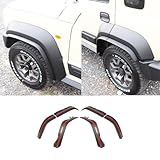
- Perfect Fitment for JC74 Precision-molded using original car scanning data, these fender flares fit the 2023-2026 Suzuki Jimny JC74 4/5-door model seamlessly. The curved edges and corner design align perfectly with the factory body lines without blocking any original parts, avoiding warping or unsightly gaps.
- Durable ABS Construction Made of high-quality impact-resistant ABS material, these wheel arches are anti-aging, corrosion-resistant, and built to withstand harsh conditions including intense sunlight, heavy rain, and muddy water immersion. They absorb shocks from off-road driving while maintaining a perfect fit to the vehicle’s body curves.
- 4.3cm Wider Upgrade for Enhanced Protection Extended 4.3cm horizontally from the factory fenders, these mud guards effectively block gravel, mud, and water splashes from hitting the vehicle body during off-road driving. They also provide extra clearance for larger tires, preventing tire-rubbing issues during turns.
- No-Drill Installation with Dual Fastening Designed for direct bolt-on installation using factory mounting holes, no drilling is required to preserve your vehicle’s original structure. Combined with 3M double-sided tape on the top surface for extra stability, the "clip + adhesive" dual fixing system ensures the flares stay firmly in place even on bumpy trails.
- Complete Kit & Easy Installation Each set includes 4 fender flares and all necessary installation hardware, making the setup process quick and straightforward. The matte black finish complements the rugged off-road style of the Jimny while offering long-lasting protection against everyday wear and tear.
This rule does not automatically classify every bolt-on body part as a structural modification. A fender flare or cosmetic garnish installed without cutting or altering the load-bearing shell is not automatically covered by that particular notification requirement. However, the owner remains responsible for the vehicle’s safety, and other construction, equipment and roadworthiness rules still apply. If a kit requires cutting the chassis, monocoque or frame, obtain advice before starting and plan for the DVLA process rather than assuming the finished appearance is all that matters.
What the MOT examiner can assess
The UK MOT manual says modifications are assessed on their merits. An unsafe modification is one that adversely affects roadworthiness, is likely to cause injury or disproportionately harms the environment. A body kit therefore does not receive a blanket pass or fail simply because it is aftermarket.
What’s actually slowing this PC down?
Pick the symptom - the matching free tool is one click away.
The manual gives a useful example: a car fitted with a body kit and sports steering wheel must still retain its driver’s airbag when the vehicle was originally fitted with one. Styling work cannot remove or disable required safety equipment. Check that airbags, seat-belt systems, crash sensors, number plates, lamps, mirrors and other required equipment remain correctly installed and unobstructed.
UK steps before driving
- Compare the kit’s installation instructions with the Jimny’s original mounting points. Identify any drilling, welding, cutting or alteration of load-bearing members.
- Measure the completed vehicle, including mirrors where applicable, and check wheel and tyre coverage from the required viewing angles.
- Confirm that lamps, reflectors, plates, sensors and the driver’s airbag remain compliant and visible.
- Ask an MOT test station or qualified vehicle engineer to inspect the proposed installation before purchase if the design is unusual.
- For structural work, contact DVLA with the V5C and required photographs and follow its instructions.
- Tell your insurer exactly what is being changed and obtain written confirmation that cover remains valid.
Japan: width limits, overfenders and lamp colours
Japan-specific overfender guidance
Suzuki Sport Racing’s technical FAQ distinguishes certain aero parts from overfenders. In the circumstances described by that guidance, specified bolt-on aero components may exceed dimensional ranges without a vehicle inspection. Overfenders that move the vehicle outside the stated width range require a structural-change inspection. The FAQ cites a range of ±2 centimetres and discusses narrow fender trim separately.
Also popular on Amazon

- Perfect Fitment for JB74 Precision-molded using original car scanning data, these fender flares fit the 2019-2026 Suzuki Jimny JB74 2/3-door model seamlessly. The curved edges and corner design align perfectly with the factory body lines without blocking any original parts, avoiding warping or unsightly gaps.
- Durable ABS Construction Made of high-quality impact-resistant ABS material, these wheel arches are anti-aging, corrosion-resistant, and built to withstand harsh conditions including intense sunlight, heavy rain, and muddy water immersion. They absorb shocks from off-road driving while maintaining a perfect fit to the vehicle’s body curves.
- 4.3cm Wider Upgrade for Enhanced Protection Extended 4.3cm horizontally from the factory fenders, these mud guards effectively block gravel, mud, and water splashes from hitting the vehicle body during off-road driving. They also provide extra clearance for larger tires, preventing tire-rubbing issues during turns.
- No-Drill Installation with Dual Fastening Designed for direct bolt-on installation using factory mounting holes, no drilling is required to preserve your vehicle’s original structure. Combined with 3M double-sided tape on the top surface for extra stability, the "clip + adhesive" dual fixing system ensures the flares stay firmly in place even on bumpy trails.
- Complete Kit & Easy Installation Each set includes 4 fender flares and all necessary installation hardware, making the setup process quick and straightforward. The matte black finish complements the rugged off-road style of the Jimny while offering long-lasting protection against everyday wear and tear.
That ±2 cm figure is Japanese-market guidance from a manufacturer-affiliated source, not a worldwide legal tolerance. Do not use it to decide legality in the UK, Australia, the United States or any other market. Japanese inspectors may also reject an installation that is insecure or has sharp projecting ends, even if the measured width appears acceptable.
Lamps and public-road compliance
Japan’s Ministry of Land, Infrastructure, Transport and Tourism explains that vehicles used on public roads must continue to meet Japanese safety standards. It identifies changing prescribed lamp colours as a prohibited modification example. A body kit that replaces, relocates or surrounds lamps therefore needs a separate check for colour, position, visibility and approval. This does not mean every replacement lamp is automatically illegal; it means the lighting system cannot be assessed solely as a styling choice.
Recommended Free Tools
Japan inspection preparation
- Measure the finished width against the applicable Japanese requirements and retain the measurement record.
- Use the manufacturer’s installation instructions, correct fasteners and brackets, and eliminate sharp corners or loose edges.
- Verify lamp colour and placement after the kit is installed, including turn indicators, stop lamps and reflectors.
- Ask the local inspection authority whether the particular overfender or structural change requires a structural-change inspection.
Australia: approvals can be vehicle- and instruction-specific
An Australian government approval database contains an in-force specialist-and-enthusiast vehicle model report for the Suzuki Jimny JB64W. It applies to specified work instructions and specified vehicle conditions; it is not blanket approval for aftermarket Jimny body kits. The record even includes a condition that only vehicles with an odometer below 100,921 kilometres may be modified under the associated instructions. That threshold belongs to that approval pathway and must not be presented as a general body-kit rule.
Australian owners should use the approval database and the regulator in the state or territory of registration to determine whether an engineering signatory, modification plate, inspection or updated registration record is required. Imported vehicles and modified vehicles can follow different pathways, so an approval for one model, instruction set or vehicle history does not automatically transfer to another Jimny.
Also popular on Amazon

- When encountering rainy days or muddy gravel roads, covered in mud and splashing gravel, scraping the paint of the float, repairing the car is another expense, it understands what you need.
- The original car design dimensions, precise hole positions, and non-destructive installation ensure a tight and seamless fit after installation.
- Light touch, scratch resistant, wear-resistant and anti-aging, engineering grade environmental friendly and resilient material
- Baking process, matched according to the original car color, with a shiny surface that blends seamlessly with the original car body
- 4PC/Set Car Fender Flaps Wheel Arch Protector Fender Flare Mud Flap Splash Guards Arch Wheel Eyebrow Compatible for Suzuki Jimny JB64 2018+
Other countries and US states: do not extrapolate
The UK, Japanese and Australian examples illustrate the process; they are not interchangeable standards. Many jurisdictions regulate bumper height, body width, wheel coverage, lamp colour, side visibility, sharp projections and structural changes separately. Some require pre-approval, while others inspect after installation. A US state may have rules that differ from the neighbouring state, and an imported Jimny may have additional registration or compliance requirements.
Contact the authority that registers and inspects the vehicle. Ask specifically about body width, fender coverage, bumper and lamp requirements, structural cutting, inspection, registration records and insurance notification. Keep the answer in writing with the kit’s part numbers and installation drawings.
Pre-purchase checklist for Suzuki Jimny body kits
1. Confirm exact fitment
Check the generation, chassis code, wheelbase, model year and market specification. A kit advertised for a “Jimny” may be intended for a different generation or for the Jimny Sierra. Compare mounting points, door and bonnet clearances, lamp openings and sensor locations.
2. Establish the dimensional effect
Measure the original and proposed overall width. Include fender extensions, tyre sidewalls and any part that projects beyond the body. Confirm that the finished flares cover the tyre tread and satisfy local spray and projection rules. Ask whether the authority measures bodywork, tyres, mirrors or another defined point.
Also popular on Amazon

- avoid muddy water from entering the mechanical parts of the vehicle, such as the brake system.
- Protect the exhaust system under the vehicle from being damaged by flying stones.
- In cold areas, avoid chemicals such as snow melting agent from causing corrosion to vehicles.
- It is helpful to reduce the airflow disturbance caused by the vehicle during driving.
- It is helpful to reduce the noise generated by the vehicle during driving.
3. Protect lighting and safety equipment
List every lamp, reflector, plate, mirror, camera, parking sensor, airbag and seat-belt component near the installation. Ensure the kit does not obscure, relocate or change a required component without a compliant replacement. Lighting changes require their own legal review; a cosmetic housing does not override lamp-colour or visibility rules.
4. Check attachment and edge safety
Use the specified fasteners and reinforcement. Inspect the inside of the fender and bumper for loose brackets, exposed bolts and contact with tyres during steering or suspension movement. Round or protect exposed edges. An insecure attachment or sharp projection can fail an inspection and create an injury hazard.
5. Identify structural work
Ask the installer whether any chassis, monocoque, frame, subframe or support member will be cut, drilled, welded or relocated. Structural work is the point at which notification, engineering review or a structural-change inspection is most likely. Obtain the regulator’s requirements before the vehicle is altered.
6. Plan inspection and records
Save the invoice, part numbers, material information, installation instructions, photographs and measurements. These records help an inspector, insurer or future owner understand what was changed. Arrange any required inspection or registration update before driving on public roads.
Also popular on Amazon

- Easy Installation: Features a fast, hassle-free mounting design paired with sturdy fasteners for stable installation. The unit can be fully taken apart whenever you want, and the whole assembly process requires no special professional tools at all.
- Vehicle Body & Paint Protection: Acts as a reliable barrier to guard your vehicle against splattered mud and high-speed flying gravel. It effectively prevents paint scratches, chipping and peeling, preserving your car’s original sleek appearance for longer.
- Effective Noise Reduction: Greatly suppresses loud noises triggered by bouncing rocks, sand and mud hitting the bodywork. It brings you a much quieter cabin environment and delivers a smoother, more enjoyable driving experience.
- Protects Suspension Components: Creates a shield to keep mud, dirt and abrasive grit away from ball joints, tie rods and other critical suspension assemblies. It slows down rust formation and irregular part wear, extends the overall service life of your suspension system and reduces potential risk of mechanical failure.
- Keeps Your Vehicle Cleaner: Stops muddy water kicked up by rotating wheels from splashing onto your vehicle body, minimizing dirt accumulation especially during heavy rain. You will spend less time on frequent car washes and cut down your long-term vehicle maintenance expenses.
7. Notify the insurer
Tell the insurer about the kit, wheels and tyres, widened track, structural work and lighting changes. Ask whether the policy remains valid and whether the agreed value or repair method changes. A vehicle can pass a roadworthiness inspection and still have a coverage problem if a modification was not disclosed.
Independent reader supportYour contribution helps us test, update, and keep practical guides available for everyone.Choosing between low-impact accessories and widebody conversions
| Modification type | Main compliance questions | Typical risk to investigate |
|---|---|---|
| Decorative bumper or side garnish | Does it cover lamps, plates, sensors or pedestrian-protection areas? | Obstruction, insecure attachment or sharp edges |
| Mud flaps | Do they remain securely attached and provide required spray control? | Clearance, detachment or inadequate coverage |
| Bolt-on fender flares | What is the final width, and do the flares cover the wheels? | Width limits, tyre projection and inspection declaration |
| Replacement bumper or lamp surrounds | Are mounting points, lamps, sensors and plates still compliant? | Lighting, crash-safety and visibility requirements |
| Widebody or structural conversion | Is the chassis, monocoque or frame altered? | Engineering approval, structural inspection and registration update |
Suzuki catalogues in some markets list bumper and side under-garnishes and mud flaps as certified accessory packages intended for installation at designated conformity-of-production locations before initial registration. That market-specific arrangement may be a lower-impact alternative to extensive bodywork, but it does not prove that the same package is certified for every country or for post-registration installation.
The Tool Desk
Outbyte Driver Updater FREEFix the driver behind crashes, sound loss and screen glitchesFind Drivers →Outbyte PC Repair FREERepair Windows errors before they cause bigger problemsFix Now →Seller claims, approvals and your actual vehicle
A part may have a type approval, a manufacturer installation instruction or a listing that says it fits the Jimny. None of those facts alone proves that your modified, registered vehicle is legal on public roads. Approval may be limited to a country, model year, production stage, installation method or vehicle condition. The decisive question is whether the finished Jimny meets the rules in the place where it is registered and whether all required declarations and inspections have been completed.
What to do if an inspector or insurer objects
- Ask for the exact reason, measurement or rule cited and record the vehicle configuration at the time of inspection.
- Do not remove a safety device or alter a lamp merely to obtain a temporary pass.
- Compare the objection with the kit’s installation drawings and your recorded dimensions.
- Correct the unsafe or noncompliant feature, or obtain the required engineering assessment or structural inspection.
- Return for the required reinspection and send the final documentation to the insurer.
Bottom line
A Suzuki Jimny body kit can be street legal, but “body kit” is not an approval category. Bolt-on cosmetic parts may avoid structural-notification rules while still needing safe attachment, wheel coverage, compliant lighting and intact airbags. Wide fenders, altered lamps and any chassis or monocoque work can trigger additional inspection, registration and insurance duties. Confirm the exact Jimny, kit, measurements and local requirements before purchase or installation; never rely on a universal claim that a particular style of kit is legal everywhere.