Do these 3 things before closing this tab:
1Repair Windows errors before they cause bigger problems2Fix the driver behind crashes, sound loss and screen glitches3Clear out junk files and repair common Windows errorsSome links on this page are affiliate links: if you buy through them we may earn a commission, at no extra cost to you.
Buy a 1967–1969 Camaro with the body first, the paperwork second, and the mechanical condition third. Corrosion, hidden structural repairs, and incorrectly identified performance packages can cost far more than a tired engine. Inspect the shell and underside carefully, then reconcile the VIN, cowl tag, drivetrain stampings, casting dates, axle information, and records before paying an SS, RS, Z/28, or COPO premium.
Badges, stripes, hoods, spoilers, wheels, and replacement engines are changeable. They can make a car look right without proving how it left the factory. This guide separates model-year identification, factory-installed equipment, and parts currently fitted to the car so you can judge a driver, restoration, or high-value package claim on evidence rather than appearance.


As an Amazon Associate I earn from qualifying purchases.
Free tools Windows power users keep installed
One-click scans. No signup required.
What should come first when buying a 1967–1969 Camaro?
Start with body integrity and repair quality. A solid car with an ordinary drivetrain is usually a safer purchase than a rare-looking car built over rotten floors or poorly aligned replacement panels. Inspect the exterior, interior, underside, mounts, and structural attachment points before becoming invested in an advertised package.
Next, establish identity. Record the VIN, cowl or trim tag, engine and transmission stampings, axle details, and relevant casting and date codes. Compare those details with year-specific factory information and the seller’s paperwork. A tag decode can support an assessment, but it cannot by itself authenticate an untouched car.
Popular on Amazon
Only after those checks should you value mechanical condition and equipment completeness. A nonworking window regulator, failed Rally Sport headlight system, weak cooling system, or damaged mount may be repairable; corrosion in structural areas or altered identity evidence can change the entire purchase decision.
How to tell the 1967, 1968, and 1969 bodies apart
Confirm the model year before applying any inspection checklist. Equipment, tags, suspension, and known trouble spots changed during this three-year run.
Recommended Free Tools
| Model year | Useful visual and identification clues | Inspection implications |
|---|---|---|
| 1967 | Front vent windows; VIN plate on the driver’s door pillar. It is the only one of these three years for which the cowl tag carried option-related codes. | Check the vent-window hardware, early motor-mount and subframe areas, and the monoleaf rear-spring and shock-mount structure. Rally Sport headlamps use electric motors. |
| 1968 | Vent windows disappeared, side-marker lights were added, and the VIN plate moved to the top of the dash where it can be read through the windshield. | Confirm the dash VIN against the cowl tag and factory records. The rear suspension changed to multileaf springs with staggered shocks. Rally Sport headlamps use vacuum operation. |
| 1969 | Substantially restyled body with a more V-shaped grille, wider taillights, and squarer wheel openings. Norwood cowl-tag coding practices changed during the model year. | Interpret the cowl tag by assembly plant and production period rather than applying one generic code chart. Verify that body panels and trim match the claimed year. |
These clues establish a starting point, not proof of originality. Camaro Research Group references explain that tag formats and information vary by year and plant, so use the correct reference for the exact car.
Prepare before you inspect the car
Ask the seller to leave the car cold and make the following available:
- The VIN and a clear view of the cowl or trim tag.
- Access to the engine, transmission, axle, underside, trunk, and floor areas.
- Keys for doors, ignition, trunk, and any Rally Sport headlight controls.
- Receipts, restoration photographs, title history, build documents, and previous appraisals.
- Permission for a road test and an inspection by a mechanic familiar with first-generation Camaros.
Bring a flashlight, inspection mirror, magnet, camera, paper for recording stampings, and clothing suitable for looking underneath the car. A magnet can reveal filler in steel panels, but it will not identify every repair and should not be used as a substitute for lifting carpets or inspecting the underside.
Inspect the body and structure before the drivetrain
Exterior corrosion and panel repairs
Walk around the car in daylight and view each panel from a shallow angle. Look for ripples, abrupt changes in reflection, sanding scratches, mismatched gloss, and gaps that vary from one end of a door or hood to the other. Compare left and right sides for symmetry.
Also popular on Amazon
Pay particular attention to the front fenders behind the wheel openings, a location specifically flagged in MotorTrend’s buyer guide. Probe for bubbling paint, swelling seams, and filler that may conceal perforation. Examine the lower edges of doors, quarter panels, rocker areas, wheel openings, and the cowl for bubbling or fresh undercoating.
Inspect the trunk floor closely. Lift the mat and spare-tire covering, check seams and drain areas, and look for patch panels, welds, trapped moisture, or a floor that has been coated to hide repairs. A convertible deserves extra scrutiny for water intrusion into the trunk floor, another issue noted by the buyer guide.
Underside and structural attachment points
Use the flashlight to inspect the floor pans, inner rockers, frame rails, subframe, body mounts, spring mounts, and shock attachment areas. Surface scale is different from perforation, crushed metal, or a section that has been cut out and replaced. Look for welds that do not match nearby factory seams, overlapping plates, burnt paint, and fasteners that suggest a body was separated or reassembled.
Check the subframe-to-body mounts and motor mounts for deterioration, compression, movement, or nonstandard hardware. A mount problem can create alignment and drivability symptoms while also indicating that the surrounding structure deserves closer inspection.
The Tool Desk
Outbyte PC Repair FREEClear out junk files and repair common Windows errorsFree Scan →Outbyte Driver Updater FREEScan for outdated or missing drivers - takes under a minuteDriver Scan →Panel fit and signs of collision work
Open and close every panel. Doors should latch without being lifted or slammed. The hood and trunk should sit level in their openings, and the fender-to-door and quarter-to-door gaps should be reasonably consistent. Inspect bolt heads for disturbed paint and compare seam sealer on both sides. A high-quality restoration can include replacement panels; the issue is whether the work is straight, documented, and structurally sound.
Check windows, doors, and Rally Sport equipment
Window operation
Operate both front windows through their full travel and run the rear quarter windows repeatedly. MotorTrend reports that front glass can come loose from its regulator and that rear regulators can seize after long disuse. Listen for grinding, binding, glass tilting in the channel, or a crank that turns without moving the glass. Confirm that the glass seats correctly when the door closes.
Also popular on Amazon
Rally Sport hideaway headlights
If the car is represented as an RS or has hideaway headlamps, cycle the doors several times and test the lamps in both open and closed positions. The 1967 system used electric motors that are prone to burning out; 1968–1969 systems use vacuum operation. Inspect hoses, actuators, switches, wiring, and repaired brackets instead of assuming that an attractive grille means the system is complete or functional.
Record whether the headlight doors open at the same speed, stop at the same position, and remain closed after the engine is shut off. A seller’s statement that the system “only needs adjustment” should be treated as an unverified repair claim until the components are inspected.
Verify the VIN, cowl tag, and claimed equipment
Record every identifying number
Photograph the VIN and cowl or trim tag before interpreting them. Write down engine and transmission stampings, axle information, casting numbers, casting dates, and date-coded components where accessible. Note the assembly plant and production period shown by the documentation. Camaro Research Group’s references explain that the amount and format of information differ by year and plant.
For a 1967, inspect the VIN plate on the driver’s door pillar and pay close attention to the cowl tag because this is the only year in the 1967–1969 range with option-related codes on that tag. For a 1968, read the VIN through the windshield at the top of the dash and compare it with the vehicle-information kit in GM’s heritage archive. For a 1969, interpret the cowl tag using the correct plant and production-period guidance because Norwood coding practices changed during the model year.
Separate three different questions
- What model is the body and VIN identifying? Establish the year, series, body style, assembly information, and VIN consistency.
- What equipment was factory-installed? Use the correct year-specific documentation and corroborating records for SS, RS, Z/28, COPO, engine, transmission, axle, and suspension claims.
- What components are on the car now? Identify replacement engines, transmissions, rear ends, trim, panels, and accessories independently of the original configuration.
A replacement engine can leave the original package difficult to establish. A V8 VIN or a 1969 cowl code does not prove every SS, RS, Z/28, or COPO claim. Factory records, consistent stampings, correct dates, and an unaltered body history matter together.
Red flags in high-value identity claims
- Tags with damaged, replaced, or suspicious fasteners or rivets.
- Stampings that differ in font, depth, location, or surface finish from the surrounding factory work.
- A seller who provides only a badge, stripe, hood, or build sheet without supporting numbers.
- Drivetrain dates that are impossible for the claimed production period.
- A cowl tag interpretation copied from a generic chart that ignores plant or mid-year changes.
- Fresh paint or undercoating that prevents inspection of seams, tags, or attachment points.
If tags, rivets, stampings, or body panels appear altered, stop treating the car as a routine purchase. Have a marque-familiar expert examine it before negotiating on rarity.
Windows Errors? Fix Them Before They Spread
Repair common Windows errors and clear accumulated junk for a smoother, more stable PC - no reinstall needed.Free scan · no reinstallOutdated Drivers Are Slowing You Down
One free scan finds every outdated or missing driver and matches the right update for your exact hardware.Free scan · exact hardware matchAlso popular on Amazon
Evaluate the engine, transmission, suspension, and brakes
Cold start and engine bay
Insist on a genuinely cold start. Observe how long the seller cranks the engine, whether the choke or fast-idle system works, and whether there is smoke, fuel odor, rattling, or unusual valve-train noise. Look for coolant stains, oil leaks, brittle wiring, nonstandard fuel lines, missing shields, and overheating evidence. Verify that the charging system produces stable voltage and that the temperature remains controlled at idle.
Inspect motor mounts while the engine is running and during a careful load change. Excessive movement can indicate failed mounts or related structural damage. Compare the installed engine’s stampings and casting dates with the claimed engine and package; do not assume a correct-looking color or air cleaner proves a matching drivetrain.
Transmission, clutch, and rear axle
With the car stationary, select every gear, including reverse, and watch for grinding, delayed engagement, clutch slip, or a shifter that will not center. On the road, listen for whine that changes with throttle, clunks during acceleration and deceleration, and vibration that follows vehicle speed. Check the axle housing, pinion area, and transmission for leaks and evidence of recent cleaning that may conceal seepage.
Steering, brakes, and cooling
The car should track without constant correction and should not pull sharply under braking. Test pedal firmness, parking-brake operation, brake-light function, and repeated stops from safe speeds. Inspect hoses, lines, wheel cylinders or calipers, master-cylinder area, and the condition of the cooling system. A road test is not a substitute for measuring brakes or inspecting components on a lift, but it reveals noises and behavior that a static inspection cannot.
1967 rear suspension and the 1968 change
The 1967 Camaro used a monoleaf rear-spring arrangement. Inspect the rear spring and shock mounting areas for cracks, distortion, torn metal, and repairs consistent with wheel hop. The buyer guide identifies this as a 1967 concern. In 1968, Chevrolet changed to multileaf springs and staggered shocks in response to the wheel-hop issue. Confirm that the parts on the car are correct for the claimed year or that modifications are disclosed and professionally installed.
Independent reader supportYour contribution helps us test, update, and keep practical guides available for everyone.Common problems by model year
| Area | 1967 | 1968 | 1969 |
|---|---|---|---|
| Body corrosion | Inspect front fenders behind the wheel openings, trunk floor, floors, seams, and structural attachment points. Convertible trunk-floor water intrusion needs special attention. | ||
| Windows | Front regulators can release the glass; rear regulators can seize after long storage. Test every window repeatedly. | ||
| Rally Sport headlights | Electric hideaway motors; test for burnout, wiring faults, and correct operation. | Vacuum-operated doors; inspect hoses, actuators, and the system’s ability to hold position. | Vacuum-operated doors; verify year-correct components and repeated operation. |
| Mounts | Inspect early motor mounts, subframe mounts, and rear spring/shock mounting areas closely. | Inspect subframe and motor mounts and confirm the multileaf/staggered-shock arrangement. | Inspect mounts and suspension for repairs or modifications, then interpret tags by plant and production period. |
| Identity clues | Vent windows; pillar VIN; option-related cowl-tag codes. | No vent windows; side markers; dash VIN. | Restyled body; mid-year Norwood cowl-tag practice changed. |
These are known inspection targets, not predictions that every car has failed. Confirm the actual condition, repair quality, and part correctness on the individual Camaro.
Also popular on Amazon

- Used Book in Good Condition
Compare candidates with a buyer’s decision framework
When two cars compete for your budget, score them on the factors that determine future work rather than on paint color or advertised horsepower.
| Decision axis | Questions to answer | Why it matters |
|---|---|---|
| Body integrity and repair quality | Are floors, trunk, rockers, subframe mounts, and spring mounts solid and properly repaired? | Structural corrosion and poor sheet-metal work can dominate restoration scope. |
| Identity confidence | Do VIN, cowl tag, drivetrain stamps, dates, axle details, and records agree? | Evidence determines whether a package premium is justified. |
| Mechanical condition and completeness | Does it start cold, run cool, shift, stop, steer, charge, and operate its year-specific equipment? | A sound driver and a missing-equipment project are different purchases. |
| Originality versus modification | Do you want documented factory configuration, a well-executed restoration, or a modified driver? | You should not pay an originality premium for undocumented parts. |
| Intended use and total work | Will it be driven regularly, shown, restored, or used as a track or performance project? | A rare-package restoration and an enjoyable base-model driver meet different goals. |
MotorTrend’s 2006 guide notes that a plain Camaro can still make a worthwhile driver. Do not dismiss a well-built base model simply because it lacks a high-value option code, and do not let a rare-name claim distract you from unsafe structure.
Get an independent inspection before money changes hands
The reviewed buyer guide is a recurring-issues reference, not a modern inspection protocol or warranty. Arrange a lift inspection and road test by a mechanic familiar with first-generation Camaros. Ask for written findings, photographs of corrosion and repairs, and a list separating safety defects, reliability work, cosmetic issues, and authenticity questions.
For a claimed SS, RS, Z/28, or COPO, add an identity specialist or marque expert. The expert should examine tags, rivets, stampings, body seams, drivetrain dates, and records as a connected set. If a seller refuses access to identification numbers or an independent inspection, treat that refusal as a condition of the deal rather than a minor inconvenience.
What records and references are useful?
- MotorTrend Classic: Allyson Harwood’s buyer guide, dated July 20, 2006, is useful for recurring inspection concerns such as corrosion, mounts, windows, and Rally Sport headlamps. Its historical price ranges are not current valuations.
- Camaro Research Group: Year-specific VIN, cowl-tag, drivetrain, and model references help decode combinations, but the formats and information vary by year and plant.
- GM heritage archive: The official 1968 Camaro vehicle-information kit provides factory documentation for that model year.
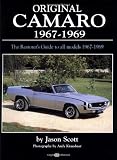
- Decoding references: A model-specific Camaro decoding or restoration book can help interpret VINs and cowl tags. Check that the edition covers the exact year and plant; no particular title, seller, or edition is established here.
Use references to test a claim, not to replace an examination of the actual car.
Historical rarity and pricing cautions
MotorTrend’s 2006 buyer guide reports that 69 ZL-1 Camaros were produced. That is a historical production statistic, not a current market count or valuation. Current prices are intentionally not supplied because the available ranges are from 2006 and should not be presented as today’s values.
Value the car you can document and inspect. A body with hidden corrosion, an undocumented drivetrain swap, or questionable tags can erase the benefit of an advertised rare package. Conversely, a solid, transparent, well-sorted Camaro can be an enjoyable purchase even when it is not a documented high-performance model.




