If your car suddenly seems to use more petrol, first confirm the change with repeatable fill-to-fill calculations. A single dashboard estimate or tank can be misleading. Then check tire pressure and recent changes in trips, traffic, driving, weather, and load. If the decline persists or comes with a warning light or abnormal behavior, arrange diagnosis rather than replacing parts by guesswork.
The key question is whether your car’s fuel use has changed over several comparable journeys, or whether one reading reflects different conditions. A lower figure is a reason to investigate, but it does not by itself identify a failed part. Start with the checks you can make safely, keep a record of what you find, and escalate promptly if the car is warning you or behaving abnormally.
As an Amazon Associate I earn from qualifying purchases.
Confirm that fuel economy has really changed
Dashboard estimates can fluctuate, and actual fuel economy can differ from official estimates. Compare complete fill-to-fill intervals instead of diagnosing a fault from one display reading. AAA recommends filling the tank, resetting the trip odometer, driving normally, then refilling and calculating the result.
The Tool Desk
Outbyte PC Repair FREERepair Windows errors before they cause bigger problemsFix Now →Outbyte Driver Updater FREEFix the driver behind crashes, sound loss and screen glitchesFind Drivers →- Fill the tank and reset the trip odometer.
- Drive as you normally would, noting unusual traffic, weather, route, or cargo changes.
- Refill the tank and record how much petrol was added and the distance driven.
- Divide the distance by the amount of fuel added. Keep the units consistent each time; for example, miles divided by gallons gives miles per gallon.
- Repeat for a few tanks before treating a modest difference as a sustained trend.
For the result to be useful, compare similar kinds of driving and keep the same units. A tank used mostly in city traffic is not directly comparable to one used on open roads. Note route, traffic, weather, and load alongside each reading so you can see whether the conditions changed.
#1 Best Overall

- DESIGNED TO EXCEED EXPECTATIONS: Red Line complete SI-1 fuel system cleaner is a premium fuel additive, providing an effective fuel treatment solution to clean and prevent corrosion in fuel systems.
- PERFORM AND PROTECT: Fuel additive cleans injectors, carburetors, valve and combustion chamber deposits with a powerful, concentrated blend of high-temp and low-temp detergents
- EFFICIENT FUEL BURN: A gas treatment that enhances gasoline stability, while reducing the build up of gum and varnish formation, leading to smoother operation and increased power output.
- EASY TO USE: Use one bottle of Redline Fuel System Cleaner per tank for most effective treatment, additive cleans nearly 100% efficiency in one treatment
- ENAHNCED ENGINE EFFCIENCY: Experience improved fuel economy and engine performance with Red Line 60103 SI-1 Complete Fuel System Cleaner, as it effectively removes deposits, for enhanced exhaust system function
Write down the distance, amount added, and the conditions for each interval. That gives you something more useful than a vague impression that the car “seems thirstier,” and makes it easier to discuss a persistent change with a repairer. If one calculation looks unusual, repeat the method over another interval rather than treating that single result as proof of a fault.
Keep the comparison as consistent as practical: use the same units, calculate distance divided by fuel added in the same way, and note whether you made more short trips, spent longer in traffic, carried extra load, or drove in different weather. The aim is not to reproduce identical journeys, but to avoid comparing unlike conditions without noticing. Several fill-to-fill readings can help distinguish an ongoing trend from normal variation.
Check the common causes before assuming a fault
Look for what changed around the time the reading fell. Several ordinary changes can increase fuel use without indicating a failed component. Think back to the period when the drop began, not just the latest trip: a new route, different trip length, more waiting, extra cargo, or a seasonal change may coincide with the lower reading.
Free tools Windows power users keep installed
One-click scans. No signup required.
Short trips, cold starts, and idling
On a short journey, the engine spends a larger share of the trip warming up. Repeated cold starts from separate errands can therefore worsen measured economy; combining errands may reduce repeated cold operation. Idling also uses fuel without adding distance, so more time waiting in traffic or with the engine running can lower the distance you get from a tank.
Consider whether your routine has shifted toward several brief journeys rather than fewer longer ones. Even if the total distance is similar, repeated cold operation means a larger share of the driving is spent warming up. Combining errands where practical can reduce repeated cold starts. If you have been sitting in traffic or leaving the engine running more often, that extra fuel use is not reflected in additional distance on the odometer.
Traffic, speed, and driving style
Stop-and-go traffic, hard acceleration, frequent braking, and faster highway driving can all raise fuel consumption. Consider whether congestion, your route, or your driving pattern changed before concluding that the car has developed a mechanical problem.
These factors can change together: a route that is now more congested may involve more stopping, braking, and idling, while a faster highway trip changes the comparison in a different way. Look for a shift in your normal pattern rather than trying to assign the entire decline to one action. A change in driving conditions is a plausible explanation to review, not a guarantee that no fault is present.
Do these 3 things before closing this tab:
1Fix the driver behind crashes, sound loss and screen glitches2Repair Windows errors before they cause bigger problems3Scan for outdated or missing drivers - takes under a minuteRank #2

- DESIGNED TO EXCEED EXPECTATIONS: Red Line complete SI-1 fuel system cleaner treatment for cleaning and preventing corrosion in fuel systems
- PERFORM AND PROTECT: Fuel additive cleans injectors, carburetors, valve and combustion chamber deposits with a powerful, concentrated blend of high-temp and low-temp detergents
- EFFICIENT FUEL BURN: Gas treatment that enhances gasoline stability, while reducing the build up of gum and varnish formation
- EASY TO USE: Use one bottle per tank for most effective treatment, additive cleans nearly 100% efficiency in one treatment
- 15 Ounce (2 Pack)
Tire pressure
Check tire pressure when the tires are cold and use the pressure recommended on the vehicle’s tire-information or certification decal. Do not substitute a generic pressure value or the maximum pressure printed on the tire; that maximum is not the vehicle-specific recommendation. Look for visible damage or a tire that repeatedly loses pressure.
A tire-pressure gauge can help you make this check, but the important reference is the vehicle’s own decal, not a generic figure. If a tire is visibly damaged or keeps losing pressure, do not treat repeated inflation as a complete fix; have the issue checked. Tire pressure is one practical item to check early, but it cannot confirm or rule out other causes of a mileage change.
Load, route, and seasonal conditions
Extra cargo, a roof load, a different route, heavier traffic, or seasonal weather can change consumption. Compare like with like where possible, and remove unnecessary cargo if the car is carrying more than before.
When reviewing the record, ask whether the car has been carrying more than it did during the earlier, better readings. A roof load or extra cargo is worth noting, as are seasonal conditions and changes in traffic or route. These comparisons help put the number in context; they do not establish a mechanical diagnosis.
What’s actually slowing this PC down?
Pick the symptom - the matching free tool is one click away.
Fuel and maintenance changes
Include any change in the fuel you have been using in your review of recent changes. A particular fuel change has not been established as the cause, so treat it as part of the timeline rather than as a diagnosis. Maintenance may also be due, but low mileage alone does not identify a failed part. Check the owner’s manual and follow the maintenance schedule for your vehicle rather than replacing components based only on a fuel-economy change.
Ford’s fuel-saving guidance includes numerical estimates for factors such as tire pressure, engine tune, and driving behavior, but attributes the footnoted figures to other organizations, including fueleconomy.gov, the FTC, the EPA, and Driving Skills for Life. Those figures should not be treated as Ford’s own measurements or as a prediction for your particular car; the underlying sources and conditions matter. In practical terms, there is no reliable universal percentage you can apply to your vehicle from those estimates without checking the original evidence and its conditions.
What to check now
- Recalculate consistently. Use the same fill-to-fill method and compare more than one interval if there are no urgent symptoms. Keep the distance and fuel units consistent and write down the conditions for each reading.
- Check the tires. Measure cold pressure against the vehicle decal and look for damage or repeated pressure loss. Do not use the tire’s printed maximum in place of the vehicle recommendation.
- Review recent changes. Think through trip length, route, traffic, weather, driving style, idling, fuel, and cargo. Compare the period before and after the apparent drop, looking for a change that could explain a different reading.
- Check warning lights. Note which lights appear and when. A check-engine light can indicate an engine or emissions problem and merits prompt diagnosis. Do not wait for a particular mileage figure to decide whether a warning needs attention.
- Arrange diagnosis if needed. If the decline continues without an obvious explanation, ask a qualified repairer to investigate before replacing parts. Share your fill-to-fill records and observations, including warning lights or unusual behavior.
If the car is otherwise operating normally and there are no urgent symptoms, begin by verifying the trend and checking the straightforward factors above. If it is not operating normally, do not delay help just to collect more tank readings. The order matters: simple checks can help you describe the situation, but they should not postpone attention to warning lights or abnormal behavior.
Rank #3
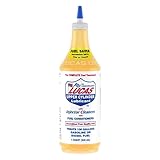
- The world’s #1 fuel additive for both gasoline and diesel engines
- A great tune-up in a bottle – treats gasoline, diesel fuel and increases MPG
- Cleans and lubricates the fuel system, including fuel injectors, carburetor and combustion chamber
- Improves fuel economy by burning excess exhaust emissions
- Increases power and acceleration by improving fuel flow and reducing deposit buildup
What a warning light or code reader can tell you
An OBD-II scanner can retrieve diagnostic trouble codes when the check-engine light is on. A code is a clue to help guide diagnosis, not proof that the named or suspected component has failed. A technician needs to interpret the code alongside inspection and the vehicle’s symptoms; a scan alone is not a confirmed repair diagnosis.
Recommended Free Tools
A code reader is useful for gathering information, not for deciding by itself which part to buy or replace. A full technician diagnosis adds inspection and interpretation. If you read a code, record it and share it with a qualified repairer; do not treat the code as a complete explanation of the fuel-economy change.
A steady check-engine light deserves timely attention, particularly if fuel economy is worsening. Do not assume the cause is a loose fuel cap—or any other single issue—without diagnosis. AAA recommends seeking a trusted mechanic for a full diagnostic when one is needed. A scan can be part of that process, but it does not substitute for a professional assessment when the cause remains unclear.
When to stop driving and seek help
If the check-engine light flashes, or the car shakes, loses power, emits an unusual odor, or otherwise behaves abnormally, pull over as soon as it is safe and seek assistance or prompt diagnosis. AAA Idaho public affairs director Matthew Conde, quoted by AAA Oregon/Idaho, advises: “If the vehicle is shaking, losing power, emitting a strange odor, or otherwise just acting abnormally, pull over as soon as it’s safe to do so.” A steady warning light is different from these urgent symptoms, but still needs timely attention.
Do not continue a journey simply to see whether the fuel reading improves if the car is shaking, losing power, giving off a strange odor, or acting abnormally. The guidance is to pull over as soon as it is safe and seek help. A flashing check-engine light is also a reason to stop and get assistance or prompt diagnosis. If the light is steady and the car otherwise behaves normally, arrange timely diagnosis rather than assuming a particular cause or ignoring it.
Quick wins for a faster PC:
Scan for outdated or missing drivers - takes under a minuteDriver Scan →Clear out junk files and repair common Windows errorsFree Scan →Choosing the next diagnostic step
There is no sensible repair comparison until the cause is known. A code scan gathers information; a full technician diagnosis adds inspection and interpretation. Neither is a repair by itself. Once a fault is confirmed, compare the diagnosis, safety urgency, vehicle-specific fit, repair scope, warranty, and written estimate before approving work.
When you speak with a repairer, explain when the change appeared, how you calculated it, whether it continued across several intervals, and what changed in your driving conditions. Mention any warning lights, codes, odors, shaking, or loss of power. That history helps frame the diagnostic question, but the repairer still needs to confirm the cause before recommending a repair.
Rank #4

- Specially formulated to remove carbon deposits from engines with over 75,000 miles
- Cleans fuel injectors, intake valves, and ports to restore performance and fuel economy
- Prevents future carbon build-up and reduces emissions
- Oxygen sensor safe and safe for use in turbocharged and supercharged vehicles
- Will not void OEM/manufacturer's warranty
No specific repair cost or part can be responsibly estimated from a lower mileage figure alone: the cause has not yet been established. Compare written estimates only after diagnosis, and check that the proposed work matches the confirmed fault and your vehicle. A scan is information gathering, not a confirmed repair; a diagnosis and estimate are the next meaningful basis for comparing repair options.
Frequently Asked Questions
Why has my car suddenly started using more petrol?
There are several possibilities, and one low reading does not identify a failed part. First check the trend with repeatable fill-to-fill calculations over a few tanks. Then review short trips and cold starts, idling, stop-and-go traffic, speed and driving style, tire pressure, route, weather, cargo, fuel changes, and maintenance due. If the decline persists without an obvious explanation, arrange a qualified diagnosis.
Crashes, No Sound, or Screen Glitches?
Random freezes, missing sound and display glitches usually trace back to one bad driver. Find and replace yours safely.Free scan · under a minutePC Slower Than It Used to Be?
A free scan shows the junk files, broken settings and background clutter dragging Windows down - then fixes them in one click.Free scan · Windows 10 & 11How do I check whether my car’s MPG has really dropped?
Fill the tank, reset the trip odometer, drive normally, then refill and record both the distance and amount of fuel added. Divide distance by fuel added, keeping the units consistent—for example, miles divided by gallons gives miles per gallon. Repeat over a few tanks and note route, traffic, weather, and load. Do not diagnose a fault from one dashboard estimate or one tank.
What should I check first if my car is using more fuel than usual?
If there are no urgent symptoms, verify the reading over more than one fill-to-fill interval, check tire pressure when the tires are cold against the vehicle’s own decal, and review recent changes in trips, traffic, weather, driving, idling, fuel, or cargo. Check for warning lights as well. A persistent unexplained decline calls for diagnosis rather than parts replacement by guesswork.
Can an OBD-II scanner tell me which part has failed?
It can retrieve diagnostic trouble codes when the check-engine light is on, but a code is a clue, not proof that a particular part has failed. A technician must interpret it alongside inspection and symptoms. A full diagnosis is more than a code scan, and neither a scan nor a code alone is a confirmed repair.
Can I keep driving if the check-engine light is on?
A steady check-engine light deserves timely attention, especially if fuel economy is also worsening; arrange diagnosis and do not assume a single cause. If the light flashes, or the car shakes, loses power, emits an unusual odor, or behaves abnormally, pull over as soon as it is safe and seek assistance or prompt diagnosis.
How much will it cost to fix a sudden drop in petrol mileage?
The mileage change alone does not establish a cause, so it is not enough to estimate a repair cost or name a part. First obtain a diagnosis. Once a fault is confirmed, compare the written estimate, repair scope, safety urgency, vehicle-specific fit, and warranty.
The Bottom Line
Confirm a sudden petrol mileage drop with repeatable fill-to-fill checks before treating it as a fault. Check cold tire pressure against the vehicle decal and review changes in trips, traffic, speed, idling, weather, fuel, and load. If the decline persists, or a warning light appears, get a qualified diagnosis; if the light flashes or the car behaves abnormally, pull over safely and seek help.
Quick Recap
Product prices and availability are accurate as of the date/time indicated and are subject to change. Any price and availability information displayed on Amazon at the time of purchase will apply.




