The Tool Desk
Outbyte Driver Updater FREEScan for outdated or missing drivers - takes under a minuteDriver Scan →Outbyte PC Repair FREEClear out junk files and repair common Windows errorsFree Scan →In the United States, a typical head-gasket replacement costs $2,543 to $3,337 before taxes, fees, local labor-rate differences, and related repairs. RepairPal’s estimate updated June 18, 2026, assigns about $1,633–$2,397 to labor and $910–$941 to parts. A modern passenger car commonly lands around $2,400–$3,200, while machining, a damaged cylinder head, or severe overheating can push the total to $4,000–$6,000 or more.
Typical head-gasket replacement cost
In the United States, replacing a head gasket typically costs $2,543 to $3,337 before taxes, shop fees, regional labor-rate differences, and additional damage. RepairPal’s estimate, updated June 18, 2026, puts approximately $1,633 to $2,397 of that total toward labor and $910 to $941 toward parts. [RepairPal, CIT-001]
As an Amazon Associate I earn from qualifying purchases.
For practical budgeting, a modern passenger car often falls near $2,400 to $3,200. A difficult engine layout, cylinder-head machining, a cracked head, severe overheating, or damage elsewhere in the engine can push the bill to $4,000 to $6,000 or more. These are U.S. planning figures—not a guaranteed quote for a particular vehicle.
What’s actually slowing this PC down?
Pick the symptom - the matching free tool is one click away.
The gasket itself is relatively inexpensive compared with the work required to reach it, inspect the engine, prepare the mating surfaces, and reassemble everything correctly. Before authorizing this repair, make sure the diagnosis is supported by testing and that the written estimate explains what happens if the cylinder head or engine block is damaged.
#1 Best Overall
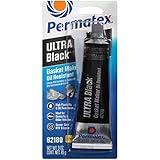
- Non-Corrosive Formula - Ultra Black Maximum Oil Resistance Silicone Gasket Maker Is Sensor-safe; With A Non-Corrosive Formula Designed For Superior Adhesion To Oily Surfaces And Long Term Durability
- Superior Resistance - Powertrain Fluids Including Engine Oil, Transmission Fluid, Gear Lube And Coolants To Keep Your Application Locked In Place To Create A Strong Long Lasting Seal
- High Flexibility - Ultra Black Silicone Gasket Maker Retains High Flexibility And Oil Resistant Properties And Can Be Used To Replace Pre Cut Gaskets Or Be Used As A Gasket Maker Or Gasket Sealant
- Long-lasting And Durable - Ultra Black Resists Aging, Weathering And Thermal Cycling Without Hardening, Shrinking Or Cracking. With A Temperature Range Of -65°f To 500°f (-54°c To 260°c) Intermittent
- Suggested Applications: Valve Covers And Valve Guides, Oil Pans, Transmission Pans, Intake Manifold End Seals, Timing Gear Covers, And Differential Covers
What you are paying for
| Part of the repair | Typical consideration |
|---|---|
| Labor | Approximately $1,633–$2,397 in RepairPal’s national estimate. Labor includes removing surrounding components, disassembling the cylinder head, cleaning and inspecting surfaces, and reassembling and testing the engine. |
| Parts | Approximately $910–$941 in the same estimate. This may include the head gasket, related seals, head bolts, fluids, filters, and other one-time-use components. |
| Machine-shop work | Pressure testing, inspecting, resurfacing, or otherwise correcting the cylinder head may be billed separately or included as an allowance. |
| Consequential repairs | Overheating can damage the cylinder head, block, bearings, catalytic converter, oxygen sensors, or complete engine. |
Head-gasket replacement is a precision engine repair, not a simple bolt-on job. The technician must remove the failed gasket, verify that the head and block are sufficiently flat, clean both surfaces, use the correct gasket and fasteners, follow the engine-specific tightening sequence, refill the fluids, and confirm that the original overheating problem has been corrected. RepairPal describes the work as labor-intensive and commonly lasting several days, depending on the vehicle and what is found after disassembly. [RepairPal, CIT-001]
Why prices vary so much
There is no universal head-gasket price. Engine design, access, local labor rates, and damage discovered during teardown can change the estimate substantially.
Engine layout and access
Some engines allow comparatively direct access to the cylinder head. Others require removal of intake and exhaust components, timing-belt or timing-chain parts, turbocharger plumbing, engine accessories, or additional hardware. Engines with multiple cylinder banks can require more work than a simple single-bank layout.
Labor rates and shop type
A dealer and an independent repair shop may use different labor rates, diagnostic procedures, parts sources, and warranty policies. A lower hourly rate does not automatically mean a lower final bill if the repair takes longer or the estimate excludes machining, fluids, or related gaskets. Compare the scope of the quotes, not just the total.
Timing-belt or timing-chain access
If timing components must be removed to access the head, replacing a timing belt and its related components may be sensible when the parts are due or already worn. A timing-chain job, tensioner replacement, or water-pump repair may also be recommended when access overlaps, but it should be identified as separate work rather than quietly folded into the head-gasket price.
Cylinder-head condition
The head may be flat and reusable, warped but repairable, cracked, or damaged beyond economical repair. It should generally be inspected and, when appropriate, pressure-tested before the final repair scope is approved. A head-gasket estimate that assumes a reusable head may increase after machining or replacement is required.
Overheating damage
A failed head gasket can cause overheating, but overheating can also be what damaged the gasket in the first place. A severely overheated engine may have damaged bearings, contaminated oil, a warped or cracked block, or an exhaust after-treatment component exposed to coolant. The estimate should distinguish the confirmed head-gasket failure from possible consequential damage.
Rank #2

- 【GOOD SEALING,WATERPROOF AND OIL RESISITANT】Visbella High Temp RTV Silicone is a waterproof and oil resistant sealant. It is soaked for a long time without fracture, deformation, and resistance to aging and corrosion
- 【GOOD FLEXIBILITY】Visbella High Temp RTV Silicone has good flexibility, delicate colloid, good thixotropy. It is elastic and can be restored to its original state after stretching
- 【TEMPERATURE DIFFERENCE】RTV Silicone can withstand high and low temperature differences and does not shrink after curing.Heat stabilized at temperature from -54°C to 343 °C
- 【EASY TO DISASSEMBLE】After curing, it does not shrink, making it easy to disassemble, and the adhesive strip is complete
- 【PRESSURE RESISTANCE】Good pressure resistance, load-bearing and not easily broken.It can replace all kinds of gaskets
Real-world vehicle examples
RepairPal’s current examples illustrate the range:
- Ford F-150: approximately $3,351–$4,421.
- Toyota Camry: approximately $2,818–$3,799.
- Honda Accord: approximately $2,300–$2,958.
- Honda Civic: approximately $2,254–$3,068.
[RepairPal, CIT-001] These figures are not model-wide guarantees; year, engine, drivetrain, location, shop, and repair scope matter.
ConsumerAffairs, using RepairPal data for selected older vehicles in Tulsa, Oklahoma, reports examples including approximately $1,735–$2,396 for a 2011 Chevrolet Cruze, $1,676–$2,249 for a 2015 Mazda MX-5 Miata, $3,576–$4,974 for a 2010 BMW X5, and $5,964–$8,109 for a 2020 Lexus RX350 AWD example. [ConsumerAffairs/RepairPal, CIT-002] Those examples show why a vehicle-specific estimate is more useful than an average.
Confirm the diagnosis before approving the repair
Overheating, coolant loss, white exhaust, rough running, or oil-and-coolant contamination can point toward a head-gasket failure, but none proves it alone. Similar symptoms can result from a failed thermostat, radiator, water pump, hose, cooling fan, cracked cylinder head, cracked block, or another engine fault.
Ask the shop which tests were performed and what each result proves. Depending on the symptoms, a sound diagnostic process may include:
- Combustion-leak or block testing: samples coolant for combustion gases. OEMTOOLS describes its 37145 tester as detecting leaks associated with head-gasket, cylinder-head, and engine-block failures; its fluid changes color when carbon dioxide is detected. [CIT-006]
- Cooling-system pressure testing: checks whether the cooling system loses pressure and can help locate an external or internal leak.
- Compression testing: compares cylinder pressure and may reveal a sealing problem, although a normal result does not rule out every head-gasket failure.
- Leak-down testing: introduces pressurized air into a cylinder and observes where it escapes.
- Visual inspection and fluid analysis: may identify coolant in oil, oil in coolant, combustion deposits, or other evidence of overheating.
Mastercool’s 43707 kit is another example of a dual-chamber combustion-gas tester with reaction fluid, described for gasoline and diesel applications. [CIT-007] A positive block-test result is useful evidence that combustion gases are entering the cooling system, but it does not by itself prove that the gasket is the only failed component. It may be the gasket, cylinder head, block, or a combination of problems.
Optional tool for capable DIY owners: if you want to understand this particular diagnostic step, an combustion leak tester kit can be useful. Follow the manufacturer’s instructions, confirm whether the kit supports your fuel type, and treat the result as one part of the diagnosis—not permission to skip professional testing or engine inspection.
Rank #3

- Designed specially for high-torque and high vibration applications
- Maximum vibration resistance, with outstanding resistance to oils, cooling and shop fluids
- Low odor and non-corrosive formula
- Suggested Applications: Valve covers, oil pans, intake manifold end seals, timing covers, water pumps, thermostat housings
Disclosure: This optional product category is included for readers who are equipped to perform a preliminary test. Availability, fit, and seller terms can change; no test kit replaces the vehicle’s service procedure or a complete diagnosis.
Recommended Free Tools
What can add hundreds or thousands of dollars
Before work begins, ask whether the estimate includes each of the following:
- Cylinder-head pressure testing.
- Head measurement and resurfacing.
- A replacement cylinder head if the original is cracked or beyond machining.
- New head bolts when the manufacturer specifies one-time-use fasteners.
- Intake, exhaust, valve-cover, timing-cover, and other disturbed gaskets.
- Engine oil, oil filter, coolant, and cooling-system flushing.
- Timing-belt or timing-chain components when access or service interval makes replacement appropriate.
- A thermostat, water pump, hose, radiator, or cooling fan if it caused or contributed to the overheating.
- Catalytic-converter or oxygen-sensor replacement after coolant contamination.
- Bottom-end or bearing inspection if the engine ran severely overheated or with diluted/contaminated oil.
- Diagnostic, teardown, machine-shop, and reassembly charges if you decline the repair after disassembly.
The difference between a gasket-only job and a cylinder-head replacement may not be enormous in every vehicle, because much of the disassembly overlaps. As one concrete example, a Ford service bulletin lists 9.2 hours for pressure testing, inspection, and head-gasket replacement versus 10.3 hours when cylinder-head assembly replacement is required for the specified vehicle program. [Ford service bulletin, CIT-005] The parts and machining costs can still change the final price considerably.
How long does the repair take?
Plan on the vehicle being unavailable for several days rather than several hours. The actual wrench time depends on the engine, but parts availability, machine-shop scheduling, pressure testing, head resurfacing, cleaning, and an overnight or extended validation process can determine the calendar time. Ask whether the shop’s estimate includes outside machine-shop turnaround and what happens if the head fails inspection.
Is replacing a head gasket a realistic DIY job?
For an experienced mechanic with the exact factory service information, proper support equipment, precision measuring tools, and access to a qualified machine shop, it can be manageable. For a beginner, it is generally not an appropriate first engine repair. The work requires substantial disassembly and careful decisions before the engine is put back together. [RepairPal, CIT-001]
Quick wins for a faster PC:
Scan for outdated or missing drivers - takes under a minuteDriver Scan →Repair Windows errors before they cause bigger problemsFix Now →Fix the driver behind crashes, sound loss and screen glitchesFind Drivers →If you are considering doing it yourself:
- Obtain the exact procedure for the vehicle’s year, engine, and configuration.
- Use the specified torque values, tightening sequence, angle-tightening procedure, and measurement limits. Do not rely on a generic torque sequence or memory.
- Confirm whether the head bolts are reusable. Many engines specify new fasteners.
- Have the head and, where required, the block inspected before ordering the final parts.
- Use proper stands, support equipment, a torque wrench, a straightedge or other specified measuring tools, and suitable lifting equipment.
- Keep coolant and used oil away from drains and soil, and dispose of both through an appropriate recycling or hazardous-waste channel.
- Find and repair the original cause of overheating; replacing the gasket alone will not fix a failed cooling fan, water pump, thermostat, radiator, or hose.
Do not assume a chemical sealer has corrected warpage, cracking, damaged fasteners, or an overheated engine.
Do head-gasket stop-leak products work?
Do not treat stop-leak chemicals as a guaranteed alternative to mechanical repair. Permatex markets a product for certain pinhole-leak and cooling-system applications, but that advertised use does not establish that it can repair a warped head, cracked block, damaged fasteners, or a severe gasket failure. [CIT-009]
Rank #4

- Sensor-safe, non-corrosive formula designed for superior adhesion to oily surfaces and long term durability
- Superior resistance to powertrain fluids including engine oil, transmission fluid, gear lube and coolants
- Retains high flexibility and eliminates the need for pre-formed, pre-cut, paper, rubber or cork gaskets; OEM specified and approved for dealership warranty requirements
- Temperature Range -65°F to 500°F (-54°C to 260°C) intermittent
- Suggested Applications: Valve covers, oil pans, intake manifold end seals, timing covers, and differential covers
Product instructions also matter. A Bar’s Leaks technical bulletin warns that its head-gasket sealant is not compatible with antifreeze and calls for flushing the cooling system and refilling it with the manufacturer’s recommended mixture. [CIT-010] RepairPal warns that some additives marketed to stop leaks can clog the radiator or damage the water pump. [CIT-001]
The safer approach is to confirm the failure, identify the cause, and follow the vehicle manufacturer’s repair procedure. A qualified technician might recommend a particular product for a narrowly defined situation, but a sealer should not be used to conceal an uncertain diagnosis or postpone a vehicle that is actively overheating.
Repair or replace the vehicle?
A head-gasket repair is more defensible when the vehicle has a sound body, a reliable transmission and electrical system, reasonable mileage, a good maintenance history, and a realistic post-repair value comfortably above the total investment.
Replacing or selling may make more sense when the car also has severe rust, multiple major faults, very low market value, or evidence that overheating damaged the bottom end or complete engine. Do not rely on a universal “repair only if it costs less than a certain percentage of the car’s value” rule. The decision depends on:
- Year, make, model, and exact engine.
- Mileage and maintenance history.
- Body, transmission, suspension, electrical, and interior condition.
- Local replacement-vehicle prices and the vehicle’s realistic private-party or trade value.
- Whether the written estimate covers a reusable head, a machined head, or a replacement head.
- Whether the engine has signs of bearing, block, or other overheating damage.
A head-gasket quote by itself is not enough to decide the vehicle’s future. Get the diagnosis and the possible repair paths in writing.
What to request in a written estimate
Ask the shop to provide these details before authorizing teardown:
Do these 3 things before closing this tab:
1Repair Windows errors before they cause bigger problems2Scan for outdated or missing drivers - takes under a minute3Clear out junk files and repair common Windows errors- The diagnostic tests performed and their results.
- The exact engine and repair procedure being quoted.
- Labor hours and the labor rate.
- Parts brands, part numbers, and whether the parts are OEM or aftermarket.
- Whether machine-shop inspection and resurfacing are included, estimated, or excluded.
- Whether the cylinder head will be pressure-tested before reassembly.
- New head bolts and all related gaskets included in the quote.
- Oil, coolant, filters, and cooling-system flushing included or excluded.
- The parts-and-labor warranty terms.
- The process, authorization limit, and charges if additional damage appears after teardown.
When comparing quotes, ask each shop to price the same scope: gasket-only with a reusable head, gasket plus machining, and gasket plus replacement head if applicable. Also ask what you owe if you decline after disassembly. The cheapest initial number may simply exclude the work most likely to be needed.
Best Value

- Sensor-Safe, General Purpose Black Rtv Indoor/Outdoor Sealant
- Seals, Bonds, Repairs, Mends And Secures Glass, Metal, Plastics, Fabric, Vinyl, Weather Stripping And Vinyl Tops
- Waterproof And Flexible; Resists Water, Weather, And Vibration. Note: Surfaces Being Bonded May Need Clamping For 1 Hour Or Until Silicone Is Firm
- Temperature Range: -75°F To 450°F (-59°C To 232°C)
Bottom line
For a U.S. passenger vehicle, budget roughly $2,400–$3,200, with RepairPal’s June 18, 2026 estimate placing a typical replacement at $2,543–$3,337. Expect more for difficult access, machine-shop work, a damaged cylinder head, or additional overheating damage; some repairs reach $4,000–$6,000 or more. Confirm the diagnosis, insist on a detailed written estimate, and decide whether to repair only after the shop explains the condition of the head, block, and rest of the engine.
Frequently Asked Questions
What are the signs of a blown head gasket?
Common symptoms include overheating, unexplained coolant loss, white exhaust, rough running, and oil-coolant contamination. These symptoms can also come from a cooling-system failure, cracked cylinder head, cracked block, or another engine problem, so they do not prove a head-gasket failure by themselves.
How long does head-gasket replacement take?
RepairPal describes the work as labor-intensive and commonly lasting several days, although the calendar time depends on the engine, parts availability, machine-shop scheduling, and what is found after teardown.
Windows Errors? Fix Them Before They Spread
Repair common Windows errors and clear accumulated junk for a smoother, more stable PC - no reinstall needed.Free scan · no reinstallCrashes, No Sound, or Screen Glitches?
Random freezes, missing sound and display glitches usually trace back to one bad driver. Find and replace yours safely.Free scan · under a minuteDoes a block tester prove the head gasket is bad?
A positive combustion-gas or block test indicates that combustion gases are entering the cooling system, but it does not identify whether the gasket, cylinder head, block, or more than one component has failed. Additional pressure, compression, leak-down, visual, or fluid testing may be needed.
Should I use head-gasket stop leak?
Chemical sealers are not a guaranteed repair for a warped head, cracked block, damaged fasteners, or severe gasket failure. Some products require a cooling-system flush because they are not compatible with antifreeze, and some additives may clog a radiator or damage a water pump. Use one only for a narrowly defined application recommended by a qualified technician and the product instructions.
How can I compare head-gasket repair quotes?
Ask for the diagnostic results, labor hours and rate, exact parts and engine procedure, machining assumptions, new head bolts, related gaskets, fluids and flushing, warranty terms, and the charges and authorization process if additional damage is found after teardown.
Can I replace a head gasket myself?
DIY replacement is generally unsuitable as a first repair. An experienced mechanic needs the exact factory procedure, torque sequence, measurement limits, proper support equipment, and access to cylinder-head inspection or machining. The original cause of overheating must also be corrected.
The Bottom Line
Plan on about $2,543–$3,337 in the U.S. for a typical head-gasket replacement before taxes and extra damage. Labor is usually the largest component. A warped or cracked head, machining, timing components, or severe overheating damage can raise the bill to $4,000–$6,000 or more, so confirm the diagnosis and get the teardown policy in writing before approving the work.
Quick Recap
Product prices and availability are accurate as of the date/time indicated and are subject to change. Any price and availability information displayed on Amazon at the time of purchase will apply.




