The Tool Desk
Outbyte Driver Updater FREEScan for outdated or missing drivers - takes under a minuteDriver Scan →Outbyte PC Repair FREEClear out junk files and repair common Windows errorsFree Scan →Short answer: The available evidence does not establish that the currently marketed OBD-II Fuel Save Pro delivers its advertised fuel savings. That is not proof it is a scam, either: product-specific independent test results were not located by a 2026 secondary review. Treat large savings claims as unverified unless the seller can provide credible, vehicle-specific evidence.
What does the current Fuel Save Pro claim to do?
An August 2026 review of Fuel Save Pro reports that current marketing describes an OBD-II device that optimizes the vehicle’s ECU, increases power and torque, and can save up to 35% on fuel. Those are claims reported by that secondary review, not independently verified performance figures. The reviewer says it did not find independent testing of the exact device supporting the savings claims. Read the August 2026 review.
Without a disclosed test protocol and independently measured results for the exact product, there is no reliable basis here to predict how it would perform in a particular car. The reviewed sources also do not establish compatibility by make, model, and year, or whether the current seller has a connection to the parties in an older FTC case.
Does the FTC case about “Fuel Saver Pro” refer to this device?
Not on the evidence available. The FTC’s 2004 case described magnetic devices sold as FuelMAX and Super FuelMAX. The agency said reseller websites—including one identified as fuelsaverpro.com—used names that included “Fuel Saver Pro” for those magnetic products. The FTC alleged those products did not save fuel, increase mileage, or reduce emissions. That description differs from the current product’s OBD-II marketing, and the reviewed sources do not establish that the products are the same. Read the FTC’s 2004 announcement.
#1 Best Overall

- DESIGNED TO EXCEED EXPECTATIONS: Red Line complete SI-1 fuel system cleaner is a premium fuel additive, providing an effective fuel treatment solution to clean and prevent corrosion in fuel systems.
- PERFORM AND PROTECT: Fuel additive cleans injectors, carburetors, valve and combustion chamber deposits with a powerful, concentrated blend of high-temp and low-temp detergents
- EFFICIENT FUEL BURN: A gas treatment that enhances gasoline stability, while reducing the build up of gum and varnish formation, leading to smoother operation and increased power output.
- EASY TO USE: Use one bottle of Redline Fuel System Cleaner per tank for most effective treatment, additive cleans nearly 100% efficiency in one treatment
- ENAHNCED ENGINE EFFCIENCY: Experience improved fuel economy and engine performance with Red Line 60103 SI-1 Complete Fuel System Cleaner, as it effectively removes deposits, for enhanced exhaust system function
In 2005, the FTC announced settlements barring specified defendants from deceptive claims related to fuel-saving devices and online sales. The agency noted that stipulated orders were settlements and did not constitute admissions of a law violation. Those orders are not evidence that the current OBD-II Fuel Save Pro is the same product or is connected to the defendants. Read the FTC’s settlement announcement.
What do customer complaints show?
The Better Business Bureau page displayed four complaints from the preceding three years. Examples include consumer allegations about performance, connection problems, and refunds. These accounts may help identify issues customers say they encountered, but they are not controlled tests of fuel economy. BBB says it does not verify third-party information or endorse products. View the BBB complaints page.
Rank #2
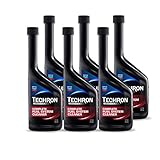
- For best performance, follow the manufacturer's recommendations in your vehicle owner’s manual.
- Cleans, restores, protects the entire fuel system (fuel injectors, carburetors, intake valves and combustion chambers)
- Restores: lost power, acceleration, lost fuel economy, and operation of the fuel gauge sensor
- Reduces: rough idle, engine surge, hesitation, and spark plus fouling
- Improves: cold start performance, and fuel stability for up to one year
How to assess a fuel-saving device before buying
- Ask for product-specific results. Look for independent measurements of the exact device, with the vehicles tested, test conditions, fuel-economy measurement method, and results disclosed. General testimonials or results for a different product do not establish what this device will do.
- Check regulatory evaluation records. The EPA operates a voluntary program that evaluates aftermarket retrofit devices and fuel additives claiming to improve fuel economy or reduce exhaust emissions. The EPA page reviewed here does not establish that Fuel Save Pro participated. See the EPA evaluation program.
- Do not treat a logo, testimonial, or refund policy as proof of savings. They do not substitute for independently measured performance. Review the seller’s terms carefully, but keep purchase protections separate from evidence that the device works.
- Consider vehicle risk before connecting anything. The reviewed sources do not establish the current device’s compatibility or effects on particular vehicles. Confirm compatibility and any relevant warranty or installation considerations with reliable documentation before use.
Historical category-wide findings should also be kept in context. In 2002, the FTC said that evaluations or tests of more than 100 purported fuel-saving devices and additives had found none to significantly improve gas mileage. That is historical evidence about a broad category, not a test of today’s Fuel Save Pro. Read the FTC’s 2002 statement.
Independent reader supportYour contribution helps us test, update, and keep practical guides available for everyone.What is a better-supported way to improve fuel economy?
Start with the vehicle’s maintenance guidance and efficient-driving habits rather than an unverified gadget. FTC consumer guidance recommends practical steps such as keeping tires properly inflated and driving efficiently. Use the pressure specified for your vehicle, typically shown on the driver-side door placard or in the owner’s manual—not the maximum pressure printed on the tire. A digital tire-pressure gauge can help check pressure, but it does not test Fuel Save Pro or prove that any device saves fuel. Read the FTC’s fuel-efficiency advice.
Rank #3

- DESIGNED TO EXCEED EXPECTATIONS: Red Line complete SI-1 fuel system cleaner treatment for cleaning and preventing corrosion in fuel systems
- PERFORM AND PROTECT: Fuel additive cleans injectors, carburetors, valve and combustion chamber deposits with a powerful, concentrated blend of high-temp and low-temp detergents
- EFFICIENT FUEL BURN: Gas treatment that enhances gasoline stability, while reducing the build up of gum and varnish formation
- EASY TO USE: Use one bottle per tank for most effective treatment, additive cleans nearly 100% efficiency in one treatment
- 15 Ounce (2 Pack)
In that 2005 release, then-FTC Bureau of Consumer Protection Director Lydia Parnes said: “The fact is that many products that claim to save fuel don’t work, and worse yet, may damage your car and end up costing you more.” This is general guidance about fuel-saving products, not a finding about the current OBD-II Fuel Save Pro.
Quick Recap
Rank #4

- Specially formulated to remove carbon deposits from engines with over 75,000 miles
- Cleans fuel injectors, intake valves, and ports to restore performance and fuel economy
- Prevents future carbon build-up and reduces emissions
- Oxygen sensor safe and safe for use in turbocharged and supercharged vehicles
- Will not void OEM/manufacturer's warranty
Product prices and availability are accurate as of the date/time indicated and are subject to change. Any price and availability information displayed on Amazon at the time of purchase will apply.