Windows Errors? Fix Them Before They Spread
Repair common Windows errors and clear accumulated junk for a smoother, more stable PC - no reinstall needed.Free scan · no reinstallOutdated Drivers Are Slowing You Down
One free scan finds every outdated or missing driver and matches the right update for your exact hardware.Free scan · exact hardware matchThe fastest way to narrow down a car heater problem is to separate airflow from temperature. If no air—or barely any air—comes from the vents, start with the blower, fuse, resistor or control module, wiring, and cabin-air filter. If airflow is strong but the air stays cold, check engine temperature, coolant level, heater-core flow, the heater-control valve, and the blend door.
The five causes below are diagnostic categories, not a universal ranking. The exact fault depends on the vehicle’s year, engine, cooling system, and HVAC design. Some cars use a heater-control valve to regulate hot coolant; others use a blend door to control how much air passes across the heater core. Some use both.
As an Amazon Associate I earn from qualifying purchases.
How a conventional car heater works
Most combustion-powered vehicles use engine heat to warm the cabin. Engine coolant absorbs heat from the engine and carries it through the cooling system. When the heater is selected, hot coolant flows through a small heat exchanger called the heater core, usually located behind the dashboard. The blower motor pushes cabin air across the heater core, and HVAC doors direct that air toward the floor, vents, or windshield.
The thermostat affects the process by controlling when coolant begins circulating through the wider cooling system. If the engine never reaches its normal operating temperature, the heater may not receive enough heat even if the blower and heater core are working correctly.
#1 Best Overall
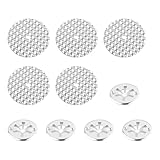
- Buyer's Note: Corresponding to OEM part numbers 6715468, N90335004, N90335006, N90796501, and N90796502, assure match with your vehicle. Verify OEM numbers before buying to avoid installation incompatibility issues
- Noise Reduction Repair: Heat shield spacers specifically address exhaust pipe rattling caused by rust damage to heat shields. By repairing and re-securing existing heat shields, they effectively reduce noise generated by component contact during driving
- Durable Materials: The heat shield repair kit utilizes metal and aluminum materials, offering rust resistance and high-temperature tolerance. These materials possess high strength and hardness, maintaining dimensional stability under extreme temperatures while resisting deformation and damage
- Quick Installation: Simply align the car heat shield gasket and the car heat shield clip with their mounting positions for instant secure attachment. Helpful Tip: Apply moderate force during installation to avoid deformation of the components
- Professional Kit: Each set includes 5 heat shield clips (2.04-inch diameter) + 5 heat shield washers (1.16-inch diameter), providing ample quantity for complete repair needs. Compact and lightweight accessories for easy vehicle storage and emergency use
That means a cold heater can be caused by either side of the system:
- Airflow problems: the blower is not operating, air intake is restricted, or an HVAC door is not routing air correctly.
- Heat or coolant-flow problems: the engine is too cool, coolant is low, air is trapped, the heater core is restricted, or a valve is preventing hot coolant from reaching it.
1. Low coolant or air trapped in the cooling system
The heater core depends on a sufficient supply of circulating coolant. If the coolant level is low, or if an air pocket has formed after a repair or leak, coolant may not flow through the heater core properly. The result can be weak heat, intermittent heat, or no heat at all.
Low coolant can come from an external leak, an incorrect refill, or another cooling-system fault. A low reservoir with no obvious explanation is a diagnostic clue—not a reason to keep topping off the reservoir indefinitely.
Symptoms that support this possibility
- The heater changes from cold to warm when you accelerate or climb a hill.
- You hear gurgling or sloshing behind the dashboard.
- The coolant reservoir is below its cold-fill marking.
- You see wetness or dried coolant residue around hoses, the radiator, water pump, or engine bay.
- The temperature gauge behaves abnormally or fluctuates.
- You smell coolant, notice damp carpet, or see unusual fogging on the windshield.
Safe first checks
- Park the vehicle, switch the engine off, and allow it to cool completely.
- Check the coolant reservoir against the markings in the owner’s manual.
- Inspect accessible hoses, the radiator area, water pump area, and the ground beneath the vehicle for signs of leakage.
- Confirm that the coolant type and mixture match the vehicle manufacturer’s requirements.
- If the system was recently drained or repaired, check the service information for the correct bleeding and refill procedure.
Never remove a radiator cap or pressurized degas-bottle cap while the engine is hot. Hot coolant can spray out and cause severe burns. Also avoid working near a running engine’s radiator fan, which may start automatically.
If you need to investigate a suspected external leak, an automotive cooling system pressure tester can help pressurize the system so leaks are easier to find. It is a diagnostic aid, not a complete diagnosis: you need the correct adapter and the vehicle-specific pressure limit, and the test procedure must be appropriate for that vehicle.
Disclosure: This article may contain affiliate links. If you buy through an approved link, the site may earn a commission at no additional cost to you.
Do not assume that adding coolant fixes the problem. If the level drops again, the leak must be located and repaired. An improperly filled system may also need to be bled according to the manufacturer’s procedure.
Do these 3 things before closing this tab:
1Fix the driver behind crashes, sound loss and screen glitches2Clear out junk files and repair common Windows errors3Scan for outdated or missing drivers - takes under a minuteRank #2

- Multipurpose Fit: Repairs at least 98% of the plastics on the market. Suitable for repairing: bumper, dashboard, lamp holder, plastic ring, radiator, spoiler, handles, headlights, plastic wings, car and motorcycle plastic device, etc
- Rapid Heating: Plastic Welding Kit select the correct staples, insert the brass holder, press the power button, 1-2 seconds to heat quickly, let the staple melt slowly into the plastic parts, prevent the staple from going through the plastic board. Equipped with a light on the front of our plastic welding machine, the operation is more convenient and safer
- Reliable Quality: Stainless steel staple will not rust and 6 types of staples to meet your different needs. The wavy staple design maximizes the load. Restore your broken parts, prolong its service life. Staple weld into the plastics quick and easily. Strong for shock and twist after repairing
- Easy Operation: Ergonomic design, suitable for palm. The rubber handle has a comfortable grip and will not feel tired for a long time holding. Quick and easy operation
- Portable Welder: Plastic Repair Welder Kit, Bumper Kayak Repair Kit will come with plastic welder, pliers, carry case, 150X 0.6mm flat staples, 150X 0.8mm flat staples, 200X 0.6mm wave staples, 300X 0.8mm wave staples, 100X 0.6mm inside corner staples, 100X 0.8mm outside corner staples
2. The thermostat is stuck open
A thermostat stuck open allows coolant to circulate too early. The engine then takes much longer than normal to reach operating temperature, especially in cold weather. Because the engine is not producing or retaining normal heat, the cabin may receive only lukewarm air.
Signs of a thermostat stuck open
- The temperature gauge stays noticeably below its usual position.
- The engine takes many miles or an unusually long time to warm up.
- The heater becomes warmer during extended driving but never gets properly hot.
- Fuel economy may be worse than usual because the engine is running below its intended temperature.
These symptoms can also be caused by a faulty coolant-temperature sensor, gauge, wiring, or engine-management issue. A gauge that reads low does not prove that the thermostat is faulty.
Do not confuse this with a thermostat stuck closed. A stuck-closed thermostat can prevent normal coolant circulation and cause overheating. Overheating is an engine-protection emergency, not simply a heater-comfort problem. If the temperature gauge rises into the hot zone, a warning appears, steam is visible, or coolant is boiling, stop driving when safe and arrange immediate diagnosis.
Thermostat testing and replacement are vehicle-specific. The correct thermostat temperature, housing procedure, gasket or seal requirements, tightening specifications, coolant refill, and air-bleeding process vary by vehicle. A generic boiling-water test is not a substitute for the manufacturer’s service information.
3. The heater core is blocked or restricted
The heater core contains narrow coolant passages. Contaminated coolant, corrosion, incompatible coolant mixtures, sealant debris, or neglected maintenance can restrict those passages. The engine may still circulate coolant normally through the rest of the cooling system while insufficient coolant flows through the heater core.
Symptoms of a restricted heater core
- Airflow is strong, but the air remains cold or only mildly warm.
- The engine reaches its normal operating temperature.
- Coolant level is correct and there is no obvious active leak.
- One heater-core hose is substantially hotter than the other after the engine reaches operating temperature.
A large temperature difference between the heater-core inlet and outlet hoses can support a restricted-core diagnosis, but touching hoses is not a conclusive test. They can be hot enough to burn you, and the difference may have other explanations. A technician may compare inlet and outlet temperatures with suitable equipment, verify coolant flow, and determine whether the core can be flushed safely.
Rank #3

- 【All-in-One Maintenance Solution】Diesel heater glow plug repair kit includes 1 high-performance replacement spark plug and a full set of repair tools, covering core needs for diesel heater troubleshooting, ignition system repair, and routine upkeep
- 【Gasekts Fit for 5KW & 8KW Diesel Heater】The gasket is precisely sized to fit 5KW & 8KW 12V/24V/110V diesel heaters. You can easily replace the gasket using the hex wrench included in the kit, with no additional tools required
- 【Diesel Heater Temperature Sensor】Temperature sensor of diesel heaters is fits most models of diesel heaters, it is made of high-quality materials, resistant to high temperatures, durable for long-term use and easy to replace
- 【Durable & Reliable Components】Glow plug for diesel heater features corrosion-resistant nickel alloy electrodes for stable ignition; repair tools are crafted from high-strength carbon steel, ensuring durability and easy disassembly. If you want your diesel heater to continuously provide heat for you even in the cold outdoors, it will be an essential diesel heater parts
- 【12PCS Included Components】Glow plug repair kit includes the basic replacement tool you need. It includes: 2 sets(4 pieces) of motor and combustion chamber sealing gaskets, 2pcs of atomizing screens, 1pc of diesel heater temperature sensor, 1pc of glow plug, 1pc of special hook for cleaning carbon deposits and atomizing screen, 1pc of special socket for glow plug, 1pc of special installation rod for atomizing screen, 1pc of M4 hex wrench
Do not use an indiscriminate chemical flush or stop-leak product as a first response. These products may create additional restrictions or damage components, and they do not repair a heater core that is leaking or structurally damaged.
Depending on the vehicle and the condition of the system, the repair may involve correcting contaminated coolant and carefully flushing the heater core in the permitted direction, or replacing the core. Heater-core replacement can be labor-intensive because the component may require substantial dashboard or HVAC-case disassembly.
When a heater core may be leaking
A restricted core mainly reduces coolant flow. A leaking core can send coolant into the cabin. Coolant odor, damp carpet—often on the passenger side—and a greasy or persistent film on the windshield are warning signs. Interior coolant leakage should be repaired promptly. It can damage interior components, create unpleasant fumes, and eventually contribute to coolant loss or overheating.
4. The blower motor, fuse, resistor, or HVAC control has failed
If little or no air comes from the vents, the problem may not involve coolant at all. The blower motor moves air through the HVAC case, and its operation depends on fuses, wiring, a resistor or electronic control module, and the HVAC control system.
Use the airflow symptom to narrow the branch
| Symptom | Likely diagnostic direction |
|---|---|
| No airflow at any fan speed | Check the fuse, power and ground, blower motor, wiring, and HVAC control. |
| Airflow works on only one speed | A blower resistor or electronic blower-control module is a common direction, though the exact design varies. |
| Airflow is weak on every speed | Inspect an accessible cabin-air filter, fresh-air intake, ducts, blower wheel, and blower motor. |
| Airflow is strong but the temperature is wrong | Move to the coolant, heater-core, heater-valve, and blend-door checks. |
A failed resistor often affects selected fan speeds, but not every vehicle uses a traditional, serviceable resistor. Some use an electronic control module or another blower-control design.
Safe checks you can make
- Try every fan speed and listen for any change in blower operation.
- Use the owner’s manual to locate the HVAC or blower fuse.
- Check that the fuse is intact and replace it only with the specified rating.
- Inspect an accessible cabin-air filter and replace it if it is blocked, damaged, or installed incorrectly.
Never install a higher-rated fuse or bypass a fuse. A fuse protects the wiring; repeated fuse failure points to an electrical fault that needs diagnosis. Testing power, ground, wiring, and control signals beyond these basic checks requires a wiring diagram and appropriate test equipment.
Rank #4

- Smart repair - this HVAC heater hose connector kit makes it easy to repair a leaking hose connector
- Complete kit - includes 1 Y fitting, 1 length of hose and 4 clamps
- Upgraded Y-connector - constructed of aluminum instead of failure-prone plastic factory design
- Quality engineering - designed in the United States and backed by decades of automotive aftermarket experience
- Ensure fit - to make sure this part fits your exact vehicle, input your make, model and trim level into the garage tool
5. A heater-control valve or blend-door actuator has failed
Some vehicles use a heater-control valve to regulate hot coolant entering the heater core. If the valve is stuck closed, disconnected, leaking, or not receiving its proper control signal, the engine can be at normal temperature while the heater remains cold.
Other vehicles use a blend door. This door routes air across the heater core or around it to control outlet temperature. An electric blend-door actuator moves the door in response to commands from the HVAC controller. A failed actuator, damaged door, calibration problem, wiring fault, or control-module issue can leave the door in the cold-air position.
Symptoms that point toward a valve or blend door
- The engine reaches normal operating temperature.
- Coolant level is correct.
- Airflow is strong.
- The air remains cold despite selecting maximum heat.
- One side of a dual-zone system is hot while the other side is cold.
- You hear clicking, tapping, or repeated movement behind the dashboard when changing temperature settings.
Clicking can suggest worn actuator gears or a calibration problem, but the noise alone does not identify the failed component. A vehicle may require testing of the actuator position, HVAC control signal, vacuum supply, valve operation, or a calibration procedure. Access can also be difficult, so a vehicle-specific repair procedure is safer than assuming every actuator or valve is replaced the same way.
Replacement parts must match the vehicle’s year, make, model, engine, HVAC configuration, and sometimes production date. Only consider a vehicle-specific thermostat, heater-control valve, blend-door actuator, blower component, or cabin-air filter after the diagnosis identifies the component and the part’s fitment has been confirmed.
Recommended Free Tools
A practical diagnosis sequence
Follow this order to avoid replacing a thermostat when the real problem is a fuse, or replacing a blend-door actuator when the engine is low on coolant.
- Check for airflow. If there is no airflow, start with the blower setting, fuse, motor, resistor or control module, wiring, and cabin-air filter.
- Check engine operating temperature. If the engine never reaches its normal temperature, investigate a stuck-open thermostat, temperature sensor, gauge, or another engine-temperature issue.
- Check coolant level cold. If it is low, investigate the source of the loss and follow the specified refill and bleeding procedure.
- Evaluate heater-core flow. With the engine at operating temperature and appropriate precautions, compare heater-core inlet and outlet temperatures using a safe, suitable method. A substantial difference may justify professional flow testing or a permitted flush.
- Check temperature control. If airflow is strong, engine temperature is normal, and heater-core flow is adequate, investigate the heater-control valve, blend door, actuator, calibration, and HVAC controls.
What not to do
- Do not open a hot radiator or pressurized coolant reservoir.
- Do not continue driving normally if the vehicle is overheating or losing coolant.
- Do not keep topping up coolant without finding out why the level is falling.
- Do not mix coolant types unless the vehicle manufacturer permits it.
- Do not use stop-leak products as a substitute for diagnosing a leak or restricted heater core.
- Do not replace a fuse with a higher rating or bridge the fuse with wire.
- Do not order a thermostat, actuator, valve, or blower part without confirming exact vehicle fitment.
When the problem needs prompt attention
A heater that is merely lukewarm may be inconvenient, but some associated symptoms indicate a cooling-system or visibility problem. Arrange prompt professional diagnosis if you notice coolant loss, coolant odor inside the cabin, damp carpet, windshield fogging, overheating, steam, an unstable temperature gauge, or loss of windshield defrost performance.
Before buying a part, record the vehicle’s year, make, model, engine, transmission if relevant, and HVAC configuration. Then use the owner’s manual and vehicle-specific service information for coolant specifications, fuse ratings, thermostat procedures, component locations, and bleeding instructions.
Best Value

- Compatible with: Chevy Camaro 95 96 97 98 99 00 01 02, Pontiac Firebird 95-02; For more models, please refer to the list below
- Enhances the reliability and longevity of the vehicle's heating system
- Helps prevent coolant leaks: Reduces the risk of engine overheating and damage
- Installation: Easy to install; Plug and Play; No special tools needed for installation; Save time and effort
- After-sales Service: Experienced customer service resolves inquiries promptly; Professional technicians provide support anytime
Frequently Asked Questions
Why is my car heater blowing cold air but the engine is not overheating?
The likely categories include low coolant or trapped air, a thermostat that is stuck open, restricted heater-core flow, a heater-control valve, or a blend-door actuator. If airflow is weak or absent, check the blower system before diagnosing coolant flow.
Quick wins for a faster PC:
Clear out junk files and repair common Windows errorsFree Scan →Fix the driver behind crashes, sound loss and screen glitchesFind Drivers →Can low coolant make the heater stop working?
Yes. The heater core needs circulating coolant to transfer heat into the cabin. Low coolant can reduce flow through the core, but repeatedly adding coolant is not a repair. The cause of the coolant loss must be found.
Why does my heater work when I accelerate but not at idle?
That pattern can occur when coolant level is low, air is trapped in the cooling system, or coolant flow through the heater core is restricted. Check the level only with the engine completely cold and follow the vehicle’s specified refill and bleeding procedure.
What does it mean if one side of the heater is hot and the other is cold?
On a dual-zone vehicle, that symptom can point to a blend-door actuator, temperature door, control signal, or calibration problem. A restricted heater core or another HVAC fault can also be involved, so the symptom is not conclusive by itself.
Is a stuck-closed thermostat the reason my heater is not working?
Usually not. A stuck-open thermostat commonly causes slow warm-up and lukewarm heat. A stuck-closed thermostat is more associated with overheating. If the engine is overheating, stop treating the issue as a heater problem and seek immediate diagnosis.
The Tool Desk
Outbyte PC Repair FREERepair Windows errors before they cause bigger problemsFix Now →Outbyte Driver Updater FREEFix the driver behind crashes, sound loss and screen glitchesFind Drivers →The Bottom Line
Start with the split that matters most: no airflow means investigate the blower and electrical/airflow system; strong airflow with cold air means investigate engine temperature, coolant level, heater-core flow, the heater-control valve, and the blend door. Do not open a hot cooling system, ignore coolant loss or overheating, or buy a vehicle-specific part until the diagnosis and fitment are confirmed.
Quick Recap
Product prices and availability are accurate as of the date/time indicated and are subject to change. Any price and availability information displayed on Amazon at the time of purchase will apply.




