Do these 3 things before closing this tab:
1Clear out junk files and repair common Windows errors2Fix the driver behind crashes, sound loss and screen glitches3Repair Windows errors before they cause bigger problemsA squeal when you turn the wheel slightly right can come from the steering system, a belt, tires, or nearby suspension parts—but the direction alone does not identify a failed part. If your car has hydraulic power steering, a slipping pump belt or low or contaminated fluid are possibilities. Electric power steering has no hydraulic pump or fluid, so those explanations may not apply. Note when the noise occurs and whether steering feels different; arrange an inspection if it persists, fluid is leaking, or steering effort changes.
What a right-turn-only squeal can—and cannot—tell you
The sound’s timing and character can help narrow the possibilities, but “only when turning right slightly” is not enough to diagnose a component or determine which side has failed. Steering noise can involve different systems, and the cause may depend on whether the car is moving. Cars.com lists a slipping pump belt or insufficient or contaminated fluid among possible causes on hydraulic systems; low tire pressure, oversized tires, suspension issues, and other steering problems can also make noise. Cars.com’s overview of steering noises also explains that electric power steering works differently from hydraulic systems.
First identify the steering system
Check your owner’s manual or vehicle information to see whether the car has hydraulic or electric power steering. Do not assume it has a pump, belt, or fluid reservoir. Even if it is hydraulic, those parts are only candidate causes until inspected.
Separate stationary noise from moving noise
Notice whether the squeal can be reproduced while parked or happens only while driving. If it occurs only in motion, note whether speed, braking, bumps, or suspension movement changes it. Also note whether it seems to come from the engine bay, steering column, or a wheel, but treat that perceived location as a clue—not proof of where the fault is.
#1 Best Overall
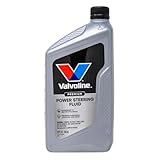
- Auto & Truck Maintenance
- Country of manufacture: United States
- Manufacturer: VALVOLINE
Clues that make an inspection more urgent
AAA Club Alliance notes that a high-pitched squeal at startup may point to a worn belt, while whining, groaning, or grinding at low speed can be associated with low or dirty power-steering fluid on hydraulic vehicles. Stiff steering and reddish or amber fluid beneath the car are additional warning signs. These symptoms do not establish the cause, but they are useful to report to a technician. See AAA’s guidance on noises when turning.
- Fluid visible under the car: Arrange an inspection promptly; do not assume the fluid is power-steering fluid based on color alone.
- Changed or stiff steering effort: Have the vehicle checked rather than continuing to drive as usual.
- Warning light or persistent squeal: Record when it appears and arrange a qualified inspection.
- Steering control becomes difficult: Stop when safe and arrange assistance.
Similar descriptions can refer to different vehicle-specific conditions. For example, a GM bulletin from October 2013 addressed a steering-noise issue only on specified 2010–2011 Buick LaCrosse vehicles with variable-effort power steering, directing technicians to check whether a line contacted the body. A Ford bulletin from November 2013 described pump squeal at full steering stops on specified 2011–2013 Edge and MKX vehicles. Neither bulletin diagnoses an unknown vehicle; they illustrate why the exact model and verified noise source matter. See the GM bulletin and Ford bulletin.
Rank #2

- Engineered Stop Leak Protection: Specially formulated to condition and rejuvenate worn seals, helping stop existing leaks and preventing future fluid loss for smoother steering performance
- Long-term system durability: Provides advanced protection against wear and tear in the power steering system, ensuring reliable operation and extending component life under demanding conditions
- Anti-foaming and oxidation control: Reduces fluid breakdown, prevents harmful foam formation, and resists oxidation, keeping the steering system clean and responsive over time
- Seal Conditioning Benefits: Rejuvenates aged seals, restores flexibility, and helps reduce cracking or wear that commonly leads to power steering leaks.
- Recommended Applications: Suitable for ABS, disc, and drum braking systems meeting GM 1050017, Chrysler Spec 5931, and Ford Spec M2C195-A requirements
Safe checks you can make before booking service
- Write down the conditions: Record whether the car is parked or moving, the approximate speed, whether braking or bumps affect the squeal, and whether the steering feels normal. Note any warning lights or visible fluid.
- Check the manual for the steering type: Confirm whether the car uses hydraulic or electric power steering before considering fluid or pump explanations.
- If there is a hydraulic reservoir, follow the manual: Check the level only as instructed and use only the fluid specification listed for your vehicle. Fluid requirements vary. AAA recommends consulting the owner’s manual.
- Do not apply belt dressing: Dayco advises against it. Its belt FAQ also explains that oil, power-steering fluid, antifreeze, and other petroleum lubricants can contaminate a belt; belt tension, pulley condition, alignment, and contamination need inspection.
- Book a qualified inspection if the noise persists or warning clues appear: A technician can verify the steering system and trace the sound before recommending a repair.
Why a part or fluid cannot be recommended from the symptom alone
A belt, pump, fluid, tire, or suspension repair cannot be selected reliably from the turning direction alone. The vehicle’s year, make, model, steering design, and inspection findings matter. Replacing a belt or adding fluid without confirming the system and cause may not address the noise; using the wrong fluid can also be unsuitable for the vehicle. There is no universal part or fluid recommendation for this symptom.
Quick Recap
Best Value
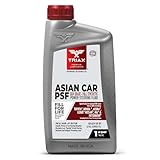
- ALL ASIAN CAR COVERAGE: Fully compatible with all Asian vehicles, including Subaru, Honda, Toyota, Lexus, Acura, and Mitsubishi
- TOP-TIER QUALITY: It outperforms OEM fluids by delivering an extended lifespan, improved steering, enhanced thermal stability, and flawless operation
- SMOOTH & RESPONSIVE STEERING: This fluid guarantees consistent flow and pump performance, eliminating "squishy" or "hard" steering for up to 250,000 miles
- TOTAL SEAL PROTECTION: A special seal elastomer additive keeps seals pliable and protected, preventing cracking and leaks and reducing maintenance costs
- EXTREME COLD PERFORMANCE: With a very low pour point, it’s ideal for winter use down to -50°F, ensuring reliable and smooth operation in harsh cold climates
Rank #4

- REDUCES NOISE AND SMOOTHES OUT HARD STEERING: A unique dual cavity bottle containing a combination of the best performance additives to repair the most common power steering fluid related problems.
- STOPS LEAKS AND RECONDITIONS RACK & PINION: Power Steering Repair can be used to top-off the existing fluid when low, or add a bottle when changing fluid.
- RESTORES PREFORMANCE: Works on all vehicles, domestic and import.
- ADDS PROTECTION: Compatible with ALL types of power steering fluid or ATF, including petroleum, mineral oil and synthetic formulas.
- REPAIR-IT: Power Steering Repair-It works with all types of power steering fluid or ATF
Rank #3
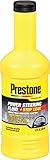
- 50,000 mile fluid life
- Includes Stop Leak additives to prevent and stop power steering system leaks
- Anti-wear protection increases system life; protects against pump failure, squeals and clogs; corrosion protection for metals, rubber & gasket components
- Conventional formula; for use in all manufacturers
- Size: 12 oz.
Product prices and availability are accurate as of the date/time indicated and are subject to change. Any price and availability information displayed on Amazon at the time of purchase will apply.
Free tools Windows power users keep installed
One-click scans. No signup required.