Your car feels “anemic” when it is slow to respond, flat when you press the accelerator, or struggles to climb a hill it used to handle easily. In practical terms, the engine is making less power than normal, or the car’s control system is holding power back on purpose. “Anemic” describes the feeling, not the cause. The same symptom can come from a clogged air filter, a fuel-delivery problem, worn ignition parts, an exhaust restriction, an engine-control or emissions fault, or a mechanical problem inside the engine. No single part is the automatic fix.
What weak acceleration means
An engine makes power by combining air and fuel, igniting the mixture at the right moment, and exhaling the burned gases through the exhaust. If any of those steps is restricted, mistimed, or starved, the car feels weak. Modern vehicles add a second layer: the engine-control system can deliberately reduce output when it detects a fault or a condition that could damage the engine. That is why a weak car can be either a component problem or a protective response, and why the pattern of symptoms matters more than the feeling alone.
Possible causes
The categories below are the ones manufacturer and service documentation point to. They are not ranked by how often they occur, because no reliable frequency data for this symptom is available across vehicles.
Restricted air intake
A dirty or obstructed engine air filter can limit the air reaching the engine. Nissan’s parts-store guide, dated November 4, 2021, describes sluggish acceleration as one possible effect of a dirty engine air filter, and the effect depends on the vehicle and the filter’s condition. A dirty filter is a reason to inspect the air path, not proof that it is the cause. Many cars with a visibly dusty filter drive normally, and a weak car may have an entirely different problem.
#1 Best Overall

- DESIGNED TO EXCEED EXPECTATIONS: Red Line complete SI-1 fuel system cleaner is a premium fuel additive, providing an effective fuel treatment solution to clean and prevent corrosion in fuel systems.
- PERFORM AND PROTECT: Fuel additive cleans injectors, carburetors, valve and combustion chamber deposits with a powerful, concentrated blend of high-temp and low-temp detergents
- EFFICIENT FUEL BURN: A gas treatment that enhances gasoline stability, while reducing the build up of gum and varnish formation, leading to smoother operation and increased power output.
- EASY TO USE: Use one bottle of Redline Fuel System Cleaner per tank for most effective treatment, additive cleans nearly 100% efficiency in one treatment
- ENAHNCED ENGINE EFFCIENCY: Experience improved fuel economy and engine performance with Red Line 60103 SI-1 Complete Fuel System Cleaner, as it effectively removes deposits, for enhanced exhaust system function
Fuel delivery and fuel quality
A restricted fuel filter, contaminated fuel, or incorrect fuel pressure can leave the engine short of fuel under load. A service diagnostic reference for a 2002 Saturn SL lists these among its checks for lack of power. That reference is specific to one model and is not a universal diagnostic procedure, so treat it as an example of what technicians check, not as a checklist for your car.
Ignition and combustion
Worn or fouled spark plugs can cause incomplete combustion, which feels like a loss of power. The same Saturn reference includes spark plugs in its lack-of-power checks. Misfiring, stumbling, or a rough idle points more toward this category than a smooth but weak response does.
Exhaust restriction
A restricted exhaust, including a failing catalytic converter, makes it harder for the engine to expel spent gases and can reduce power. The Saturn reference lists exhaust restriction among its checks. Kia’s 2024 owner manual also notes that a malfunction indicator can point to an emissions-related fault and possible catalytic-converter damage associated with loss of engine power.
Rank #2

- DESIGNED TO EXCEED EXPECTATIONS: Red Line complete SI-1 fuel system cleaner treatment for cleaning and preventing corrosion in fuel systems
- PERFORM AND PROTECT: Fuel additive cleans injectors, carburetors, valve and combustion chamber deposits with a powerful, concentrated blend of high-temp and low-temp detergents
- EFFICIENT FUEL BURN: Gas treatment that enhances gasoline stability, while reducing the build up of gum and varnish formation
- EASY TO USE: Use one bottle per tank for most effective treatment, additive cleans nearly 100% efficiency in one treatment
- 15 Ounce (2 Pack)
Engine controls and protection mode
Some vehicles limit power when they detect a fault or a protective condition. Kia’s manual documents power limitation tied to low oil pressure. Ford’s owner-manual information messages include a model-specific “Engine Power Reduced Inspect Air Filter” message, which calls for inspecting the engine air filter. The meaning of any message depends on the vehicle and the exact wording on your dashboard, so check the owner manual for your car.
Free tools Windows power users keep installed
One-click scans. No signup required.
Mechanical condition
Valve timing, compression, and camshaft wear are listed in the Saturn reference as causes of lost power. These problems require diagnostic testing, such as measuring compression or inspecting timing, and cannot be confirmed by a parts swap. If the car has high mileage or a sudden loss of power with no warning light, a technician should evaluate the engine’s internal condition.
Read warning lights and messages first
Warning lights and dashboard messages are the fastest way to narrow the problem. Note exactly what appears and when.
Rank #3
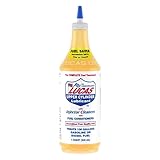
- The world’s #1 fuel additive for both gasoline and diesel engines
- A great tune-up in a bottle – treats gasoline, diesel fuel and increases MPG
- Cleans and lubricates the fuel system, including fuel injectors, carburetor and combustion chamber
- Improves fuel economy by burning excess exhaust emissions
- Increases power and acceleration by improving fuel flow and reducing deposit buildup
- Check engine or malfunction indicator light: Kia’s 2024 manual says this light can relate to the emissions system, the engine, the powertrain, or the active air flap. If it is on with reduced power, get the diagnostic trouble codes read before replacing parts.
- Reduced-power or “inspect air filter” message: On some Ford vehicles, the message “Engine Power Reduced Inspect Air Filter” calls for an air-filter inspection. Ford’s online owner-manual page for a specific vehicle is the authoritative reference for that vehicle, and the manual notes that online content may differ from the manual supplied with your car.
- Oil-pressure and temperature warnings: These are covered in the safety section below, because they call for immediate action.
Match the symptom pattern to the likely area
The table below is a starting point for organizing your observations. It does not diagnose the car, and each entry should be confirmed by inspection or testing.
| Symptom pattern | Areas to consider | What to note or check |
|---|---|---|
| Rough idle, stumbling, or misfire under load | Ignition (spark plugs), fuel delivery | Note when the roughness starts and whether a misfire code is stored. |
| Smooth but weak response, gradual over weeks or months | Air intake restriction, exhaust restriction, mechanical wear | Inspect the air filter if the manual allows. A gradual decline is harder to attribute to one part. |
| Sudden loss of power, with or without a warning light | Engine-control protection mode, fuel delivery, a fault that needs codes | Record the exact message and any code. Stop safely if oil pressure or temperature warnings appear. |
| Engine revs higher but the car does not gain matching speed | Possibly beyond engine power output, including the drivetrain | The sources cited here do not establish a transmission diagnosis. Tell the technician about this pattern specifically. |
| Weak only when cold or only when hot | Not stated by the sources cited | Record the temperature and conditions. A technician can use this to narrow the test sequence. |
Checks you can do safely
- Find the owner manual for your year, make, model, and engine, and locate the exact warning message on your dashboard.
- Write down the conditions: whether the loss of power is sudden or gradual, whether it happens cold, hot, at idle, or under load, your fuel type, and your mileage.
- If you have a code reader, record any diagnostic trouble codes before clearing them. Clearing codes can erase information a technician needs.
- If your manual says the engine air filter is accessible, remove the housing cover as described in the manual and look at the filter. A filter that is dark with dirt or clogged with debris is a candidate for replacement under the maintenance schedule, but a clean-looking filter does not rule out other causes.
- Stop there. Do not probe fuel-system components, touch hot parts, or work on emissions equipment yourself.
If you do replace the air filter, buy a replacement engine air filter that matches your car’s year, make, model, and engine. A filter for a different engine may fit poorly or fail to filter properly, and replacing it will not necessarily restore power.
What’s actually slowing this PC down?
Pick the symptom - the matching free tool is one click away.
Stop driving when warnings are urgent
Kia’s 2024 owner manual says that low oil pressure can activate an engine-protection system that limits power, and it instructs drivers to pull over safely and stop when oil pressure is low, warning that continued driving can cause engine failure. The same manual says not to keep driving with an overheated engine. If the oil-pressure or temperature warning appears, stop safely and follow your vehicle’s manual. If you cannot stop safely, call roadside assistance.
Rank #4

- Specially formulated to remove carbon deposits from engines with over 75,000 miles
- Cleans fuel injectors, intake valves, and ports to restore performance and fuel economy
- Prevents future carbon build-up and reduces emissions
- Oxygen sensor safe and safe for use in turbocharged and supercharged vehicles
- Will not void OEM/manufacturer's warranty
When to get professional diagnosis
- A warning light stays on after you have checked the owner manual.
- The loss of power is severe, or the car struggles to keep up with traffic.
- The engine runs roughly, shakes, misfires, or stalls.
- You hear unusual noises or notice a sudden change in how the car drives.
- The engine revs without the car gaining speed.
- The cause is unclear after your own checks.
A technician can read stored codes, test fuel pressure, check the ignition system, measure compression, and inspect the exhaust. Ask for the test results, not just a repaired part, so you know what was confirmed.
Manufacturer references: Nissan’s guide to dirty engine air filters, Ford’s engine air filter information messages, and Kia’s 2024 warning lights section. The Ford page is for one specific vehicle and the Kia page is for one model year and market.
Quick Recap
Product prices and availability are accurate as of the date/time indicated and are subject to change. Any price and availability information displayed on Amazon at the time of purchase will apply.




