Quick wins for a faster PC:
Scan for outdated or missing drivers - takes under a minuteDriver Scan →Clear out junk files and repair common Windows errorsFree Scan →Fix the driver behind crashes, sound loss and screen glitchesFind Drivers →U.S. gas prices rose in early April 2024 because crude oil became more expensive while refinery problems and maintenance constrained gasoline production. The seasonal shift to summer-grade fuel added cost, too. But prices did not rise every week: AAA’s national average reached $3.67 per gallon on April 18, then eased to $3.65 on April 25. These are historical conditions, not current prices.
What happened to gas prices in April 2024?
AAA reported a national average of $3.56 per gallon on April 4, up three cents from the previous week, 21 cents from a month earlier and six cents from a year earlier. The average then rose to $3.67 on April 18 before falling to $3.65 on April 25. The month’s broader spring rise was therefore a trend, not a steady week-by-week climb.
Several forces shaped that pattern: crude-oil prices and global supply concerns, reduced refinery output and gasoline inventories, and the seasonal transition to summer fuel. Demand also shifted from week to week, while local taxes and supply conditions meant drivers did not all see the same prices.
Why did crude oil put upward pressure on gasoline?
Crude oil is a major input in gasoline production, so higher crude prices can raise the cost of making fuel. The U.S. Energy Information Administration (EIA) said crude accounted for 56% of the cost to produce a gallon of gasoline in March 2024. That is a production-cost share for that month—not an exact breakdown of the price drivers paid at the pump in April. EIA’s April analysis provides that context.
#1 Best Overall

- ENZYME TECHNOLOGY - Uses enzyme technology designed to help engines start more reliably and run cleaner, even after periods of inactivity
- SAY GOODBYE TO ETHANOL-RELATED PROBLEMS - Prevents and cures most ethanol-related issues, including poor performance, rough idling, and decreased fuel economy, giving you peace of mind on the road or on the water
- MAXIMIZE FUEL ECONOMY - By removing and preventing gum, carbon deposits, and varnish build-up, Star Tron keeps your fuel delivery system clean, resulting in improved fuel economy
- WORKS FOR ALL ENGINES AND FUEL TYPES - Whether you have a car, boat, RV, or lawn mower, Star Tron works in all engines and all fuels, making it the ideal fuel treatment and stabilizer for any vehicle
- PREVENT WATER BUILD-UP - Helps prevent phase separation by dispersing water throughout fuel as submicron-sized droplets that are safely eliminated while the engine operates, keeping your engine running smoothly in humid or wet conditions
In the same analysis, EIA reported that Brent crude rose 20%, from $76 per barrel on January 2 to $91 per barrel on April 5. Tensions in the Middle East—including Houthi attacks on Red Sea shipping and Israel-Iran military actions—raised concerns about possible supply disruptions. Voluntary OPEC+ production cuts also put pressure on global inventories and crude prices.
AAA’s April 4 report recorded a related market signal: West Texas Intermediate (WTI) settled at $85.43 per barrel on April 3. AAA said concerns about overseas oil supplies were keeping prices elevated. These events contributed to market risk; they do not mean that any one event alone determined the price at the pump. AAA’s April 4 update includes the dated figures.
Rank #2

- CLEANS FUEL SYSTEM: Hot Shot’s Secret Gasoline Extreme is designed to thoroughly clean, lubricate, and safeguard all components of a gasoline engine & fuel system, such as valves, pumps, injectors, rings, pistons, and upper cylinders.
- BOOSTS FUEL ECONOMY: By thoroughly cleaning the fuel system, this fuel additive boosts MPG up to 7.9%, ensures combustion efficiency, & engine power, resulting in a smoother & more efficient driving experience.
- FIXES ISSUES: This fuel treatment addresses common issues associated with rough-running engines in a single treatment. Designed to improve fuel economy, smooth out idling, & unclog fuel injectors, this will have your engine running great again!
- RESTORES PERFORMANCE: High-performance cleaner that utilizes P.E.A. technology to deeply clean & restore engine power, dissolve gum & varnish buildup, removes deposits from the combustion chamber, resulting in improved overall engine performance.
- EASY TO USE: With a simple application of 12 oz. for every 20 gallons of gasoline, this product is easy to use! Just pour it into your fuel tank during your next fill up or every 10,000 miles
How did refinery problems and low stocks affect supply?
Refineries convert crude oil into gasoline and other products. When they operate below capacity, produce less gasoline or shut down unexpectedly, supplies can tighten—particularly in regions with limited access to fuel from elsewhere.
EIA reported that U.S. refinery utilization fell 11% from early January 2024, reaching 81% in the weeks ending February 9 and 16. It attributed reduced operations in the Midwest and Gulf Coast to cold-weather problems, early planned maintenance and the unplanned shutdown of BP’s Whiting refinery in Indiana. Lower production contributed to reduced gasoline inventories in key regions. EIA’s refinery analysis describes the operational constraints.
The Tool Desk
Outbyte PC Repair FREERepair Windows errors before they cause bigger problemsFix Now →Outbyte Driver Updater FREEScan for outdated or missing drivers - takes under a minuteDriver Scan →Rank #3

- The world’s #1 fuel additive for both gasoline and diesel engines
- A great tune-up in a bottle – treats gasoline, diesel fuel and increases MPG
- Cleans and lubricates the fuel system, including fuel injectors, carburetor and combustion chamber
- Improves fuel economy by burning excess exhaust emissions
- Increases power and acceleration by improving fuel flow and reducing deposit buildup
AAA’s April 4 report, citing new EIA data, said domestic gasoline stocks fell by 4.2 million barrels to 227.8 million barrels in the latest reported week. EIA’s April outlook also said lower refinery production and higher net exports had caused stronger-than-expected inventory draws. It lowered its forecast for end-of-period motor gasoline stocks in the second quarter by almost 7 million barrels compared with its March outlook, and expected inventories to average about 4 million barrels below the prior forecast through 2024. Those were April forecasts, not final inventory results. The April 2024 Short-Term Energy Outlook records those projections.
Why does spring’s switch to summer gasoline matter?
Gasoline is formulated differently by season. Summer gasoline must be less prone to evaporating in warm weather, and refiners use more expensive components to meet that requirement. The transition can add production costs as refiners change their blends. EIA also notes that prices have historically tended to rise in spring and peak in late summer, when driving increases. EIA’s explanation of gasoline pricing covers both seasonal fuel specifications and demand patterns.
Rank #4

- DESIGNED TO EXCEED EXPECTATIONS: Red Line complete SI-1 fuel system cleaner treatment for cleaning and preventing corrosion in fuel systems
- PERFORM AND PROTECT: Fuel additive cleans injectors, carburetors, valve and combustion chamber deposits with a powerful, concentrated blend of high-temp and low-temp detergents
- EFFICIENT FUEL BURN: Gas treatment that enhances gasoline stability, while reducing the build up of gum and varnish formation
- EASY TO USE: Use one bottle per tank for most effective treatment, additive cleans nearly 100% efficiency in one treatment
- 15 Ounce (2 Pack)
As historical context, EIA found that average U.S. retail regular-gasoline prices in August were about 40 cents per gallon higher than January averages across 2004–2023. That long-run seasonal difference is not a measurement of how much the fuel change added to prices in April 2024.
Independent reader supportYour contribution helps us test, update, and keep practical guides available for everyone.Did demand keep pushing prices higher all month?
No. Demand data varied, and demand was not a one-way explanation for the price rise. In its April 4 update, AAA said gasoline demand rose from 8.72 million barrels per day to 9.23 million barrels per day in the latest reported week. By April 18, AAA described demand as lackluster even as the national average rose four cents to $3.67 per gallon. It noted that oil had fallen several dollars from its recent high and that demand might lull between spring breaks and Memorial Day. AAA’s April 18 update details that pause in momentum.
Best Value
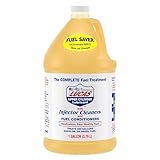
- The world’s #1 fuel additive for both gasoline and diesel engines
- A great tune-up in a bottle – treats gasoline, diesel fuel and increases MPG
- Cleans and lubricates the fuel system, including fuel injectors, carburetor and combustion chamber
- Improves fuel economy by burning excess exhaust emissions
- Increases power and acceleration by improving fuel flow and reducing deposit buildup
By April 25, the national average had slipped two cents to $3.65. AAA cited subdued domestic demand and retreating oil costs. The shift illustrates how crude prices, refinery supply, inventories and driving demand can pull in different directions over short periods. AAA’s April 25 update reports the decline.
Why did prices vary from one region to another?
A national average does not describe every driver’s experience. Local supply and demand, transportation links, state taxes and fuel specifications all affect retail prices. EIA says West Coast prices are often higher because the region is less connected to other refining centers, local supply-demand conditions can be tight, several states have higher-than-average taxes, and California’s fuel specifications can cost more to meet. Gulf Coast prices are usually lower because the region has more than half of U.S. refining capacity and produces more gasoline than it consumes.
For a dated regional illustration—not an April comparison—EIA reported May 20 averages of $4.62 per gallon on the West Coast and $3.11 on the Gulf Coast. EIA’s regional analysis gives the figures and explains the underlying differences.
What did forecasters expect in April?
EIA’s April 2024 Short-Term Energy Outlook forecast an average U.S. retail gasoline price of about $3.60 per gallon for 2024. This was a forecast made at the time, not the final average recorded for the year. The archived April outlook also details its inventory expectations.
Quick Recap
Product prices and availability are accurate as of the date/time indicated and are subject to change. Any price and availability information displayed on Amazon at the time of purchase will apply.




