Do not authorize an unexpectedly expensive repair until you have a written, itemized estimate and understand the diagnosis. Ask the shop to identify the failed condition, parts, labor, diagnostic charges, taxes and fees, warranty, and the point at which it must obtain your approval for additional work. For a costly or complicated repair—or whenever the explanation does not make sense—pause the job and seek an independent second opinion. Keep every estimate, message and repair order.
First, pause the repair and put the estimate in writing
A surprising total is a reason to slow down, not to argue about the final number before you know what it includes. Tell the service adviser that you are not authorizing additional work until the estimate and approval terms are clear. Request a copy you can keep, and ask the shop to explain each line in plain language.


As an Amazon Associate I earn from qualifying purchases.
- Request an itemized estimate. It should identify the condition to be repaired, the parts needed and the anticipated labor. The Federal Trade Commission (FTC) also advises that the estimate state that the shop will contact you before exceeding a specified time or money amount. State law may require particular disclosures or approvals, so check the rules where the repair takes place. See the FTC’s Auto Repair Basics.
- Ask what you are authorizing. Have the shop write the exact repair scope and a dollar or scope limit for any additional work. Do not rely on a verbal promise that “we will call if it gets higher.” Keep the signed or electronically approved estimate.
- Separate diagnosis from repair. Ask what inspection, measurement, scan or test supports the diagnosis, and whether a diagnostic charge applies if you take the vehicle elsewhere. A diagnostic fee can be due even when the original shop does not perform the repair.
- Ask what is urgent and what can wait. The technician should explain safety-related failures, damage that could worsen, and work that can reasonably be scheduled later. This is a vehicle-specific judgment, not a universal urgency list, so ask for the reasoning behind each recommendation.
- Do not approve unclear add-ons. Decline extra services until the shop identifies the problem they address, their price and whether they are required for the repair you requested.
If the shop will not provide a comprehensible written estimate or approval process, you can stop and obtain another opinion before authorizing work. Whether you can cancel, retrieve the vehicle without payment or limit a bill is controlled largely by state law and the agreement you made; do not assume a nationwide rule.
Recommended Free Tools
What an itemized estimate should tell you
Condition and supporting diagnosis
The estimate should name the failed system or condition, not merely say “repair engine” or “replace assembly.” Ask which symptoms and test results led to that conclusion, what other causes were considered and what the proposed operation is expected to fix. If the shop found multiple faults, request a separate line for each one so you can decide what to address now.
#1 Best Overall
Parts and part type
Ask for the brand or source and whether each part is new, remanufactured, rebuilt, reconditioned or salvaged. Those categories can differ in design, expected service life, availability and warranty. A cheaper estimate may use a different part type or omit related hardware. Have the adviser identify whether the price includes gaskets, fluids, seals, fasteners, programming or other items needed to complete the operation.
Labor and diagnostic charges
Shops may price labor by a flat-rate operation, by actual time or by another method. Ask which method applies, the labor hours or operations being billed, and the shop’s rate. Ask whether diagnostic time is included in the repair labor or listed separately, and what happens if the diagnosis proves inconclusive. Comparing only the hourly rate can mislead you when the quoted hours or scope differ.
Taxes, fees and completion terms
Request separate lines for sales tax, shop or environmental fees, sublet work, storage, towing and any other charge. Ask when the vehicle is expected to be ready and what could change that date. A completion estimate is not a guarantee if parts are delayed or new damage is found, but the shop should explain the conditions that could extend the job.
Warranty in writing
There is no standard nationwide warranty for auto repairs, according to the FTC. Get the duration, mileage limit, covered parts, covered labor, exclusions and claim procedure in writing. Confirm whether a parts warranty pays for installation labor; a parts supplier may replace a failed component without paying the labor required to install it. Read the policy before comparing totals, because a lower quote with limited coverage may cost more if the part fails.
Decide whether a second opinion is worthwhile
For expensive or complicated repairs, or when you question the recommendation, an independent inspection is a sensible safeguard. The FTC puts it plainly: “If you need expensive or complicated repairs, or if you have questions about recommended work, consider getting a second opinion.”
When to seek one
- The proposed repair is a major portion of the vehicle’s value or your budget.
- The diagnosis is based on a vague symptom rather than a documented test.
- Two problems are being bundled together and you cannot tell which causes the symptom.
- The recommendation changes substantially after you ask questions.
- The vehicle is safe to move and another qualified shop can inspect it.
Questions to ask before moving the vehicle
- Will the first shop charge a diagnostic or teardown fee if another shop completes the repair?
- Has any component already been disassembled, and will reassembly or transport create a charge?
- Can the vehicle be driven safely, or does it need a tow?
- What records, scan results or photographs can the shop provide to the next technician?
A shop that performs diagnostics without selling the repair may offer a more independent view, but no second opinion is automatically correct. Give the second technician the symptoms and test results without insisting on the first shop’s conclusion. Ask for a written diagnosis and a separate repair estimate.
Rank #3
Compare estimates on scope, not just the total
Put the estimates side by side and verify that they address the same diagnosed condition. Use this checklist:
| Comparison point | Questions to ask |
|---|---|
| Diagnosis | Is the same failure identified, and are the supporting inspections or tests documented? |
| Repair scope | Are the same operations included? Which items are necessary now, and which can be deferred according to the technicians? |
| Parts | Are the parts new, remanufactured, rebuilt, reconditioned or salvage? Are brand, source and included hardware specified? |
| Labor | Is labor flat-rate or based on actual time? How many hours or operations are listed, and what rate applies? |
| Diagnostics | Is testing included, or is it charged separately even if you decline the repair? |
| Taxes and fees | Are tax, shop fees, environmental charges, towing, storage and sublet work itemized? |
| Warranty | What duration and mileage apply? Do they cover both parts and labor, and what exclusions or claim steps apply? |
| Additional work | Must the shop obtain your approval before exceeding a stated amount or adding an operation? How will approval be documented? |
| Timing | When can work start and finish, and what parts or discoveries could delay it? |
A lower total is not necessarily a better deal if it omits a required operation, uses a different part category or provides weaker warranty coverage. Ask each shop to revise its estimate until the scope is comparable.
Control authorization for extra work
Write an approval instruction such as: “Proceed only with the listed repairs up to $___ including tax and fees. Contact me for written approval before any additional part, labor operation or amount.” Choose a limit you actually understand; a vague instruction such as “call if it gets expensive” is difficult to apply.
Rank #4

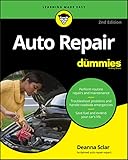
- Detailed repair and maintenance coverage trusted by professional technicians and DIYers for decades.
- Clear step-by-step instructions supported by wiring diagrams, diagnostic charts, and technical illustrations.
- Covers routine maintenance through advanced repairs, making it the go-to resource for keeping your vehicle running reliably.
Ask how the shop will contact you and keep a record of the response. Save text messages, emails, voicemail details and the time and name of the person who approved a change. If a technician says a new issue is dangerous, ask for the specific evidence and whether the vehicle can be released safely while you decide.
Approval protections and remedies vary by state. The FTC notes that state law may require particular estimate and authorization practices. Check your state attorney general or consumer protection office before assuming you can reject a charge or retrieve the vehicle without paying a disputed amount.
The Tool Desk
Outbyte PC Repair FREERepair Windows errors before they cause bigger problemsFix Now →Outbyte Driver Updater FREEFix the driver behind crashes, sound loss and screen glitchesFind Drivers →If you already approved the work or the bill increased
Collect the original estimate, every revision, the final invoice, payment records, messages and a timeline of calls. Request a completed repair order listing the work performed, each part and individual cost, labor charges, diagnostic fees, taxes and fees, and the vehicle’s odometer readings. Ask the manager or owner to identify exactly which approved instruction permitted each added charge.
Best Value

- Step-by-step procedures written from a complete teardown and rebuild, giving you the confidence to tackle repairs at any skill level.
- Over 700+ clear photos and diagrams that simplify complex systems, helping you complete jobs faster and with fewer mistakes.
- Comprehensive troubleshooting and fault-finding guides to quickly diagnose problems and reduce costly downtime.
Compare the final document with your authorization rather than arguing from memory. If the shop claims it received approval by phone, ask for the date, time, number called and the notes describing what you accepted. If you never approved the additional work, state that fact in writing and ask the shop to propose a resolution. Do not sign a statement saying the work was authorized unless it accurately reflects what happened.
Do not remove parts, threaten staff or make accusations you cannot support. Keep communications factual and preserve the vehicle’s condition and documents if an inspection or dispute becomes necessary.
Escalate a dispute in steps
- Start with the service manager. Present the estimate, authorization record and final invoice. Ask for a specific correction, explanation or refund and a written response.
- Contact the owner or corporate customer-care office. Provide a concise chronology and copies, not originals. Set a reasonable date for a response.
- Use your state consumer protection channel. USAGov directs complaints about auto repair shops to the state consumer protection agency. Find the appropriate office through Where to file a complaint about your car or the directory of state consumer protection offices.
- Check other remedies that apply locally. Your state may provide licensing, mediation, small-claims or disclosure options. The available remedy, filing deadline and payment rules depend on where the repair occurred and the contract terms.
Agencies may not decide every private billing dispute, so submit a clear packet: the signed estimate, authorization limit, repair order, invoice, payment proof, photographs if relevant and your communication log.
Do these 3 things before closing this tab:
1Fix the driver behind crashes, sound loss and screen glitches2Clear out junk files and repair common Windows errors3Scan for outdated or missing drivers - takes under a minuteDo not confuse a service contract with repair coverage
If the shop or another seller offers an extended warranty or service contract to reduce the apparent risk, treat it as a separate purchase. First check whether the vehicle’s existing manufacturer or other warranty already covers the failure. The FTC warns that service contracts can duplicate coverage and are not warranties as defined by federal law. Its consumer alert, What to know about auto service contracts and extended warranty scams, recommends examining:
- Covered components and exclusions, including maintenance-related or pre-existing-condition limits.
- Deductibles and whether the contract pays diagnostic, teardown or installation labor.
- Where repairs must be performed and whether prior authorization is required.
- Claim deadlines, documentation requirements and cancellation or refund terms.
- Whether the administrator—not the selling shop—is responsible for approving and paying claims.
Do not buy a contract solely because a repair estimate is surprising. Compare its actual covered risks and rules with the coverage you already have and the cost of paying for the repair directly.
A practical file to keep for every repair
- The original written estimate and every revision.
- The diagnostic report, test results, photographs and part numbers.
- Your written approval limit and records of any added-work authorization.
- Repair orders, receipts, warranty terms and odometer readings.
- Names, dates, phone numbers and a short summary of each conversation.
- Towing, rental-car and other out-of-pocket receipts related to the dispute.
This file lets a second technician, manager or consumer-protection office see what was diagnosed, what you approved and what was ultimately performed.
Quick Recap
Product prices and availability are accurate as of the date/time indicated and are subject to change. Any price and availability information displayed on Amazon at the time of purchase will apply.
Free tools Windows power users keep installed
One-click scans. No signup required.




