PC Slower Than It Used to Be?
A free scan shows the junk files, broken settings and background clutter dragging Windows down - then fixes them in one click.Free scan · Windows 10 & 11Crashes, No Sound, or Screen Glitches?
Random freezes, missing sound and display glitches usually trace back to one bad driver. Find and replace yours safely.Free scan · under a minuteBefore buying a used car priced under IDR 50 million, check that its identity and ownership documents match the vehicle, inspect its condition, and confirm the seller can complete the transfer. Treat the price as a spending ceiling—not a guarantee of a particular model, reliability, or repair cost—and compare the car with similar local listings.
Before arranging a viewing: set your needs and compare like with like
Write down how you plan to use the car, how many people or how much cargo it needs to carry, your transmission preference, and your location. Keep a total spending limit that includes any immediate needs you discover; the asking price alone does not show what the car will cost to make usable.
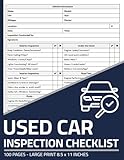


Compare listings for the same model and year, and account for trim where known, transmission, condition, location, document readiness, and tax status. A car near the IDR 50 million ceiling is not automatically a fair deal—or a reliable one. The available budget-specific guidance from Adira Finance is several years old and should not be treated as a current national price list.
Before visiting, ask for clear views of the relevant BPKB and STNK details, while handling personal information carefully. Ask for service records and find out whether the seller is the registered owner. A mismatch or evasive answer is a reason to pause rather than rely on the asking price.
Quick wins for a faster PC:
Clear out junk files and repair common Windows errorsFree Scan →Fix the driver behind crashes, sound loss and screen glitchesFind Drivers →#1 Best Overall
How to check the BPKB, STNK, car identity, and seller
The BPKB serves as proof of vehicle ownership, while the STNK records the registered owner and vehicle details, according to Polri and Korlantas Polri. Ask to inspect the originals before committing.
- Check the seller’s authority. Compare the seller’s identity with the registered owner. If someone else is selling the car, ask for documents showing that person is authorized to sell it and clarify who will complete the transfer.
- Match the registration to the vehicle. Compare the plate and the car’s make or type, color, and year with the information in the documents.
- Match the stamped identifiers. Carefully compare the chassis and engine numbers on the car with the documents. Look for obvious signs that the stamped areas have been altered. If a number does not match or appears tampered with, stop and resolve the discrepancy through the appropriate authority before proceeding.
- Ask about tax and transfer steps. Confirm whether vehicle tax is current and what overdue obligations or transfer steps remain. Requirements can depend on the applicable local process; the East Java Bapenda process for an outgoing transfer lists original STNK and BPKB, identity documents, a sale receipt, and physical inspection. Confirm the current requirements with the relevant Samsat for your transaction.
Korlantas says a physical check of chassis and engine numbers is required for five-year STNK renewal. That makes matching the identifiers at purchase a practical step, but the cited guidance does not establish one universal current transfer-fee schedule.
What to inspect on the car in daylight
Take notes and check the car in consistent light. A clean exterior can conceal repairs or mechanical problems, so inspect the cabin and engine area as well as the body.
Body, glass, and signs of repair
- Look along panel gaps and compare paint color and finish across panels. Uneven gaps or inconsistent paint can be clues to investigate, not proof of collision damage.
- Check for rust and inspect the glass for damage or signs of replacement.
- Ask the seller about accident history and compare the answer with any service or repair records available.
Cabin, electrical items, and possible water exposure
- Test the air conditioning, lights, windows, locks, seatbelts, dashboard indicators, and basic accessories.
- Lift the mats and look for dampness, unusual musty smells, corrosion, or residue. These may be consistent with water exposure, but no single sign proves the car was flooded.
- Ask directly about flood history, and compare the answer with the car’s condition and available records.
Engine area and maintenance history
- With the car parked on level ground, look for visible fluid leaks. Note unusual engine vibration or noise.
- Ask for maintenance records and compare them with the seller’s account of service, ownership, accident, and flood history.
- Do not treat a verbal assurance or the odometer reading alone as conclusive proof of the car’s history.
These checks follow the practical condition and history guidance from Daihatsu Indonesia and Toyota Astra.
Test-drive the car, then decide whether to get an independent inspection
If the seller allows it and the car is safe and legally usable, drive a route that lets you assess how it starts, accelerates, steers, brakes, and changes gears. Listen for suspension noises. These observations can help identify concerns, but they are not a substitute for a qualified mechanic’s assessment.
If you cannot assess hidden mechanical risks yourself, arrange an independent pre-purchase inspection before paying a non-refundable deposit. Otospector describes checks for flood indicators, major collision indicators, engine, and transmission. Confirm its current service area, inspection scope, and terms directly with the provider: Otospector’s inspection service information.
Independent reader supportYour contribution helps us test, update, and keep practical guides available for everyone.Judge the total deal, not just the asking price
Compare the candidate with similar cars nearby, then consider what is established about this specific vehicle. A useful decision weighs:
- Whether the documents match and the seller can complete the transfer.
- The asking price plus any known immediate needs, such as tires or maintenance.
- Mechanical condition and safety-critical repairs identified during checks or inspection.
- Available service history and evidence that warrants further investigation for flood or collision damage.
- Whether the car suits your intended use, and whether parts and servicing are accessible where you live.
There is no supported universal repair reserve or current national price band for every car below IDR 50 million. Compare local candidates on their actual condition and documentation, and leave room in your decision for needs that an inspection uncovers.
Free tools Windows power users keep installed
One-click scans. No signup required.
Quick Recap
Best Value

- These driver's vehicle inspection report (DVIR) books comply with DOT regulations 49 CFR 396.11 and 396.13.
- Our DVIR inspection book contains a vehicle inspection checklist that comprehensively lists specific tractor/truck and trailer parts to help simplify the inspection process. This allows drivers to quickly mark any needed repairs.
- DVIR books include essential DOT regulations which are printed on the inside cover to remind drivers of the DOT-required procedures they must follow. And there are instructions for filling out a DVIR form to simplify the completion.
- This package comes with 10 books. Each book contains 35 sets of DVIR forms, in duplicate. In total, you will receive 350 forms. Compact 8.5" x 5.5" size facilitates easy handling and record-keeping.
- Our inspection report books are made of carbonless, premium paper that withstands daily use. Whether you manage a single vehicle or a large commercial fleet, our DVIR book is an essential tool for ensuring the safety and compliance of your operations.
Product prices and availability are accurate as of the date/time indicated and are subject to change. Any price and availability information displayed on Amazon at the time of purchase will apply.




