Before starting a riding mower, inspect its safety equipment, clear the mowing area, keep people away, and check the terrain against the mower’s manual. There is no universal safe slope angle for every mower. If you find a hazard you cannot safely manage, choose different equipment or leave that area unmowed.
1. Check the manual and safety labels
Use the operator’s manual and labels for your exact mower to confirm its starting and operating instructions, maintenance requirements, safety features, and slope limits. OSHA includes understanding the manual and surveying terrain in operator training; CPSC’s Riding Lawnmowers fact sheet likewise tells users to read and follow the machine’s instructions before starting.
As an Amazon Associate I earn from qualifying purchases.
Do not assume another mower’s limits or procedures apply to yours. If the manual is missing, look for the model-specific instructions from the manufacturer before operating.
Quick wins for a faster PC:
Scan for outdated or missing drivers - takes under a minuteDriver Scan →Clear out junk files and repair common Windows errorsFree Scan →2. Inspect the mower before starting
OSHA advises operators to use a standard checklist for a general equipment inspection before use. Its examples include tire pressure and missing or damaged guards. Check that the mower’s guards and discharge devices are present and secure, and that safety features available on your model are in place and working.
#1 Best Overall
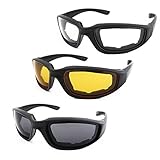
- Comfort to wear: Black frame with soft silicone sponge padded, block off wind and dust
- High Quality Lens: UV400 Protection impact resistant polycarbonate lens, anti-wind, anti-glare, dustproof
- Mainly for outdoors activities, such as Motorcycling, motor bicycling, Climbing, Riding and Motocross
- Light weight proves all day comfortable wearing
- Brand New, Waterproof and High Quality Made
- Check tire pressure and look for visibly damaged or underinflated tires.
- Check guards and the discharge device for damage or missing parts. Do not mow without the grass catcher, discharge guard, or other safety devices in place and working.
- Confirm that operator-presence controls and starting interlocks work as the manual describes.
- If the mower is designed to have a rollover protective structure (ROPS), do not operate it with that structure missing. Check the structure and seat-belt attachment for condition and follow the manual’s instructions for their use.
OSHA cautions that ROPS protection is limited. Seat-belt use depends on the equipment configuration and the manufacturer’s instructions; do not infer blanket retrofit or operating directions from the presence of a ROPS alone.
3. Walk the whole mowing area
Before you start, walk the area you plan to mow. Pick up rocks, wire, sticks, toys, and other debris that could be thrown by the blade or damage the mower. Look for obstacles and terrain hazards, including stumps, signs, trash receptacles, soft or wet ground, ramps, slopes, ditches, embankments, water, and drop-offs.
Rank #2

- Anti-Fog Lens: Professional coating keeps these safety glasses clear in humid, hot, and cold conditions, so you see sharp detail without stopping to wipe; Reliable eye protection that stays clear when standard glasses fog up
- Impact Resistant: Polycarbonate lenses meet ANSI Z87.1, blocking flying debris and particles on active job sites; Anti-scratch protective eyewear designed as tough safety glasses for work in construction, labs, and outdoor settings
- Adjustable Fit: Temples adjust in angle and length to match different face shapes, while soft rubber nose pads and tips prevent slipping; Safety glasses for men and women with cushioned contact points that sit comfortably for hours
- Wraparound Protection: Wraparound lenses give panoramic coverage at the firing line and on the airsoft field during outdoor target practice; Eye protection for shooting with a full peripheral guard from every angle
- UV Protection: Lenses block 99.9% of harmful UV rays, cutting glare and eyestrain in bright outdoor conditions; Choose from clear, yellow, or gray to match your lighting needs, making these safety glasses ideal as work glasses for gardening, cycling, or the job site
Mark or avoid hazards you cannot remove. A surface that looks firm from the seat may be soft or slippery, and an obstacle hidden in grass can become a projectile or destabilize the mower.
4. Keep people out of the mowing area
Make sure bystanders are away before starting, and stop mowing if someone enters the area. Children should stay away from the yard while mowing. Never carry a passenger, and never direct discharged material toward people.
Rank #3
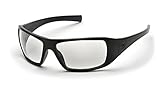
- Co-injected rubber temples
- Polycarbonate lightweight safety glasses
- Fits smaller faces
- ANSI Z87.1+ c SEI Z94.3: CAN/CSA standards
5. Decide whether the terrain is appropriate
Use your mower’s slope limit
Follow the slope-angle limit in the manual for your specific model. There is no single angle that is safe for every riding mower: machine design, traction, surface conditions, and nearby hazards all matter. A slope indicator or inclinometer can help measure an angle, but it cannot tell you whether your mower can safely handle that slope.
Treat OSHA’s 15-degree advice as a conditional workplace fallback
When manufacturer instructions are unavailable or do not specify a slope limit, OSHA advises evaluating conditions and avoiding slopes over 15 degrees. This appears in OSHA workplace hazard guidance; it is not a universal safe-slope rating for consumer mowers and does not override a model-specific limit.
Rank #4

- UV Protection, Anti-wind, Dustproof. Waterproof and High Quality.
- Light-weight, Foam Padded Comfortable Wearing.
- Clear Lens: It's main function is to protect the eyes from external objects. It can effectively prevent wind and prevent foreign objects such as mosquitoes from flying into the eyes. It can suitable for a goggle or rain goggles.
- Smoke Lens: It suitable for the strong sunlight environment, all kinds of sports. It can effectively reduce the light intensity, make the scene look soft and not glare, provide better visual effect.
- Yellow Lens: It suitable for in the evening, night, or early morning, fog, rain and other environments.Enhance the contrast and makes the natural scenery brighter and clearer.
Give drop-offs a wide berth
OSHA’s employer guidance recommends keeping drive wheels at least five feet from certain unprotected drop-offs. That is workplace guidance, not a guarantee that a five-foot distance makes every edge safe. Avoid mowing near a ditch or drop-off when the ground, edge, or mower’s limits make the maneuver hazardous; use a push mower or string trimmer around the edge when appropriate.
6. Dress for the work and conditions
CPSC recommends sturdy shoes and eye protection. OSHA’s worker-training guidance also lists hearing and head protection, work boots, and close-fitting clothing without jewelry or loose fabric. Choose protective equipment in light of the mower manual and actual conditions, and keep loose items away from moving parts.
Best Value

- Protective Glasses for Everyday Wear – Designed for work and casual outdoor wear, these lightweight safety glasses offer UV-blocking protection, a sporty full-frame fit, and clear visibility for running, camping, baseball, DIY projects and more.
- Fog-Free Vision – Designed for active lifestyles, an anti-fog coating helps keep lenses clear through heat, humidity, sweat, and changing conditions, reducing moisture buildup for a sharp view through long days outdoors and constant movement.
- Tough, Safety-Rated Protection – Impact-resistant ANSI Z87+ compliant polycarbonate lenses protect eyes from debris and drops, while a scratch-resistant hard coat helps prevent scuffs from rough handling, dirt biking, ATV riding or yardwork.
- Lightweight No-Slip Fit – A full-frame design, soft TPR nose piece, and grippy temple ends help the glasses stay comfortably in place without causing pressure, feeling heavy or slipping during pickleball, beach volleyball, or mountain biking.
- Versatile Sport-Style – Sleek curvature gives these glasses a high-performance look but with the quality of protective eyewear. Clear lenses made to move from indoor projects to outdoor tasks, the jobsite to the range or backyard.
7. Start, turn, and reverse deliberately
- Start from the operator’s position and keep your feet on the machine while it is running.
- Slow down before turning.
- Look down and behind before and while backing. Avoid mowing in reverse unless it is necessary.
- Stop if a person enters the area or a hazard makes continued mowing unsafe.
8. Shut down before dismounting or clearing a blockage
Before leaving the seat or clearing a clog, turn off the blades, set the parking brake, stop the engine, remove the key, and wait for moving parts to stop. Never leave a running mower unattended. Follow the manual’s procedure for blockages; do not reach into the cutting area while parts may still move.
Quick Recap
Quick pre-mow checklist
- Manual and safety labels checked for the exact mower.
- Tires, guards, discharge devices, and available safety systems inspected.
- ROPS and seat-belt components checked when fitted; instructions followed.
- Debris removed and obstacles, wet areas, slopes, ditches, and drop-offs identified.
- People and children kept out of the mowing area; no passenger carried.
- Terrain assessed against the mower’s instructions, not a generic slope number.
- Suitable footwear, eye protection, and other appropriate protective equipment ready.
- Shutdown steps understood before starting.
Product prices and availability are accurate as of the date/time indicated and are subject to change. Any price and availability information displayed on Amazon at the time of purchase will apply.




