Do these 3 things before closing this tab:
1Repair Windows errors before they cause bigger problems2Fix the driver behind crashes, sound loss and screen glitches3Clear out junk files and repair common Windows errorsThe Lexus LS has never been a bad luxury sedan, but the five U.S. generations are not equally appealing today. Some are landmark cars, some are excellent used bargains, and one is a technological tour de force that can become a financial headache once its complex systems age.
Ranking them requires more than comparing horsepower. This list weighs ride comfort, mechanical simplicity, historical importance, everyday usability, ownership risk, and how convincing each generation remains on the used market.
As an Amazon Associate I earn from qualifying purchases.
The Lexus LS generations, at a glance
| Rank | Generation | U.S. model years | Main nameplates | Best known for |
|---|---|---|---|---|
| 1 | Third | 2001–2006 | LS 430 | The best balance of comfort, durability, equipment, and usability |
| 2 | First | 1990–1994 | LS 400 | Launching Lexus and redefining luxury-sedan refinement |
| 3 | Fifth | 2018–2026 | LS 500, LS 500h | The most modern technology and strongest performance |
| 4 | Second | 1995–2000 | LS 400 | A more polished version of the original formula |
| 5 | Fourth | 2007–2017 | LS 460, LS 460L, LS 600hL | Ambitious technology with the greatest used-car risk |
The generation dates follow U.S. model years. Launch and production dates differ slightly in other markets, and the fourth-generation LS was unveiled in 2006 before arriving in the U.S. as a 2007 model.
1. Third generation: Lexus LS 430 (2001–2006)
The LS 430 is the best overall Lexus LS generation. It retains the traditional LS recipe—a naturally aspirated V8, rear-wheel drive, a remarkably quiet cabin, and a soft, composed ride—while being substantially newer and more usable than the original LS 400.
#1 Best Overall
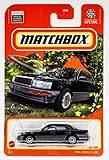
- COLLECTIBLE SERIES: Part of the 1994 Matchbox lineup, numbered 26 out of 100 in the collection series
- AUTHENTIC DESIGN: Precision-crafted miniature replica of the luxurious Lexus LS 400 in sleek black finish
- SCALE DETAILS: Expertly reproduced at 1:64 scale with authentic body styling and proportions
- DISPLAY QUALITY: Die-cast metal construction with detailed exterior features and classic Matchbox craftsmanship
- VEHICLE SPECS: Features rolling wheels, black paint scheme, and distinctive Lexus LS 400 luxury sedan body style
Its 4.3-liter V8 brought more effortless performance than the earlier 4.0-liter engine, and the redesigned cabin offered the equipment and space expected from a modern luxury sedan. The LS 430 was smoother and quieter than the LS 400 without abandoning the low-stress mechanical character that made the earlier car so appealing.
It also occupies a useful middle ground in Lexus history. It is old enough to avoid the complexity of newer turbocharged and hybrid systems, but new enough to provide better safety equipment, more comfortable long-distance driving, and a less antiquated interior.
Best years: Enthusiasts often favor 2004–2006 examples because they represent the later, fully developed version of the generation. That is a buyer preference, not a guarantee that every later car is trouble-free.
Recommended Free Tools
Main buying warning: the LS 430 uses a timing belt. A service record showing replacement of the belt and related components matters more than the odometer alone. A cheap LS 430 with no maintenance history can quickly become more expensive than a carefully maintained one.
Why it wins: The LS 430 offers the strongest combination of old-school Lexus smoothness, reasonable complexity, comfort, and real-world ownership potential.
2. First generation: Lexus LS 400 (1990–1994)
The first LS 400 is the most important generation, even if it is not the best overall purchase today. When it launched in the United States on September 1, 1989, as a 1990 model, Lexus entered a market dominated by established European luxury brands and immediately made quietness, precision, and reliability central to the flagship-sedan conversation.
Toyota spent six years developing the car and subjected it to extensive high-speed testing before launch. The result was a 4.0-liter V8 luxury sedan producing 250 horsepower, with unusually low noise, excellent build quality, and a level of smoothness that challenged far more established competitors.
Free tools Windows power users keep installed
One-click scans. No signup required.
Rank #2
![Matchbox 1994 Lexus LS 400 [Green], 1:64 Scale Diecast Toy Vehicle](https://m.media-amazon.com/images/I/51MePb+BkCL._SL160_.jpg)
- 1994 Lexus LS 400 in a Luxurious Green Finish!
- Number 36/125 in the Overall Series!
- 1:64 Scale Diecast Toy Car
The first-generation LS also established the traits that would define the nameplate: an understated design, a calm ride, a meticulously finished cabin, and a powertrain that felt almost effortless rather than aggressively sporty.
It ranks second because historical impact and ownership practicality are different questions. The newest first-generation cars are now more than 30 years old. Age-related problems—deteriorated rubber, leaking seals, worn suspension components, failing interior electronics, rust, and neglected cooling-system maintenance—can matter more than the durability of the V8 itself.
Best for: buyers who want an important collectible or a genuine example of the original Lexus character.
Main buying warning: low mileage does not automatically make one a good car. A minimally driven LS 400 may need more recommissioning than a higher-mileage example with consistent service records.
3. Fifth generation: Lexus LS 500 and LS 500h (2018–2026)
The fifth-generation LS is the best modern LS and the most capable in several measurable ways. It moved to Toyota’s GA-L rear-wheel-drive luxury platform, gained a more dramatic coupe-like shape, and introduced substantially newer chassis, safety, infotainment, and driver-assistance technology.
The standard LS 500 replaced the traditional V8 with a 3.5-liter twin-turbocharged V6 and a 10-speed automatic transmission. Despite the familiar-sounding name, the LS 500 does not have a 5.0-liter engine. The LS 500h uses a hybrid powertrain.
In current form, Lexus quotes 416 horsepower, 442 lb.-ft. of torque, and a 0-to-60-mph time of 4.6 seconds for the 2026 LS 500 AWD Heritage Edition. That makes it considerably quicker than the old LS sedans, and its chassis is more responsive when the driver wants something beyond quiet transportation.
Rank #3

- Product size: 6.3*2.4*1.8 inches Weight: 0.5 pounds Outer packaging: exquisite color translucent packaging box.
- Material: Die-cast car model, made of zinc alloy, with plastic parts, rubber tires, detailed interior and exterior decoration.
- Function: Press the two wheels of the front car to trigger the sound of the engine and lights. The interior details are realistic. Put the car on the flat ground, press the body and pull it back, and the car will move forward. (Back pull function)
- This LS500H 1/32 car model pull back car is very suitable for children to play with. The paint is exquisite and feels good, and it is heavy to hold. It is also very suitable for car model enthusiasts as a decoration.
- Accessories and collections: This product is very suitable for static accessories and can be used as an accessory next to a computer. For those who are passionate about collecting model car models, this is a great art collection.
However, the fifth generation does not feel as traditionally plush as its predecessors. Its controls can be complicated, the ride is less isolated from certain road imperfections, and seating compromises keep it from delivering the completely lounge-like experience associated with the best older LS models. Consumer Reports has also criticized those areas in its LS coverage.
Current-status note: 2026 is the final U.S. model year. Lexus offers only the LS 500 AWD Heritage Edition, limited to 250 units, with a starting price of $99,380 including the delivery, processing, and handling fee.
Why it ranks third: It is the right choice for someone prioritizing modern performance, safety, and technology, but it lacks the mechanical simplicity and pillow-soft character that make the third-generation car so compelling.
4. Second generation: Lexus LS 400 (1995–2000)
The second-generation LS 400 was a thorough redesign rather than a radical change of direction. It retained the 4.0-liter naturally aspirated V8 and rear-wheel-drive luxury-sedan formula while improving refinement, interior space, safety, and overall polish.
That makes it an excellent continuation of the original car. It is comfortable, quiet, and generally easier to recommend than a similarly aged European flagship. For a buyer who wants a classic Lexus but prefers a slightly newer and more developed car than the first-generation LS 400, it makes sense.
The Tool Desk
Outbyte PC Repair FREERepair Windows errors before they cause bigger problemsFix Now →Outbyte Driver Updater FREEFix the driver behind crashes, sound loss and screen glitchesFind Drivers →It ranks below the first generation because it does not carry the same historical significance, and below the LS 430 because it offers less modern usability without being as distinctive as the original. The age problem is also unavoidable. These cars are now roughly a quarter-century old or older, so suspension bushings, seals, wiring, climate-control components, and deferred maintenance deserve close inspection.
Best for: buyers who want the traditional LS experience and find a well-maintained car at a sensible price.
Rank #4

- Package size:9.92*4.92*4.25inch,package weight:1.06prounds,outer packing: exquisite color translucent packaging box.
- Materials: Zinc alloy die-cast metal body with ABS plastic details and rubber tires. Highly detailed chassis and interior.
- Model Car Function: Car doors and trunks can open, accompanied with lights and sounds. Press the front wheel to have kinds of realistic sound ( engine start , horn & alarm sound)and light.
- Interesting car: Put the car on the ground, press and hold the car body, then pull back, it will drive forward. Very funny.
- Toy model car:The car is not just a great toy for kids but it can also be part of your car model collection, Get this car model for your kid or as a lovely surprise for his friends.
Main buying warning: do not confuse a durable engine with a low-cost ownership experience. A neglected second-generation LS can need extensive age-related work even when the engine and transmission still operate normally.
5. Fourth generation: Lexus LS 460, LS 460L, and LS 600hL (2007–2017)
The fourth-generation LS is the most difficult to rank. Technologically, it may be the most impressive generation on this list. As the LS 460, it introduced a 4.6-liter V8, an eight-speed automatic transmission, a new multi-link suspension, electronic power steering, and Lexus Vehicle Dynamics Integrated Management. The long-wheelbase LS 460L also expanded the flagship’s rear-seat focus, while the LS 600hL added a hybrid powertrain.
Crashes, No Sound, or Screen Glitches?
Random freezes, missing sound and display glitches usually trace back to one bad driver. Find and replace yours safely.Free scan · under a minutePC Slower Than It Used to Be?
A free scan shows the junk files, broken settings and background clutter dragging Windows down - then fixes them in one click.Free scan · Windows 10 & 11Those advances delivered a sophisticated and exceptionally well-equipped luxury sedan. The problem is that the same complexity creates expensive failure points as the cars age. Brake-actuator and brake-booster repairs, suspension problems, air-suspension components, and electronic-system faults can all turn an apparently inexpensive used LS into a major repair project.
Not every LS 460 has air suspension. Equipment varied by model year, drivetrain, wheelbase, and package; adjustable air suspension was optional on at least some model years. A buyer should confirm the actual equipment on the specific vehicle rather than assume every LS has it.
Lexus service documentation covers brake-actuator replacement on 2007–2016 LS 460 and LS 460L models, and Lexus later issued campaign documentation covering brake-booster-related repairs on certain 2013–2017 LS 460 vehicles. These documents do not mean every car will fail, but they demonstrate why a pre-purchase inspection must include more than an engine and transmission check.
Best used-car strategy: look for a later, well-documented LS 460, preferably without air suspension if simplicity is the priority. That is a risk-reduction strategy, not a claim that a particular year is universally trouble-free.
Why it ranks last: the fourth-generation LS can be brilliant when everything works, but its potential repair bills make it the weakest recommendation for typical used-car ownership.
Best Value

- MATCHBOX MOVING PARTS: Part of the iconic Moving Parts series, featuring functional details that bring this die cast model to life.
- 2004 LEXUS GS400: Faithfully recreates the classic 2004 Black Lexus GS400 in stunning detail, making it a great addition to any collection.
- 1:64 SCALE DIE CAST: Precision-crafted at 1:64 scale from quality die cast metal for an authentic and durable miniature replica.
- NEW FOR 2026: A fresh release in the Matchbox lineup, making it a must-have for collectors and fans of the series.
- COLLECTIBLE TOY CAR: Ideal for display or play, this model appeals to both young car enthusiasts and seasoned die cast collectors.
How the ranking changes depending on what you value
| Priority | Best generation | Reason |
|---|---|---|
| Best overall used LS | Third-generation LS 430 | Strong blend of comfort, durability, equipment, and manageable complexity |
| Historical importance | First-generation LS 400 | Established Lexus as a serious global luxury brand |
| Modern performance and technology | Fifth-generation LS 500 | Turbocharged power, modern safety systems, and the newest platform |
| Classic Lexus character | First- or second-generation LS 400 | Naturally aspirated V8 power and traditional isolation |
| Most caution required | Fourth-generation LS 460/600hL | Complex braking, suspension, hybrid, and electronic systems |
What to check before buying any used LS
- Verify service records. Look for documented fluid services, cooling-system work, suspension repairs, and major scheduled maintenance.
- Confirm timing-belt history on an LS 430. The belt, tensioner, idlers, and water pump should be treated as a complete service rather than an isolated belt replacement.
- Scan for stored faults. A warning light that is currently off does not prove that the car has no history of brake, suspension, hybrid, or electronic faults.
- Test every comfort feature. Operate the climate control, power seats, window regulators, navigation system, sunroof, soft-close doors, and rear-seat functions where fitted.
- Inspect the suspension at a specialist shop. Check for leaks, uneven ride height, worn bushings, compressor operation, and unusual noises.
- Get a pre-purchase inspection before negotiating. Lexus reliability is not a substitute for checking the individual car. Condition and maintenance history can reverse the order of these generations in a single purchase decision.
Common Lexus LS ranking mistakes
- The LS 430 is the third generation, not the second.
- The LS 460 arrived in the U.S. as a 2007 model, although the generation was unveiled in 2006.
- The LS 500 uses a 3.5-liter twin-turbo V6, not a V8.
- Air suspension was not standard on every LS 460.
- “Toyota V8 reliability” does not make every old LS cheap to repair.
- Raw complaint totals should not be treated as failure rates; the number of surviving cars, mileage, age, and owner reporting habits vary.
FAQ
Which Lexus LS generation is the best overall?
The third-generation LS 430, sold in the U.S. from 2001 through 2006, is the best overall. It combines the traditional LS ride and naturally aspirated V8 with newer safety, comfort, and convenience features, while avoiding much of the fourth generation’s expensive complexity.
Which Lexus LS is the most reliable?
A well-maintained LS 430 is generally the strongest all-around used-car choice, but no generation is automatically reliable regardless of condition. Timing-belt service is essential on the LS 430, while age-related repairs can affect every older LS.
Is the first-generation LS 400 better than the LS 430?
The first-generation LS 400 is more historically important and has the purest original Lexus character. The LS 430 is usually better for regular use because it is newer, more spacious, better equipped, and easier to live with.
Quick wins for a faster PC:
Scan for outdated or missing drivers - takes under a minuteDriver Scan →Clear out junk files and repair common Windows errorsFree Scan →Should I buy a used Lexus LS 460?
Only after a thorough inspection and a review of service records. The LS 460 can be an outstanding luxury sedan, but brake-actuator or booster problems, suspension repairs, air-suspension equipment, and electronic faults can create substantial bills. A documented example with simpler equipment is the safer approach.
The Bottom Line
The third-generation Lexus LS 430 takes the overall victory because it delivers the most complete package: old-school Lexus quietness and comfort, a naturally aspirated V8, modern-enough equipment, and less complexity than the generations that followed. The first-generation LS 400 remains the historical icon, while the fifth-generation LS 500 is the obvious choice for modern performance and technology.
The fourth-generation LS finishes last not because it is poorly engineered or unpleasant, but because its sophisticated brake, suspension, hybrid, and electronic systems make ownership risk harder to control. With any LS, the individual car matters more than the badge: inspect it properly, verify the maintenance, and budget for age-related repairs.
Quick Recap
Product prices and availability are accurate as of the date/time indicated and are subject to change. Any price and availability information displayed on Amazon at the time of purchase will apply.




