Quick wins for a faster PC:
Fix the driver behind crashes, sound loss and screen glitchesFind Drivers →Repair Windows errors before they cause bigger problemsFix Now →Scan for outdated or missing drivers - takes under a minuteDriver Scan →Pickup-bed ridges and bed rails are different features. Ridges or ribs run across or along the floor, either stamped into the original bed or molded into a liner or tray. They mainly shape the load surface and, in documented Ford accessories, create drainage and an air gap between the accessory and the metal bed. “Bed rails” may mean the upper edges of the bed sides, or a cargo-channel system that accepts sliding cleats. Those channels provide tie-down points. Identify the part by its location and what attaches to it before buying an accessory or assuming it has a particular load function.
The quick distinction: floor ribs versus side rails or cargo tracks
| Feature | Where you see it | What it does in documented examples | What it does not automatically mean |
|---|---|---|---|
| Bed-floor ridge or rib | Raised lines stamped into the bed floor, or molded into a fitted liner or tray | Ford describes ribs in its F-150 liner and tray as creating drainage and airflow between the accessory and bed; the tray also has a skid-minimizing surface | It is not automatically a tie-down point, a weight rating, or proof that every truck’s stamped ribs are intended for drainage |
| Bed-side top edge or rail | The upper lip of each bed sidewall | A structural edge that can accept a rail cap or, with a compatible accessory, serve as a mounting location | It is not necessarily a sliding tie-down track |
| Cargo rail or channel | A track mounted along the bed floor, side rails, header, or another specified location | Compatible sliding cleats create adjustable cargo-attachment points | It is not the same thing as the decorative or structural edge of the bed side |
Manufacturers use “rail” inconsistently. A product described as a bed rail might protect the top edge, support a rack or cover, or be a channel-and-cleat tie-down system. A photograph, owner’s manual, and exact fitment listing are more reliable than the name alone.
As an Amazon Associate I earn from qualifying purchases.
What the ridges in a pickup bed are for
Factory-stamped ribs
Some beds have raised or recessed lines formed into the original floor. Their exact engineering purpose depends on the truck’s design; the available manufacturer material does not establish one universal function for every stamped ridge. They may be part of the floor’s forming and stiffness strategy, but you should not treat them as tie-down fittings unless the manual identifies them that way. A ridge also does not provide a published load capacity simply because it is raised.
When the ridges are part of the original bed, inspect the owner’s manual for instructions about loading, tie-down locations, and any restrictions on drilling or attaching hardware. The visible shape alone cannot tell you whether a particular point is structural, a drain path, or simply a formed contour.
#1 Best Overall
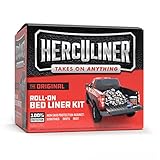
- J-B Weld Herculiner Truck Bed Liner: Is The Original Do-It-Yourself Truck Bed Liner. Just 3 Easy Steps: Prep, Apply And Let It Dry. It Can Be Used On Truck Bed Liners, Trailers, Boat Decks, Walkways, Car Floors, Tire Fenders And More
- Cure And Set Time: Once Applied, Herculiner Will Have A Functional Cure In 10 To 12 Hours And Will Fully Cure In 24 Hours. Surface Applications: Metal, Concrete, Wood, Fiberglass, Rubber, Most Plastics, Pvc And More
- Versatile & Dependable: Herculiner Is A Tough, Textured Formula With A “Like New” Finish That Cures Stronger Than A Water-Based Product. It Provides A Durable Skid-Resistant Protective Coating That Prevents Rust And Won'T Chip, Flake Or Peel
- Components Included: Herculiner Kit Includes 1 Gallon Of Herculiner Bed Liner, 1 Application Brush, 2 Rollers, 1 Roller Handle, And 1 Abrasive Pad
- Tough, textured polyurethane protective coating
Ribs molded into a bedliner
A drop-in or fitted liner can have its own ribbed floor, separate from the metal bed underneath. Ford’s listing for the F-150 2021–2027 bedliner without a power inverter says its ribbed floor provides drainage and increased airflow between the liner and the bed, with the stated aim of reducing mold, mildew, and corrosion. That is a manufacturer description of that accessory, not a claim about every liner on the market.
The air space matters because water and damp debris can otherwise remain against the bed or trapped beneath a liner. Ribs give liquid a route to move and leave portions of the surfaces separated. They do not make the bed waterproof, and they do not remove the need to keep drain paths clear or to follow the liner maker’s cleaning and removal instructions.
Ribs molded into a bed tray
A tray is another floor-protection approach. Ford Canada’s listing for the F-150 2015–2024 bed tray describes a skid-minimizing surface, raised edges intended to contain spills, and a ribbed floor that provides airflow between the tray and bed. The listing offers 5.5-, 6.5-, and 8.0-foot bed selections. The floor ribs therefore serve a different job from a tie-down channel: they help separate and protect surfaces, while a channel is designed to accept hardware.
What’s actually slowing this PC down?
Pick the symptom - the matching free tool is one click away.
Do not infer that a liner and tray are interchangeable. They can differ in coverage, edge height, attachment method, compatibility with existing equipment, and the bed lengths for which they are molded. Compare the exact part description with your truck’s cab configuration, model year, and bed length.
Rank #2
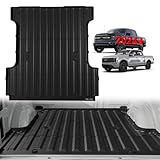
- Perfect Fitment: TripleAliners truck bed mat custom-fit for your 2024 2025 2026 F150 & Lightning with 5.5FT bed. 3D laser scan ensures highly precise measurements of the specific contour, providing full coverage.
- FortiGrip Material: Our truck bed mat is crafted with TripleAliners Patent Pending FortiGrip Material, which has a 25% increase in wear resistance and it is tested and proved that it could better prevent items from sliding on the bed mat compared with regular material in the same production way.
- Function & Why Us: Full protection with reinforced edge walls to block water and dirt. 3D anti-slip surface ensures the mat stays in place, and prevents items from sliding around. The lip tapers at the rear to help liquids flow out at the tailgate. Ideal for work tools, weekend adventures, hauling supplies, and everyday cargo.
- Easy to Install And Remove: Simply place the mat in position. NOTE: The mat is folded in the package. Leave it in the sun on a FLAT surface for 1-2 days or rinse with hot water to remove wrinkles and restore its shape
- Service: We are always here to back up our products and your shopping experience. Please do not hesitate to contact us if you need any help
What “bed rails” can mean
The upper edge of the bed sidewall
In ordinary conversation, a bed rail is the top edge running along a sidewall. A rail cap may cover that edge to protect paint, improve appearance, or provide a specified mounting surface. The edge itself is not automatically a cargo track. If a cover, rack, or clamp is designed to use it, the accessory instructions should identify the approved mounting points and any restrictions.
A cargo rail or channel with sliding cleats
In a cargo system, the rail is a track with a slot or channel. A cleat slides into the channel and locks at a chosen position, giving you a place to attach a strap or other approved restraint. Ford owner-manual text uses “Adjustable Bed Rail (If Equipped)” for a sliding-cleat tie-down arrangement on each side of the pickup bed. The wording applies only to vehicles equipped with that system and to the market and manual shown by Ford.
Nissan’s 2010 Frontier press material illustrates a more extensive arrangement. It describes five C-section rails or channels in the bed: two in the floor, channels on the side rails, and a channel on the header panel. Removable cleats slide in those channels to create cargo attachment points. Nissan also identifies compatible accessories such as bed dividers and sliding cargo trays. This is a model-year-specific example, not evidence that every Frontier or every pickup uses five channels in those locations.
The Tool Desk
Outbyte Driver Updater FREEFix the driver behind crashes, sound loss and screen glitchesFind Drivers →Outbyte PC Repair FREERepair Windows errors before they cause bigger problemsFix Now →Why the distinction matters
A top-edge rail and a cargo channel can look similar in a quick photograph but accept different hardware. A cleat cannot be safely substituted for a rail cap, and a clamp intended for a top edge may not lock into a C-section track. Check the cross-section, the locking method, and the vehicle-specific instructions before attaching a load.
Rank #3

- NOTE: PLEASE READ THE THICKNESS VALUES CAREFULLY
- PACKAGE INCLUDE: Each package includes 1 pack lightweight truck bed mat, the size of the truck bed liner mat is 1.8 x 1.2 m / 6 x 4 ft (L x W) with THICKNESS is 1.5 MM, and shipped folded to 40 x 30 cm / 16 x 12 inch (L x W)
- PREMIUM MATERIAL: The truck bed liner is made of thickened PVC material, which is durable and waterproof for your long-term use. Cargo mat also has a great feel and extreme abrasion resistance and remains resilient in any season
- DURABLE TRUCK PROTECTION: Our premium protection mat fit snugly in most truck beds, preventing scratches, dents, dings, spills, scuffs, dirt, damage, and daily wear and tear
- EASY TO USE: To install, simply place the mat in the truck bed and adjust to fit. In addition, the truck bed liner is easier to clean, just wipe it with a damp towel or just rinse it with water
How to identify what is on your truck
- Start with location. Look at the floor, the upper sidewall edges, and the front header separately. Lines on the floor are ribs or channels; an edge running along the sidewall is a rail in the everyday sense; a slot designed to receive a movable fitting is a cargo channel.
- Look for a movable fitting. A sliding cleat, hook, or block that locks at several positions indicates a cargo-track system. A continuous plastic or metal cap with no movable fitting is more likely an edge protector or mounting trim.
- Check whether the feature is original or an accessory. Lift or inspect the liner or tray only as the instructions allow. A rib pattern that ends at the accessory’s edges belongs to the liner or tray, not necessarily to the truck bed.
- Read the owner’s manual and equipment list. Search the index for “adjustable bed rail,” “tie-down,” “cargo cleat,” “bedliner,” and “bed tray.” The manual establishes approved attachment points better than a generic illustration.
- Confirm the bed dimensions and model year. Measure or verify the advertised 5.5-, 6.5-, or 8.0-foot length where relevant, and confirm the cab and generation. Accessories that look alike can have different contours and mounting points.
- Inspect the channel profile and hardware fit. If a cleat is supplied, it should engage the channel without forcing, rocking excessively, or binding. Do not improvise a substitute fitting for a loaded strap.
What each feature does when you use the bed
Ridges and ribs: separation, drainage, and surface control
- In Ford’s documented liner and tray examples, ribs create airflow and a path for drainage between the accessory and the bed.
- The tray’s stated skid-minimizing surface can help keep cargo from sliding, while its raised edges are intended to contain spills.
- Ribs can keep part of a load off the lowest surface, but they are not a substitute for a rated restraint when cargo can move.
- Water, grit, and organic debris can still collect in low areas. Keep drains and gaps clear and inspect the underlying bed when maintenance instructions call for liner removal.
Rails and channels: positioning and restraint
- A compatible cleat can be moved to place a strap closer to the cargo instead of relying on one fixed loop.
- Multiple channels can support different layouts, such as side restraints, a divider, or a sliding tray, when the vehicle maker lists those accessories.
- The channel’s presence does not tell you its maximum load. Use the rating and attachment procedure supplied for that truck and cleat.
- A top-edge rail without a cleat or approved anchor may offer no tie-down function at all.
Choosing the right type of equipment
Choose a liner when broad floor and sidewall protection is the priority
A liner is appropriate when you want a continuous protective layer against abrasion, dirt, or impact. Compare whether it is molded for your bed length, how it stays in place, how it interacts with factory tie-downs, and whether its ribbed surface leaves a serviceable air and drainage gap. The Ford F-150 example demonstrates the category and the airflow claim, but it does not establish that another brand’s liner has the same geometry or corrosion benefit.
Choose a tray when you want a removable, contained floor surface
A tray can be useful when you want raised edges for spill containment and a surface that can be removed or replaced without covering the entire bed. The Ford Canada F-150 tray listing’s three bed-length choices show why fitment is central. Confirm that the tray clears wheel wells, existing cleats, lights, plugs, and any factory liner before ordering.
Choose a cargo channel and cleats when tie-down position is the problem
If your main need is adjustable restraint points, look for a vehicle-specific rail-and-cleat system rather than a product marketed only as a “bed rail.” Verify where the channels mount, how the cleats lock, which straps or hooks are approved, and whether the system is factory-installed or an accessory. Nissan’s 2010 Frontier arrangement shows the range of locations a system can use, but it should not be treated as a universal installation pattern.
Recommended Free Tools
Use fixed tie-downs when a simple, known location is enough
Some trucks provide fixed loops or cleats instead of sliding channels. They can be suitable when your loads consistently fit the same area. The important question is not whether a truck has something that looks like a rail, but whether the manual identifies a rated attachment point for the restraint you plan to use.
Rank #4

- TOUGH & RESILIENT: Durable textured coating protects truck beds and other surfaces from impact, scratches, abrasion, rust, and chemical spills. Scratch-resistant and designed to withstand heavy-duty use.
- EASY TO APPLY: Ready-to-use formula ensures a hassle-free application. Covers 65 sq. ft. in two coats, perfect for one 6' truck bed. Achieve professional results without the need for specialized tools.
- VERSATILE PROTECTION: Guards against rust, water, and chemicals with an anti-skid finish for enhanced safety. Ideal for a wide range of surfaces like tailgates, roll bars, trailers, boats, and more.
- NON-FADE COLOR: Maintains its vibrant appearance over time without bleaching or fading, even in harsh outdoor conditions. Perfect for long-lasting protection and aesthetics.
- RAPTOR TOUGH: Raptor are World leaders in automotive refinishing with a wide range of comprehensive products specializing in driving surface perfection including fillers, coatings, aerosols, adhesives, & truck-bed liners.
Fitment checks before buying or installing anything
- Vehicle identity: record make, model, model year, cab configuration, and bed length. Do not rely on a broad “fits pickup trucks” description.
- Existing equipment: note a factory liner, spray-in coating, lights, power outlets, bed extenders, cleats, dividers, covers, or racks. These can affect clearance and mounting.
- Part coverage: determine whether the item covers only the floor, the sidewalls, the tailgate, or the entire bed. Raised edges and wheel-well contours must match.
- Attachment method: distinguish a friction fit, clips, fasteners, or a channel-and-cleat system. Follow the supplied hardware sequence and torque or tightening instructions where provided.
- Load information: use the truck and accessory documentation for payload, tie-down, and cleat limits. Neither a floor rib nor a rail’s appearance supplies a safe working load.
- Compatibility confirmation: if the listing does not state your exact year and bed length, treat fitment as unconfirmed and ask the manufacturer or dealer before purchase.
Common mistakes and how to avoid them
Calling every raised line a tie-down
A floor rib is a surface feature. A tie-down point is a specified anchor capable of taking restraint forces. Attach only to locations identified by the manual or accessory instructions.
Calling every side edge a cargo rail
The bed’s upper lip may be only an edge. A cargo rail has a channel or fitting designed for a cleat. Check for the slot and locking hardware rather than relying on terminology in a listing.
Assuming all ribs drain in the same way
Ford explicitly describes airflow and drainage for the cited F-150 liner and tray. That statement cannot be extended to every stamped bed, liner, or tray. Designs vary, so use the instructions for the exact part.
Buying by bed length alone
Two trucks can both have a nominal 6.5-foot bed while differing in wheel-well shape, tailgate contour, outlets, and factory hardware. Model year and equipment are part of fitment, not optional details.
Best Value

- Ideal for use on truck beds, trailer floors, fenders and other metal surfaces
- Stops Rust formula provides long lasting protection with any-angle spray comfort tip that reduces finger fatigue and makes it easy to reach hard to paint places
- Dries to the touch in 1 hour and covers up to 20 sq. ft. per can
- Offers superior durability and can be used on bare or primed metal truck beds
- Textured non-skid finish is resistant to scratches and the outdoor elements
Using a rail accessory without checking the cleat system
Cleats and channels are matched components. A hook that sits in a slot but does not lock as specified can release under movement. Use the supplied cleat or an explicitly compatible replacement.
Maintenance and troubleshooting
Water or dampness beneath a liner or tray
Clear debris from the ribbed paths and inspect the accessory and bed according to the maker’s removal instructions. Check that the tray or liner is seated correctly and that no cargo or fastener has blocked a drain route. If moisture persists, consult the vehicle or accessory maker rather than assuming the ribs have failed.
A cleat will not slide or lock
Unload the channel, inspect it for grit or bent hardware, and compare the cleat with the specified orientation. Do not hammer a stuck fitting or substitute a bolt. The manual or accessory instructions should provide the approved cleaning and adjustment method.
Movement, noise, or edge damage
Stop using the setup until you determine whether the liner, tray, rail cap, or channel has shifted. Recheck every supplied fastener and clearance point. A protective accessory that moves can abrade paint and can interfere with cargo restraints.
Confusion about what is factory equipment
Photograph the feature, note its exact location, and compare it with the equipment illustration in the owner’s manual. A dealer can identify a factory channel or cleat from the vehicle identification number when the visual description is ambiguous.
What different manufacturers’ examples show
| Source example | Feature described | Specific details | Safe conclusion |
|---|---|---|---|
| Ford F-150 2021–2027 bedliner listing | Ribbed liner floor | Ford says the ribs provide drainage and increased airflow between liner and bed, intended to reduce mold, mildew, and corrosion | Some accessory ribs have a documented moisture-management role; do not generalize to every bed or liner |
| Ford Canada F-150 2015–2024 bed tray listing | Ribbed tray floor | Skid-minimizing surface, raised spill-containment edges, airflow between tray and bed, and 5.5-, 6.5-, and 8.0-foot bed selections | Tray design and fitment are separate from tie-down rail function |
| Nissan 2010 Frontier press material | Utili-track cargo channels | Five C-section channels: two floor channels plus channels on the side rails and header; removable cleats provide attachment points | A cargo system can use several channel locations and support listed accessories such as dividers and sliding trays |
| Ford owner-manual text | Adjustable bed rail | Sliding-cleat tie-downs on each side of the bed, if equipped | “Bed rail” can mean a cleat track, but applicability depends on the equipped vehicle and manual |
| Honda 2020 Ridgeline feature guide | Composite bed and bed equipment | Composite bed floor, tie-down cleats, lighting, and other bed features | Bed construction and equipment vary substantially by model |
A practical decision rule
Use the feature’s position and interface to decide what it is. Floor lines with no hardware are ribs; a molded accessory may use them for separation, airflow, drainage, or surface control. A top edge is a rail in the ordinary structural sense. A slot that accepts a movable locking cleat is a cargo channel. Once you identify the category, match the accessory to the exact make, model year, bed length, and existing equipment, then follow the manufacturer’s load and installation instructions.
Quick Recap
Product prices and availability are accurate as of the date/time indicated and are subject to change. Any price and availability information displayed on Amazon at the time of purchase will apply.
Free tools Windows power users keep installed
One-click scans. No signup required.




