The Tool Desk
Outbyte Driver Updater FREEScan for outdated or missing drivers - takes under a minuteDriver Scan →Outbyte PC Repair FREERepair Windows errors before they cause bigger problemsFix Now →Neither transmission is best for every driver, but for most new-vehicle buyers in the United States, an automatic is the practical default: manuals are rare, and automatics often match or beat their manual counterparts on fuel economy. Choose a manual if you value operating the clutch and selecting gears and the model you want is available that way. For a fair comparison, check the exact model year, engine and drivetrain—not a general rule about either transmission.
How manual and automatic transmissions differ
With a manual transmission, the driver operates a clutch and selects gears. An automatic changes gears for the driver. That functional difference shapes the experience: a manual involves more direct gear selection, while an automatic requires less gear-shifting input. Which feels preferable is a matter of personal preference, not proof that one is inherently more enjoyable or less distracting for everyone.

This comparison concerns conventional manual and automatic options. Electrified vehicles do not always fit that binary: battery-electric vehicles generally use a single-speed design without a traditional transmission, while hybrids and plug-in hybrids use varied transmission arrangements. Some high-performance EVs use two-speed transmissions. The EPA’s 2025 Automotive Trends Report describes these distinctions.
Which transmission gets better fuel economy?
Do not assume a manual saves fuel. The U.S. Department of Energy says the average trend reversed beginning with model year 2016, as automatics gained gears and improved their designs. Its comparison is a production-weighted harmonic mean for vehicles offered with both transmission types; the data ran through model year 2018, with 2018 figures preliminary. It describes an industry trend, not the result for every individual car. Read the DOE’s transmission comparison.
Recommended Free Tools
#1 Best Overall

- [PERFORMANCE REBUILT] Heavy-duty automatic Compatible with Universal V8 - upgraded clutches, hardened internals, performance shift kit deliver firm shifts and HP capacity beyond stock.
- [DIRECT FIT] OEM bellhousing pattern. Verify input shaft spline count matches your application. Torque converter sold separately.
- [HEAVY-DUTY BUILD] Upgraded clutch packs, hardened pump, performance shift kit, premium seals throughout. Built to handle 400+ HP applications.
- [COMPLETE UNIT] Fully assembled and tested. New pan gasket and filter included. Fluid sold separately.
- [STREET-DRIVEABLE] Firm but not harsh shifts. Compatible with daily driving while ready for strip duty. Cooler line fittings included.
The EPA explains that having more transmission speeds can give an engine more opportunities to run efficiently. In its consumer guidance, DOE says an automatic version often gets the same or better fuel economy than its manual counterpart. For the answer that matters to a buyer, compare official fuel-economy listings for the same model year, engine and drivetrain; do not compare different powertrains and attribute the difference to the transmission alone. DOE fuel-economy guidance and the official vehicle comparison tool are useful starting points.
How available are manuals?
Availability depends on country and on whether the measure is new production or cars people already own. In the United States, manuals made up less than 1% of new-vehicle production from model year 2021 onward and are offered on only a limited number of models. The EPA’s 2025 report includes final production data through model year 2024. See the EPA Automotive Trends Report.
Rank #2
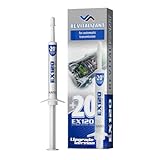
- Rebuilds And Restores Metal Parts And Protects Them From Future Wear.
- Anti Friction Modifier. Eliminates Surfaces Defects & Protects From Extreme Heat
- Stops Transmission Shudder, Reduces Noise & Vibration. Ultimate Stop Slipping Additive
- Increases Performance Reliability And Prolongs Service Life Of Control Gears
- Universal for Automatic, CVT, Tiptronic, Manumatic, Semi-Automatic Transmission
In England, 59% of cars people owned in 2025 were manual and 41% were automatic or semi-automatic, according to the UK Department for Transport’s 2026 National Travel Survey release. That is a snapshot of the existing owned-car mix, not the share of new vehicles produced. See the National Travel Survey 2025 release.
Independent reader supportYour contribution helps us test, update, and keep practical guides available for everyone.Which one should you choose?
Choose an automatic if convenience and availability matter most
An automatic handles gear changes, and it is the more straightforward choice when you want a new U.S. vehicle without narrowing your search to the small set of models that still offer manuals. Check the specific version’s official fuel-economy figures rather than assuming every automatic is more efficient.
Rank #3

- Fit type: Universal Fit
- Reduces wear throughout the transmission and optimizes total transmission performance
- Prevents overheating, reducing elevated operating temperatures - Optimizes total transmission performance
- Eliminates clutch chatter and torque converter shudder; Softens and modifies harsh shifts making them quicker in duration
Choose a manual if you want to select gears yourself
A manual may suit you if you actively prefer operating the clutch and choosing gears. First confirm that the exact model, trim and engine are sold with a manual in your country; availability on one version does not mean it is offered across the whole model range.
Compare costs and safety for the specific vehicle
There is no general winner established here for crash safety, purchase price, repair expense or lifetime cost. Those questions require evidence about the actual vehicles and their condition. Compare listings, maintenance schedules, warranty coverage and inspection findings instead of treating transmission type alone as a reliable proxy for cost or safety.
Quick Recap
Best Value

- Instantly eliminates torque converter shudder
- Provides four times less wear than regular ATF
- The original transmission shudder fix
- Voted top product by transmission professionals
A practical way to compare two versions
- Confirm both versions exist. Check the manufacturer’s specifications or listings for the model year, trim, engine and country you are considering.
- Compare official fuel-economy ratings. Use the EPA or DOE vehicle listings for U.S. models and make sure the engine and drivetrain match.
- Decide which driving operation you prefer. Consider whether you want to operate a clutch and select gears or have the vehicle change gears for you.
- Check vehicle-specific ownership details. Compare the purchase price, warranty, scheduled maintenance and inspection results for the actual examples on offer.
Product prices and availability are accurate as of the date/time indicated and are subject to change. Any price and availability information displayed on Amazon at the time of purchase will apply.