To reduce clutch wear in a manual Porsche 911, depress the clutch fully when shifting, avoid holding the car on a hill with the clutch partly engaged, and do not use prolonged slipping in place of selecting the right gear. Secure the car with the footbrake or parking brake while stopped, follow the hill-start instructions for your exact 911, and make sure the floor mat cannot obstruct the clutch pedal. Some clutch slip is normal when moving off; the goal is to avoid unnecessary or prolonged slip, not to eliminate it altogether.
These habits do not guarantee a particular clutch lifespan, and no mileage figure or percentage reduction in wear can be established from the cited instructions. They are practical ways to avoid adding unnecessary friction during ordinary driving—and to recognize when a change in pedal feel or vehicle behavior should be checked by a qualified professional.
As an Amazon Associate I earn from qualifying purchases.
What causes avoidable clutch wear?
The clutch connects and disconnects the engine from the transmission. When it is partly engaged, the clutch slips as the engine and transmission turn at different speeds. Some slip is needed for a smooth start from rest: the car has to begin moving while the engine is running. Keeping the clutch slipping longer than necessary, however, creates avoidable wear.
Recommended Free Tools
A Haynes workshop-manual excerpt cautions that deliberately slipping the clutch instead of selecting the correct gear accelerates wear. It identifies one possible symptom of clutch slip: engine speed rises without a corresponding increase in road speed, particularly on a gradient. That symptom warrants diagnosis; by itself, it does not identify which part has failed.
#1 Best Overall

- Brand new all weather floor mats made to fit your Porsche 911
- Clips in place to factory floor mat anchors
- Keeps spills and dirt off of factory carpets
- Replaces factory carpeted floor mats
The useful distinction is not “slip is always bad” versus “slip is harmless.” A normal launch involves a brief, controlled engagement. The avoidable pattern is continuing to use the partly engaged clutch to manage the car when the manoeuvre does not require it—for example, using it to hold the car stationary or substituting clutch slip for choosing a suitable gear. Avoiding that unnecessary use is the central preventive habit.
There is no universal engagement time, engine speed, or launch recipe that can be prescribed for every manual 911, every slope, and every driver. The car’s controls, equipment, and instructions can vary. Focus on completing ordinary engagements without lingering at the friction point, and use the brakes to secure a stopped car.
Use the clutch fully when changing gears
Porsche’s 2005 911 Carrera owner’s manual says: “Always depress the clutch pedal fully when changing gears.” Pressing the pedal all the way down for a shift is a clear, model-specific instruction from that manual. Do not treat it as confirmation that every 911 has identical pedal setup or operating instructions; consult the manual for the car you drive.
Free tools Windows power users keep installed
One-click scans. No signup required.
For routine shifts, make sure your foot movement actually depresses the pedal fully rather than stopping short. A floor mat or other obstruction must not limit that travel. Once the gear is selected, release the pedal in a controlled manner as part of the shift; do not keep it partly depressed without a reason. This is not a recommendation to rush a shift or to release the pedal abruptly. The aim is a normal engagement rather than prolonged partial engagement.
If you are unsure whether the pedal reaches its full travel, first check for an obvious obstruction such as a loose mat. If the pedal itself feels different or its free travel has changed, do not assume that a new driving technique will fix it. Treat that change as a possible malfunction and seek qualified diagnosis, as described below.
Do not hold the car on a hill with the clutch
Porsche’s 2005 Carrera manual warns: “Do not hold the car on a steep grade with the clutch pedal partially depressed.” When stopped on a slope, use the footbrake or parking brake to keep the car in place rather than balancing it at the clutch’s friction point. When you are ready to move, follow the hill-start procedure in the owner’s manual for that particular vehicle.
This distinction is important: a clutch may slip briefly while the car moves away from rest, but using that slipping state to keep the car from rolling while it remains stationary is avoidable. The brake is the appropriate control for securing the stopped car. Do not rely on partly engaging the clutch as a substitute for the footbrake or parking brake, particularly on a steep grade.
Rank #2
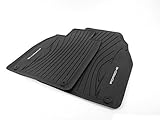
- Porsche OEM all weather mats for the 911 (992 generation)
- Includes two mats for the front drivers and passengers foot wells
- Easy to clean and easy to install
- Lip keeps liquids contained to prevent staining
On a hill start, use the equipment and sequence documented for your own car. The exact procedure can depend on the 911’s model year, transmission, and fitted features. Do not infer from one manual that every manual 911 has the same hill-start aid, or that an aid’s operating steps are interchangeable across generations.
Using the documented Drive-Off Assistant procedure
A 2006–2009 Porsche 911 Turbo driver’s manual describes a Drive-Off Assistant procedure for manual-transmission vehicles. The feature and its operating instructions are specific to the vehicle; this example does not mean that every manual 911 has Drive-Off Assistant.
- Secure the vehicle with the footbrake.
- Depress the clutch and select the gear for the direction of travel.
- Release the handbrake.
- Release the footbrake and move off as usual.
Use this sequence only if the feature is fitted and the manual for your car gives these instructions. If the car’s equipment or procedure is unclear, check its own owner’s manual rather than assuming the Turbo instructions apply. The cited sequence is a model-specific example, not a universal hill-start recipe.
Avoid needless slipping in other situations
When moving off, a brief period of clutch slip is part of getting the car rolling smoothly. After that, avoid keeping the pedal in a partly engaged position longer than your manoeuvre requires. If you need to slow or stop, use the brake rather than the clutch as a substitute for braking. If the car is stationary on a slope, secure it with the footbrake or parking brake rather than holding it at the friction point.
The Tool Desk
Outbyte Driver Updater FREEFix the driver behind crashes, sound loss and screen glitchesFind Drivers →Outbyte PC Repair FREEClear out junk files and repair common Windows errorsFree Scan →Pay particular attention to repeated low-speed manoeuvres and gradients, where it can be tempting to let the clutch do work that should instead be handled by choosing the appropriate gear or using the brake to hold a stopped vehicle. The Haynes workshop-manual excerpt specifically cautions that intentionally slipping the clutch instead of selecting the correct gear accelerates wear. It does not establish a single correct gear for every situation, so use the gear selection and operating instructions appropriate to your car and conditions.
There is no single engine speed or engagement time that can be prescribed for every 911, driver, slope, and manoeuvre. The useful distinction is whether slip is needed briefly to move the car, or whether it is being prolonged to control or hold the car when another suitable control is available. Avoid turning that distinction into an absolute rule that the clutch must never slip during a normal launch.
If a maneuver requires the car to remain stopped, use a brake. If the car needs to move, select the gear suited to the maneuver and engage the clutch normally. Avoid using the clutch as a brake, as a parking device, or as a way to compensate for not selecting an appropriate gear. These principles are more reliable than trying to memorize a universal rev count or a fixed number of seconds, neither of which is established for every 911.
Rank #3

- Distinctive Design - Redefine sophistication with our cutting-edge carbon fiber design - where luxury meets innovation, blending timeless elegance with a futuristic edge. Shimmering with a dynamic luster that changes with the light. The sleek lines and upgrade materials give it a futuristic edge, setting it apart from conventional designs, crafted for those who demand the extraordinary in every detail.
- Timeless Elegance - Exude effortless sophistication with floor mats that subtly conceal dirt, offering a refined, luxury feel without the visible marks of traditional black mats. Keep your interior effortlessly chic.
- Stylish & Safety - Designed to elevate your vehicle’s interior, our floor mats feature a unique pattern and a color that shines with the surrounding light, exuding luxury that is both bold and subtle. The floor mat retainer ensures they stay securely in place, while the precise fit guarantees no interference with the pedals. These mats combine functional protection with a sophisticated, dynamic aesthetic that enhances the overall design of your car.
- Multi-Layer Protection - Engineered for durability, our upgraded material features an electroplated layer over TPE, providing multiple layers of protection that make it tougher, longer-lasting, and easier to clean. Designed to withstand the rigors of everyday use while ensuring effortless maintenance and long-lasting performance.
- Perfect Fit - IKABEVEM carbon fiber pattern floor mats are custom-designed for 2019 2020 2021 2022 2023 2024 2025 2026 911 (GT3/GT2/Turbo/Targa/Carrera models).
Check that the floor mat cannot block pedal travel
Porsche’s 2005 Carrera manual warns that a shifting or obstructing floor mat can interfere with safe clutch-pedal operation and advises securing the mat. Check that the mat is the right fit for the car, is attached securely, and stays clear of the clutch pedal through its full movement. A mat that moves into the pedal’s path should be removed or properly secured before driving.
Check the mat with the pedal at rest and while moving the clutch through its full travel. A mat can appear to be in place but still shift or fold into the pedal area. The relevant test is not just whether it looks tidy when the car is parked; it must remain securely attached and leave the pedal unobstructed throughout its movement. If it interferes, do not drive with it in that position.
When choosing a replacement, confirm fitment for the exact 911 model year, generation, and trim, and verify that the mat’s attachment and shape leave the pedal unobstructed. A product’s general description as a “911 mat” is not enough to establish that it fits a particular car safely. Check that the attachment points match the car and that the mat cannot migrate into the pedal’s path.
There is no verified product recommendation or product test established here. The practical buying criteria are exact vehicle fitment, secure attachment, and clearance through full clutch-pedal movement. If a seller does not identify fitment clearly for your year and trim, confirm compatibility before purchase rather than assuming that a mat for another 911 will work.
Know when a change calls for diagnosis
Changed pedal free travel
If clutch-pedal free travel changes, particularly if the change is sudden, treat it as a possible sign of a malfunction rather than a normal adjustment to driving technique. Porsche’s 2005 Carrera manual directs the driver to a Porsche dealer when this occurs. The change alone does not prove which component is responsible.
Do not try to resolve an unexplained change by adjusting your foot position, forcing the pedal, or buying a part based only on the symptom. Note what has changed and arrange a qualified assessment. The manual’s warning is a reason to get the car checked, not a diagnosis of a specific failed component.
Possible clutch slip
If engine speed increases without a matching increase in road speed, especially while climbing a gradient, the Haynes workshop-manual excerpt describes clutch slip as a possible explanation. Arrange an assessment by a Porsche dealer or qualified Porsche specialist rather than buying parts based on that symptom alone. A qualified diagnosis can establish what is actually wrong.
Rank #4

- CUSTOM FIT-Compatible with Porsche 911 996 1997 1998 1999 2000 2001 2002 2003 2004 2005 2006. Please confirm your specific vehicle model before ordering to avoid returns. FULL SET of custom-fit floor mats,4X Floor Mats As Picture Shows. Everything you need for complete floor protection.
- PREMIUM VELOUR CARPET-Unlike hard TPE/rubber mats that feel cold and industrial, our velour carpet surface delivers a soft, luxurious feel underfoot while the waterproof plastic backing underneath blocks all liquids from reaching your original carpet.
- ANTI-SLIP SAFETY BACKING-With anti-skid buckle matched with the original car,Your mats stay exactly where they should be — no interference with accelerator, brake, or clutch pedals.
- ODORLESS- Zero chemical smell right out of the box — safe for your family and pets from day one. The high-density velour fabric resists pilling, fading, and wear even after years of daily use and repeated cleaning.
- EFFORTLESS CLEANING C-lean in seconds: ① Shake off loose dirt and debris ② Wipe surface stains with a damp cloth ③ Rinse with water for deep cleaning — air dry and reinstall.
One symptom should not be treated as conclusive proof of a particular part failure. The excerpt identifies a possible sign of slipping, not a complete diagnostic test or a parts list. If the behavior is new or repeatable, report the circumstances—including whether it occurs under load or on a gradient—to the person assessing the car. Do not attempt to compensate by keeping the clutch partly engaged for longer.
Use the instructions for your specific 911
The direct clutch-pedal and floor-mat guidance above comes from a 2005 911 Carrera owner’s manual. The Drive-Off Assistant example comes from a 2006–2009 911 Turbo driver’s manual. Those documents are useful examples, not universal instructions for every manual 911. Before applying a model-specific hill-start feature or procedure, check the owner’s manual for the car’s generation, model year, transmission, and equipment. Instructions may differ with the vehicle and market.
What’s actually slowing this PC down?
Pick the symptom - the matching free tool is one click away.
For any model-specific instruction, identify the exact car first: generation and model year, whether it is a manual-transmission vehicle, and the equipment actually fitted. Use the market-specific owner’s manual for that vehicle. A procedure described for a Turbo is not automatically applicable to a Carrera, and a feature described for one year range should not be presumed to be present on another car.
This is also the right way to compare potential floor mats: check exact year, generation, and trim fitment; confirm the attachment points; then make sure the installed mat remains clear of full pedal movement. The decision is about safe fit and pedal clearance, not simply choosing a mat with a broad Porsche or 911 label.
No mileage lifespan or percentage reduction in wear can be established from these instructions. Nor do the cited manuals establish a maintenance price, replacement interval, or cost estimate. Clutch life and service needs cannot be predicted here from one habit or symptom. The practical guidance is to avoid unnecessary slip and respond appropriately to changes—not to assume a replacement mileage or purchase parts without diagnosis.
Independent reader supportYour contribution helps us test, update, and keep practical guides available for everyone.What to do in practice
Before driving, confirm that the mat is secured and cannot obstruct pedal travel. While shifting, depress the clutch fully as Porsche’s 2005 Carrera manual instructs. When moving off, allow the brief slip needed for a smooth launch, then complete engagement without lingering unnecessarily. When stopped on a grade, hold the car with the footbrake or parking brake and follow the hill-start directions in the exact car’s manual. If pedal free travel changes or the engine speed rises without a corresponding increase in road speed, seek qualified diagnosis instead of guessing at a repair.
These are prevention and response steps, not a promise that wear can be eliminated. A clutch is a friction component, and ordinary moving off involves engagement. The aim is to avoid using that friction unnecessarily, preserve safe pedal travel, and rely on vehicle-specific instructions for features such as hill-start assistance.
Best Value

- Compatible with select 2014-2019 Porsche 911 Turbo, 2012-2019 Porsche 911 Carrera S, 2012-2019 Porsche 911 Carrera S Cabriolet, 2018-2019 Porsche 911 GT2 RS, 2019-2019 Porsche 911 Speedster, 2014-2019 Porsche 911 Targa 4 Models. Please confirm fitment to your year, make, and model in Amazon ConfirmedFit prior to purchase.
- Coverage Area: 1st Row (Driver & Passenger), Color: Black
- The FloorLiner is proudly designed, engineered, and manufactured with American made tooling in the USA.
- A patented High-Density Tri-Extruded (HDTE) material allows for a rigid core for strength while offering surface friction to the carpet, as well as a tactile feel to the surface! Advanced surfacing creates channels that carry fluids and debris to a lower reservoir with further channeling to help minimize fluid movement while driving!
- Images may be representative and may not reflect the actual vehicle or part.
Frequently Asked Questions
How do I prevent clutch wear in a manual Porsche 911?
Depress the clutch fully when shifting, avoid prolonged slipping when it is not needed, and do not hold the car on a slope with the clutch partly engaged. Use the footbrake or parking brake to secure a stopped car, follow the hill-start instructions for your exact 911, and ensure the floor mat cannot obstruct full pedal travel.
Is it bad if the clutch slips briefly when I move off?
No. Some clutch slip is involved in a smooth start from rest. The goal is to avoid unnecessary or prolonged slip, not to eliminate slip from every normal launch. The cited guidance gives no universal engine speed or engagement time for all 911s.
How should I do a hill start in a manual 911?
Use the procedure in the owner’s manual for your specific car. Porsche’s 2005 Carrera manual warns against holding a car on a steep grade with the clutch partly depressed. A 2006–2009 911 Turbo manual describes a Drive-Off Assistant sequence, but the feature and instructions are vehicle-specific and should not be assumed to apply to every 911.
Quick wins for a faster PC:
Repair Windows errors before they cause bigger problemsFix Now →Fix the driver behind crashes, sound loss and screen glitchesFind Drivers →What does it mean if engine revs rise but the car does not speed up?
That can be a sign of clutch slip, particularly on a gradient, according to a Haynes workshop-manual excerpt. It does not by itself prove which component has failed. Have a Porsche dealer or qualified Porsche specialist diagnose it rather than buying parts based on the symptom alone.
Can a floor mat cause a clutch problem?
A shifting or obstructing mat can interfere with safe clutch-pedal operation. Use a correctly fitted mat that is securely attached and stays clear through the pedal’s full movement. Check year, generation, and trim fitment rather than relying on a generic 911 description.
How long should a Porsche 911 clutch last?
The cited manuals and workshop excerpt do not establish a mileage lifespan or a quantified wear-reduction figure. They support habits that avoid unnecessary slip, but they do not provide a replacement interval or predict when an individual clutch will need service.
Should I buy a clutch part if I notice a change in pedal feel?
No. Porsche’s 2005 Carrera manual says a change in clutch-pedal free travel can indicate a malfunction and directs the driver to a Porsche dealer. The symptom alone does not identify the failed component, so seek qualified diagnosis before buying parts.
PC Slower Than It Used to Be?
A free scan shows the junk files, broken settings and background clutter dragging Windows down - then fixes them in one click.Free scan · Windows 10 & 11Outdated Drivers Are Slowing You Down
One free scan finds every outdated or missing driver and matches the right update for your exact hardware.Free scan · exact hardware matchThe Bottom Line
Use full clutch travel for shifts, avoid holding a stopped 911 on a slope with the clutch, and do not prolong slip when it is not needed. Secure the floor mat, follow the hill-start instructions for the exact vehicle, and get changed pedal free travel or possible slip checked by a Porsche dealer or qualified specialist. No universal clutch lifespan or replacement interval is established by the cited guidance.
Quick Recap
Product prices and availability are accurate as of the date/time indicated and are subject to change. Any price and availability information displayed on Amazon at the time of purchase will apply.




