Your first drag-strip visit goes smoothly when you treat it as a rules-and-safety exercise before it becomes a driving exercise. Confirm the track’s event format and current requirements, prepare the car for technical inspection, bring the right documents and clothing, arrive early, and let officials direct you through registration, tech and staging. A generic checklist cannot guarantee a pass: the track’s inspector applies the rules for that event and vehicle.
1. Confirm the event before you leave home
Do not assume that every drag strip uses the same procedures. NHRA’s participant guidance says to check the schedule with the track and contact officials with questions about your specific car and event. A test-and-tune session is often the most approachable format for a first visit, but the available sessions, entry process, safety rules and lane procedures are local decisions.
As an Amazon Associate I earn from qualifying purchases.
What to ask the track
- Is the date a test-and-tune, a Street Legal session, a competition event or another format?
- What time do the gates, registration and technical inspection open, and when do runs begin?
- What safety equipment is required for your car’s performance and configuration?
- Is a helmet required, and if so, what rating is accepted?
- Is helmet rental available, or must you bring your own?
- Which driver and vehicle documents must you show?
- Are there limits on passengers, convertibles, motorcycles, modified vehicles or vehicles with particular power levels?
- Does the facility provide compressed air, and are there restrictions on tools or mechanical work in the pits?
Write down the answers and the phone number or official contact channel you used. Requirements can change between events, and an answer that applies to one session may not apply to another.
Choose a realistic first objective
Your first outing is about learning the sequence: entry, registration, inspection, staging, launch and return. You do not need to chase a personal-best elapsed time. A conservative first pass lets you understand the surface, starting lights and shutdown area without turning an unfamiliar environment into a mechanical or safety problem.
#1 Best Overall

- HIGH ACCURACY: Every ETENWOLF's pencil tire gauge is calibrated to ANSI B40.1 Grade B, it is accurate to 2% of span in the middle 50% of range and 3% of span in the lower and upper 25% of range. Each ETENWOLF pencil tire pressure gauge is manually calibrated and has its unique calibration number printed on the pencil
- WIDER RANGE: ETENWOLF's tire gauge offers 2 pressure ranges: 10-50PSI, 20-120PSI for all types of vehicles
- ALL METAL: ETENWOLF tire gauges are made of all solid metal, zinc alloy head and stainless steel body, they are durable and can be used for many years unless you lose them
- DEFLATION: You can also use ETENWOLF's tire gauge to deflate tires when the tire pressure is overinflated
- 16 CAPS IN 2 CASES: ETENWOLF even offers 16 valve stem caps, so you won't worry about losing tire caps anymore
2. Prepare the car for inspection
NHRA’s first-timer guidance calls out a short list of basic checks. Perform them when the car is cold and in good light, then repeat a quick walk-around immediately before loading or driving to the track. Passing your own inspection does not replace the official tech inspection.
Safety inspection checklist
| Area | What to check | What a problem means |
|---|---|---|
| Seat belts | Confirm the belt latches, releases and adjusts normally. Inspect the webbing for obvious damage. | Repair or replace the belt before attending. Do not plan to “explain it” to the inspector. |
| Wheels and lug nuts | Verify that every lug nut is present and properly tightened. Look for damaged studs, wheels or visible cracks. | A missing or loose fastener is a reason to stop preparation and correct the car. |
| Tires | Check condition, inflation and visible damage. Street Legal guidance calls for safe, DOT-approved tires. | Replace unsafe tires before the event; a tire that is acceptable for ordinary commuting may still fail inspection. |
| Hoses and clamps | Look for loose clamps, split hoses, chafing or signs that a connection is not secure. | Repair the fault and clean up any resulting fluid before driving. |
| Battery | Make sure the battery and its connections are secure. | A loose battery can create a safety hazard and may be rejected at tech. |
| Lights | Test the required headlights and taillights. Street Legal guidance specifically lists working lights. | Fix failed bulbs, switches or wiring before the event. |
| Hood and closures | Check that the hood and other closures latch securely. | Do not make a run if a closure can open under acceleration. |
How tire rules are applied
The 2023 General Regulations excerpt surfaced for this topic says street tires are visually checked for condition and pressure and gives a 1/16-inch minimum tread depth. That excerpt is context, not a promise that the same wording is current for your event. Verify the current rulebook and the track’s interpretation before relying on any measurement. An inspector makes the final decision.
3. Empty the car and secure what remains
Remove loose objects from the passenger compartment and trunk. A phone, water bottle, floor mat, tool or camera can move under acceleration, interfere with a pedal or become a projectile. Do not leave items in a door pocket simply because they seem light.
If you need equipment during the day, carry it in a separate bag and leave that bag in the pit area unless officials permit it in the car. Before entering the lanes, perform a second sweep: close the trunk, latch the hood, and make sure nothing can roll beneath the driver’s feet.
Rank #2

- Professional Tire Pressure Gauge for Cars - This heavy duty mechanical tire pressure gauge is calibrated to ANSI B40.1 Grade B (2%) international accuracy standard so you get a precise, accurate pressure reading every time you use it. Makes great car accessories, car stuff, tire deflator, car stuff for men, cool car gadgets, car gifts for men, him, dad.
- Recommended by mechanics - It features a steel and brass construction with an extended 5mm chuck tip, so you get a great seal with no air leakage. This automotive tool is also surrounded by a rubber cover, so it is protected from drops and is easy to grip.
- No batteries required - This top-rated, professional tire monitoring system is easy to use and is reliable in all weather conditions. A perfect accessory for your car, motorcycle, truck, bike, SUV, RV or ATV - it will not let you down.
- Easy to read dial with a 45 degree angled and fully swivelling chuck. Our built in relief valve allows you to press the bleed button whilst the gauge is still on the tire valve, releasing air until you reach the exact target required.
- Car accessories for men and women - Give as the perfect gifts for men, car accessories gifts for men, gifts for dad, car gifts, car gifts for men, car stuff for men, gifts for car guys, car guy gifts for men, gifts for car lovers, cool car gifts, car lovers gifts for men.
4. Bring documents, clothing and conditional safety gear
For Street Legal participation, NHRA lists a valid driver’s license, vehicle registration and proof of insurance as general expectations. Bring the originals or the forms the track accepts, and confirm local requirements before the trip.
| Category | Bring or wear | Qualification |
|---|---|---|
| Driver documents | Valid driver’s license | Confirm the track’s current identification requirement. |
| Vehicle documents | Registration and insurance documentation | Street Legal guidance lists both; local rules control. |
| Clothing | Long pants that are not nylon, a sleeved shirt, closed-toe shoes and socks | Use the event’s current wording if it is stricter. |
| Helmet | A helmet meeting the accepted rating, if required | Need depends on the vehicle and event. Ask whether rental helmets are available before buying one. |
| Eye and additional equipment | Any equipment named by the local rules | Additional gear may be required for particular cars or performance levels. |
Do not buy a helmet based only on a generic internet list. Ask the track which certification it accepts and whether the requirement applies to your car’s expected performance. If rental equipment is offered, confirm availability and sizing in advance.
5. Pack for a full day without overloading the car
A tire-pressure gauge is the most directly useful item for the car. Add basic tools only if you know how to use them and the facility permits work in its pits. NHRA’s first-time guide also suggests practical items such as snacks, drinks, sunscreen, cash and a pen. Amenities and payment policies vary, so do not assume that food, shade, card payment or air will be available.
Crashes, No Sound, or Screen Glitches?
Random freezes, missing sound and display glitches usually trace back to one bad driver. Find and replace yours safely.Free scan · under a minutePC Slower Than It Used to Be?
A free scan shows the junk files, broken settings and background clutter dragging Windows down - then fixes them in one click.Free scan · Windows 10 & 11Keep personal supplies out of the vehicle during a run. Store them in the pit area, in a permitted container, or with a companion who is not making the pass. Bring a way to record your lane number and run information, but never handle a phone while the car is moving.
Rank #3

- Accurate, Dependable Readings: Factory‑calibrated to ±1 PSI, so you can confidently match your vehicle’s recommended PSI (check the door jamb sticker). Ideal for monthly checks and road trips — consistent results every time, cold or warm.
- Bright Backlit Display & Nozzle Light: The illuminated nozzle helps you find the valve stem in the dark, while the backlit LCD makes readings crystal clear in dim garages or at night. No more squinting or holding a flashlight.
- 4 Measurement Units, One Button: Quickly switch among PSI, Bar, Kgf/cm², and KPA with a single press. No complex settings — just press and cycle to your preferred unit. Perfect for drivers who need multiple scales.
- Broad Compatibility for Everyday Vehicles: 0–150 PSI covers cars, SUVs, motorcycles, and spare tires (often 60 PSI). Fits standard Schrader valves; just press on for a reading.
- Auto‑Off to Extend Battery Life: The gauge automatically powers down after 30 seconds of inactivity, so the included 2*AAA batteries last longer. Always ready for your monthly checks without surprise dead batteries.
6. Follow the track’s arrival and tech sequence
Arrive early enough to find parking, understand the facility and complete the entry process without rushing. NHRA describes a sequence that includes paying the entry fee, completing a tech card, taking the car for inspection, registering and then proceeding to the staging lanes. The exact order and locations are track-specific.
- Park and orient yourself. Find the registration area, technical inspection lane, staging lanes, restrooms, pit space and the route back from the shutdown area. Ask an official if signs are unclear.
- Pay the applicable entry fee. The amount and accepted payment methods are set by the event; carry the payment method the track confirmed.
- Complete the tech card accurately. Provide the requested driver, vehicle and class information. Ask officials about any field you do not understand rather than guessing.
- Present the car for inspection. Keep the required documents and safety equipment accessible. The inspector may check items beyond your personal checklist.
- Register or obtain your run identification. Follow the instructions for numbers, wristbands, stickers or other event identifiers.
- Move to the staging lanes when directed. Do not occupy a lane merely because it is empty; officials may be organizing cars by class, session or run order.
If the car fails tech, ask what must be corrected and whether reinspection is permitted that day. Do not argue from a generic rule list: the inspector is applying the applicable event requirements.
7. Learn the staging lanes before making a run
Watch at least one cycle of cars if officials allow it. Notice how vehicles enter the lanes, where they stop, how they are released and which signals indicate that a lane is moving. Stay with your car, listen for announcements and keep an eye on officials rather than relying only on a friend’s interpretation.
Lane behavior that prevents delays
- Keep the car in the assigned lane and leave enough space to move when the line advances.
- Follow hand signals and posted instructions even when another driver appears to do something different.
- Do not walk between moving cars or cross active lanes without permission.
- Keep your helmet, documents and required clothing ready before the lane reaches the front.
- Tell an official immediately if the car develops a warning light, leak, overheating problem or other fault.
Officials may pause a lane, redirect cars or change the order. Treat those changes as safety instructions, not as a race against the queue.
Rank #4

- PROCESS LEVEL ACCURACY: This heavy duty tire pressure gauge is calibrated manually to ANSI B40.1 Grade A (±1% of span)
- PRESSURE RANGE 0-75 PSI: ETENWOLF’s tire gauge can measure pressure of pickup, motorcycle, truck, bike, SUV, RV or ATV
- EASY TO READ IN THE DARKNESS: The large glow dial helps you clearly read the pressure at night or in low light
- EASY TO USE: 360 degree swivel chuck allows you to measure and take a reading from a tire valve at any angle
- ACCURACY IN EXTREME WEATHER: PSI gauge works normally even in extreme cold or hot weather
8. Make the first pass deliberately
Before pulling forward, secure the loose-item situation again, confirm the hood is latched, buckle the seat belt and put on every required safety item. Adjust mirrors and seating before you reach the starting area. If you are unfamiliar with the controls, tell an official before staging.
Use the launch procedure you have practiced on the street or at a closed facility, not a dramatic technique copied from a faster car. The track surface, starting lights and available grip are unfamiliar. A smooth, controlled pass gives you information about how the car behaves and where the shutdown area is located.
After crossing the finish, continue through the designated shutdown route, slow as directed and return using the track’s prescribed path. Do not stop on the racing surface to discuss the run or retrieve an object. If the car feels abnormal, signal officials and move only as instructed.
Quick wins for a faster PC:
Repair Windows errors before they cause bigger problemsFix Now →Scan for outdated or missing drivers - takes under a minuteDriver Scan →Clear out junk files and repair common Windows errorsFree Scan →9. Tire pressure: measure first, change only with a reason
Bring a reliable gauge and record the pressure before making any adjustment. NHRA’s 2019 first-time guide discusses a modest rear-pressure change as an optional example, particularly for rear-wheel-drive cars, but its sample figures are not universal settings. Pressure depends on the vehicle, tire, temperature, surface and event guidance.
Best Value
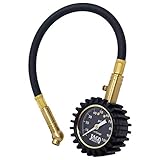
- Mechanic Recommended - performance tested, certified, & calibrated accurate within ANSI Standards (±1.5%) at our ANSI accredited calibration facility, ensuring precise tire pressure readings without relying on batteries
- Feels rugged in the hand & built to last from solid brass shielded by our durable shock-resistant gear-style protective guard; features our signature HybridFlex leak-proof air hose providing a soft feel with superior strength & flexibility
- Robust design is equipped with a built-in air bleeder valve to reduce pressure in overinflated tires, and the handy 360-degree swivel chuck allows for easy access to the tire valve from any angle
- Larger, 2" glow dial features easy-to-read 100 PSI single increment scale that glows in the dark, providing accurate readings that "lock" in place until the pressure reset button on the brass neck is pressed
- 100% Lifetime Warranty by JACO when you order today, so click buy with confidence and enjoy longer-lasting tires, improved gas mileage, and a smoother car driving experience with the help of properly inflated tires.
For a first visit, leaving the manufacturer-appropriate pressure in place is a defensible choice unless the track, tire maker or an experienced official gives you a specific reason to change it. If you do adjust pressure:
- Measure all tires when they are at a comparable temperature.
- Change pressure in small, recorded increments rather than making a large guess.
- Make one change at a time so you can identify its effect.
- Stop if the car becomes unstable, spins unexpectedly or behaves differently from your plan.
- Restore a suitable road pressure before driving home, using the vehicle and tire maker’s guidance.
Some tracks provide air for the return trip, but availability is not guaranteed. Ask before relying on it and carry your own gauge regardless.
10. Common first-visit problems and the correct response
The car is rejected at tech
Ask the inspector to identify the exact item and whether a reinspection is possible. If the issue is a missing document, clothing item or removable object, correct it and return through the stated process. If it concerns tires, belts, wheels, battery security or another mechanical condition, do not improvise a trackside repair unless the facility permits it and you can make the car safe.
Recommended Free Tools
You are unsure where to go
Stop in a safe location and ask an official. Tracks commonly have several queues, and moving into the wrong one can delay you or place the car in an inappropriate session. Watching the next group is useful, but an official’s direction takes priority.
The car develops a fault in the lanes
Signal for help, keep the car stationary if that is safest, and tell the lane official what happened. Do not continue because you have waited a long time. A fluid leak, overheating warning, damaged tire or unusual vibration can endanger you and the cars behind you.
You feel pressured to launch harder
Tell yourself before arrival that a conservative pass is acceptable. Decline a technique or setting you have not practiced, and ask an official if you need clarification. The goal of the first visit is to learn the facility and return with a sound car.
11. A practical timeline for the day
| When | Action |
|---|---|
| Several days before | Confirm the event format, schedule, entry procedure, documents, clothing, helmet rule, rental availability and payment method with the track. |
| The evening before | Complete the belt, wheel, lug-nut, tire, hose, clamp, battery, light and closure checks; remove loose objects; pack documents, gauge, clothing and permitted supplies. |
| On arrival | Park, locate facilities, complete payment and the tech card, and ask where the inspection line begins. |
| After inspection | Keep the car ready, observe the lane flow and remain available for announcements and official instructions. |
| Before staging | Repeat the loose-object sweep, secure the hood and trunk, buckle up and put on required equipment. |
| After the pass | Use the designated shutdown and return route, report any problem, check the car safely and restore road-appropriate tire pressure before leaving. |
12. The principle that prevents most first-timer mistakes
Prepare against the rules you have confirmed, not against assumptions about what a “street car” should pass. Event format, safety equipment, paperwork, inspection details and lane procedures vary by track and date. A clean car, complete documents, compliant clothing, a pressure gauge and early arrival remove avoidable problems; the local officials determine whether the car may run.
Quick Recap
Product prices and availability are accurate as of the date/time indicated and are subject to change. Any price and availability information displayed on Amazon at the time of purchase will apply.




