Recommended Free Tools
Choose cover by the losses you could not comfortably pay for, then match the policy to your scooter’s actual use. For a road-going UK scooter or moped, third-party insurance is the legal minimum. Third-party, fire and theft (TPFT) adds protection for specified theft and fire losses, while comprehensive cover generally also pays for accidental damage to your own scooter. Every level remains subject to excesses, exclusions, security conditions, permitted-use rules and the insurer’s valuation method.
This guide covers motor scooters and mopeds used on public roads. A powered mobility scooter or wheelchair is a different insurance category with different eligibility rules and policy wording; see the final section if that is what you mean.
As an Amazon Associate I earn from qualifying purchases.
What insurance do I need for a scooter?
UK law requires motor insurance before you drive a vehicle on public roads. GOV.UK states: “You must have motor insurance to drive your vehicle on UK roads.” The legal floor is third-party cover, which pays your liability for injury to other people and damage to their property, subject to the policy terms. It does not pay to repair or replace your own scooter after a collision, theft or fire.
Do these 3 things before closing this tab:
1Fix the driver behind crashes, sound loss and screen glitches2Clear out junk files and repair common Windows errors3Scan for outdated or missing drivers - takes under a minuteThe Highway Code’s Annex 3 describes third-party insurance as the minimum cover required by law and notes that it is often the cheapest form. “Often” is not a promise about your quote: scooter premiums vary with the rider, location, vehicle, use, claims history, security and insurer. You should compare like-for-like cover rather than assuming one cover label always costs less.
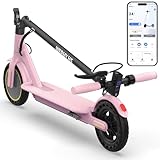
#1 Best Overall

- POWERFUL MOTOR & 20 MPH TOP SPEED: Electric scooters is equipped with a powerful 500W peak motor, reaches speeds of up to 20 MPH for a smooth and efficient ride. making it perfect for daily commutes and city travel.
- LONG BATTERY LIFE: Foldable Scooter rides up to 21 miles on a single 5-hour charge, uses a 36V 7.8AH powerful battery built for short trips to school, work, or around the neighborhood without the worry of running out of battery
- SMART APP CONTROL: Connect your electric scooter to the mobile app for convenient operation and real-time monitoring. Use the app to activate the electronic lock, view real-time speed, switch speed units, adjust riding modes, control the headlight, and enable cruise control for a smarter and more customizable riding experience.
- 8.5" PNEUMATIC TIRES & IPX4 WATER RESISTANCE: This fast electric scooter has 8.5-inch air-filled tires that provide shock absorption and grip, which easily climb 20° slopes. With an IPX4waterproof rating, it can withstand splashes and light rain, making it a reliable choice for commuters and adventure seekers alike.
- PORTABLE & FOLDABLE: ONE-STEP FOLDING: To collapse the scooter in just 3 seconds and hold up to 264lb, which is easy to carry and store, ideal for commutes, subways, offices, or car trunks, making it ideal for adults and teens alike.
Riding without the required insurance can lead to enforcement action, and a policy can also fail to respond if you use the scooter outside the permitted purpose or if a stated condition is not met. The certificate, schedule, Insurance Product Information Document (IPID) and full wording together define what you have bought.
First check what “scooter” means
This article assumes a road-registered motor scooter or moped. A mobility scooter or powered wheelchair is normally insured under a specialist mobility product, not a standard motor policy. Mobility policies can address product damage, theft and public liability with their own limits, exclusions and eligibility conditions.
Compare the three main cover levels
Cover labels give you a starting point, not a complete answer. The table shows the usual distinction; the insurer’s wording controls the claim.
The Tool Desk
Outbyte Driver Updater FREEScan for outdated or missing drivers - takes under a minuteDriver Scan →Outbyte PC Repair FREERepair Windows errors before they cause bigger problemsFix Now →| Cover level | Liability for injury or property damage to others | Theft or fire damage to your scooter | Accidental damage to your scooter | Best question to ask yourself |
|---|---|---|---|---|
| Third-party only | Yes, subject to terms | No own-vehicle protection | No | Could I fund a replacement scooter and all repairs myself? |
| Third-party, fire and theft | Yes, subject to terms | Generally yes, for the insured perils | Generally no for at-fault collision damage | Are theft and fire my main financial risks, while I can absorb crash repairs? |
| Comprehensive | Yes, subject to terms | Generally yes | Generally yes, subject to policy terms | Is the wider protection worth the premium and excess against my scooter’s value? |
“Comprehensive” does not mean every loss is covered. A comprehensive policy may exclude mechanical wear, deliberate damage, an unauthorised rider, an undeclared business use, an insecure storage arrangement or personal belongings. It can also impose separate excesses for theft, young or inexperienced riders, windscreen-type items or other specified claims.
Third-party only
Third-party is suitable only when you accept the risk of losing the scooter and paying your own repair bills. It can make sense for an inexpensive scooter whose value is close to the premium and excess you would otherwise pay, but make that decision using your own emergency funds and replacement needs. It does not protect your helmet, clothing, luggage or accessories unless the wording expressly provides a benefit.
Third-party, fire and theft
TPFT usually covers the scooter if it is stolen or damaged by fire, while excluding accidental collision damage to your own vehicle when you are at fault. Theft claims can still depend on reporting the incident promptly, supplying keys, meeting security requirements and paying the applicable excess. “Generally” is important: inspect the actual definition of theft, attempted theft, fire and any exclusions.
Comprehensive
Comprehensive generally combines third-party liability with theft, fire and accidental-damage cover for your scooter. It is often considered when the scooter is valuable, financed, difficult to replace, essential for work or expensive to repair. Compare the likely settlement with the scooter’s market value and your excess; a high excess can leave a small claim uneconomic.
How to decide which level fits your situation
- Set the worst-case amount. Estimate what you would need to replace the scooter, pay for recovery and meet immediate transport costs after theft or a total loss. Do not assume the insurer will pay the original purchase price.
- Check the scooter’s settlement basis. Ask whether a total loss is settled at market value or another stated valuation. Replacement cost is not automatic unless the wording specifically promises it. Check age, mileage, accessories and depreciation rules.
- List the risks you actually face. An urban scooter parked outdoors may face a different theft exposure from a machine locked in a private garage. A daily commuter may face more collision exposure than an occasional rider. Your choice should follow those risks, not the label alone.
- Price identical assumptions. Obtain quotes using the same rider details, annual mileage, vehicle value, use, security and excess. Otherwise a cheaper quote may simply provide less cover or rely on an inaccurate declaration.
- Test the excess against your budget. Add compulsory and voluntary excesses and check whether separate theft or inexperienced-rider excesses apply. Choose a voluntary excess only if you could pay the combined amount after a claim.
- Read the documents before payment. The quote screen is not the contract. Check the current IPID, schedule, certificate and full wording for the policy start date and the exact scooter model.
Does scooter insurance cover theft?
Third-party-only insurance does not cover theft of your own scooter. TPFT and comprehensive policies generally do, but only within the theft definition and conditions in the wording. A theft claim may require a police reference, both original keys, evidence of ownership and compliance with declared security measures.
Rank #2

- 【Powerful Motor & Long Range】 Equipped with a 350W motor, the Aovowheel purple scooter reaches speeds up to 16 MPH and delivers up to 16 miles of riding on a single charge. Perfect for school commutes, weekend adventures, or park rides, this electric scooter offers excitement and reliable performance for young riders
- 【Dual Braking & Bright Lighting System for Safe】The scooter has EABS front brake and rear drum brake for responsive stopping power. Bright LED headlights illuminate the path, while the rear brake light increases visibility during evening rides. The 8.5-inch solid tires provide shock absorption and a smooth ride across different terrains
- 【Cool Graffiti Deck & Non-Slip Design】The Purple model features a vibrant graffiti-style purple foot deck, making it visually appealing and unique. Great for kids to show off their personality while commuting to and from school, cruising around the neighborhood, or enjoying outdoor fun!
- 【Intelligent APP control & Three Adjustable Speed Modes】Supports connection to dedicated APP, allows monitoring of escooter status and setting speed limits, customizable cruise mode, and lighting settings. This scooter features three speed modes (E-7.5 MPH, D-11 MPH, S-19 MPH) suitable for beginners to advanced riders. The high-definition LCD screen clearly displays battery level, speed, mileage, and other data, allowing you to understand your riding status at a glance
- 【Lightweight & Foldable for Easy Carrying】Our Innovative e-scooter features 3-second fast folding technology, enabling one-click storage. Weighing only 22 pounds and compact in folding size, it can easily fit into the trunk of a car or take public transportation, it’s perfect for family trips or city living. Kids can bring their scooter anywhere with no hassle
Security conditions
Some policies specify where the scooter is kept overnight, whether it must be locked to an approved ground anchor, and whether an alarm, immobiliser or tracking device must be active. State only security you genuinely use. If the policy requires a device and it was not fitted, maintained or activated, the insurer may reduce or refuse a claim under the applicable terms.
Keys, accessories and personal items
Standard theft cover for the scooter does not necessarily include replacement keys, luggage, communication equipment, modifications or riding kit. Check each item’s definition and sub-limit. Keep purchase records, photographs, service records and key details in a safe place; they can help establish ownership and condition.
What is the difference between TPFT and comprehensive after a crash?
After a collision, TPFT normally protects you against liability to others and may cover theft or fire, but it generally does not repair your scooter when the damage is an accidental collision loss. Comprehensive cover generally does, subject to the excess, approved repair process, valuation rules and exclusions.
Crashes, No Sound, or Screen Glitches?
Random freezes, missing sound and display glitches usually trace back to one bad driver. Find and replace yours safely.Free scan · under a minuteWindows Errors? Fix Them Before They Spread
Repair common Windows errors and clear accumulated junk for a smoother, more stable PC - no reinstall needed.Free scan · no reinstallNeither label automatically covers mechanical or electrical failure caused by wear. The Association of British Insurers (ABI) says mechanical and electrical failure or breakdown is not usually covered by standard motor insurance. If the scooter stops because of a flat battery, failed belt or other breakdown, you may need a separate breakdown service or an explicitly stated benefit.
Declare the right use, riders and mileage
Incorrect use is one of the most serious and avoidable causes of claim problems. Tell the insurer how the scooter is actually used and who will ride it.
Social, domestic and commuting use
Social, domestic and pleasure use generally covers personal journeys. Commuting normally means travel to a regular place of work or study, but definitions vary. If you ride to a workplace, college or station, select the option that expressly includes commuting. Do not assume a pleasure-use policy extends to a daily commute.
Business use and delivery
Visiting customers, travelling between workplaces, carrying goods for payment, food delivery and hire-and-reward work can require a business-use extension or a separate policy. ABI guidance warns that use outside what the policy permits, such as business use without business cover, is not usually covered. Ask the insurer to describe your activity in writing and check whether a particular delivery platform, cargo arrangement or time of day is excluded.
Permitted riders
Only the riders named or permitted by the certificate and schedule should use the scooter. Adding a partner, learner or young rider can change the premium and excess. A “named rider” is not automatically covered for every purpose; their licence, experience and use must also satisfy the wording.
Rank #3
- [Upgraded Performance] The electric scooter comes with 350W powerful motor, offers a maximum speed of 19mph. Feature with a high capacity battery, after 4 hours fast charge, the electric scooter will last up to 15 miles. Durable aluminum alloy frame support max loads up to 265 lbs.
- [Safety Features] Our electric scooter features double braking system, including front electronic brake + rear drum brake, and warning taillights and ultra-bright headlights. The clear loundly bell also keep your safety during day and night.
- [Lightweight Folding Design] Electric scooter weighing about 30 lbs, it's compact enough to fit in a car trunk, offers convenience for storage and transport. perfect for city commutes, campus travels, and office commutes.
- [Smart App Control] Simply pair electric scooter APP with your smartphone, easy to select riding modes, light system, speed level, cruise control, start mode and scooter status display ect.
- [8.5 Inch Solid Tire] Our scooter feature with 8.5 inches maintenance-free solid tires, which designed to make riding more convenient and less hassle, save your maintenance time and fee.
Mileage, modifications and storage
Give a realistic annual mileage and disclose performance modifications, cosmetic changes, non-standard exhausts, luggage systems and security equipment where required. Tell the insurer if your storage address changes. A cheaper quote based on a garage that you no longer use is not a sound saving.
How to compare scooter quotes properly
Use a comparison worksheet so a low headline premium cannot hide a major difference in protection.
| Item to compare | Questions to record | Why it affects the decision |
|---|---|---|
| Core cover | Third-party, TPFT or comprehensive? What own-vehicle losses are listed? | Defines whether your scooter’s theft, fire and crash damage can be claimed. |
| Excess | What are the compulsory, voluntary and separate excesses? | Sets your immediate cost and may make small claims uneconomic. |
| Valuation | Market value or another basis? How are total losses and accessories treated? | Determines the likely settlement if repair is not economical. |
| Use | Social, commuting, business, delivery or hire and reward? | Invalid or restricted use can leave a claim outside cover. |
| Riders | Who is named or permitted, and what licence or experience conditions apply? | Unauthorised or inaccurately described riders can create coverage problems. |
| Security and storage | Where must it be kept, and which locks, alarms or trackers are required? | Conditions may apply particularly to theft claims. |
| Accessories and kit | Are helmet, clothing, luggage, modifications and keys covered? What are the limits? | Separate sub-limits may be far below replacement cost. |
| Claims service | Which repairers, reporting deadlines and evidence requirements apply? | These rules affect the practical effort and outcome of a claim. |
| Policy documents | Have you read the current IPID, schedule and full wording for the start date? | These documents, not an advert, define the contract. |
Provider document portals can organise IPIDs and wordings by product and policy start date, so download the version that matches your quote. Save it with the certificate and schedule rather than relying on a later web page that may describe a different edition.
Useful add-ons: decide by exposure, not by a bundle
Add-ons are separate decisions. Confirm whether each is included, optional or unavailable on your quote, then read its trigger, limit, excess and exclusions.
Breakdown cover
Breakdown cover can provide roadside assistance or recovery after a mechanical problem. Standard motor insurance usually does not cover mechanical or electrical failure, so ask whether breakdown is included in the motor policy or supplied under a separate service. Check vehicle age, distance, home-start, onward-travel and recovery limits.
Helmet and clothing cover
Helmet and clothing cover may pay for damaged riding kit after a specified insured event. RAC lists this as an optional scooter or moped benefit, but the exact insured events, item definitions, depreciation and limits vary. A policy that covers collision damage to the scooter does not automatically replace every item you were wearing.
Legal expenses and uninsured-loss recovery
Legal-expenses cover may help pursue specified losses after a non-fault accident, subject to eligibility and the insurer’s appointed process. It is not a substitute for third-party liability cover and does not guarantee that every dispute will be funded.
Quick wins for a faster PC:
Repair Windows errors before they cause bigger problemsFix Now →Scan for outdated or missing drivers - takes under a minuteDriver Scan →Personal accident
Personal-accident cover pays stated benefits for defined injuries or events. Compare the injury definitions, permanent-disability scale, death benefit, exclusions and maximum payment; the benefit is not the same as comprehensive vehicle cover or general medical insurance.
Rank #4
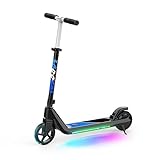
- 【Designed for children】 The LINGTENG kid's electric scooter is easy to install and use, are perfect for riders 6-9 years old to experience the fun of riding. There are two speed modes (4 mph and 6 mph) and four height options (27.5", 29", 30.7", 31.8") to choose from depending on your child's preferences and needs. And the scooter weighs only 10 pounds, with a maximum load of 110 pounds.
- 【Enjoy safe riding】The kid's scooter adopts a start-up assist design tailored for children. The motor will not start until the riding speed reaches 2mph/h, thus avoiding the accidental start of the scooter. The dual function design of the rear wheel is both a fender and a foot brake for easy and quick deceleration. The eKickScooter also comes with non-slip pedals and handles to provide your child with a convenient, safe, stable and enjoyable ride.
- 【He is a good partner for your child】When you are struggling with what gift to give your child, the LINGTENG e-scooter will be your best choices. it is equipped with a large capacity battery, a top speed of 6 miles per hour and 65 minutes of riding time. Two scooter options, which can be used as a kick scooter or an Electric Kick Scooter, Whether it's a birthday, graduation or Christmas, the sport scooter will be a great surprise gift for kids.
- 【Cool Pedal Light and PU Flash Wheel】This children's scooter is equipped with PU flash front wheel and pedal light, making your child the most dazzling protagonist. The electric scooter is designed with a kickstand so that your child can easily dock his favorite scooter.
- 【Reliable after-sales service】If you have any questions about the scooter, please feel free to contact us, we will reply you within 24 hours and do our best to solve any problems for you.
Replacement vehicle
A replacement vehicle can preserve mobility after an insured event, but the trigger, vehicle type and duration differ by policy. Check whether it applies after theft, an accident, a total loss or while repairs are authorised, and whether a scooter is actually supplied.
Key and excess protection
Key protection can contribute toward specified replacement-key costs, while excess protection can reimburse an eligible excess under stated conditions. Compare each benefit limit with your realistic exposure and the add-on price. A low limit may not justify an additional premium.
What happens if your scooter is written off?
An insurer may declare a total loss when repair costs, safety concerns or the vehicle’s pre-loss value make repair uneconomical. The settlement normally follows the valuation basis in the wording, often a market-value assessment rather than the price of a new equivalent scooter. Check how accessories, modifications, outstanding finance and salvage are handled.
Free tools Windows power users keep installed
One-click scans. No signup required.
If you disagree with a valuation, ask for the calculation and provide comparable listings, service records and evidence of condition. Do not assume that a higher replacement price will be paid simply because the scooter is important to you. The policy’s valuation clause and evidence of the vehicle immediately before the loss are central.
Claims: steps that protect your position
- Make the situation safe. After a collision, move out of danger where possible and obtain medical help for anyone injured.
- Report crime promptly. For theft or attempted theft, contact the police and retain the crime reference number.
- Notify the insurer within the stated period. Use the claims channel in your policy documents, even if you are unsure whether the damage will exceed the excess.
- Preserve evidence. Photograph the scene, damage, locks, keys, road conditions and warning signs. Keep receipts, repair estimates and witness details.
- Do not authorise major repairs without approval. The insurer may require inspection or an approved repairer, and unauthorised work can affect settlement.
- Be exact about events. Give the date, time, location, rider, purpose of the journey and security arrangements accurately. Guessing to make a claim fit can create a separate misrepresentation problem.
Common mistakes and how to avoid them
- Buying the cheapest label. A low premium may mean third-party-only cover, a high excess or restricted use. Compare the complete terms.
- Assuming comprehensive covers breakdown. Mechanical and electrical failure is usually outside standard motor insurance unless an explicit benefit applies.
- Using a scooter for delivery on commuting cover. Delivery and hire-and-reward activities often need different cover. Ask before starting the work.
- Understating mileage or riders. Give current, realistic information and update the insurer when circumstances change.
- Ignoring security requirements. Keep the stated lock, tracker or storage arrangement in use and retain proof where practical.
- Overlooking the excess. A policy can appear broad while leaving you with a large compulsory and voluntary payment.
- Expecting new-for-old settlement. Confirm the valuation basis instead of assuming replacement cost.
- Leaving accessories undocumented. Photograph non-standard parts and keep invoices so their status and value can be assessed.
- Relying on a quote summary. Read the IPID, schedule and full wording for the exact product and policy start date.
When should you review or change cover?
Review the policy before renewal and whenever a material fact changes: a new address, different storage, a new rider, commuting, business use, delivery work, a modification, a change in annual mileage or a change in how the scooter is financed. Ask the insurer to confirm the change and any revised excess in writing.
When switching, avoid a gap between cancellation and the new policy’s start time. Check cancellation charges, any refund conditions, no-claims discount evidence and whether an add-on ends with the main policy. Keep the old certificate and claims information until the new insurer has accepted the declared history.
If you mean a mobility scooter
A powered mobility scooter or wheelchair is not the same product as a road-going moped for insurance purposes. Specialist mobility policies may cover damage to the machine, theft and public liability, with eligibility rules, limits and exclusions tailored to mobility use. Motability describes one example of this separate treatment, and Fish Insurance publishes separate mobility-scooter wording; those examples do not establish that every user needs the same policy.
Before buying, confirm the machine’s classification, where it may be used, whether it is stored at home or in communal premises, and whether you need liability, theft, accidental damage or transport cover. Do not use a motor-scooter quote as a substitute for a mobility policy.
Quick Recap
A final decision checklist
- Confirm that the vehicle is a road-going scooter or moped, not a mobility scooter.
- Choose third-party, TPFT or comprehensive according to the losses you can absorb and the risks you face.
- Declare every actual use, including commuting, business, delivery and hire and reward.
- List every permitted rider and provide accurate licence, experience and mileage details.
- Check theft conditions, overnight storage and required security devices.
- Record compulsory, voluntary and separate excesses.
- Verify the valuation basis for theft and total loss claims.
- Compare add-ons by trigger, limit, exclusions and price.
- Read the current IPID, schedule, certificate and full wording before the policy starts.
- Keep keys, receipts, photographs and policy documents accessible for a claim.
Product prices and availability are accurate as of the date/time indicated and are subject to change. Any price and availability information displayed on Amazon at the time of purchase will apply.




