The right motorcycle style is the one that fits your actual riding, your body, and your current skills. Start by deciding where you will ride most, then sit on specific motorcycles to check control reach, balance at a stop, and comfort. A cruiser, sport bike, naked bike, and adventure motorcycle can all be excellent choices, but their riding positions and intended terrain differ—and category labels never replace an in-person fit check.
Start with the riding you will really do
Motorcycle categories describe tendencies rather than strict rules. The Motorcycle Safety Foundation (MSF) groups motorcycles broadly as street, dual-purpose, and off-highway types. Street motorcycles are designed for public roads; dual-purpose motorcycles can be used on roads and off-highway trails; off-highway motorcycles are not street legal. Within those broad groups, manufacturers use names such as cruiser, sport, naked, standard, adventure, and dual-purpose to describe a motorcycle’s layout and mission.
As an Amazon Associate I earn from qualifying purchases.
Write down your most common use before looking at a particular model. A motorcycle that is ideal for a weekend role may be frustrating as a daily commuter, and a bike that feels comfortable on pavement may be a poor choice if you regularly ride rough trails.
| Primary use | Styles to investigate first | Questions to answer before buying |
|---|---|---|
| Daily commuting, errands, and paved urban or suburban roads | Standard/naked, some cruisers, some sport models | Can you place both feet securely enough at stops? Are the bars and controls easy to reach in traffic? Is the riding position comfortable for repeated short trips? |
| Longer paved trips and relaxed touring | Cruiser, standard/naked, touring-oriented versions of these styles | Does the seat support you for your normal trip length? Can you change position or take breaks easily? Can the motorcycle carry the luggage you actually need? |
| Spirited riding on paved roads | Sport, standard/naked | Does the forward or upright position suit your wrists, back, and neck? Is the exact model intended for your experience level? Can you maneuver it confidently at low speed? |
| Regular gravel roads and trail riding | Adventure or dual-purpose | How much of your riding will truly be off pavement? Do you have the skills and instruction for the terrain? Can you support and control the motorcycle when the surface is loose or uneven? |
These are starting points, not prescriptions. Two motorcycles carrying the same category name can differ substantially in seat shape, handlebar position, weight distribution, control effort, and intended rider. Compare the exact motorcycle, not just the badge on its tank.
#1 Best Overall

- 2 Visors Included: Clear + Smoked and 1 Neck Scarf for Winter Use
- Streamlined Aerodynamic Design Reduces Wind Noise and Drag
- Advanced and Lightweight Durable ABS Shell
- Quick Release Clasp and Strap and Removable Inner Lining Pads
- Meets or Exceeds FMVSS-218 and DOT Safety Standards
What each motorcycle style is designed to do
Cruiser: relaxed posture and classic layout
A cruiser commonly uses forward footrests and swept-back handlebars. That arrangement places the rider in a rearward-leaning position, often with the torso more upright than on a sport bike. Classic styling is common, although appearance alone does not determine how a motorcycle fits or handles.
Consider a cruiser when your riding is mainly paved and you prefer a laid-back leg and arm position. The forward controls can feel natural for one rider and awkward for another, particularly if the rider has difficulty reaching them or prefers to stand briefly on the pegs over poor pavement. Sit on the specific motorcycle with both hands on the bars and both feet on the pegs; do not assume every cruiser has the same reach.
- Likely strengths: a rearward-leaning posture, classic styling, and a street-focused mission.
- Potential compromises: forward controls may not suit your leg length or preferred control position; the style is generally aimed at paved use rather than trails.
- Check in person: whether you can operate the foot controls without stretching, whether the bars pull your shoulders back comfortably, and whether you can hold the motorcycle steady at a stop.
Sport: aerodynamic bodywork and a forward lean
Sport motorcycles typically have aerodynamic body panels or a fairing, rear-set footrests, and a forward-leaning seating position. They may offer a high power-to-weight ratio, but category terminology does not tell you how much performance a particular model produces or whether it suits you.
Recommended Free Tools
The MSF notes that some manufacturers designate certain sport-bike models for experienced riders. That caution applies to the exact models identified by their manufacturers, not automatically to every motorcycle with sport styling. Read the manufacturer’s intended-rider information and make an honest assessment of your training and experience.
- Likely strengths: a position and bodywork developed for paved-road riding, with the rider’s weight carried farther forward than on a cruiser.
- Potential compromises: the lean can load your wrists, neck, or lower back if the fit is wrong; rear-set pegs can feel cramped or unfamiliar; low-speed balance still requires practice.
- Check in person: whether you can turn the bars without straining, reach the brake and clutch levers, and look ahead without excessive neck extension.
Do not choose a sport motorcycle solely because it looks fast, and do not reject one solely because it has fairings. The question is whether the exact model’s position, controls, and manufacturer guidance match your use and ability.
Standard or naked: upright, adaptable street use
A standard, often called a naked motorcycle, usually has minimal body panels and an upright seating position. The category covers a wide range of engine sizes and layouts, so the name alone does not establish acceleration, mass, seat height, or equipment.
This style is a useful starting point for riders who want one motorcycle for commuting, errands, and general paved-road riding. The upright posture can make it easier to look through traffic and move your upper body, but comfort still depends on the individual seat, handlebar, and peg relationship.
The Tool Desk
Outbyte Driver Updater FREEFix the driver behind crashes, sound loss and screen glitchesFind Drivers →Outbyte PC Repair FREERepair Windows errors before they cause bigger problemsFix Now →Rank #2

- 【DOT Certified & High-Impact Protection】 This full face motorcycle helmet meets or exceeds DOT FMVSS-218 standards, ensuring professional-grade safety. Built with a rugged ABS shell and energy-absorbing EPS, these motorcycle helmets dot approved provide ultimate defense for street bikes, cruisers, and sport bikes
- 【Optimized Airflow for All-Weather Riding】 Experience superior ventilation with 4 strategically placed air intakes and exhaust vents. This full face helmet design minimizes wind resistance and fogging, keeping you cool during summer rides and providing a reliable full face helmet adult option for rainy or cold weather
- 【Quick-Release Dual Visor System】 Adapt to any light condition with ease. Our full face helmet motorcycle features a tool-free quick-release system. Each order includes a pre-installed tinted shield plus a bonus clear visor, making these full face motorcycle helmets for men and women versatile for both bright days and night riding
- 【Washable Lining & Comfort Fit】 Maintain freshness on every journey with our fully removable and machine-washable interior. The moisture-wicking sponge padding makes these motorcycle helmets for adults incredibly comfortable for long-distance trips, ensuring a snug fit for these full face motorcycle helmets dot certified
- 【Complete Bundle & Perfect Sizing】 We include a premium carrying bag for easy storage and scratch protection. Whether you are searching for motorcycle helmets for women or men, TRIANGLE offers 4 sizes (S-XL) to ensure a secure fit. Please measure your head circumference to find the perfect full face motorcycle helmet for women or men
- Likely strengths: all-around street capability, a neutral posture, and a broad range of sizes and configurations.
- Potential compromises: minimal bodywork provides less shelter from weather than a fully faired motorcycle; the wide variety within the category means you must compare individual models carefully.
- Check in person: whether the upright position keeps your wrists neutral, whether your knees sit comfortably against the tank, and whether the motorcycle feels manageable when you push it or make a tight turn.
Adventure and dual-purpose: pavement plus selected off-highway travel
Adventure and dual-purpose motorcycles are intended for a mix of public roads and off-highway trails. The MSF’s dual-purpose definition covers both environments, while its AdventureBike RiderCourse teaches skills for taking an ADV or dual-purpose motorcycle beyond pavement. Neither description means that every adventure model is suitable for every trail, nor that a rider can safely attempt difficult terrain without instruction.
Be specific about your off-pavement plans. Occasional maintained gravel is a different requirement from deep sand, mud, rocky climbs, or narrow technical trails. Match the motorcycle’s stated purpose and your own skills to the surface you will encounter, and seek training before treating an adventure label as permission to ride anywhere.
- Likely strengths: a design intended to function on roads and selected unpaved routes.
- Potential compromises: the size, reach, and balance that feel fine on pavement may be more challenging when the surface is loose or uneven; off-pavement capability depends on the exact model and rider skill.
- Check in person: whether you can support the motorcycle when it leans, reach the controls while standing if the design expects that technique, and pick a manageable route for your current ability.
Use an in-person fit check before comparing specifications
The most important selection step is physical. The MSF’s motorcycle choices guidance says, “Choose a bike that is the right size and fit for you, especially as a beginner.” A specification sheet cannot tell you whether a particular handlebar bends your wrists, whether the seat lets you move freely, or whether you can stop without feeling overwhelmed.
Check the controls and contact points
- Ask the dealer or owner to hold the motorcycle upright while you sit in your normal riding position.
- Place both hands on the grips. Your elbows should not be forced straight, and you should be able to turn the bars without pulling your shoulders out of position.
- Operate the clutch and front-brake levers through their normal travel. Confirm that you can reach them with the fingers you would use while keeping a secure grip.
- Put your feet on the pegs and find the shift lever and rear brake without searching. If the controls require an awkward ankle angle, note it before a test ride.
- Look ahead in the position you would use on the road. A sport-bike lean, cruiser reach, or adventure-bike height may change how easily you scan traffic.
Check support at a stop
You do not need a particular foot-placement pattern to be a competent rider, but you do need a repeatable way to support and balance the motorcycle at stops. Try the posture you would use in traffic, on a cambered road, and when pulling away on a slight incline. Ask yourself whether you can keep the motorcycle controlled if you have to put one foot down unexpectedly. Strength, inseam, footwear, and the motorcycle’s balance all affect this judgment.
Check movement and comfort
Remain seated long enough to notice pressure points. Can you shift your hips, turn your head, and stand or rise slightly if the motorcycle’s design and your riding plan require it? A position that feels exciting for two minutes may be tiring on your normal trip. Comfort is not a luxury: fatigue can reduce the attention available for traffic and motorcycle control.
Compare candidates on the same decision axes
Once a motorcycle passes the fit check, compare it with alternatives using the same questions. This prevents styling or a single specification from deciding the purchase for you.
| Decision axis | What to evaluate | Why it matters |
|---|---|---|
| Riding position | Forward-leaning, upright, or rearward-leaning torso; peg location; handlebar sweep | The position determines how your body carries weight and how naturally you reach the controls. |
| Control reach | Grip width, lever reach, foot-control location, and steering clearance | You must be able to make ordinary inputs without stretching or changing your grip. |
| Terrain | Mostly paved roads, occasional gravel, or regular trails | A street-focused motorcycle and a dual-purpose motorcycle are built around different surfaces; neither category guarantees performance everywhere. |
| Trip length | Typical time between breaks, wind exposure, luggage needs, and seat pressure | A motorcycle that works for short errands may not suit your usual day-long route. |
| Low-speed control | Backing out, tight turns, stop-and-go balance, and parking on your normal surfaces | Many ownership frustrations happen below walking speed, where fit and confidence matter more than appearance. |
| Experience suitability | Manufacturer’s stated intended rider and your completed training | Some sport models are identified for experienced riders; assess the exact motorcycle rather than assigning that label to an entire category. |
There is no source-supported universal winner among cruiser, sport, naked, and adventure motorcycles. The best match is the one that satisfies your use and fit checks without asking you to compensate for an unsuitable position or an unrealistic terrain plan.
Rank #3
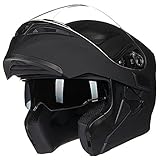
- High Resistance ABS Shell With Micrometrically Adjustable Strap
- Meets or Exceeds FMVSS-218 and DOT Safety Standards
- Helmet Liner / Cheek Pads are Lightweight, Soft and Easily Removable and Washable
- Sleek and Lightweight Design Reduces Wind Noise
- Modular Flip-Up Function Anti-Scratch, Anti-Fog and Wide View Clear Visor
A practical buying process for a newer rider
1. Describe your real week
List the roads, weather, passengers, luggage, parking surfaces, and trip lengths you expect in an ordinary month. Mark which activities are essential and which are occasional fantasies. If trail riding appears only once a year, do not let that single trip outweigh hundreds of paved commutes unless you are deliberately buying for that adventure.
2. Shortlist by mission, not appearance
Choose two or three motorcycles whose stated use matches your list. Include more than one style when your use overlaps—for example, a standard and a cruiser for paved commuting, or a standard and an adventure motorcycle when gravel is occasional. Keep the exact model names and manufacturer guidance with your notes.
3. Sit on every candidate
Perform the control, stop-support, and movement checks above. If a motorcycle cannot be held securely while stationary or its controls cannot be reached naturally, remove it from the shortlist regardless of styling.
4. Arrange an appropriate, legal ride
Only test ride where you are properly licensed, insured, and permitted. Start with a quiet area so you can evaluate clutch release, braking, steering, and low-speed turns before entering faster traffic. For an adventure motorcycle, keep the first ride on a surface appropriate to your training rather than treating a test ride as an off-road qualification.
5. Recheck after the ride
Write down what your body and attention were doing, not just whether the motorcycle felt exciting. Note any wrist, hip, knee, neck, or lower-back strain; difficulty reaching a control; uncertainty while stopping; or anxiety when maneuvering. A second visit is worthwhile when a problem could be caused by setup or unfamiliarity, but do not rationalize a fundamental fit problem.
Quick wins for a faster PC:
Scan for outdated or missing drivers - takes under a minuteDriver Scan →Repair Windows errors before they cause bigger problemsFix Now →Fix the driver behind crashes, sound loss and screen glitchesFind Drivers →Training should come before using style or engine size as a confidence shortcut
A motorcycle’s category and engine size do not create riding skills. The MSF Basic RiderCourse covers motorcycle controls and foundational riding skills. Licensing rules and the effect of completing a course vary by state or other jurisdiction, so check the requirements where you will ride rather than assuming a course replaces a license examination.
For adventure riding, seek instruction that addresses the surfaces you intend to use. The MSF AdventureBike RiderCourse is specifically described as teaching skills for taking an ADV or dual-purpose motorcycle beyond pavement. Start with terrain where you can stop, turn around, and recover from a mistake; expand the route only as your control improves.
Rank #4

- Unmatched Protection & Durability:Built Tough for Extreme Adventures, Our Helmet Exceeds Expectations by Meeting FMVSS-218 and DOT Safety Standards. Its Robust Construction Safeguards Ensuring Ultimate Security as You Conquer the Toughest Terrains
- Convenient Flip-Flop Mechanism: Easy Switching Between Full-Coverage Helmet and Open Mode, This Modular Motorcycle Helmet Is Perfect for City Riding and Long-Distance Touring
- Stay Cool and Comfortable with Strategically Placed Vents That Ensure Maximum Airflow and Reduce Heat and Moisture Buildup During the Ride
- Comfortable Interior Lining: Enjoy the Cozy Plush Lining That Provides Long-Lasting Comfort Even on Long Rides
- The Modular Design Makes It Suitable for Snowmobiles, Dirt Bikes, Scooters, Bike Riding and More. With Its Innovative Features, It Is Sure to Be an Ideal Choice for Riders Looking for a Stylish, Comfortable and Safe Helmet!
Training is especially important when your chosen motorcycle is tall, heavy-feeling, aggressively positioned, or identified by its manufacturer as intended for experienced riders. If you are new, let demonstrated control and formal instruction—not a desire to grow into a motorcycle—set the pace.
Independent reader supportYour contribution helps us test, update, and keep practical guides available for everyone.Protective equipment applies to every style
Gear is an ownership requirement, not a reason to select one motorcycle category over another. The MSF lists helmets, eye protection, jackets, pants, gloves, boots, rain gear, hearing protection, and high-visibility gear as essential street-riding equipment. Choose equipment that fits correctly, works with the controls, and suits the weather and roads where you ride.
- Motorcycle helmet: verify fit and comply with the helmet rules that apply in your jurisdiction.
- Eye protection: use the protection appropriate to the motorcycle and helmet design, including a plan for changing light and weather.
- Jacket, pants, gloves, and boots: select motorcycle-specific protection that stays in place while seated and does not interfere with controls.
- Rain and hearing protection: carry equipment for the conditions you actually encounter, not only the forecast on purchase day.
- High-visibility gear: consider how your clothing contrasts with the traffic environment, especially for commuting.
Try the complete gear combination while sitting on the motorcycle. A bulky jacket can alter reach, and a boot with a different sole can change how naturally you find the shift lever or rear brake.
Common selection mistakes and how to avoid them
Choosing by category stereotype
“Cruiser,” “sport,” “naked,” and “adventure” are useful starting labels, not guarantees of fit or capability. Verify the individual motorcycle’s controls, posture, intended terrain, and manufacturer guidance.
Using seat height as the only fit test
Seat height does not describe seat width, suspension movement, handlebar reach, or how the motorcycle balances at a stop. Perform the complete fit check and practice the support position you will actually use.
Buying for an imagined future rider
A motorcycle that is difficult to control now can slow your learning and reduce your opportunities to ride. Select a machine you can manage today, then reassess later as your skills and use change.
Free tools Windows power users keep installed
One-click scans. No signup required.
Confusing off-pavement branding with unlimited trail ability
An adventure or dual-purpose designation indicates a road-and-trail mission, not universal suitability for every surface. Match the route to the exact motorcycle and your training, and obtain instruction before attempting terrain that exceeds your experience.
Best Value
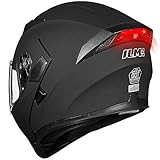
- High Resistance ABS Shell With Micrometrically Adjustable Strap
- Meets or Exceeds FMVSS-218 and DOT Safety Standards
- Helmet Liner / Cheek Pads are Lightweight, Soft and Easily Removable and Washable
- Sleek and Lightweight Design Reduces Wind Noise
- Modular Flip-Up Function Anti-Scratch, Anti-Fog and Wide View Clear Visor
Ignoring low-speed ownership tasks
Parking, backing, U-turns, fuel stops, and stop-and-go traffic are part of every ride. Include them in your evaluation. A motorcycle that is comfortable at speed but intimidating in a parking lot may not be the right daily tool.
Skipping legal and administrative checks
Confirm licensing, registration, insurance, and street-legal equipment requirements for your jurisdiction before purchase. The MSF’s broad categories distinguish street-legal and off-highway motorcycles, but local law determines what you may operate on public roads.
Which style fits these common rider profiles?
The paved-road commuter
Begin with standard/naked motorcycles and cruisers, then consider a sport model if its position is comfortable and the manufacturer does not identify it as unsuitable for your experience. Prioritize control reach, stop support, parking confidence, and weather planning over styling.
PC Slower Than It Used to Be?
A free scan shows the junk files, broken settings and background clutter dragging Windows down - then fixes them in one click.Free scan · Windows 10 & 11Crashes, No Sound, or Screen Glitches?
Random freezes, missing sound and display glitches usually trace back to one bad driver. Find and replace yours safely.Free scan · under a minuteThe relaxed weekend road rider
Compare cruisers and upright standards by the actual time you spend in the saddle. Test whether the foot and handlebar positions remain comfortable after a realistic ride, and account for the luggage and rain gear you will carry.
The rider focused on paved curves
Sport and naked motorcycles may be natural candidates, but the exact model and your training matter. Make sure you can operate the motorcycle smoothly at low speed and that the forward-leaning posture does not create strain before judging its road manners.
The gravel-and-trail rider
Start with adventure or dual-purpose motorcycles whose stated mission matches your route. Define the surfaces first, arrange relevant instruction, and choose a motorcycle you can support and turn around when the ground is loose or uneven.
The complete beginner
Favor a manageable fit and formal instruction over a particular style. Take a hands-on rider course, verify local licensing rules, and choose the motorcycle on which you can reach the controls, balance at a stop, and practice basic maneuvers without intimidation.
What’s actually slowing this PC down?
Pick the symptom - the matching free tool is one click away.
Final checklist before you commit
- My normal roads and trip lengths are written down.
- The exact motorcycle’s intended use matches those roads.
- I can reach the grips, clutch, brake, shifter, and rear brake naturally.
- I have a reliable way to support the motorcycle at a stop.
- The seating position remains comfortable after more than a brief sit.
- I can maneuver, park, and make tight turns without relying on bravado.
- I have checked the manufacturer’s guidance about intended rider experience.
- I know which training course and licensing steps apply where I ride.
- My helmet and motorcycle protective riding gear fit and work with the motorcycle.
- For adventure riding, my planned terrain is within my current skills and the motorcycle’s stated mission.
The MSF Basic RiderCourse page says it has served over 10 million motorcyclists nationwide; the page does not state a year for that cumulative figure. Treat that number as the course’s reported reach, not as a safety rate or proof that one motorcycle style is safer than another.
Quick Recap
Product prices and availability are accurate as of the date/time indicated and are subject to change. Any price and availability information displayed on Amazon at the time of purchase will apply.




