Recommended Free Tools
Choose a cruiser if your riding is overwhelmingly paved-road, relaxed, and posture-focused. Choose an adventure-touring motorcycle if you need efficient long-distance road travel but genuinely expect to use gravel, rough pavement, or other unpaved routes. That is a starting point, not a substitute for comparing particular motorcycles. Seat height, handlebar reach, foot position, perceived weight, suspension, wind protection, luggage capacity, and your confidence at low speed can matter more than the category badge.
The most reliable decision is to describe your real trips, shortlist models that suit those trips, sit on each one, compare specifications and ownership costs, and test ride more than one whenever you are licensed and a ride is available.
As an Amazon Associate I earn from qualifying purchases.
Start with the roads you will actually ride
Write down the roads and trips you expect to ride during a normal year before looking at motorcycles. Include commuting, weekend distances, highway time, two-up travel, luggage, seasonal conditions, gravel roads, maintained dirt roads, and the frequency of any rough or technical sections. This prevents a hypothetical use case from dictating an expensive purchase.
When a cruiser is the logical starting point
Cruisers are generally aimed at relaxed pavement riding. Their low-slung styling and feet-forward or neutral seating can suit riders who want an unhurried posture on city streets, country highways, and long paved trips. A cruiser can be a sensible choice when the majority of your route is sealed road and you value an easygoing riding position, a broad seat, and straightforward touring accessories.
#1 Best Overall

- 2 Visors Included: Clear + Smoked and 1 Neck Scarf for Winter Use
- Streamlined Aerodynamic Design Reduces Wind Noise and Drag
- Advanced and Lightweight Durable ABS Shell
- Quick Release Clasp and Strap and Removable Inner Lining Pads
- Meets or Exceeds FMVSS-218 and DOT Safety Standards
“Cruiser” covers a wide range of motorcycles. A compact model may be light and approachable, while a large touring-oriented cruiser can be substantial once fuel, luggage, and accessories are added. Do not assume that a low seat means the motorcycle is easy to maneuver, or that every cruiser offers the same wind protection or passenger space.
When an adventure-tourer earns its complexity
An adventure-touring motorcycle is designed to cover pavement and retain useful capability on unpaved roads. Higher ground clearance, longer-travel suspension, a more upright cockpit, and equipment intended for mixed surfaces are common category tendencies. They can make long road trips practical while preserving the option to turn onto gravel or rough tracks.
That versatility has a cost. Adventure motorcycles can be tall and physically large, and their size and weight may challenge a rider on technical terrain or during a slow, awkward stop. If unpaved riding is only a remote possibility, the additional height, mass, and equipment may not improve your ownership experience.
Free tools Windows power users keep installed
One-click scans. No signup required.
The key question
Ask: How often will I deliberately choose an unpaved route? If the answer is “regularly” and those roads are part of the trips you are buying the motorcycle to do, an adventure-tourer deserves serious consideration. If the answer is “almost never,” compare cruisers and other pavement-focused motorcycles on comfort, luggage, wind management, and low-speed confidence instead of paying for capability you will not use.
Fit is a control and safety issue, not just comfort
Motorcycle fit is an interaction among the seat, handlebars, foot controls, tank, and your body. Motorcycle Ohio’s “Your First Motorcycle” guidance identifies seat height, handlebar reach, and foot position as important considerations and advises choosing a motorcycle that matches your physical dimensions and lets you reach and operate the controls easily.
Rank #2

- 【DOT Certified & High-Impact Protection】 This full face motorcycle helmet meets or exceeds DOT FMVSS-218 standards, ensuring professional-grade safety. Built with a rugged ABS shell and energy-absorbing EPS, these motorcycle helmets dot approved provide ultimate defense for street bikes, cruisers, and sport bikes
- 【Optimized Airflow for All-Weather Riding】 Experience superior ventilation with 4 strategically placed air intakes and exhaust vents. This full face helmet design minimizes wind resistance and fogging, keeping you cool during summer rides and providing a reliable full face helmet adult option for rainy or cold weather
- 【Quick-Release Dual Visor System】 Adapt to any light condition with ease. Our full face helmet motorcycle features a tool-free quick-release system. Each order includes a pre-installed tinted shield plus a bonus clear visor, making these full face motorcycle helmets for men and women versatile for both bright days and night riding
- 【Washable Lining & Comfort Fit】 Maintain freshness on every journey with our fully removable and machine-washable interior. The moisture-wicking sponge padding makes these motorcycle helmets for adults incredibly comfortable for long-distance trips, ensuring a snug fit for these full face motorcycle helmets dot certified
- 【Complete Bundle & Perfect Sizing】 We include a premium carrying bag for easy storage and scratch protection. Whether you are searching for motorcycle helmets for women or men, TRIANGLE offers 4 sizes (S-XL) to ensure a secure fit. Please measure your head circumference to find the perfect full face motorcycle helmet for women or men
Check the complete rider triangle
- Seat: Sit in the position you would use while riding, not perched at the very front or stretched toward the tank. Notice whether the seat pushes you into one fixed position and whether its width makes the reach to the ground harder than the published height suggests.
- Handlebars: Your elbows should remain relaxed, with enough reach to turn the bars fully without your shoulders rolling forward. Check that the clutch, brake, switchgear, and mirrors remain usable at full steering lock.
- Foot position: Confirm that your knees, hips, and ankles feel natural. Feet-forward cruiser controls can feel comfortable on a straight road but may provide a different sensation when standing or maneuvering. Adventure-bike pegs and a taller seat may offer more leverage but require a larger leg reach.
- Controls at a stop: Practice covering the front brake, selecting neutral, and placing a foot securely without leaning the motorcycle farther than you can manage. You need controlled, repeatable movements rather than a barely adequate toe touch.
A low seat alone does not establish good fit. A narrow, taller seat can be easier to manage than a wider, lower one; a handlebar that is too far away can undermine control even when both feet reach the ground. Harley-Davidson’s beginner guidance similarly emphasizes that riders differ in size and preferences and that the relationship among seat, bars, and pegs matters.
Use your riding gear during the fit check
Try the motorcycle in the boots, trousers, and jacket you expect to wear. Thick-soled boots can change your reach, while bulky clothing can alter how freely your knees and shoulders move. If you plan to carry a passenger, sit with the passenger accommodation in mind and check whether luggage would interfere with your legs or the passenger’s foot position.
Do these 3 things before closing this tab:
1Fix the driver behind crashes, sound loss and screen glitches2Clear out junk files and repair common Windows errors3Scan for outdated or missing drivers - takes under a minuteCompare weight, balance, and low-speed confidence
Published curb weight is useful for comparing models, but it cannot predict exactly how a motorcycle will feel. Fuel level, luggage, accessories, seat width, steering geometry, and the height and position of the center of gravity all affect the effort required to hold or turn the bike. Harley-Davidson’s buying guidance notes that lighter weight can help at low speeds and when moving a motorcycle, while a lower center of gravity can change how a heavier motorcycle feels.
Questions to answer in person
- Can you lift the motorcycle from its side stand without straining or pulling it toward you?
- Can you walk it backward on level ground while seated or standing beside it?
- Can you make a tight turn without feeling that the bars or your feet are out of position?
- Can you stop on an uneven surface and put down a secure foot?
- Can you keep the motorcycle upright if you have to dab a foot on gravel?
- How does it feel with a full tank and the luggage you expect to use?
There is no universal weight threshold that makes a cruiser or an adventure-tourer suitable for every rider. Confidence and recoverability matter more than a number viewed in isolation. A motorcycle that feels manageable in a showroom may feel very different when loaded, on a slope, or after a long day.
Compare the specifications that affect your use
Once you have narrowed the field, compare actual models rather than category stereotypes. Record the following information from each manufacturer specification sheet and owner’s manual. If a value is not published, ask the dealer instead of guessing.
Rank #3
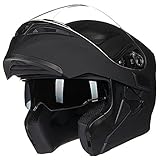
- High Resistance ABS Shell With Micrometrically Adjustable Strap
- Meets or Exceeds FMVSS-218 and DOT Safety Standards
- Helmet Liner / Cheek Pads are Lightweight, Soft and Easily Removable and Washable
- Sleek and Lightweight Design Reduces Wind Noise
- Modular Flip-Up Function Anti-Scratch, Anti-Fog and Wide View Clear Visor
| Comparison area | Why it matters | What to check |
|---|---|---|
| Seat and rider triangle | Determines reach, posture, and control access. | Seat height, seat width, handlebar position, peg location, available adjustments. |
| Mass and balance | Affects parking, U-turns, stops, and recovery from a lean. | Ready-to-ride or curb weight, fuel capacity, center-of-gravity feel, luggage weight. |
| Suspension and clearance | Influences comfort on broken pavement and ability to cross obstacles. | Travel, ground clearance, wheel sizes, adjustment range, underbody protection. |
| Wind management | Changes fatigue and exposure on long highway days. | Fairing or windshield size, adjustability, airflow around your helmet and shoulders. |
| Luggage and passenger use | Determines whether trips can be completed without overloading the motorcycle. | Factory luggage, rack capacity, passenger seat and grab points, stated load limits. |
| Engine and transmission | Affects acceleration, cruising behavior, heat, and workload. | Displacement, torque delivery, gearing, final drive, service intervals. |
| Safety equipment | Changes braking and rider assistance in different conditions. | ABS, selectable modes, traction control, lighting, tire-pressure monitoring where fitted. |
| Ownership cost | The purchase price is only one part of the budget. | Insurance, scheduled maintenance, tires, parts, fuel, accessories, registration, and financing. |
These are comparison axes, not promises that every cruiser or every adventure-tourer includes a particular feature. Equipment varies by model, trim, market, and model year. Confirm the specification for the exact motorcycle you can buy.
Ergonomics: cruiser posture versus adventure posture
What a cruiser posture can do well
A cruiser’s lower seat and relaxed arrangement may make flat-footing and casual pavement travel feel natural. A broad seat and feet-forward controls can suit riders who spend hours on straight roads, although the same arrangement may limit your ability to stand on the pegs or shift body weight quickly on rough ground. Forward controls also change the way you support yourself during braking and cornering, so they should be evaluated during a ride rather than from photographs.
What an adventure posture can do well
An adventure-touring motorcycle normally places the rider more upright, with a higher seat and foot controls that support active steering and, on some models, standing on the pegs. The view over traffic can be useful, and the posture can reduce the folded-hip feeling some riders experience on low machines. The trade-off is a taller reach to the ground and potentially more effort when stopped on a cambered or loose surface.
The 2007 SAE ergonomics study “Commonality and Differences between Cruiser, Sport, and Touring Motorcycles” provides technical context for motorcycle geometry, but it is not a current specification for any particular model and does not establish a class-wide comfort ranking. Use current model measurements and your own fit check for a buying decision.
Plan the equipment for your trips
Wind protection and weather
Long highway rides expose differences that are easy to miss around a dealership. A large windshield or fairing can reduce direct wind pressure, but airflow may create buffeting at your helmet. A minimal cruiser screen can preserve an open-air feel but leave you more exposed on cold or wet days. During a test ride, note wind noise, shoulder pressure, rain coverage, and whether you can see clearly through or over the screen.
Quick wins for a faster PC:
Repair Windows errors before they cause bigger problemsFix Now →Scan for outdated or missing drivers - takes under a minuteDriver Scan →Clear out junk files and repair common Windows errorsFree Scan →Rank #4

- Unmatched Protection & Durability:Built Tough for Extreme Adventures, Our Helmet Exceeds Expectations by Meeting FMVSS-218 and DOT Safety Standards. Its Robust Construction Safeguards Ensuring Ultimate Security as You Conquer the Toughest Terrains
- Convenient Flip-Flop Mechanism: Easy Switching Between Full-Coverage Helmet and Open Mode, This Modular Motorcycle Helmet Is Perfect for City Riding and Long-Distance Touring
- Stay Cool and Comfortable with Strategically Placed Vents That Ensure Maximum Airflow and Reduce Heat and Moisture Buildup During the Ride
- Comfortable Interior Lining: Enjoy the Cozy Plush Lining That Provides Long-Lasting Comfort Even on Long Rides
- The Modular Design Makes It Suitable for Snowmobiles, Dirt Bikes, Scooters, Bike Riding and More. With Its Innovative Features, It Is Sure to Be an Ideal Choice for Riders Looking for a Stylish, Comfortable and Safe Helmet!
Luggage and passenger needs
Decide whether you need hard cases, soft luggage, saddlebags, a top case, or only a small tail bag. Check the motorcycle’s stated load limits and account for the weight of the luggage itself. A passenger, camping equipment, or tools can change suspension behavior and low-speed balance. Accessories such as saddlebags, windshields, hand grips, and replacement seats should be priced only after confirming compatibility with the exact model.
Protection and legal requirements
A properly fitted helmet that meets the requirements applicable where you ride is essential, along with suitable riding clothing and boots. The cited buyer guidance names a helmet, jacket, and riding boots among basic safety equipment; local law may impose additional requirements. Treat protective equipment as part of the motorcycle budget, not an optional afterthought.
Independent reader supportYour contribution helps us test, update, and keep practical guides available for everyone.Use a disciplined buying process
- Describe your year of riding. Estimate paved and unpaved mileage, longest typical day, highway percentage, passenger use, luggage, and the surfaces you will intentionally seek.
- Set a total ownership budget. Include purchase or finance costs, insurance, registration, fuel, scheduled service, tires, protective gear, and compatible accessories.
- Create a short list of specific models. Include at least one cruiser and one adventure-tourer only if both genuinely fit your routes. Record model year, trim, seat height, ready-to-ride weight, clearance, luggage options, and safety equipment.
- Perform a static fit check. Sit in riding gear, turn the bars fully, operate every control, move the motorcycle, and simulate a stop on both sides.
- Check the loaded scenario. Add the expected passenger or luggage weight on paper and verify the manufacturer’s load limits and suspension adjustment range.
- Test ride where legally permitted. Ride city streets, a faster road, and a tight low-speed section. Notice steering effort, clutch control, braking feel, wind, posture, visibility, and confidence at stops.
- Write down impressions immediately. Score each candidate for route suitability, fit, low-speed control, comfort, weather protection, luggage, equipment, and total cost. Do not let styling or a single dramatic specification override repeated physical discomfort.
- Recheck training needs. If you are new to motorcycles, take formal training before committing to a large or tall machine and practice low-speed skills in a controlled area.
What to evaluate on the test ride
Urban and parking-lot behavior
Start with clutch take-up, throttle smoothness, steering effort, and braking at walking pace. Make several full-lock turns in both directions, stop on a slight slope, and move the motorcycle by hand. These tasks reveal more about daily confidence than a short acceleration run.
Open-road behavior
At higher speed, evaluate whether the posture remains sustainable, whether the windshield or fairing creates buffeting, and whether the motorcycle tracks naturally through a bend. Check mirror visibility, vibration, heat, and the effort required to change lanes. A motorcycle that feels exciting for ten minutes may become tiring over several hours.
What’s actually slowing this PC down?
Pick the symptom - the matching free tool is one click away.
Unpaved evaluation
If you are considering an adventure-tourer for dirt or gravel, ride only a legal, appropriate surface with suitable tires and permission. Pay attention to balance, standing position, traction, suspension response, and your ability to turn around. Do not infer technical off-road capability from ground clearance alone; size, weight, tires, skill, and route conditions all matter.
Best Value
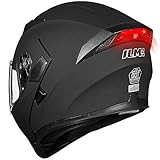
- High Resistance ABS Shell With Micrometrically Adjustable Strap
- Meets or Exceeds FMVSS-218 and DOT Safety Standards
- Helmet Liner / Cheek Pads are Lightweight, Soft and Easily Removable and Washable
- Sleek and Lightweight Design Reduces Wind Noise
- Modular Flip-Up Function Anti-Scratch, Anti-Fog and Wide View Clear Visor
Ownership costs and practical trade-offs
Two motorcycles with similar purchase prices can have very different running costs. Insurance depends on the rider, location, coverage, and motorcycle. Maintenance schedules, tire life, chain or shaft service, brake wear, fuel consumption, and accessory requirements also vary by model. Obtain current quotes for the exact motorcycles and include recurring costs in your comparison.
Adventure-oriented equipment can add protection, luggage, engine guards, suspension changes, and alternative tires. Cruiser owners may budget for windshields, saddlebags, seats, and passenger upgrades. Neither list is automatic; buy only equipment that solves a requirement you identified before purchase, and verify model compatibility.
Common decision mistakes
- Buying for an imagined trip: A motorcycle chosen for one possible dirt road can be frustrating if almost every real mile is urban pavement.
- Choosing by seat height alone: Width, suspension sag, boot sole, bar reach, and peg position change effective fit.
- Ignoring low-speed mass: Highway stability does not guarantee easy parking-lot handling.
- Assuming category equals skill level: A small cruiser may be easier for one rider than a large adventure model, but model dimensions and rider experience decide the result.
- Skipping the loaded check: Passenger and luggage weight can alter steering, braking, clearance, and suspension behavior.
- Confusing versatility with necessity: More capability is valuable only when it matches your roads and willingness to use it.
- Letting styling end the evaluation: A motorcycle must fit your body, route, budget, and control ability after the visual appeal wears off.
Which should you choose?
Choose the cruiser when your planned riding is primarily paved, your priority is a relaxed road posture, and the exact model gives you secure control at stops and during low-speed maneuvers. Choose the adventure-tourer when mixed-surface travel is a real part of your trips, you can manage its height and mass, and its suspension, clearance, luggage, and weather equipment solve problems you actually have.
Outdated Drivers Are Slowing You Down
One free scan finds every outdated or missing driver and matches the right update for your exact hardware.Free scan · exact hardware matchWindows Errors? Fix Them Before They Spread
Repair common Windows errors and clear accumulated junk for a smoother, more stable PC - no reinstall needed.Free scan · no reinstallWhen both categories appear plausible, let the motorcycle that fits your body and routes win—not the category with the more appealing reputation. Compare at least two specific models, include full ownership costs, test ride if possible, and take training before riding if your experience is limited.
Quick Recap
Product prices and availability are accurate as of the date/time indicated and are subject to change. Any price and availability information displayed on Amazon at the time of purchase will apply.




