Free tools Windows power users keep installed
One-click scans. No signup required.
Start with where you will ride. In the United States, look for the manufacturer’s permanent DOT certification marking for Federal Motor Vehicle Safety Standard (FMVSS) No. 218, then match the helmet’s maker and model to reliable manufacturer or National Highway Traffic Safety Administration (NHTSA) information. A helmet approved under UN Regulation No. 22 uses a different type-approval mark built around a circled E. A Snell mark represents a separate, voluntary private certification. None of these marks is automatically interchangeable, and a sticker by itself cannot prove that a helmet is genuine.
What the three major helmet marks mean
Motorcycle helmet labels describe different approval systems. Before judging a helmet, identify the system named on it and whether that system is accepted where the helmet will be used.
As an Amazon Associate I earn from qualifying purchases.
| Mark or standard | Who is responsible for the approval claim? | What the mark indicates | How to verify it |
|---|---|---|---|
| DOT / FMVSS No. 218 (United States) | The helmet manufacturer certifies its own product to the federal standard. NHTSA does not pre-approve it. | The manufacturer states that the helmet complies with U.S. FMVSS No. 218. | Inspect the permanent rear DOT label and the helmet’s identifying labels; match the exact maker and model with manufacturer and current NHTSA information. |
| UN Regulation No. 22 | An approval authority in a country that is party to the regulation grants type approval. | The helmet (and, where applicable, visor) has been approved to the relevant series of UN Regulation No. 22. | Read the complete circled-E mark, country code, approval number, configuration symbols and production details; verify the approval through the relevant authority or manufacturer. |
| Snell certification | The private Snell Memorial Foundation certifies models under a specified Snell standard. | The particular model has passed Snell’s voluntary requirements and is licensed to carry a serialized internal label. | Search the exact manufacturer and model in Snell’s certified list and use its label-authenticity query if the internal label is doubtful. |
A helmet can carry more than one mark, but one mark does not silently convert into another. A DOT label is not a UN type-approval mark, and a Snell label does not establish compliance with a country’s road-use law unless that law says it does.
Step 1: establish the jurisdiction and intended use
Certification is meaningful only in the legal and practical setting in which you will use the helmet. Write down the country, state or province, and whether the helmet is for public-road riding, competition, off-road use or display. Road-use requirements can differ even between nearby jurisdictions.
#1 Best Overall

- 2 Visors Included: Clear + Smoked and 1 Neck Scarf for Winter Use
- Streamlined Aerodynamic Design Reduces Wind Noise and Drag
- Advanced and Lightweight Durable ABS Shell
- Quick Release Clasp and Strap and Removable Inner Lining Pads
- Meets or Exceeds FMVSS-218 and DOT Safety Standards
- For on-road riding in the United States, NHTSA’s importation guidance requires compliance with FMVSS No. 218 and the manufacturer’s DOT certification symbol.
- For a helmet used elsewhere, check the local traffic law and the approval authority recognized there. Do not assume that a U.S. DOT label, a circled-E mark or a Snell label is universally sufficient.
- If you travel across borders, check the rules for the place where you will ride, not only the country where you bought the helmet.
- Confirm that the approval covers the configuration you intend to use. A modular helmet, a visor, a face shield or another accessory can have approval details that are not interchangeable with a different configuration.
Keep a photograph of every label before buying online or removing packaging. It gives the manufacturer or authority enough detail to investigate a questionable claim.
How to check a U.S. DOT / FMVSS No. 218 label
Find the permanent certification marking
On a U.S.-market helmet, inspect the outside rear for the DOT certification symbol. The current consumer guidance from NHTSA describes a certification label containing the manufacturer and/or brand, model designation, the word “DOT,” “FMVSS No. 218,” and “CERTIFIED.” The marking should be permanently attached, legible and consistent with the rest of the helmet’s identification.
Older helmets require context. NHTSA says helmets certified before May 13, 2013, may have a label that simply reads “DOT.” That older wording is not, by itself, evidence that the helmet is counterfeit; the manufacture date and the complete identifying information must be considered.
The Tool Desk
Outbyte PC Repair FREERepair Windows errors before they cause bigger problemsFix Now →Outbyte Driver Updater FREEFix the driver behind crashes, sound loss and screen glitchesFind Drivers →Read the separate identifying and instruction labels
The certification marking is not the only required information. The federal standard also calls for a separate permanent label identifying the manufacturer, the helmet size and the month and year of manufacture, together with purchaser instructions. Those instructions include material identification and warnings. A rear DOT mark with no traceable maker, model, size or manufacture information deserves further investigation.
Look for labels that are molded, stitched, printed or otherwise fixed to the helmet rather than supplied loose in a box. A retailer’s product description, a removable hangtag or an extra sticker offered for the owner to apply is not the manufacturer’s permanent certification label.
Rank #2

- 【DOT Certified & High-Impact Protection】 This full face motorcycle helmet meets or exceeds DOT FMVSS-218 standards, ensuring professional-grade safety. Built with a rugged ABS shell and energy-absorbing EPS, these motorcycle helmets dot approved provide ultimate defense for street bikes, cruisers, and sport bikes
- 【Optimized Airflow for All-Weather Riding】 Experience superior ventilation with 4 strategically placed air intakes and exhaust vents. This full face helmet design minimizes wind resistance and fogging, keeping you cool during summer rides and providing a reliable full face helmet adult option for rainy or cold weather
- 【Quick-Release Dual Visor System】 Adapt to any light condition with ease. Our full face helmet motorcycle features a tool-free quick-release system. Each order includes a pre-installed tinted shield plus a bonus clear visor, making these full face motorcycle helmets for men and women versatile for both bright days and night riding
- 【Washable Lining & Comfort Fit】 Maintain freshness on every journey with our fully removable and machine-washable interior. The moisture-wicking sponge padding makes these motorcycle helmets for adults incredibly comfortable for long-distance trips, ensuring a snug fit for these full face motorcycle helmets dot certified
- 【Complete Bundle & Perfect Sizing】 We include a premium carrying bag for easy storage and scratch protection. Whether you are searching for motorcycle helmets for women or men, TRIANGLE offers 4 sizes (S-XL) to ensure a secure fit. Please measure your head circumference to find the perfect full face motorcycle helmet for women or men
Understand the dimensions specified by the federal rule
Under 49 CFR 571.218, the DOT symbol on the certification label must be at least 0.38 inch (1.0 cm) high. “FMVSS No. 218” and “CERTIFIED” must each be at least 0.09 inch (0.23 cm) high. These are label specifications, not a shortcut for proving that the helmet passed every test. A correctly sized label can still be counterfeit, and a genuine label does not tell you whether the helmet has been damaged after manufacture.
Do not call DOT a government pre-approval
NHTSA’s exact explanation is: “NHTSA does not approve helmets, or any other motor vehicle equipment, instead relying on a self-certification process.” The manufacturer certifies the helmet to FMVSS No. 218 before selling it. NHTSA can conduct compliance testing on selected helmets and can pursue a recall when a helmet is found noncompliant, but the agency does not issue a pre-sale approval sticker for each helmet.
What’s actually slowing this PC down?
Pick the symptom - the matching free tool is one click away.
That distinction matters when a seller says a helmet is “NHTSA approved.” Treat that wording as imprecise and ask for the actual manufacturer certification and model information. Check current NHTSA recall or compliance information for a specific model instead of relying solely on retailer copy.
Match the label to the exact helmet
Compare the brand, model designation, size, manufacture date and shell configuration on the helmet with the packaging, invoice and manufacturer’s records. Differences in spelling, fonts, model names, shell graphics or label placement are reasons to stop. A genuine label transferred to another helmet would not make that second helmet certified.
How to decode a UN Regulation No. 22 mark
Recognize the basic structure
A helmet approved under UN Regulation No. 22 carries a type-approval mark on the helmet. The visor must carry the relevant approval mark as well when the visor is covered by the approval. The central feature is a capital E inside a circle, followed by a number identifying the country whose authority granted the approval.
Rank #3
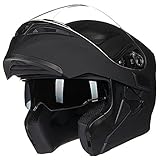
- High Resistance ABS Shell With Micrometrically Adjustable Strap
- Meets or Exceeds FMVSS-218 and DOT Safety Standards
- Helmet Liner / Cheek Pads are Lightweight, Soft and Easily Removable and Washable
- Sleek and Lightweight Design Reduces Wind Noise
- Modular Flip-Up Function Anti-Scratch, Anti-Fog and Wide View Clear Visor
The country number identifies the approval authority, not necessarily the country where the helmet was manufactured. Do not describe it as a manufacturing-country code without additional evidence.
Crashes, No Sound, or Screen Glitches?
Random freezes, missing sound and display glitches usually trace back to one bad driver. Find and replace yours safely.Free scan · under a minuteWindows Errors? Fix Them Before They Spread
Repair common Windows errors and clear accumulated junk for a smoother, more stable PC - no reinstall needed.Free scan · no reinstallRead the approval number and series
Nearby approval particulars include an approval number and production serial information. In UNECE’s official 06-series example, the approval number begins with “06,” indicating approval under UN Regulation No. 22 incorporating the 06 series at the time approval was granted. Other letters or symbols can identify the helmet or face-cover configuration and the approval’s production details.
An older 05-series illustration can help you learn the layout, but it should not be presented as the current series. For a legal decision about which series a jurisdiction recognizes, consult the current regulation and local authority. The approval number’s series is evidence about the approval framework at the time of approval, not a statement that every later accessory or modification is covered.
Check the complete mark, not just the E
- Confirm that the E is enclosed in a circle and that a country number follows it.
- Record every letter and number around the mark, including the approval number and serial details.
- Check that the helmet and visor marks correspond to the configuration you are buying.
- Match the approval particulars to the exact manufacturer and model through the manufacturer or the relevant approval authority.
- Be cautious when a seller shows only a cropped photograph of the E mark or omits the approval number.
A circled E is not a universal quality grade and does not automatically establish compliance with U.S. law. It is evidence of a particular type approval under a particular regulatory series.
How to verify a Snell certification claim
Use the exact model on Snell’s certified list
Snell certification is separate from government approval systems. Open the Snell Foundation’s certified-helmet list and search the exact manufacturer and model, including any suffix or shell designation. A similar-looking model, a different size range or an earlier generation is not a match.
Recommended Free Tools
Rank #4

- Unmatched Protection & Durability:Built Tough for Extreme Adventures, Our Helmet Exceeds Expectations by Meeting FMVSS-218 and DOT Safety Standards. Its Robust Construction Safeguards Ensuring Ultimate Security as You Conquer the Toughest Terrains
- Convenient Flip-Flop Mechanism: Easy Switching Between Full-Coverage Helmet and Open Mode, This Modular Motorcycle Helmet Is Perfect for City Riding and Long-Distance Touring
- Stay Cool and Comfortable with Strategically Placed Vents That Ensure Maximum Airflow and Reduce Heat and Moisture Buildup During the Ride
- Comfortable Interior Lining: Enjoy the Cozy Plush Lining That Provides Long-Lasting Comfort Even on Long Rides
- The Modular Design Makes It Suitable for Snowmobiles, Dirt Bikes, Scooters, Bike Riding and More. With Its Innovative Features, It Is Sure to Be an Ideal Choice for Riders Looking for a Stylish, Comfortable and Safe Helmet!
Snell’s current motorcycle standards include M2025D and M2025R, alongside older standards. Do not treat every Snell label as evidence of the same test requirements or current certification status. Record the standard named for the model in the Foundation’s listing.
Inspect the internal serialized label
Under its licensing arrangement, Snell requires manufacturers to place a serialized label inside each certified helmet. Locate that internal label without damaging the comfort liner. Compare its manufacturer, model and serial details with the helmet and the Foundation’s records.
If the label looks altered, badly printed, misplaced or inconsistent with the model, use Snell’s label-authenticity query. If the Foundation or the manufacturer cannot confirm the claim, do not rely on the Snell mark.
Understand what Snell does and does not prove
A Snell certification is an additional private certification; it is not a replacement for checking the road-use law where you ride. Conversely, the absence of a Snell label does not by itself show that a helmet lacks DOT or UN Regulation No. 22 approval. Evaluate each claim independently.
Quick wins for a faster PC:
Clear out junk files and repair common Windows errorsFree Scan →Fix the driver behind crashes, sound loss and screen glitchesFind Drivers →Counterfeit labels and physical warning signs
NHTSA warns that fake DOT labels are sold, including novelty helmets supplied with separate DOT stickers for owners to apply. Snell also warns that counterfeit labels exist. A printed mark is therefore a starting point for verification, not conclusive proof.
Best Value
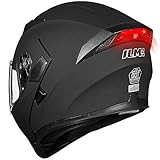
- High Resistance ABS Shell With Micrometrically Adjustable Strap
- Meets or Exceeds FMVSS-218 and DOT Safety Standards
- Helmet Liner / Cheek Pads are Lightweight, Soft and Easily Removable and Washable
- Sleek and Lightweight Design Reduces Wind Noise
- Modular Flip-Up Function Anti-Scratch, Anti-Fog and Wide View Clear Visor
Screen for obvious inconsistencies
- The label is loose, removable, crooked, poorly printed or attached over another label.
- The manufacturer or model cannot be identified, or the name differs between the shell, liner, box and receipt.
- The approval number is incomplete, the circled-E mark is malformed, or the label shows only a cropped symbol.
- The helmet is implausibly light, has a very thin or soft inner liner, or uses weak strap hardware.
- The seller offers a loose “DOT sticker” or says certification can be added after purchase.
- The price, packaging or claimed standard conflicts with the manufacture date or model generation.
NHTSA identifies an unusually thin or soft liner, weak strap hardware and unusually low weight as warning signs. These clues do not prove that a helmet fails a standard; they tell you to stop and seek confirmation. Only the relevant authority, manufacturer or certifier can verify a particular approval claim.
Independent reader supportYour contribution helps us test, update, and keep practical guides available for everyone.A practical verification workflow
- Define the use. Note the riding jurisdiction, road or non-road use, and the helmet configuration, including visor or modular components.
- Photograph every marking. Capture the rear exterior, internal labels, visor mark, size label, manufacture date and packaging.
- Identify the system. Decide whether the claim is DOT/FMVS No. 218, UN Regulation No. 22, Snell or more than one.
- Transcribe the details. Write down the exact maker, model, size, date, approval number, E-country code and Snell serial information.
- Check the official record. Use NHTSA and the manufacturer for a U.S. DOT claim, the relevant approval authority or manufacturer for UN Regulation No. 22, and Snell’s certified list or authenticity query for a Snell claim.
- Compare configuration. Make sure the verified model is the same shell type and accessory configuration as the helmet in your hands.
- Resolve discrepancies before riding. Ask the manufacturer or certifier in writing. Keep the response with your purchase records.
- Return or replace when verification fails. Do not apply a replacement sticker or rely on a seller’s assurance that cannot be matched to an official record.
Comparing helmets when more than one mark is present
| Question | What to establish | Why it matters |
|---|---|---|
| Is the mark legal where I ride? | Check the local road-use rule and recognized approval system. | A valid approval elsewhere may not satisfy your jurisdiction. |
| What kind of approval is it? | Separate manufacturer self-certification, UN type approval and private Snell certification. | They involve different authorities, records and legal effects. |
| Can the exact model be verified? | Match maker, model, size, date and configuration to an official record. | A genuine mark on a different model does not certify your helmet. |
| Are the labels permanent and complete? | Check legibility, required details and attachment to the helmet. | Loose or incomplete labels are common counterfeit indicators. |
| Does the approval cover the configuration? | Check modular, face-cover and visor particulars, especially under UN Regulation No. 22. | Approval details can distinguish one configuration from another. |
Buying online or inspecting a used helmet
Before an online purchase
- Ask the seller for sharp photographs of the rear certification mark, internal identification label and visor approval mark.
- Request the exact manufacturer model designation, size and manufacture month and year.
- Reject listings that promise a loose DOT, E-mark or Snell sticker after purchase.
- Verify the information before paying, using the appropriate authority or certifier rather than the marketplace description.
- Confirm that the seller’s version is intended for your jurisdiction and road use.
When examining a used helmet
- Inspect every label for removal, repainting, adhesive residue or mismatched fonts.
- Compare the shell, liner, strap hardware and model details with the verified record.
- Ask for the original receipt and any recall or service history available from the manufacturer.
- Do not buy if the owner cannot identify the model or if the approval claim cannot be confirmed.
Certification checks cannot reveal every form of crash damage, chemical degradation or alteration. If the helmet has been involved in a crash, modified, or exposed to conditions that could affect its structure, ask the manufacturer whether it remains serviceable; an intact label does not restore damaged protective material.
What to do when a label is missing or contradictory
Stop treating the helmet as verified until the discrepancy is resolved. Do not scrape off a label, add a new one, or infer approval from a retailer’s statement. Send the manufacturer clear photographs of every marking and ask whether the model, date and configuration match its production records.
If the manufacturer cannot confirm the claim, contact the relevant authority or certifier. For a U.S. helmet, check current NHTSA recall and compliance information as well as the manufacturer’s response. For a UN Regulation No. 22 claim, provide the entire circled-E mark and approval number to the approval authority or manufacturer. For Snell, use the Foundation’s authenticity process. Keep written responses and receipts in case you need to return the helmet or report a misleading sale.
Common mistakes to avoid
- Calling DOT “NHTSA approved.” DOT is the manufacturer’s FMVSS No. 218 self-certification; NHTSA does not pre-approve individual helmets.
- Assuming one mark covers every country. Legal acceptance is jurisdiction-specific.
- Checking only the sticker. Verify the exact maker, model, date and configuration.
- Confusing approval-country and manufacturing-country codes. The number after the circled E identifies the approval authority’s country.
- Treating an old or new Snell mark as equivalent. Record the specific Snell standard and certification status.
- Using physical appearance as proof. Weight, liner thickness and strap quality are warning signs, not laboratory certification.
- Relying on a replacement label. A loose sticker cannot certify a helmet.
Bottom line for a safe certification check
Identify where the helmet will be used, read the complete permanent marking, and verify the exact maker and model through the system that issued or supports the claim. In the United States, that means the DOT/FMVS No. 218 label and manufacturer/NHTSA information; for UN Regulation No. 22, the full circled-E type-approval mark and approval particulars; for Snell, the internal serialized label and the Foundation’s certified list or authenticity query. If the records, labels and physical helmet do not agree, do not rely on the helmet until the manufacturer or certifier resolves the discrepancy.
Quick Recap
Product prices and availability are accurate as of the date/time indicated and are subject to change. Any price and availability information displayed on Amazon at the time of purchase will apply.




