Do these 3 things before closing this tab:
1Fix the driver behind crashes, sound loss and screen glitches2Clear out junk files and repair common Windows errors3Scan for outdated or missing drivers - takes under a minuteThe safest way to check a used car for flood damage is to combine three checks: a hands-on inspection of hidden areas, VIN and title-history searches, and an independent mechanic’s inspection before you pay. Look for musty or artificially perfumed odors, mud or silt, waterlines, altered carpeting, fogged lamps and corrosion that does not fit the car’s age or location. Then check the VIN through the National Insurance Crime Bureau (NICB) VINCheck and obtain an NMVTIS history report. A clean title or clean database result is not conclusive, because some losses are never reported and title washing can hide a brand. If the seller will not allow an independent inspection, pause the transaction.
Why flood damage is a serious used-car risk
Flooded vehicles can look presentable after drying, detailing and replacement of obvious interior parts. Water may still have reached wiring, control modules, connectors, seat frames, airbags, insulation and lubricated mechanical parts. Corrosion can develop gradually, so a car that starts and drives normally on a short test drive may develop electrical faults later.
As an Amazon Associate I earn from qualifying purchases.
Flood water is not limited to a visible waterline. It can wick under carpet, collect beneath sound-deadening material, enter seatbelt retractors and remain in cavities that a seller has not cleaned. Salt water and dirty fresh water can leave different residues, but either can create long-term corrosion. The purchase decision therefore has to be based on a pattern of evidence, not on whether the engine runs today.
Quick wins for a faster PC:
Scan for outdated or missing drivers - takes under a minuteDriver Scan →Repair Windows errors before they cause bigger problemsFix Now →Fix the driver behind crashes, sound loss and screen glitchesFind Drivers →“A not-so-obvious question for a flood victim or any used-car buyer: How do I make sure a vehicle I’m buying wasn’t previously damaged in a flood?”
#1 Best Overall
Sale LE LED Pen Flashlights, Lightweight, Mini, Waterproof Pocket Flashlight with Clip, 2 Pack Small Flashlights for Inspection, Work, Emergency
- Pocket Size: Weight only 29g, makes this small pocket bright flashlights can be easily put into your pocket or bag, convenient to take around.
- Super Bright: This portable pen light can light up a concentrated area with a bright and stable beam, making it ideal for up-close working.
- Waterproof: This waterproof pen light made of high performance aluminum alloy which is sturdy and durable, IPX4 rated can be using out in the heavy rain and snow.
- 3 Lighting Modes: This 2 AAA battery (not included) powered pen flashlight comes with high brightness, low brightness and flash mode for different purposes.
- Wide Applications: This compact flashlight is widely used in many circumstances. Perfect for working, repairing, camping, emergency survival, mechanic, nurses, doctors and outdoor sports.
— National Highway Traffic Safety Administration buyer guidance
Start with the seller’s story and paperwork
Ask direct, specific questions
Before touching the car, ask where it has been registered, where it was stored, whether it was ever in a flood or storm, and what repairs were performed. Ask whether the interior, carpets, seats, airbags, computers or wiring were replaced. Vague answers are not proof of damage, but they give you a reason to verify the story against records and the vehicle itself.
Compare documents with the car
Examine the title, registration history, service invoices and any vehicle-history report together. Check that the VIN on the dashboard, driver-door label and title match. Look for gaps in mileage or ownership, a sudden move from a flood-prone area, and a recent title issued in a different state. The NICB describes title washing as moving a damaged vehicle between states so a flood or salvage brand is less visible on a later title.
Recommended Free Tools
A seller’s statement that the car has “always been local” should be checked, not accepted as evidence. Service records that stop abruptly around a storm, an unexplained interior replacement or a title issued shortly after a major weather event are reasons to slow down and investigate.
Rank #2

- High quality Construction: 4 pack pen flashlights are made of anodized machined aviation aluminum, which makes them not wear out over time and can withstand drops and bumps. Perfect for working, repairing, camping, emergency survival, mechanics, nurses, doctors, and outdoor sports
- Super Bright: Each pen light is equipped with 1 super bright LED and can last up to two hours with only two alkaline batteries (battery included), please remove the red insulating sheet before use. Lights up your paths and small dark spaces for a long time
- Lightweight & Portable: Only 30g/1.05 oz of each flashlight, makes this small pocket bright flashlight can be easily put into your pocket or bag, convenient to take around
- Elastic Rubber Switch & Metal Clip: The rubber switch increases thrust, prevents lighting in bags or pockets, and avoids false lighting. The pocket flashlight comes with a clip that easily clips to belts, notebooks, shirt pockets, and jeans pockets, freeing your hands when working or repairing
- What You Get: High quality 4 pen light flashlight (battery included) and after-sales service. If you encounter any questions or issues, we will be happy to serve you
Inspect the cabin in a deliberate sequence
Inspect in daylight if possible. Bring a flashlight, paper towels and gloves. Do not remove trim panels or disconnect electrical components on a car you do not own; ask a mechanic to do invasive checks safely. One clue is rarely decisive. Several independent clues in different parts of the car are much more significant.
1. Smell for moisture and masking products
Open the doors and windows and let the cabin air out briefly, then smell the carpet, trunk and vents. A persistent musty or mildew odor is concerning. A strong air freshener, detergent or solvent smell can indicate an attempt to cover an odor rather than a clean, dry interior. Smell alone cannot date a spill or prove flooding, so use it as a prompt to inspect underneath and behind the trim.
2. Compare carpet and upholstery
Look for carpet that is loose, wavy, stained, recently shampooed or noticeably newer than the rest of the interior. Check whether the front and rear carpets match in color, texture and wear. Mismatched seats, door panels or headliner sections may be legitimate repairs, but ask for receipts and the reason for the replacement. Press a clean paper towel into carpet edges and under mats; dampness or a dirty residue warrants stopping the inspection and arranging professional evaluation.
Free tools Windows power users keep installed
One-click scans. No signup required.
3. Lift mats and inspect floor edges
Remove every removable floor mat. Check the carpet edges where they meet the kick panels, door sills and center console. Use a flashlight to look for tide marks, dried mud, sand, silt, water spots and discolored padding. Flood residue may be trapped beneath the carpet even when the visible pile has been cleaned. Do not treat a perfectly clean surface as proof that water never entered; cleaning can remove visible evidence.
Rank #3
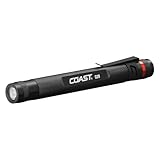
- Inspection Beam: Clear And Consistent Edge-To-Edge Brightness Capable Of Illuminating A Defined Area Up To 9 Meters (30 Feet)
- Adjustable Clip: Versatile Clip Allows For Easy Storage In A Pocket Or Tool Kit
- Specs: 22 Meter (72 Ft. ) Beam Distance And 10 Hour Runtime. Tested And Rated To Ansi/Fl1 Standards
- Tough & Reliable: Ipx4 Rated Design For Water Resistance And Durable Aluminum Body For 1-Meter Drop Protection
4. Look under seats and beneath the dashboard
Slide the seats through their full range and inspect the rails, seat brackets, wiring connectors and floor area underneath. Check the underside of the dashboard, the glove-box area and the lower kick panels for dried silt, staining or a waterline. Corrosion on several connectors or fasteners in normally protected locations is more concerning than a single rusty screw. Do not probe connectors with tools or pull wiring; record what you see and have a technician test it.
5. Check seatbelt retractors where accessible
Pull each belt out slowly and inspect the webbing for staining, grit or an unusual damp smell. If the design permits a safe visual check of the retractor opening, look for residue inside. Do not disassemble a retractor or remove safety-system trim yourself. Flood water in a belt mechanism may not be visible from the belt surface and requires a qualified inspection.
6. Inspect the trunk and spare-tire well
Remove the trunk floor and spare tire or storage tray. Examine the well, seams, jack compartment and tool kit for mud, sand, rust, water marks or a damp odor. Look at the underside of the trunk lid and the felt liner. A clean, dry trunk does not rule out flooding, but residue in this low point is a strong reason to stop and investigate how high water reached.
7. Examine lamps and other enclosed areas
Look through headlamp and taillamp lenses for fogging, droplets or a waterline. Check door pockets, the center console, under-seat storage and the firewall side of the engine compartment for sediment. Condensation can occur after a temperature change, so a single brief fogging event is not proof; persistent moisture or residue in multiple lamps is more significant.
Rank #4

- COMPACT - This sleek and portable pocket flashlight is compact enough to fit into small, tight spaces and illuminate hard to see work areas, making it ideal for close-up tasks.
- BRIGHT - Light up concentrated areas with the bright, diffused beam on this pen flashlight. Conveniently powered for hours with 2 standard AAA batteries (batteries not included).
- DURABLE - Built for rough handling, this durable mini LED flashlight is made of military-grade aluminum and can survive accidental drops and temporary water submersions.
- PORTABLE - Take this mini flashlight with you wherever you go. The removable pocket clip can easily be attached to your belt, bag, binder, shirt or pants pocket.
- SIZE - Measuring 5.25 x 0.5 x 0.5 inches, these small flashlights also work great as police flashlights, pen lights for nurses, or repair lights for mechanics.
Inspect the exterior, engine bay and underside
Corrosion in context
Look at exposed and concealed fasteners, seat mounts, electrical grounds, brake and fuel-line brackets, suspension hardware and the underside of the body. Compare corrosion across several areas and with vehicles of similar age in the same region. Surface rust on an older car in a snowy climate may be ordinary. Fresh-looking corrosion in protected cabin locations, on many unrelated connectors or on hardware that should have been shielded is harder to explain.
Engine bay and fluid checks
Inspect wiring looms, fuse boxes, relays and low-mounted connectors for residue or greenish corrosion. Check fluid reservoirs and the engine-oil filler area for contamination, but do not rely on fluid appearance alone: fluids may have been changed after exposure. A mechanic should check lubricants, bearings, wheel hubs and electrical modules for water contamination and damage.
Do not confuse a flashlight with a diagnosis
A flashlight helps you see dark spaces under seats, in the trunk and around the dashboard. It cannot determine whether a stain is flood residue, identify hidden corrosion inside a module or verify that a cleaned carpet is dry underneath. Use it to find areas that need a professional examination, not as a substitute for one.
What’s actually slowing this PC down?
Pick the symptom - the matching free tool is one click away.
Run VIN and title-history checks
NICB VINCheck
Use the vehicle identification number with the NICB’s free VINCheck service. It can show theft and salvage or flood information reported by participating insurance companies. A result is useful evidence, but the service does not represent every insurer, every state or every loss. The absence of a record is therefore not proof that the car was never flooded.
Best Value
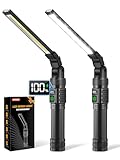
- Ultra Bright & 360° Adjustable: Crafted from a top-grade COB light strip, this LED work light delivers up to 1500 lumens of brightness, ensuring you get clear illumination of every detail even in dim spaces. The work light also features a 360° rotational, foldable structure, allowing you to precisely angle the light right where needed or fold it compactly for storage when not in use.
- Rechargeable & Digital Display: This rechargeable work light has a high-performance battery (non-detachable), offering 5-6 hours at max brightness and longer on other settings to support long-hour lighting. Meanwhile, the rechargeable flashlight comes with a clear digital display that shows real-time battery level, letting you check power at a glance and avoid sudden outages disrupting work.
- Hands-Free & Aluminum Alloy: With an upgraded super-strong magnetic base, this magnetic flashlight enables easy hands-free use, freeing you to focus fully on work. What's more, the magnetic work light has an all-aluminum alloy body that offers excellent impact resistance and efficient heat dissipation, ensuring reliable lighting performance over long working time.
- 7 Lighting Modes & One-Touch Off: According to different usage scenarios, the mechanic light offers 7 modes (high, medium, and low brightness, strobe, SOS, top spotlight, top red strobe). Additionally, the portable work light is built with a handy one-touch off design—long press 3s to turn off, or single-click to turn off 10s after lighting up, saving you from repeated presses.
- Wide application & Strict QC: The work light boasts broad applicability across scenarios—not only ideal for work tasks like car repairs and electrical checks, but also shines in outdoor activities such as camping, barbecues, and emergency use. On top of that, every unit undergoes rigorous pre-shipping testing to secure customers receive satisfactory products.
NMVTIS history
Obtain a report through the U.S. Department of Justice’s National Motor Vehicle Title Information System (NMVTIS), using vehiclehistory.gov or an approved provider. NMVTIS is intended to show title, odometer and condition information, including title brands, salvage designations and some insurance-loss data. The Federal Trade Commission notes that fee-based reports may add accident and repair information, but the FTC does not endorse a particular report company.
Read the reports for conflicts
Compare the report’s VIN, mileage, state sequence and branding with the physical car and seller’s explanation. A title that was issued in one state and quickly replaced in another deserves an explanation. So does a mileage pattern that conflicts with service invoices or an interior that appears newer than the report suggests. Save copies of the reports and ask the seller to explain every discrepancy before authorizing an inspection.
Independent reader supportYour contribution helps us test, update, and keep practical guides available for everyone.Have an independent mechanic inspect it before payment
Choose a shop that has no financial connection to the seller. Tell the mechanic explicitly that you are concerned about flood exposure; a routine safety inspection may not include the hidden areas and electrical checks that matter here. Ask for a written report and photographs of findings.
Ask the mechanic to examine
- Carpet, padding, seat mounts, seatbelt retractors and concealed body cavities for water marks, silt and odor.
- Fuse boxes, control modules, connectors, grounds and wiring for corrosion, residue and non-factory repairs.
- Engine, transmission, differential, wheel bearings and other lubricated components for water contamination or abnormal wear.
- Airbag and restraint-system diagnostics, warning-light history and evidence that safety components were replaced correctly.
- Underside corrosion and repair quality, including fasteners, brackets and sealed seams.
- Stored diagnostic codes, intermittent electrical faults and evidence of recently cleared codes.
A mechanic can uncover problems beyond a shopper’s visual reach, but an inspection is still a snapshot. Ask which areas could not be accessed without disassembly and whether the shop recommends declining the car or obtaining additional testing.
How to weigh the evidence
| Check | What it can reveal | What it can miss |
|---|---|---|
| Physical inspection | Odor, residue, waterlines, altered materials, fogged lamps and visible corrosion. | Evidence that was cleaned, replaced or hidden; internal module damage. |
| NICB VINCheck | Participating insurers’ theft and salvage or flood reports. | Uninsured losses, non-participating insurers and events never reported. |
| NMVTIS report | Title brands, odometer information, salvage and some insurance-loss records. | Unreported damage and title washing; coverage varies by record source. |
| Independent mechanic | Electrical systems, water contamination, corrosion, diagnostics and repair quality. | Problems that have not yet developed or components that require destructive disassembly. |
Use the checks together. For example, a clean report plus a musty odor, replaced carpet and corrosion under the seats is not a clean result; it is a conflict requiring a professional decision. Conversely, one rusty exterior fastener with consistent records and no other signs may have an ordinary environmental explanation. The mechanic should assess the whole pattern.
When to pause or walk away
- The seller refuses to provide the VIN, title or permission for an independent inspection.
- The VIN on the car does not match the paperwork or the history report.
- There are multiple flood clues: odor or masking fragrance, residue, altered interior materials, fogged lamps and unusual corrosion.
- The seller’s location history conflicts with title or service records and cannot be explained with documentation.
- The mechanic finds water contamination, extensive corrosion, compromised safety systems or uncertain repair quality.
- The seller pressures you to pay before the inspection or offers to use a mechanic they selected and paid.
Do not let a low price turn an unresolved history into an acceptable risk. If evidence remains contradictory after the records checks and inspection, declining the car is the safer decision.
A printable pre-purchase checklist
Before meeting the seller
- Request the VIN, title status, registration states and service records.
- Run NICB VINCheck and obtain an NMVTIS report.
- Arrange an independent inspection at a shop you choose.
At the vehicle
- Confirm VIN labels match the title and report.
- Smell the cabin, trunk and vents for mildew or heavy masking scents.
- Remove mats and inspect carpet edges, padding and seat rails.
- Look beneath the dashboard, in the glove box, around seatbelt retractors and in the spare-tire well.
- Check lamps for persistent fogging and inspect wiring, fuse boxes and concealed fasteners for residue or corrosion.
- Compare interior materials, wear and repair quality from side to side.
Before money changes hands
- Give the mechanic the reports and the seller’s statements so conflicts can be checked.
- Read the written inspection, including inaccessible areas and recommended follow-up tests.
- Make the purchase conditional on satisfactory results, or walk away when the seller refuses that condition.
Key decision
No single smell, stain, rusty fastener or database entry proves or disproves flood exposure. The reliable approach is layered: question the history, inspect hidden areas, verify the VIN and title records, and obtain an independent examination of electrical and mechanical systems. A seller who supports those steps gives you useful evidence; a seller who blocks them gives you a clear reason not to buy.
Quick Recap
Product prices and availability are accurate as of the date/time indicated and are subject to change. Any price and availability information displayed on Amazon at the time of purchase will apply.




