Free tools Windows power users keep installed
One-click scans. No signup required.
Set the seat so you can control the vehicle comfortably, sit upright, and then remove slack from a correctly routed lap-and-shoulder belt. The lap section belongs low on the hips or upper thighs; the shoulder section should cross the middle of the chest and shoulder. Adjust the head restraint according to the vehicle’s manual so it supports your head close behind you in the prescribed seating position.
Check the fit whenever you change drivers, move the seat, use a different seating position, or install a child restraint. A belt that feels comfortable is not necessarily routed correctly, and a head restraint that is fully raised is not automatically right for every occupant or vehicle.
As an Amazon Associate I earn from qualifying purchases.
Why correct belt and head-restraint fit matters
A seat belt works best when its strongest sections of the body share the crash load. The National Highway Traffic Safety Administration (NHTSA) explains: “The lap belt and shoulder belt are secured across the pelvis and rib cage, which are better able to withstand crash forces than other parts of your body.” A belt that rides over the abdomen, crosses the neck, or has slack can load a less suitable area or allow more forward movement.
The lap-and-shoulder system is designed as one connected restraint. The lap portion helps hold the pelvis, while the shoulder portion helps restrain the upper body. Separating those functions by placing the shoulder belt behind your back or under an arm changes the path and leaves the system working differently from its intended design.
#1 Best Overall

- This Graco booster seat helps safely transport your big kid from ages 4 -10, from 40 - 100 pounds and up to 57 inches tall
- Backless booster is top-rated by leading consumer magazines and publications
- Graco ProtectPlus Engineered: a combination of the most rigorous crash tests that helps to protect your child in frontal, rear, and rollover crashes; additional testing based on the New Car Assessment Program and for extreme car interior temperatures
- The boost your child will love
- Height-adjustable armrests for your child's comfort
Insurance Institute for Highway Safety (IIHS) figures attribute a 60% reduction in fatal-injury risk for front-seat lap-and-shoulder belt use in SUVs, vans and pickups, and a 45% reduction in cars. The retrieved IIHS material does not state a publication year for those estimates, so they should not be treated as a current-year test result. NHTSA reported that 56% of people killed in nighttime crashes in 2024 were unrestrained. That is a nighttime-fatality statistic, not a percentage for all crashes.
These figures do not mean a belt prevents every injury, nor do they replace vehicle-specific instructions. They do show why buckling up and correcting the belt’s path matter in every trip, including short drives and nighttime travel.
How should a seat belt fit?
Use the following sequence every time you change drivers, move the seat, or carry a different passenger. Make the adjustment while seated naturally, not while leaning toward the belt or twisting your torso.
Outdated Drivers Are Slowing You Down
One free scan finds every outdated or missing driver and matches the right update for your exact hardware.Free scan · exact hardware matchPC Slower Than It Used to Be?
A free scan shows the junk files, broken settings and background clutter dragging Windows down - then fixes them in one click.Free scan · Windows 10 & 111. Put the seat in a controllable, upright position
Before buckling, position the driver’s seat so you can operate the controls safely and maintain a comfortable, upright posture. Do not recline the seat merely to change the belt’s path. If another seating position has a different adjustment procedure, use the vehicle owner’s manual.
Set the seat first because sliding it forward or backward, changing the backrest angle, or changing the seat height can alter where the belt crosses your body. Once the seat is set, remain in that normal posture while you assess the belt and head restraint.
2. Buckle the lap-and-shoulder belt and remove slack
Insert the latch plate fully, then pull the shoulder portion upward so the belt lies snugly against your body. The belt should not be twisted. Removing slack allows the restraint to engage as intended rather than leaving extra movement before the belt tightens.
Run your hand along the visible belt to check for a fold or twist. Confirm that the latch plate is in the buckle intended for that seating position and that the belt is not trapped behind an armrest or seat trim. If the belt does not latch or retract normally, stop and consult the vehicle manual or manufacturer rather than forcing the mechanism.
Do these 3 things before closing this tab:
1Clear out junk files and repair common Windows errors2Fix the driver behind crashes, sound loss and screen glitches3Repair Windows errors before they cause bigger problems3. Place the lap belt low across the hips
The lap portion should rest low and snug across the pelvis, hips or upper thighs. It should not lie across the stomach or soft abdomen. Check the lower edge of the belt after you sit and buckle: if it has migrated upward, reposition it low over the hips and remove the slack again.
Do not hold the lap belt away from your body to make room for clothing, a bag or another object. Bulky items can create space between the belt and your body. Keep the belt flat against the intended area and remove avoidable slack before moving.
4. Route the shoulder belt across the chest and shoulder
The shoulder portion should pass across the middle of the chest and shoulder, away from the neck and face. It should not cut across the throat, sit on the edge of the shoulder, or fall off the shoulder. Keep the belt in its normal path from the vehicle’s upper anchorage to the buckle.
The belt should contact the chest and shoulder without being deliberately pushed outward. Do not tuck it under a coat, place it beneath a shoulder strap, or hold it away from your body. If the path is uncomfortable, use the vehicle’s permitted adjustment range and the troubleshooting steps below instead of changing the route.
Quick wins for a faster PC:
Clear out junk files and repair common Windows errorsFree Scan →Fix the driver behind crashes, sound loss and screen glitchesFind Drivers →Repair Windows errors before they cause bigger problemsFix Now →5. Use the adjustable upper anchorage when the vehicle provides one
Many vehicles allow the upper belt anchorage to move up or down. With the seat in your normal driving position, adjust that anchorage to improve the shoulder-belt path across your chest and shoulder. The exact control and locking procedure vary by make, model and year; follow the owner’s manual and confirm that the anchorage is locked before driving.
Rank #2

- 2-in-1 Convertible Seat: From highback to backless booster to accommodate your growing child
- Safety First: Graco ProtectPlus Engineered with rigorous crash tests to ensure maximum safety
- Comfortable Ride: Height-adjustable armrests and head support for your child’s comfort
- Convenient Features: Hide-away cup holders keep your child content on the road
- Secure Positioning: Open-loop belt guides for proper seat belt positioning and independent self-buckling
Make the adjustment in small changes, then buckle and reassess the entire path. A setting that helps one occupant may not suit another. Recheck it whenever the driver or passenger changes, particularly when several people share the vehicle.
6. Never create a nonstandard belt path
- Do not put the shoulder belt under an arm.
- Do not route it behind your back.
- Do not deliberately add slack or move the belt away from the chest to avoid contact.
- Do not move the belt to a neighboring buckle or anchor point unless the vehicle manual specifically identifies that location for the seating position.
Those workarounds change the geometry the vehicle’s restraint system was designed to use. If the belt still does not fit, use the troubleshooting steps below instead of improvising.
Final adult fit check
Before moving, run this short check while seated in your normal posture:
Recommended Free Tools
- The lap section is low and snug over the hips or upper thighs, not the abdomen.
- The shoulder section crosses the middle of the chest and shoulder and stays away from the neck and face.
- The belt is flat, not twisted, and has no avoidable slack.
- The shoulder belt is not under an arm or behind the back.
- The seat and any movable upper anchorage are locked in their intended positions.
- The belt can move with normal breathing and posture without slipping off the shoulder or climbing onto the abdomen.
Have a passenger check the path if you cannot see it clearly, but make the final assessment while sitting as you normally would. A belt can appear correctly positioned when you lean forward and then move when you settle back into the seat.
How high should my head restraint be?
There is no single height setting that applies to every vehicle. Adjust the head restraint’s height and any fore-and-aft position using the instructions for your specific vehicle. The general aim is to keep your head supported close behind it while you remain in the prescribed seated posture. Do not use a setting that forces you to lean forward or changes your normal driving position.
Some restraints have release buttons, ratcheting posts, tilt functions or a separate fore-and-aft adjustment. Controls and available travel differ, and some positions may be restricted when the seat is occupied. Follow the owner’s manual for raising, lowering, tilting, locking and returning the restraint to its normal position.
NHTSA’s federal head-restraint rule establishes performance requirements in the rear-impact and whiplash context. It is a regulatory standard, not a universal consumer adjustment diagram. Because restraint shapes, locking buttons and travel ranges differ, the owner’s manual is the authority for how to release, raise, lower or tilt yours.
Do not remove the head restraint to gain cargo space while a passenger is using that seat. If it has been removed for another reason, reinstall it as the manual specifies before carrying an occupant.
What if the shoulder belt rubs my neck?
First, correct the position rather than changing the route
Move the vehicle’s adjustable upper anchorage, if fitted, and reassess the belt while sitting upright. A small change in anchorage height can improve the path over the chest and shoulder. Also verify that the seat is in the position you actually use; moving the seat afterward can change the belt geometry.
Check that the belt is not twisted and that you are using the designated buckle. If the belt still contacts the neck, compare the fit in another approved seating position only if the vehicle manual permits that change; never use a different position by simply crossing the belt across the cabin.
Do not put the belt under your arm or behind your back
Those positions avoid the neck contact by removing the shoulder belt from its intended path. They also leave the upper body less properly restrained. Keep the belt across the chest and shoulder and seek a vehicle-manufacturer solution if the fit cannot be achieved.
If the belt is too short, ask the vehicle manufacturer about an extender
NHTSA advises contacting the vehicle manufacturer when the belt is too short. An extender is not a generic accessory to order by guesswork: the manufacturer must identify a compatible part and explain its use for that vehicle and seating position. Do not add an extender simply because another vehicle uses one.
Rank #3

- HEAD AND TORSO PROTECTION – Superior DuoGuard for head and body support and 10-position height adjustment from the waist instead of the neck offer reassuring protection and child comfort.
- GRAB & GO CONVENIENCE – Equipped with premium LATCH connectors and a SuperCinch one-pull tightener to stabilize the seat and the quick-release LATCH provides one-hand removal for easy transfer creating an ideal portable booster seat.
- FLAME RETARDANT-FREE – ClearTex materials feature no flame retardant chemicals and meet federal flammability standards. All fabrics, including armrests, are removable and machine washable.
- COMFORT AND CONVENIENCE – A contoured ErgoBoost seat with double foam padding provides comfort and support in all the right places. Two dishwasher-safe CupFolders fold out of the way when empty for a narrow booster seat.
- BUILT TO GROW – As a high back booster seat, the 2-position recline backrest adjusts to mimic the vehicle seat position. For older children, the backrest is removeable to create a backless booster seat.
Describe the vehicle’s make, model, year and seating position when you ask. A manufacturer may need to determine compatibility with the buckle, anchorage and belt system. Until you have an approved solution, do not substitute a universal product or alter the belt.
If the vehicle has only a lap belt, ask about retrofit options
For an older vehicle equipped with a lap-only belt, NHTSA advises asking the manufacturer about possible retrofit options. Do not attempt to create a shoulder-belt system by moving hardware or adding an unapproved belt.
A lap-only belt is not converted into a lap-and-shoulder system by attaching a separate strap to an improvised point. Ask what options, if any, are approved for that vehicle and seating position.
Should you use an aftermarket belt-positioning device?
Do not treat a generic belt-positioning accessory as a universal fix for a poor fit. In a 1994 interpretation (NHTSA document nht94-1.81), the agency discussed potential injury concerns when a device relocates the belt intersection or introduces slack. That interpretation is historical regulatory guidance, not a product-specific assessment of every device sold today, but it explains why changing the belt’s geometry can be hazardous.
Use the vehicle’s built-in adjustments first. If the belt remains too short or cannot cross the chest and shoulder correctly, contact the vehicle manufacturer rather than selecting an accessory based only on appearance or a universal size claim.
Comfort alone is not a safety test. An accessory may make the belt feel less noticeable while moving the load away from the pelvis, chest or shoulder, or while allowing extra movement. Do not route the belt through a device in a way that conflicts with either the vehicle instructions or the device instructions.
How do seat belts fit children?
A child should move to the vehicle’s adult lap-and-shoulder belt only when the child can maintain the correct fit for the entire trip. If the child cannot keep the lap belt low over the hips and the shoulder belt across the chest and shoulder, continue using an appropriate booster according to both the booster and vehicle manuals.
What’s actually slowing this PC down?
Pick the symptom - the matching free tool is one click away.
NHTSA explains that a booster raises and positions a child so the vehicle’s lap-and-shoulder belt can fit over the hips and chest. The booster is not a substitute for the vehicle belt; the belt must still be buckled and routed as instructed.
Observe the child after buckling, not only at the curb. If the child moves the shoulder belt behind the back, places it under an arm, lets the lap portion ride onto the stomach, or cannot stay seated upright, the adult belt is not being maintained correctly for that trip.
Choosing between booster configurations
- Use a booster only within the child’s stated size limits and with a compatible vehicle seating position.
- A backless booster requires a vehicle with a head restraint or a high seatback.
- A backless booster must be used with a lap-and-shoulder belt, not a lap-only belt.
- Follow the installation and belt-routing directions in both manuals, even if you have used a similar booster before.
- Check that the vehicle belt remains low over the child’s hips and crosses the chest and shoulder after the child settles into the booster.
Do not solve a child’s poor fit by adding a generic belt adjuster or moving the belt to an alternate path. Correct the seating position, use the appropriate booster, or obtain manufacturer guidance.
When comparing booster options, stay within the child’s size limits, confirm that the vehicle seating position is compatible, and follow the product’s specified belt path. A backless booster’s need for a head restraint or high seatback is a vehicle requirement, not an optional comfort feature.
What to check when comparing vehicles
IIHS recommends trying a vehicle’s belts on before buying. Fit can differ between vehicles and between seating positions in the same vehicle, so have the actual driver and frequent passengers sit in the seats they will use.
Rank #4
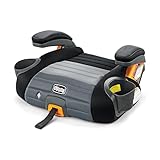
- BOOSTER CAR SEAT FOR 40 LBS AND UP — GoFit ClearTex Plus is designed for children who are at least 4 years old, between 40-110 pounds and 44-57 inches tall and who can sit relatively still in the same seated position throughout the car ride.
- GRAB & GO CONVENIENCE – The GoFit ClearTex Plus backless booster is equipped with LATCH to help stabilize the seat while the child gets in and out. An innovative quick-release design means one-hand removal with a simple pull of the release handle. Built-in carry handle.
- BELT-POSITIONING BOOSTER — Integrated lap belt guides and a shoulder belt clip ensure a proper fit with the vehicle seat belt. The ErgoBoost contoured seat with double foam padding provides support in all the right places for big kid comfort.
- FLAME RETARDANT-FREE– ClearTex products have no flame retardant chemicals and are GREENGUARD Gold Certified for low chemical emissions, contributing to healthier air quality around child.
- EASY CARE — The GoFit ClearTex Plus portable booster seat features 2 dishwasher-safe, fold-away cup holders, a machine-washable seat pad and pop-out armrest covers for easy cleaning. The foam insert may be hand rinsed and hung to dry.
| Vehicle feature or check | What to assess in person |
|---|---|
| Lap-belt path | Whether the belt sits low and snug across the hips or upper thighs rather than the abdomen. |
| Shoulder-belt path | Whether it crosses the middle of the chest and shoulder without rubbing the neck or face. |
| Upper anchorage | Whether a built-in height adjustment lets the belt fit the intended driver and passengers. |
| Head restraint | Whether its height and any fore-and-aft adjustment can support the occupant’s head close behind it in the normal seating posture. |
| Actual occupants | Whether each regular occupant can maintain the correct fit after sitting naturally, not just while leaning forward to test the belt. |
| Controls and locking | Whether the belt anchorage and head restraint can be adjusted, locked and returned to the prescribed position without confusion. |
| Child seating positions | Whether the intended positions provide a lap-and-shoulder belt and the head restraint or high seatback required for a backless booster. |
Built-in adjustable D-rings are one example of a vehicle feature that can customize shoulder-belt position. A vehicle that fits one person well may not fit another, so evaluate the people who will ride most often rather than relying on a specification sheet alone.
Try the belt with ordinary clothing and in the posture you expect to use. Check the driver’s view and control access at the same time; a belt adjustment is not successful if obtaining it requires an unsafe seat position.
Common fit problems and the safe response
| What you notice | Safe response |
|---|---|
| Lap belt rides over the stomach | Reposition it low over the hips or upper thighs, remove slack, and check the seat position. |
| Shoulder belt touches the neck | Use the vehicle’s adjustable upper anchorage if available; keep the belt across the chest and shoulder. |
| Shoulder belt falls off the shoulder | Recheck the seat and anchorage settings and consult the owner’s manual for the permitted range. |
| Belt is too short to buckle or fit correctly | Contact the vehicle manufacturer about a compatible extender; do not buy a universal one without manufacturer advice. |
| Only a lap belt is installed | Ask the manufacturer about retrofit possibilities rather than modifying the belt yourself. |
| Child cannot keep the adult belt positioned | Use an appropriate booster within its size limits and follow both manuals. |
| Aftermarket adjuster seems to improve comfort | Do not assume it is safe; a device can alter belt geometry or create slack. Obtain manufacturer guidance. |
| Head restraint feels too far away | Check the seat posture and the vehicle’s permitted fore-and-aft adjustment; use the owner’s manual rather than forcing the restraint. |
| Belt or restraint will not lock | Do not drive with an unresolved mechanism problem; consult the vehicle instructions or manufacturer. |
Vehicle-specific instructions and limits
The adjustment principles in this guide are based on U.S. agency material and apply to U.S. road vehicles. Control layouts, belt anchorages, head-restraint mechanisms and recommended procedures vary by make, model and year. Read the owner’s manual for the exact release buttons, locking positions and seating restrictions, and use the vehicle manufacturer for questions about extenders, lap-only-belt retrofits or other fit concerns.
The Tool Desk
Outbyte PC Repair FREERepair Windows errors before they cause bigger problemsFix Now →Outbyte Driver Updater FREEFix the driver behind crashes, sound loss and screen glitchesFind Drivers →NHTSA’s head-restraint rule describes federal performance requirements, not a promise that every restraint has the same shape, height range or adjustment sequence. Likewise, the 1994 NHTSA interpretation about belt-positioning devices should not be read as a product-by-product judgment about every current accessory. The practical boundary is consistent: do not change the belt’s designed geometry without vehicle-manufacturer guidance.
A correctly adjusted belt and head restraint are part of a complete restraint setup: sit in the prescribed posture, use the belt’s normal path, and keep children in the appropriate booster until the adult belt fits without help.
Frequently Asked Questions
How should a seat belt fit?
Sit upright with the seat set for safe control. The lap belt should lie low and snug across the hips or upper thighs, while the shoulder belt crosses the middle of the chest and shoulder, away from the neck and face. Keep the belt flat, untwisted and free of avoidable slack.
Where should the lap belt sit?
It should sit low across the pelvis, hips or upper thighs—not across the stomach or soft abdomen. Reposition it after buckling if it has migrated upward.
Crashes, No Sound, or Screen Glitches?
Random freezes, missing sound and display glitches usually trace back to one bad driver. Find and replace yours safely.Free scan · under a minuteWindows Errors? Fix Them Before They Spread
Repair common Windows errors and clear accumulated junk for a smoother, more stable PC - no reinstall needed.Free scan · no reinstallHow high should my head restraint be?
There is no universal height. Use the height and fore-and-aft settings permitted by your vehicle’s owner’s manual so your head is supported close behind the restraint while you remain in the normal seated posture.
What if the shoulder belt rubs my neck?
Use the vehicle’s adjustable upper anchorage, if provided, and reassess while sitting upright. Do not put the belt under an arm or behind your back. If it still does not fit, contact the vehicle manufacturer.
Can I buy a universal seat-belt adjuster?
Do not assume a generic adjuster is safe. NHTSA has discussed injury concerns when a device changes belt geometry or introduces slack. Use built-in adjustments first and ask the vehicle manufacturer about an approved solution.
When does a child need a booster?
A child who cannot maintain the lap belt low over the hips and the shoulder belt across the chest and shoulder for the whole trip should remain in an appropriate booster, used within its size limits and according to both the booster and vehicle manuals.
The Bottom Line
Set the seat for safe control, buckle the lap-and-shoulder belt, and remove slack. Keep the lap section low over the hips or upper thighs and the shoulder section across the middle of the chest and shoulder. Adjust the head restraint with the vehicle manual, never route the shoulder belt under an arm or behind your back, and ask the manufacturer—not a generic accessory seller—about extenders, lap-only-belt retrofits or unresolved fit problems.
Quick Recap
Product prices and availability are accurate as of the date/time indicated and are subject to change. Any price and availability information displayed on Amazon at the time of purchase will apply.




