Sometimes additive chemistry can change how transmission fluid behaves, but that does not mean a bottle of aftermarket treatment can repair a slipping, shuddering, or leaking transmission. Automatic transmission fluid (ATF) is engineered for the transmission’s friction and operating requirements. Follow the fluid specification and additive guidance in your vehicle’s manual; if a problem has appeared, get it diagnosed instead of treating the additive as a repair.
What transmission additives can—and cannot—do
ATF is not simply generic oil. Its friction behavior helps control clutch engagement and shift quality, and changing the fluid’s chemistry can affect how the transmission operates. Ford warns that supplemental treatments may affect operation and damage internal components; its manual also directs owners to use the correct fluid type for the vehicle. Ford owner’s-manual guidance
Engineering studies show that particular additive chemistries can affect anti-shudder performance in specific test settings. That is evidence about the tested formulations—not proof that an off-the-shelf additive will restore a worn clutch, correct a fluid-level problem, or repair a malfunctioning transmission.
What the engineering studies found
A 2015 SAE study by Yokomizo, Iwai, Narita, and Kudo reported 1.5 times longer anti-shudder durability for a trial ATF formulation than for a commercial ATF. The comparison concerns that study’s formulation and test, not a retail treatment added to a customer’s vehicle. SAE paper 2015-01-2037
Recommended Free Tools
#1 Best Overall

- Reduces operating temperatures
- Eliminates station from all automatic & CVT transmissions
- Reduces coefficient of friction
- Shift Restore minimizes metal to metal contact
- Smooths out gear changes
A 1999 SAE transmission-stand test found improved anti-shudder durability when specified calcium sulfonate and friction modifier were added to ATF. It likewise does not establish that consumer additives broadly work or are appropriate for a particular transmission. SAE paper 1999-01-3616
Check your vehicle’s manual before adding anything
There is no universal rule that applies to every make, model year, and transmission, but the cited manufacturer guidance is clear for the vehicles it covers: do not assume an additive is safe just because its label says “automatic transmission.”
Rank #2

- Instantly eliminates torque converter shudder
- Provides four times less wear than regular ATF
- The original transmission shudder fix
- Voted top product by transmission professionals
- Ford: The cited Ford manual says, “Do not use supplemental transmission fluid additives, treatments or cleaning agents,” warning they may affect operation and damage internal components. It directs owners to the correct fluid type identified in the manual or on the dipstick. This is guidance for the cited manual, not a claim that every automaker uses identical wording. Ford owner’s-manual guidance
- Ram 2500/3500 (2022 manual): The manual describes ATF as an engineered product and warns supplemental additives can impair its performance. It advises against additives and transmission sealers and warns chemical flushes can damage components. It identifies special leak-diagnosis dyes as a narrow exception. Apply this guidance to the cited Ram models and manual. 2022 Ram 2500/3500 owner’s manual
For your own vehicle, find the make, model year, transmission type, and exact required ATF specification in the owner’s manual or authoritative service information. Do not substitute a generic fluid—or an additive—for a required specification match.
Can an additive stop a transmission leak?
Do not count on a seal conditioner as a durable repair. A 1966 SAE paper reported reduced or stopped leakage past rotating shaft seals in tests on older-model cars using particular seal-swelling fluids; it also reported reduced leakage after aromatic additives were added to existing fluids. Those results do not establish a modern product’s repair rate or suitability for current transmissions. SAE paper 660397
Rank #3

- Contains no solvents
- Lowers operating temperatures and stops foaming
- Can be added to existing fluid without draining any out
Ram’s 2022 manual specifically warns that transmission sealers can adversely affect seals. A leak should be inspected to identify its source and the correct repair; use only a diagnostic dye if the vehicle guidance permits it.
Can an additive fix slipping, shudder, or hard shifts?
An additive is not a reliable diagnosis or repair for these symptoms. Shudder and shift behavior can be affected by fluid friction, as the SAE studies demonstrate, but the studies do not show that retail products fix a transmission fault. Slipping, delayed engagement, shudder, or hard shifting may require a specific service procedure or repair, so have the vehicle assessed rather than experimenting with treatments.
Rank #4
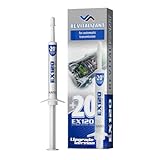
- Rebuilds And Restores Metal Parts And Protects Them From Future Wear.
- Anti Friction Modifier. Eliminates Surfaces Defects & Protects From Extreme Heat
- Stops Transmission Shudder, Reduces Noise & Vibration. Ultimate Stop Slipping Additive
- Increases Performance Reliability And Prolongs Service Life Of Control Gears
- Universal for Automatic, CVT, Tiptronic, Manumatic, Semi-Automatic Transmission
How to decide whether an additive is worth considering
- Identify the exact transmission and required fluid. Use the owner’s manual or authoritative service information—not a general “automatic” label.
- Check whether the manufacturer permits supplemental additives. If the manual prohibits them, do not use one.
- Match any permitted product to the exact application. Check stated compatibility, the specific claim (such as leakage or shift feel), and exclusions. For example, Lucas Oil’s Automatic Transmission Fluid Conditioner data sheet, updated March 26, 2024, markets friction modifiers, seal conditioners, cleaning additives, oxidation inhibitors, and foam/air-release additives, and claims benefits including reduced noise and hard shifting. The sheet excludes CVT, dual-clutch, and Ford Type F applications. These are manufacturer claims, not independent proof, and do not override the vehicle manual. Lucas Oil product data sheet
- Get symptoms diagnosed before adding a treatment. A fluid-level issue or mechanical fault may need a particular service procedure; an additive can delay that diagnosis.
For most drivers, the sensible choice is not to buy an additive unless the vehicle maker permits it and the product is confirmed for that exact transmission. If something is wrong, diagnosis—not a bottle—is the next step.
Quick Recap
Best Value

- Fit type: Universal Fit
- Reduces wear throughout the transmission and optimizes total transmission performance
- Prevents overheating, reducing elevated operating temperatures - Optimizes total transmission performance
- Eliminates clutch chatter and torque converter shudder; Softens and modifies harsh shifts making them quicker in duration
Product prices and availability are accurate as of the date/time indicated and are subject to change. Any price and availability information displayed on Amazon at the time of purchase will apply.




