Heat pumps can reduce an EV’s winter range penalty by using less electricity to warm the cabin than resistance heaters, but they do not prevent cold-weather range loss. The benefit depends on the vehicle, temperature and driving conditions; in extreme cold, a heat pump may need resistance heat to help.
How much range do EVs lose in cold weather?
There is no single figure that applies to every EV. Cold affects more than the cabin heater: battery performance, heating demand, speed and road conditions all influence how far a vehicle can travel. The test conditions matter, too, including whether the HVAC system was running and how the vehicle was driven.


AAA Mountain West reported in 2026 that the EVs it tested had a 39% decrease in calculated driving range at 20°F compared with 75°F. That is a broad temperature comparison, not a measurement of the benefit of heat pumps. In a separate 2019 study summary, AAA reported an average range decrease of 41% at 20°F with HVAC heat on, compared with 75°F, during combined urban and highway driving. Those results come from different studies and should not be combined into a single forecast for a particular car.
AAA Mountain West spokesperson Doug Johnson said, “EVs are efficient in moderate temperatures but lose significant range in the cold,” and advised drivers to consider climate, energy costs and driving patterns when choosing a vehicle. Read AAA Mountain West’s 2026 temperature-impact study release.
The Tool Desk
Outbyte PC Repair FREEClear out junk files and repair common Windows errorsFree Scan →Outbyte Driver Updater FREEFix the driver behind crashes, sound loss and screen glitchesFind Drivers →Do heat pumps help EV range in winter?
Generally, yes. A heat pump moves ambient heat into the cabin rather than relying solely on electric resistance heat, which directly converts electricity into heat. Because a heat pump typically uses less electrical power for cabin heating, more battery energy can remain available for driving.
The U.S. Department of Energy’s 2024 technical review reported 38% lower total HVAC system power draw at 20°F for a heat-pump system in the studied comparison. That is a reduction in HVAC power, not a universal increase in driving range; the two measures are not interchangeable. Read the DOE technical review.
A 2024 National Renewable Energy Laboratory report summarized studies finding 15%–22.6% higher driving range at 14°F for heat-pump EVs compared with EVs using resistance heaters. This range comparison reflects the studies summarized, not a guarantee for every model or winter trip. NREL also cautions that more testing and studies are needed before extending the result to −40°F. Read NREL’s 2024 report.
Why the advantage can shrink in extreme cold
A heat pump’s performance declines as outdoor temperatures fall, and the system may need resistance heat to meet cabin heating demand. In the vehicle discussed in DOE’s review, resistance heat supplied most of the cabin load at 0°F. That example illustrates why a heat pump cannot be treated as a fixed winter-range gain across temperatures or vehicles.
At very low temperatures, cabin heating is only one part of the range picture. Battery and driving conditions also matter, so a heat-pump advantage measured in one test cannot be carried over unchanged to a colder climate or a different drive cycle.
How to compare heat-pump EVs and winter-range estimates
When comparing vehicles or published estimates, check whether they describe the same model year and trim, and look for the test conditions behind each figure:
Rank #4

- 【RATED UP TO 60 AMPS & WIDELY COMPATIBLE】Designed to handle a maximum load of 60 Amps, this non-fused disconnect switch is fully compatible with 30A, 40A, and 50A circuits. Upgrading your 30A equipment with this 60A-rated box provides a superior safety margin, reduces heat generation, and ensures long-lasting durability.
- 【NEMA 3R OUTDOOR WEATHERPROOF】 Built to withstand the elements, the enclosure is constructed from heavy-duty, rust-resistant metallic steel with a premium baked-enamel finish. The NEMA 3R rating guarantees excellent protection against rain, sleet, snow, and dirt, making it perfect for rigorous outdoor environments.
- 【WIDE WIRE GAUGE ACCOMMODATION】Equipped with high-quality, high-torque lugs designed to firmly grip various wire sizes. It securely holds thinner 10 AWG copper wires for standard 30 Amp appliances, seamlessly scaling up to thicker 8 AWG, 6 AWG, or 4 AWG wires for higher capacity setups without the risk of loose connections. (Note: Please verify the actual AWG range of your product).
- 【SAFE PULLOUT DESIGN (NON-FUSED)】 Features an ergonomic ON/OFF pullout handle that physically breaks the circuit, ensuring absolute safety for electricians and homeowners during equipment maintenance. As a non-fusible disconnect, please ensure your main electrical panel is equipped with the correct circuit breaker (e.g., a 30A breaker for a 30A load) for overcurrent protection.
- 【VERSATILE RESIDENTIAL & COMMERCIAL USE】Provides a reliable and code-compliant disconnecting means for a wide variety of high-draw motor and heating loads. The ideal solution for Air Conditioners (A/C), HVAC systems, heat pumps, electric water heaters, hot tubs, spas, and residential EV charging stations.
- Heating equipment: Confirm whether the exact model and trim includes a heat pump. Equipment can vary within a model lineup.
- Temperature and drive cycle: Note the outside temperature and whether the estimate comes from city, highway or combined driving.
- Cabin heating: Check whether HVAC was on and what cabin setting was used. A range result with heat off does not describe a heated winter trip.
- Battery conditioning: Find out whether preconditioning or battery conditioning was included in the test or estimate.
- What was measured: HVAC power draw, heating efficiency and total driving range are different measures. Do not read a reduction in heater power as the same percentage increase in vehicle range.
The available figures do not establish a validated, model-by-model comparison. Treat a published percentage as specific to its vehicle and test conditions unless the source supports a broader conclusion.
Independent reader supportYour contribution helps us test, update, and keep practical guides available for everyone.What to check before choosing an EV
If you regularly drive in cold weather, check the heating equipment for the precise model year and trim you are considering rather than assuming every version has a heat pump. The DOE advises buyers to consider one when it is available. Also weigh local climate, energy costs and typical driving patterns; those factors help determine how much the heating system matters in your use. See the DOE’s winterizing guidance.
Crashes, No Sound, or Screen Glitches?
Random freezes, missing sound and display glitches usually trace back to one bad driver. Find and replace yours safely.Free scan · under a minutePC Slower Than It Used to Be?
A free scan shows the junk files, broken settings and background clutter dragging Windows down - then fixes them in one click.Free scan · Windows 10 & 11Quick Recap
Best Value
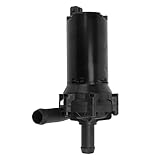
- Efficient Cooling Performance : Engine auxiliary delivers stable coolant circulation for intercooler systems improving heat dissipation and preventing overheating while maintaining consistent engine performance under demanding driving conditions
- Wide Vehicle Compatibility : Electric coolant pump designed for SVT 2003 2004 CTS V STS V XLR V 1500 1500 and ensuring precise fitment and reliable intercooler cooling system operation
- Durable Material Construction : Intercooler built with high strength housing and wear resistant internal components providing long lasting durability corrosion resistance and stable performance in high temperature environments
- Easy Installation Design : Direct replacement auxiliary coolant pump matches original specifications allowing quick installation with no modification required ensuring seamless integration with factory intercooler cooling systems
- Reliable Usage and Safety : Engine electric continues circulating coolant after engine shutdown reducing heat soak protecting supercharger components and enhancing overall driving safety and system longevity
Product prices and availability are accurate as of the date/time indicated and are subject to change. Any price and availability information displayed on Amazon at the time of purchase will apply.




