The Tool Desk
Outbyte PC Repair FREEClear out junk files and repair common Windows errorsFree Scan →Outbyte Driver Updater FREEScan for outdated or missing drivers - takes under a minuteDriver Scan →Buy the car’s structure and repair history before you buy its specification sheet. On a classic Porsche 911, concealed corrosion, poor previous metalwork, neglected cam-chain tensioners, oil leaks and worn driveline parts can cost far more than cosmetic faults. The inspection must be matched to the exact year, body style, engine, transmission and market: the checks documented for 1974–89 cars are not a universal checklist for 1964–73 cars, and this guide does not establish a comprehensive procedure for 964 or 993 models.
Arrange a lift-based inspection by a specialist who is independent of the seller. Ask for photographs, measurements or other evidence in the report, confirmation of identity numbers and records, and a clear list of follow-up tests. A Porsche Classic Technical Certificate can add factory-production information and a 63-point assessment, but neither a certificate nor a quick viewing proves that a particular 911 is free of hidden defects.


As an Amazon Associate I earn from qualifying purchases.
Start by defining the exact 911
“Classic 911” covers several generations with different bodies, engines, gearboxes and corrosion protections. Write down the production year, body style, engine type, transmission, market and any documented conversions before the appointment. Do not infer equipment from a registration year: model-year and build-date changes can alter the gearbox, clutch, tensioner and body details.
Do these 3 things before closing this tab:
1Clear out junk files and repair common Windows errors2Fix the driver behind crashes, sound loss and screen glitches3Repair Windows errors before they cause bigger problems1964–1973 cars
The available early-car buyer’s guide treats body condition as paramount because rust protection was limited. It does not provide the same location-by-location list available for later cars, so an inspector should develop the structural inspection around that exact shell, previous repairs and specification rather than mechanically copying a later checklist.
#1 Best Overall
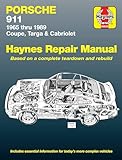
- Complete Repair Coverage: Step-by-step repair procedures specific to your vehicle — from routine maintenance like oil changes and air filter replacement to complex engine and transmission repairs
- 700+ Photos & Illustrations: Every procedure is visually supported with clear, close-up photography taken during an actual vehicle teardown and rebuild — no guesswork required
- Beginner to Advanced: Written in plain language so a DIY owner with basic tools can tackle most repairs confidently, while still serving as a valuable reference for experienced mechanics
- Full Troubleshooting Section: Quickly diagnose problems with dedicated troubleshooting guides for engine, electrical, brakes, and drivetrain systems
- Time-Saving Tips Throughout: Pro shortcuts and notes highlight common pitfalls, helping you avoid costly mistakes and get your vehicle back on the trail faster
1974–1989 cars
The later-car guide identifies specific exterior, floor and chassis areas to examine. It also discusses oil leaks, cam-chain tensioners, heat exchangers, CV joints and year-dependent transmissions. Use those observations as a starting point, then have the specialist adapt them to the individual car.
Cars outside this scope
The evidence here does not establish a complete inspection checklist for 964 or 993 models. Those cars need model-specific knowledge of their bodies, engines, electronics and four-wheel-drive or suspension systems where fitted.
Where do classic 911s rust?
A shiny exterior can hide corrosion or an unsafe repair. For a 1974–89 911, inspect the following areas with the car opened up and, where possible, raised on a lift.
Rank #2

- Used Book in Good Condition
| Area | What to examine | What the report should state |
|---|---|---|
| Front wings around the lamps | Blistering, bubbling, uneven gaps, staining at seams and evidence of replacement or patching. | Whether corrosion is surface-level or has affected adjoining metal, and whether the panel or surrounding structure has been repaired. |
| Door bottoms | Rust along the lower seam, drain blockage, swelling under paint and repairs visible from the inner face. | Extent of metal loss, condition of the seam and quality of any prior weld or filler work. |
| A-posts and B-posts | Cracking, bubbling, distorted gaps and corrosion at joints or behind trim. | Whether corrosion reaches load-bearing sections and whether doors align because of sound structure rather than adjustment alone. |
| Front boot floor below the battery | Battery-acid damage, perforation, damp insulation and patched metal. | Size and depth of corrosion, moisture source, and whether the repair is welded metal or cosmetic covering. |
| Front and rear floorpans | Soft spots, holes, seam corrosion, damp carpets and underseal hiding repairs. | Condition from both sides, with photographs before any underseal is disturbed. |
| Rear seat pans | Rust around seams, drain areas and previous patch panels. | Whether corrosion is isolated or connected to adjacent structural sections. |
| Torsion tube where it passes through the chassis legs | Cracks, distortion, rust scale and repairs around the tube and its mounting areas. | Structural integrity, alignment and the quality of any reinforcement or replacement work. |
Ask the seller for invoices and photographs of every corrosion repair. A specialist should distinguish original metal, replacement sections, welded patches, filler and underseal, and explain whether the repair follows the surrounding contours and seams. The key question is not simply “is there rust?” but “how far did it extend, what metal was removed, and can the repair be verified from both sides?”
How to check a 1964–73 shell
Because the early guide emphasizes limited rust protection without supplying an identical location list, ask for a generation-specific structural survey. The inspector should examine the complete underside, suspension and mounting areas, seams, floors, inner wings, posts and previous repairs appropriate to that body. Do not present the 1974–89 locations as a definitive early-car checklist; use them only as prompts to ask where corrosion can compromise this particular shell.
Mechanical checks that deserve diagnosis
Service history and cam-chain tensioners on 1974–89 cars
Request dated records for oil changes and cam-chain tensioner replacement. The later buyer’s guide notes that many cars have been fitted with pressure-fed tensioners. The paperwork should identify what was installed and when, rather than relying on a seller’s description such as “upgraded.” If records are absent, have the specialist determine what hardware is present and recommend the appropriate next inspection.
Rank #3
Oil leaks, smoke and unusual noise
Inspect the engine underside, heads and crankcase for oil residue, active drips and corrosion. A leak is a clue, not a diagnosis: its location, quantity and rate matter. During a cold start, note exhaust smoke, rattles, tapping or other unusual sounds, then compare the observations after the engine reaches operating temperature. The inspector should identify the likely source, check whether oil has contaminated heat exchangers or other components, and state what further testing is warranted.
What’s actually slowing this PC down?
Pick the symptom - the matching free tool is one click away.
For 1964–73 cars, the early buyer’s guide warns that apparently straightforward leak work can reveal a much larger engine job. It cites a historical estimate of £15,000–25,000 for a rebuild scenario in Classic & Sports Car (2018). That figure is old, market-specific guidance, not a current quote or a forecast for your car. Treat the leak report, compression or other diagnostic evidence, and the specialist’s written scope as the basis for a decision.
Heat exchangers and exhaust areas
Heat exchangers are specifically identified as rust-prone on the 1974–89 cars covered by the guide. Inspect their shells, flanges, fasteners and adjoining exhaust components for corrosion, holes and repairs. Ask whether damage could allow exhaust gases into the heating system and whether removal risks breaking seized hardware; those practical consequences affect both safety and the repair plan.
Rear knocking and CV joints
Listen for a knock from the rear during take-off, acceleration, deceleration and low-speed turns. The later guide associates rear knocking with worn CV joints and notes that pre-1980 joints can be scarce and costly. Confirm the exact joint type, condition and parts availability for the car and market before assigning a repair budget; do not assume a generic modern replacement is a direct solution.
Transmission and clutch identity
The guide describes a mixture of four- and five-speed manual gearboxes and Sportomatic examples through 1979. It also identifies a G50 manual gearbox with a hydraulic clutch from late 1986. Verify the gearbox fitted to the specific car, its build date and any conversion history. During the road test, document engagement, selection of every gear, clutch take-up, synchro behavior and noises, then have the specialist relate symptoms to the confirmed transmission rather than to a presumed year specification.
Use documentation to verify the car, not just its story
Production Specifications (PPS)
Porsche describes its Porsche Production Specifications service as information from the original production card when available. It can include optional equipment, exterior and interior colors, engine and transmission type, production completion date and manufacturer’s suggested retail price. Compare that record with the car’s body, trim, engine and gearbox, and record every discrepancy for explanation. A mismatch is not automatically bad—cars are modified—but an undocumented mismatch reduces confidence in provenance.
Best Value

- Used Book in Good Condition
Classic Technical Certificate (CTC)
Porsche says a Classic Technical Certificate documents production information and current engine and transmission numbers, including a comparison with original records. It also says: “Your CTC also evaluates your vehicle’s technical state with a 63-point inspection performed at a Certified Porsche Classic Partner or an eligible authorized Porsche dealer.” The described inspection covers exterior, interior, drive system, underbody, suspension and engine compartment.
Confirm eligibility, local availability and the service terms before relying on it. Read the findings rather than treating the certificate as a guarantee: an assessment can document condition and identity without promising that every latent defect will be found. Ask the provider to explain advisories, measurements and recommended follow-up work.
Independent reader supportYour contribution helps us test, update, and keep practical guides available for everyone.Choose the right pre-purchase inspection route
| Decision factor | Porsche Classic Technical Certificate | Independent classic-911 specialist PPI |
|---|---|---|
| Identity and production records | Production information and current engine/transmission number comparison are part of Porsche’s description. | Depends on the inspector; request number verification against available records. |
| Inspection scope | Porsche describes a 63-point inspection covering exterior, interior, drive system, underbody, suspension and engine compartment. | Can be tailored to the exact year, body, engine, transmission and known modifications. |
| Independence | Performed through an eligible Certified Porsche Classic Partner or authorized dealer; check the provider’s relationship to the transaction. | Choose someone independent of the seller, broker and intended repair work. |
| Underside access | Confirm that the appointment includes proper lift access and a documented underside review. | Make lift access, photographs and corrosion assessment explicit when booking. |
| Follow-up testing | Ask which findings require additional diagnostics beyond the certificate’s points. | Ask whether compression, leak-down, pressure, borescope or other tests are justified; the sources do not establish a universal test package. |
| Price and timing | Current price and appointment availability are not established here. | Current price and appointment availability are not established here. |
Some buyers use both routes: the certificate for factory identity and a separate specialist for an independent, model-specific opinion. If you choose one, prioritize structural access, documented evidence and independence over a convenient visual inspection.
Free tools Windows power users keep installed
One-click scans. No signup required.
A practical inspection sequence
- Collect identifiers before viewing. Obtain the VIN, engine and transmission numbers, production date, mileage history, title or registration details and all service invoices. Ask specifically for corrosion-repair photographs.
- Inspect the car cold. Confirm that the engine was not warmed before arrival. Look for starting behavior, smoke, rattles, warning lights and fluid leaks, and record the ambient conditions.
- Perform the body walkaround. Check panel gaps, paint texture, bubbles, seams, doors, posts, lamp areas and boot-floor condition. Photograph suspicious areas before moving the car.
- Put it on a lift. Examine floorpans, rear seat pans, torsion-tube/chassis-leg areas, engine, heads, crankcase, heat exchangers, exhaust and suspension mounts from underneath.
- Road-test the confirmed drivetrain. Check every gear, clutch operation, steering, braking, temperature behavior and rear noises. Test the conditions that expose CV-joint knocking, such as low-speed turns and load changes.
- Reconcile evidence. Compare observed engine, gearbox, colors and equipment with PPS or other records. Mark undocumented changes instead of assuming they are factory specification.
- Get a written decision report. Require photographs, a severity rating, immediate safety items, deferred maintenance, recommended diagnostic tests and an estimate of repair scope. Do not accept “good for its age” without evidence.
Red flags that should change the buying decision
- Structural corrosion at posts, floor sections or torsion-tube/chassis-leg areas with no convincing repair documentation.
- Fresh underseal or paint that prevents inspection of suspected seams, accompanied by missing repair invoices or photographs.
- Engine oil leaks whose source and severity cannot be identified, especially on an early car.
- Cam-chain tensioner status unknown on a 1974–89 car when records are incomplete.
- Rear knocking with no inspection of CV joints, particularly on a pre-1980 application where parts may be difficult or expensive to source.
- Engine or transmission numbers that do not match available records and cannot be explained by documented replacement.
- A seller who refuses a lift inspection, cold start or independent report.
Use the report to separate safety-critical structure and imminent engine or driveline work from cosmetic preferences. A documented, repaired shell with transparent mechanical needs can be a rational purchase; a cosmetically excellent car with concealed structure, unexplained numbers and undiagnosed leaks deserves a lower offer or a walk-away decision.
Questions to ask the seller and inspector
Questions for the seller
- Which panels, floors, posts or chassis areas have ever been welded, replaced or filled?
- Can you provide dated photographs and invoices for corrosion repairs, engine work, tensioners, CV joints and heat exchangers?
- When was the last oil service, and what oil-leak symptoms were present before and after it?
- Are the engine and transmission original to the car? If not, when were they installed and what records support the change?
- Will you allow a cold start, road test and lift inspection by an independent specialist?
Questions for the inspector
- Which findings are structural, which are cosmetic and which require immediate safety action?
- What evidence shows the extent and quality of each prior metal repair?
- What is the likely source of each oil leak, and what diagnostic work is needed before pricing a repair?
- What tensioner, CV-joint and gearbox configuration is actually fitted?
- Which items should be repaired before driving, within a year, or only as condition permits?
What the inspection can and cannot prove
Buyer’s guides and Porsche’s service descriptions provide useful inspection targets, not failure-rate statistics or a guarantee about an individual vehicle. No reliable published rust-incidence or mechanical-failure percentage is established for these cars here. A report is a time-stamped assessment of accessible evidence; hidden corrosion, intermittent faults and future failures remain possible. The safest purchase process is therefore specific: identify the exact car, inspect its structure on a lift, diagnose leaks and noises, verify numbers and records, and make the price and decision reflect documented repair scope rather than appearance alone.
Quick Recap
Product prices and availability are accurate as of the date/time indicated and are subject to change. Any price and availability information displayed on Amazon at the time of purchase will apply.




