The Michelin X-Ice Snow is the best overall starting point for most Subaru Forester owners who regularly drive in snow, ice, slush, or sustained cold. The Bridgestone Blizzak WS90 is the strongest alternative when snow-and-ice traction is the priority, while the SUV-oriented Blizzak DM-V2 is worth considering only after confirming exact vehicle fitment.
There is no single winter-tire size or universal winner for every Forester. Your model year, trim, wheel size, climate, road mix, and driving priorities matter.
As an Amazon Associate I earn from qualifying purchases.
The Michelin X-Ice Snow is the best overall starting point for most Subaru Forester owners who regularly drive in snow, ice, slush, or sustained cold. The Bridgestone Blizzak WS90 is the strongest alternative when snow-and-ice traction is the priority, while the SUV-oriented Blizzak DM-V2 is worth considering only after confirming exact vehicle fitment.
There is no single winter-tire size or universal winner for every Forester. Your model year, trim, wheel size, climate, road mix, and driving priorities matter. Read the tire placard on the driver’s door and the owner’s manual before ordering, then verify the result with a reputable vehicle-specific fitment tool.
#1 Best Overall
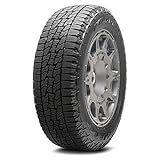
- Backed by a 65,000 mile limited manufacturer tread life warranty
- Designed for use on CUVs and smaller SUVs that drive on- and off-road
- 3D Canyon Sipe Technology and increased tread depth provide more winter traction than a traditional all-season tire
Quick picks
| Pick | Best for | Why consider it | Main caution |
|---|---|---|---|
| Michelin X-Ice Snow | Best overall balance | Dedicated studless winter design with strong snow-and-ice capability and reasonable suitability for normal highway driving | Exact size, load index, speed rating, and availability vary by Forester configuration |
| Bridgestone Blizzak WS90 | Snow and ice traction | A highly capable studless alternative with strong reported light-snow, deep-snow, and ice performance | May involve trade-offs in warm-weather handling or treadwear when used outside winter |
| Bridgestone Blizzak DM-V2 | SUV-oriented winter option | Designed for light trucks and SUVs and listed for some Forester configurations | Do not choose it merely because the Forester is an SUV; verify the exact fitment first |
1. Michelin X-Ice Snow: best overall starting point
The Michelin X-Ice Snow is the most balanced recommendation in this group for a Forester driver who wants a dedicated, non-studded winter tire. It is intended for ice and snow, carries the Three-Peak Mountain Snowflake (3PMSF) severe-snow symbol, and is designed around winter conditions rather than merely offering an all-season tread pattern with a winter-marketing label.
Tire Rack’s consumer-survey data describes the X-Ice Snow favorably overall and reports strong snow and ice results in a Forester-compatible size. That supports calling it the best overall starting point among the researched candidates, not the objectively best tire for every Forester, road, or climate.
Choose it if: you want balanced snow, ice, cold-dry, and ordinary highway performance without studs, and you drive often enough in winter conditions to justify a dedicated seasonal set.
Recommended Free Tools
Watch for: the X-Ice Snow name covers multiple sizes and specifications. Confirm the exact tire’s size, load index, speed rating, and fitment rather than ordering based only on the model name. If you are shopping online, confirm the Forester’s fitment before buying Michelin X-Ice Snow winter tires.
2. Bridgestone Blizzak WS90: best snow-and-ice alternative
The Bridgestone Blizzak WS90 is the direct alternative for owners who place especially high value on winter traction. Tire Rack’s Forester-compatible survey information reports excellent results, including strong ratings for light snow, deep snow, and ice.
That does not make the WS90 a universal winner over the X-Ice Snow. The better choice can change with the available size, the balance of city roads and highways, local temperatures, expected tread life, and how much warm-weather driving occurs before the seasonal changeover.
Choose it if: your winter driving frequently includes packed snow, icy intersections, or roads that are slow to clear, and you are willing to accept the normal compromises of a winter-focused tire when temperatures rise.
Watch for: verify that the specific WS90 size is approved for your Forester year and trim. A tire that fits one Forester configuration is not automatically correct for another.
3. Bridgestone Blizzak DM-V2: SUV-oriented alternative
The Blizzak DM-V2 is a studless ice-and-snow tire categorized for light trucks and SUVs. Tire Rack lists it for at least one 2025 Subaru Forester configuration, making it a legitimate option for some owners who prefer an SUV-oriented design.
Rank #2

- Backed by a 50,000 mile limited manufacturer tread life warranty
- Built with a solid center rib that enhances stability and helps to reduce braking distances
- Dense siping throughout the tread bites into the road to enhance traction and handling in dry, wet, and light winter weather conditions
- Engineered with a smart rubber compound that allows for solid performance year-round
- Stylized sidewall creates a sleek ride
It should not be selected simply because the Forester is marketed as an SUV. A passenger-car winter tire can be the better match for a particular Forester’s original equipment size, load requirement, speed rating, road use, and ride priorities. Compare the DM-V2 against the X-Ice Snow and WS90 only after the vehicle-specific fitment check confirms that it is approved.
Choose it if: your exact Forester configuration accepts the DM-V2 and you specifically prefer its SUV/light-truck category for your winter roads.
Watch for: check size, load index, speed rating, wheel clearance, price, and intended road use. “SUV tire” is not the same thing as “automatically better for an SUV.”
Why a dedicated winter tire matters on an AWD Forester
Subaru’s symmetrical all-wheel-drive system can help distribute available traction and can make it easier to accelerate or maintain motion on a slippery surface. It cannot create grip where the tires have insufficient traction. The same four contact patches still have to stop and steer the vehicle.
Dedicated winter tires use tread patterns and rubber compounds intended to remain more effective in cold conditions. Michelin describes winter compounds as staying flexible below approximately 45°F. Treat that as a practical rule of thumb, not a legal threshold: the useful changeover point depends on local temperatures, road conditions, and how consistently the vehicle is driven.
When traction is limited, controlled winter-tire testing shows a substantial advantage for dedicated winter tires over all-weather categories in winter and snow performance. That type of test supports the category-level recommendation; it should not be misread as a Subaru Forester-specific head-to-head test unless the test actually used a Forester.
PC Slower Than It Used to Be?
A free scan shows the junk files, broken settings and background clutter dragging Windows down - then fixes them in one click.Free scan · Windows 10 & 11Crashes, No Sound, or Screen Glitches?
Random freezes, missing sound and display glitches usually trace back to one bad driver. Find and replace yours safely.Free scan · under a minute3PMSF is the minimum shopping filter for severe-snow performance. The symbol shows that the tire passed a standardized snow-traction test. An M+S marking is based on manufacturer tread criteria and does not provide the same verified severe-snow performance claim. Even 3PMSF does not guarantee equal performance on every kind of ice, nor does it replace safe speed, adequate tread depth, correct inflation, or a properly maintained vehicle.
Fitment comes before the tire brand
Forester tire sizes vary by model year and trim. Subaru’s 2025 specifications include both 225/60 R17 and 225/55 R18 configurations. The 2026 trim comparison lists 225/55 R18 for relevant trims and shows other configuration differences. These examples demonstrate why “the best Forester winter tire” cannot safely be reduced to one universal size.
Use this order of authority:
- Read the tire placard attached to the driver’s door or door jamb.
- Check the owner’s manual for approved sizes, load requirements, speed ratings, and tire-replacement instructions.
- Enter the exact model year, trim, drivetrain, and tire size into a reputable vehicle-specific retailer fitment tool.
- Before checkout, compare the tire’s size, load index, and speed rating with the vehicle requirements.
- Confirm wheel clearance if buying a separate wheel or considering a smaller winter package.
Use the original manufacturer-approved size unless Subaru explicitly approves an alternative. Do not assume that moving from an 18-inch wheel to a 17-inch wheel is always a smart winter upgrade. A smaller wheel may work on one configuration but fail to clear the brakes or have the wrong width, offset, load capacity, or tire circumference on another.
Rank #3

- All-weather touring tire designed for crossovers and SUVs
- Dense network of sipes and snow enhancers for superior winter traction
- Snow plow features at the base of tread blocks to improve snow removal
- Three Peak Mountain Snowflake (3PMSF) rated for severe winter
- 70,000 mile limited warranty for extended tire life
On an all-wheel-drive vehicle, the four tires should have closely matched dimensions and wear. A mismatched rolling circumference can affect drivetrain behavior. For that reason, buy four matching winter tires—not two winter tires on one axle and different tires on the other, and not a mixture of different winter models unless the vehicle manufacturer and tire professionals specifically approve the arrangement.
Winter tire comparison by driving priority
| Driving priority | Best place to start | Reasoning |
|---|---|---|
| Mixed snow, ice, cold pavement, and highway driving | Michelin X-Ice Snow | Balanced dedicated-winter choice among the researched candidates |
| Frequent snow and icy roads | Bridgestone Blizzak WS90 | Strong reported snow-and-ice results and a direct alternative to the Michelin |
| Preference for an SUV/light-truck winter category | Bridgestone Blizzak DM-V2 | Consider only when the exact Forester fitment is confirmed |
| Mostly warm, wet, or dry roads with occasional light snow | Reconsider whether a dedicated set is necessary | Compare local conditions and legal requirements; do not buy a winter tire solely for an occasional forecasted snowfall |
Cold-dry and wet-road behavior, noise, ride, price, and treadwear can differ by tire size and by the condition of the tire. Avoid treating a general model reputation as a guarantee for every Forester-compatible specification. Winter tires also tend to wear faster and handle less like a warm-weather tire when used in heat, which is why they should be changed seasonally rather than left installed year-round.
Buy tires only, or a complete winter wheel package?
A tire-only purchase is appropriate if you already have suitable wheels and plan to have the tires mounted and balanced seasonally. A second mounted set can be more convenient: seasonal changeovers are simpler, and you avoid repeatedly mounting and unmounting the same tire carcasses.
A second set is not mandatory, and it is not permission to downsize without checking. The wheel must clear the brakes and meet the required diameter, width, offset, bolt pattern, hub fit, and load capacity. The tire must still meet Subaru’s size, load, speed, and circumference requirements. If the Forester uses a second wheel set, ask whether compatible TPMS sensors are needed and whether the vehicle will require a relearn or reset procedure.
For a four-tire purchase, a vehicle-fitment retailer can be more useful than a generic marketplace listing because shipping, balancing, installation, TPMS, and installer availability are part of the actual job. You can check Subaru Forester tire fitment and compare a complete winter tire package before choosing where to buy.
Do these 3 things before closing this tab:
1Repair Windows errors before they cause bigger problems2Scan for outdated or missing drivers - takes under a minute3Clear out junk files and repair common Windows errorsInstallation and ownership checklist
- Verify the vehicle: read the door placard and manual; record model year, trim, drivetrain, and original tire size.
- Buy four: select four matching 3PMSF winter tires from the same model and specification.
- Check ratings: match or exceed the required load index and use the manufacturer’s specified speed rating.
- Check wheels: confirm brake clearance and wheel specifications before using a separate or smaller winter wheel.
- Ask about TPMS: a second wheel set may need compatible sensors and a vehicle relearn procedure.
- Install professionally: have the set mounted, balanced, and inflated to Subaru’s specified cold pressures.
- Recheck pressure: cold-weather pressure changes as ambient temperature changes. Check it regularly rather than relying on appearance.
- Inspect during the season: look for uneven wear, sidewall damage, embedded objects, and insufficient tread.
- Store correctly: keep removed tires in a cool, dry place away from direct sunlight, heat, and chemicals. A professional seasonal storage service is reasonable if home storage is unsuitable.
- Change them back: remove winter tires when sustained warm conditions arrive to reduce unnecessary wear and warm-weather handling compromises.
Common mistakes to avoid
Relying on AWD alone
AWD helps the Forester put power down, but it does not shorten every stop or provide cornering grip on ice. Tires remain the primary connection to the road.
Buying two winter tires
Do not install winter tires only on the drive axle. That creates an inconsistent traction balance and is especially inappropriate for an AWD vehicle. Use four matching tires.
Assuming M+S means severe-snow rated
Look for the 3PMSF symbol when dedicated severe-snow performance is the requirement. M+S alone is not an equivalent certification.
Ordering by tire name alone
“X-Ice Snow,” “WS90,” or “DM-V2” does not identify the correct tire for your particular Forester. Size and service specifications are part of the product.
Quick wins for a faster PC:
Repair Windows errors before they cause bigger problemsFix Now →Fix the driver behind crashes, sound loss and screen glitchesFind Drivers →Clear out junk files and repair common Windows errorsFree Scan →Rank #4
- Backed by a 65,000 mile limited manufacturer tread life warranty
- Designed for use on CUVs and smaller SUVs that drive on- and off-road
- 3D Canyon Sipe Technology and increased tread depth provide more winter traction than a traditional all-season tire
Leaving winter tires on through summer
Winter compounds and tread designs are intended for cold conditions. Heat can accelerate wear and increase handling compromises.
Final recommendation
Start with the Michelin X-Ice Snow if you want the most balanced dedicated winter option for a properly matched Subaru Forester set. Choose the Bridgestone Blizzak WS90 if snow-and-ice traction is your overriding priority. Consider the Blizzak DM-V2 only when your exact Forester configuration is confirmed compatible and its SUV-oriented design suits your use.
The fitment check is more important than the ranking. Select the correct size and service ratings, buy four matching 3PMSF tires, and maintain them properly; that is what turns a good model choice into a safe winter setup.
Frequently Asked Questions
What is the best overall winter tire for a Subaru Forester?
The Michelin X-Ice Snow is the best overall starting point among these researched options because it balances snow, ice, cold pavement, and normal highway use. It is not automatically best for every Forester or climate, so confirm the exact size, load index, and speed rating first.
Free tools Windows power users keep installed
One-click scans. No signup required.
Does a Subaru Forester need winter tires if it has AWD?
Yes. AWD can help the Forester accelerate and maintain motion, but it cannot create grip for braking and cornering. Dedicated 3PMSF winter tires remain valuable when roads are regularly snowy, icy, slushy, or below freezing.
Should I install winter tires on all four Forester wheels?
Use four matching winter tires. Mixing two winter tires with different tires can create inconsistent handling and rolling dimensions; matched tires are particularly important for an AWD vehicle.
Can I use 17-inch winter wheels on any Subaru Forester?
No. Forester sizes vary by model year and trim. Read the driver’s-door tire placard and owner’s manual, then use a vehicle-specific fitment tool to confirm size, load index, speed rating, wheel clearance, and circumference.
What is the difference between 3PMSF and M+S?
The 3PMSF symbol indicates that the tire passed a standardized severe-snow traction test. M+S is based on manufacturer tread criteria and does not provide the same verified severe-snow performance claim.
What’s actually slowing this PC down?
Pick the symptom - the matching free tool is one click away.
The Bottom Line
Best overall starting point: Michelin X-Ice Snow. Best snow-and-ice alternative: Bridgestone Blizzak WS90. SUV-oriented option: Bridgestone Blizzak DM-V2, but only with confirmed fitment. For every Forester, the door-placard size, load index, speed rating, and four-tire matched installation come first.
Quick Recap
Product prices and availability are accurate as of the date/time indicated and are subject to change. Any price and availability information displayed on Amazon at the time of purchase will apply.




