What’s actually slowing this PC down?
Pick the symptom - the matching free tool is one click away.
Automotive cybersecurity matters because modern vehicles rely on software, electronics and communication networks—including systems that support driving functions. A security weakness can therefore become a safety concern, but that does not mean every connected car can be remotely controlled or is vulnerable in the same way.
What automotive cybersecurity protects
NHTSA defines vehicle cybersecurity as protecting automotive electronic systems, communication networks, control algorithms, software, users and underlying data from malicious attacks, damage, unauthorized access or manipulation. That scope reaches beyond privacy and financial information: some electronic systems are involved in vehicle operation. NHTSA’s overview of automotive cybersecurity explains why protection is relevant to both security and safety.
As an Amazon Associate I earn from qualifying purchases.
Vehicles bring together electronic control systems, sensors, driver-assistance technologies, software, connected services and communications. A weakness in one component does not automatically mean an attacker can affect every other component; the potential consequences depend on what the component connects to and how the vehicle is designed.
How a vulnerability could reach a vehicle system
Connectivity creates possible entry points, not proof that an attack has occurred. NHTSA’s vehicle cybersecurity guidance describes both wired and wireless entry points and says protections should prioritize safety-critical control systems. The agency summarizes its approach this way: “NHTSA promotes a multi-layered approach to cybersecurity by focusing on a vehicle’s entry points, both wireless and wired, which could be potentially vulnerable to a cyberattack.”
#1 Best Overall

- 2 Stage Shock Sensor
- Door, Bonnet & Boot Protection
- Engine Immobilization
- Parking Light Flash (Arm, Disarm & Trigger)
- Keyless Entry
Examples in NHTSA’s research areas include firmware updates delivered physically or over the air, vehicle-to-vehicle communication interfaces, anomaly-based intrusion detection and heavy-vehicle cybersecurity. Advanced driver-assistance technology also depends on electronics, sensors and computer systems. These are areas to secure and assess—not a checklist of paths known to be exploitable in every vehicle.
Connected equipment can matter if it interfaces with the vehicle network
A cybersecurity concern is not limited to equipment installed as part of a vehicle’s primary safety systems. In a September 23, 2025 keynote, NHTSA Chief Counsel Peter Simshauser described a recall involving an aftermarket telematics device connected to a heavy vehicle’s databus. NHTSA laboratory testing verified research reports about the possibility of reprogramming units and spoofing databus packets. That case shows why a network connection deserves security scrutiny; it does not establish that all telematics devices can affect vehicle behavior. NHTSA’s Auto-ISAC Cybersecurity Summit keynote is marked “as prepared for delivery.”
Rank #2

- -Way Security + Remote Start System with 5-Button LCD Transmitter
- 5-button sidekick remote control transmitter
- 1 mile range
- 4-Channel vehicle security system
- Door and trunk triggers
What the documented cases and numbers show
NHTSA’s September 2025 keynote gives examples of cybersecurity-related safety work. Their figures describe specific recalls and agency case assessments; they are not a measure of how often successful attacks happen.
Do these 3 things before closing this tab:
1Repair Windows errors before they cause bigger problems2Scan for outdated or missing drivers - takes under a minute3Clear out junk files and repair common Windows errors| Case or figure | What NHTSA reported | What the figure does—and does not—mean |
|---|---|---|
| 2015 Jeep recall | Simshauser said the “Jeep Hack” led to a recall involving 1.4 million vehicles, following a vulnerability identified by ethical researchers. | A case-specific recall figure, not a count of vehicles successfully attacked. |
| Agency assessments | Simshauser said NHTSA had closely assessed more than 75 vehicle cybersecurity cases over roughly the preceding ten years. | An agency case-assessment count, not a count of successful attacks. |
| Aftermarket telematics recall | Simshauser said a later cybersecurity safety recall concerned 140,000 aftermarket telematics units associated with heavy vehicles. | A unit count for that recall, not a rate of compromise across telematics products or vehicles. |
All three figures are from Simshauser’s September 23, 2025 keynote. The cited sources do not establish a comprehensive, comparable rate of successful automotive cyberattacks or a model-by-model risk ranking. Recalls and agency assessments show that vulnerabilities can warrant safety action; they cannot, on their own, tell an owner the probability that a particular vehicle will be attacked.
Rank #3
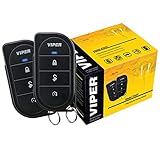
- 3-Channel 1-way Security System with Keyless Entry 4-Button remotes. Additional options include remote starter & GPS Tracking.
- FailSafe starter kill.
- Anti-carjacking & Panic Alarm Feature
- Revenger six-tone soft-chirp siren and parking light alarm response.
- Bright blue status LED warns thieves and gives you info about the system
How vehicle cybersecurity is managed across a lifecycle
NHTSA describes cybersecurity as an ongoing engineering and response responsibility, not a one-time feature or a consumer add-on. Its 2022 best-practices document and current vehicle cybersecurity guidance support a risk-based approach that includes:
- Identify and protect: Understand connected entry points and prioritize safeguards for safety-critical systems.
- Detect and respond: Build the ability to identify incidents promptly and remediate vulnerabilities in time to mitigate safety risks.
- Recover: Design resilient systems and recovery processes. When appropriate to the risk, NHTSA’s 2022 guidance calls for capabilities to move a vehicle to a minimal-risk condition.
- Share lessons: Exchange relevant incident information across the industry so that emerging weaknesses can inform security work beyond a single vehicle or organization.
These practices are guidance for manufacturers and suppliers, not a universal product or procedure that an owner can apply to a vehicle.
Rank #4

- 【2-Pack Double Protection】: Each set includes 2 car alarm units + 1 wireless remote, so you can secure two vehicles at once, or place one on the front and one on the rear of a single car. The remote can pair with multiple hosts - great for couples, families, or a car + motorcycle combo
- 【Smart 3D Motion Sensor, Fewer False Alarms】: Built-in 3D acceleration sensor with AI algorithm detects vibration, prying and forced entry, while intelligently filtering out noise from passing cars, rain or thunder - high sensitivity without the constant false alarms that cheap alarms cause
- 【108dB Siren + Red Warning Light】: First vibration triggers a short beep with red flashing as a warning; a second sets off a 30-second loud 108dB siren with strobe-like flashing that scares off thieves. 3 volume levels (108/102/96dB) suit neighborhoods, lots or busy streets
- 【Magnetic Mount, No Drilling】: A strong magnet holds the alarm in place - no tools, no wiring, no sticky residue, and you can move it between cars anytime. The anti-UV PC housing resists high heat and cold, so it stays stable even in a car parked under the summer sun
- 【66ft Wireless Remote & Long Battery】: Arm, disarm or locate your vehicle from up to 66ft (20m) away. Powered by 2 AAA batteries, the unit runs 6+ months and the remote lasts up to 2 years. Also works for home doors, bikes, ebikes, luggage - multi-scene security
What the regulatory dates mean
In a 2020 announcement, the United Nations Economic Commission for Europe said its regulations on cybersecurity and software updates would apply to new vehicle types in the EU from July 2022 and to all new vehicles produced there from July 2024. Those dates describe the EU context in that announcement; they are not a single worldwide compliance schedule or a complete account of current law. Read UNECE’s 2020 announcement on the regulations.
What owners can do: check for open recalls
A recall lookup is a concrete safety step, though it is not a complete cybersecurity assessment of a vehicle. In its October 30, 2025 consumer alert, NHTSA said consumers can search for open recalls using a vehicle identification number (VIN), license plate number or vehicle equipment. Use NHTSA’s official recall lookup options.
Best Value

- Real-time alerts — Receive notifications for impacts, door openings, and other disturbance alerts so you can act fast.
- Track your vehicle’s location — Use the Ring app to view your vehicle on a map with period updates.
- No ongoing fees — Track and protect your car with no monthly subscription or hidden fees.
- Easy car installation — Start tracking your car right away with no tools, wiring, or complicated setup. Compatible with most vehicles.
- Connects to your OBD-II Port — Powered by your car while driving, with a built-in backup battery that lasts up to 7 days when parked.
- Search NHTSA’s recall information using the vehicle’s VIN, license plate number or vehicle equipment.
- If the vehicle has an open recall, contact the manufacturer’s local dealership to schedule the repair.
- Follow the manufacturer’s instructions for the affected vehicle. NHTSA says recall repairs are free.
An open-recall search answers whether the lookup identifies a recall for the vehicle; it does not measure every cybersecurity risk. For owners, the supported next step is to act on any recall notice and follow the manufacturer’s instructions.
Quick Recap
Product prices and availability are accurate as of the date/time indicated and are subject to change. Any price and availability information displayed on Amazon at the time of purchase will apply.




