An “extended car warranty” is usually an optional vehicle service contract: a separately purchased agreement that pays for or provides only the repairs or services specified in its terms. It is different from a manufacturer’s warranty, which generally comes with a new car and covers specified defects or failures for a set time or mileage. A service contract may be worth considering if its coverage fits your ownership plans and the written terms compare favorably with paying for repairs yourself—but it does not guarantee savings or cover every repair.
The Consumer Financial Protection Bureau recommends weighing the cost, covered and excluded repairs, how long you plan to own the car, and how you will use it. CFPB guidance and the Federal Trade Commission’s overview are useful starting points; the contract itself determines what applies to your car.



What an extended car warranty actually covers
Federal consumer guidance distinguishes a manufacturer’s warranty from an optional vehicle service contract. In everyday sales language, the latter is often called an “extended warranty,” but the FTC says a separately purchased auto service contract is not a warranty as defined by federal law. The seller or provider agrees to perform or pay for the repairs or services named in the agreement.
Coverage varies by contract. Some agreements name covered components or repairs; others use broader descriptions subject to exclusions, limits, and claim conditions. Routine maintenance, wear, accident damage, and particular repairs may be excluded. Do not rely on phrases such as “bumper to bumper” without checking the written coverage and exclusions. The CFPB explains the distinction between a manufacturer’s warranty and a service contract in its manufacturer-warranty comparison.
Seven reasons to consider a service contract
1. You want specified repair coverage after factory coverage ends
A service contract may extend the length or scope of certain protections beyond a manufacturer’s warranty. Check when the contract starts: its term may overlap with coverage you already have. Confirm the named systems, covered repairs, and exclusions rather than assuming that “extended” means all repairs are covered.
2. You expect to keep the car during the contract term
A contract has practical value only while you own and use the vehicle during its covered period. Compare the contract’s start date and duration with your likely ownership plans. If you might sell the car, ask whether the agreement transfers to a new owner and whether a transfer fee or other conditions apply.
3. The covered systems match the repairs you are concerned about
Not every contract covers the same parts or failures. Read the covered-component list, exclusions, per-repair or total payment limits, and the definition of a covered breakdown. In particular, check whether wear-and-tear claims are excluded even when a contract refers to mechanical breakdowns. A contract is relevant only if the risks it covers are ones you want to address.
4. You want to consider more predictable costs for some repairs
A contract may pay for some covered repairs, but you remain responsible for its price, any deductible, and costs excluded or above its limits. Whether that trade-off makes sense depends on the actual terms and your finances. The CFPB cautions that an agreement may not be worth the added cost; no service contract guarantees that you will spend less overall.
The Tool Desk
Outbyte Driver Updater FREEScan for outdated or missing drivers - takes under a minuteDriver Scan →Outbyte PC Repair FREEClear out junk files and repair common Windows errorsFree Scan →5. The claims process fits how and where you use the car
Confirm whether repairs need pre-approval, which facilities you may use, and whether the provider pays the repair shop directly or reimburses you. Check any rules about moving the car, using an independent mechanic, towing, rental cars, labor rates, and payment limits. Restrictions can make nominal coverage less useful if the approved process does not suit your circumstances.
6. You can meet maintenance and recordkeeping requirements
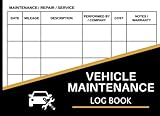
Some contracts require maintenance in line with the vehicle maker’s recommendations, and service records may matter when a claim is reviewed. Keep receipts and records of dates and mileage. A maintenance logbook can help organize them, but it is optional and does not guarantee that a claim will be paid.
Rank #4

- Made in USA - Proudly produced in Ohio by a Veteran-owned business
- This book will help you remember your last oil change /last service appointment. You can easily track all services, mileage and maintenance for multiple automobiles - great for business or personal use.
- The yearly expense summary is a very important part of this book. The yearly summary page is a perfect tool for your tax prep and your budget. After every month you should log your total business miles and personal miles in the “Annual Mileage Summary” page.
- This book comes in two convenient sizes, 8.5” x 11” - perfect to fit into any binder or clipboard that you may use for business and 5” x 7” which is the perfect size to fit into your glove compartment!
- Our unique cover is a semi-rigid transparent cover that leads to a sturdy book that resists stains and wrinkles. Reorder SKU: LOG-100-57CW-PP(Auto-Maintenance)
7. The written offer compares well with paying for repairs yourself
Compare the full contract cost and deductible with the protections you already have and the alternative of setting money aside for repairs. Include fees, coverage limits, exclusions, and claim conditions in the comparison. Negotiate the quoted price if possible, and do not pay for overlapping coverage without a clear reason.
How to compare service-contract offers
Use the written agreement—not a sales summary or verbal assurance—to compare offers. The FTC says prices can range from several hundred to several thousand dollars and notes that a deductible may apply. That broad range is not a typical price or evidence that a contract will be worthwhile; your vehicle, quote, term, deductible, exclusions, and limits determine the comparison.
Best Value
| Compare | What to verify |
|---|---|
| Total price and deductible | Contract price, fees, whether the deductible applies per visit or repair, and any other out-of-pocket costs. |
| Term and start date | When coverage begins, how long it lasts, and whether it overlaps with the manufacturer’s warranty. |
| Coverage and limits | Named systems and repairs, exclusions, per-repair limits, and any aggregate payment cap. |
| Responsible companies | The provider or obligor legally responsible for covered claims, the administrator handling them, and any backup insurer identified in the contract. |
| Repairs and claims | Pre-approval rules, eligible repair facilities, direct payment or reimbursement, claim deadlines, labor limits, and payment procedures. |
| Additional benefits | Whether towing or rental costs are covered, and their limits and conditions. |
| Your responsibilities | Required maintenance, records to keep, and any conditions that could affect a claim. |
| Cancellation and transfer | How to cancel, what refund terms apply, whether a transfer is allowed, and whether fees or conditions apply. Rules vary by contract and jurisdiction. |
Compare each offer with your existing manufacturer coverage and with self-funding repairs. The FTC’s service-contract guidance discusses that alternative, while the CFPB advises consumers to consider whether the added cost is justified by the coverage.
Independent reader supportYour contribution helps us test, update, and keep practical guides available for everyone.Check the provider and watch for pressure tactics
The company responsible for paying covered claims matters as much as the coverage description. The FTC puts it plainly: “The value of an auto service contract is only as good as the company that’s responsible for coverage.” Identify the obligor and administrator, verify the company, and get the full written agreement before paying.
Unsolicited calls, texts, or mail warning that a vehicle warranty is about to expire may be sales pitches that imply a connection to the carmaker or dealer. The FTC advises consumers to be cautious about such claims. Do not provide financial information or a down payment under pressure before you have reviewed the contract and confirmed who is selling it and who is responsible for coverage. See the FTC’s guidance on service-contract offers and scams.
Rules and cancellation terms depend on where you live
Provider arrangements and consumer protections are not identical nationwide. California, for example, distinguishes service contracts with a service-contract-provider obligor, dealer-obligor contracts, and mechanical breakdown insurance. Its Department of Insurance advises consumers to identify the obligor and check licensing where applicable. The state’s guide also describes cancellation and refund terms, including conditions for full refunds within a specified window and partial refunds afterward. Those details are California-specific; check your own agreement and applicable state rules rather than assuming the same terms apply everywhere. California Department of Insurance guide.
Crashes, No Sound, or Screen Glitches?
Random freezes, missing sound and display glitches usually trace back to one bad driver. Find and replace yours safely.Free scan · under a minuteWindows Errors? Fix Them Before They Spread
Repair common Windows errors and clear accumulated junk for a smoother, more stable PC - no reinstall needed.Free scan · no reinstallShould you buy an extended warranty for your car?
Consider a service contract when its written coverage addresses repairs you care about, the term aligns with how long you expect to own the car, and the provider and claims process are acceptable. Then compare the price, deductible, exclusions, limits, and existing warranty coverage with setting aside money for repairs. If the agreement’s value depends on assumptions the seller cannot put in writing, or it duplicates coverage you already have, the offer may not justify its cost.
Quick Recap
Product prices and availability are accurate as of the date/time indicated and are subject to change. Any price and availability information displayed on Amazon at the time of purchase will apply.




