The most reliable way to keep rodents out of a parked car is not a single smell or gadget. Make the parking area less attractive, disturb and inspect the vehicle regularly, block access where it is safe to do so, control rodents along their travel routes, and clean any contamination correctly. An unused engine compartment can provide warmth, shelter, and quiet, so prevention works best as an integrated plan rather than a one-product fix.
These steps apply to mice, rats, and similar rodents that nest under the hood, in air boxes, behind trim, or inside the passenger compartment.
Why rodents enter car engine compartments
A parked vehicle can offer exactly what rodents seek: protection from weather and predators, nesting material, and a quiet place that is rarely disturbed. The surrounding parking area matters just as much as the vehicle. Food, water, dense vegetation, trash, and sheltered edges can support a rodent population that eventually finds the car.
The goal is therefore to remove the conditions that support rodents, make the vehicle harder to access, and respond quickly to evidence of activity. No cover, tape, trap, scent, or ultrasonic device can guarantee that a vehicle is rodent-proof.
#1 Best Overall

- 【Safe Energy And Environmentally Friendly Silent Rodent Repeller】Engineered for dependable performance, the ultrasonic mouse repellent incorporates power-on self-check diagnostics and automatic operational pauses during vehicle movement via its vibration sensor. This ultrasonic repeller emits 18-36kHz waves which are safe and harmless to humans and pets, and will not disturb sleep even at night.
- 【High-Temperature Material Safety Protection】The rodent repellent for car engines is made of high-temperature resistant materials and is not easily flammable. It can operate safely up to 230 degrees Celsius, ensuring long-lasting operation. It effectively repels mice, squirrels, and other rodents, preventing them from invading and damaging your car.
- 【Multiple Power Supply Methods】Mouse blocker for cars enjoy maximum installation flexibility with three distinct power methods. Connect directly to your vehicle's 12V battery using the included DC cable, utilize a standard USB power source, or power it independently with 4 AA batteries. This versatility allows placement virtually anywhere – under the hood, inside cabins, or within garages, warehouses, barns, sheds, and other structures requiring rodent deterrence.
- 【Intelligent Power Management】 Featuring a built-in vibration sensor, the rodent deterrent for car engines automatically pauses its repellent functions when your vehicle engine is running, conserving significant power. Electronic rodent repellent devices smartly resumes operation after 5 minutes of inactivity. Additionally, reverse connection protection circuitry safeguards the unit against potential damage caused durability and preventing operational issues.
- 【Intelligent Vibration Sensor】When engine vibration is detected, the squirrel repellent for car engines will automatically pause operation, and a red indicator light will illuminate. If no vibration is detected within 90 seconds, the car rodent repellent under hood will automatically resume operation without manual intervention.
1. Remove food, water, and shelter around the parking spot
Start with the area where the car is parked. Rodents are more likely to remain nearby when food, water, and protected nesting locations are readily available.
- Keep garbage and recycling containers away from the vehicle when possible, and keep their lids closed.
- Store pet food, bird seed, livestock feed, and other grain products in sealed, rodent-resistant containers.
- Remove fallen fruit, food scraps, compost, and standing water near the parking area.
- Clear brush, dense ground cover, piles of leaves, discarded materials, and deep mulch from around the garage or parking space.
- Clean grease, spilled food, and debris from the garage floor and the area beneath or beside the vehicle.
- When practical, avoid parking beside trash bins, dense vegetation, wood piles, or known food sources.
This step is more important than simply spraying an odor under the hood. Sanitation, habitat reduction, and exclusion address why rodents are staying near the car; a scent-based product generally does not.
If the vehicle is kept in a garage, seal gaps around doors, walls, pipes, and utility penetrations where rodents can enter. A garage that excludes rodents reduces the pressure on every vehicle stored inside it.
2. Drive an infrequently used car and inspect it regularly
A car that sits untouched for weeks is easier for rodents to colonize than one that is regularly opened, moved, and checked. For a seldom-used vehicle, drive it at least weekly or every week or two, when practical, and make inspection part of storage maintenance. Driving is a disturbance and monitoring measure—not a substitute for removing attractants, trapping active rodents, or repairing damage.
Free tools Windows power users keep installed
One-click scans. No signup required.
Before starting a vehicle that has been idle, look for:
- Droppings, urine staining, or a strong unfamiliar odor
- Shredded paper, insulation, leaves, fabric, or other nesting material
- Acorns, seeds, pet food, or other stored food
- Chewed wiring, hoses, belts, or insulation
- A blocked air filter, air box, cowl, or ventilation opening
- Warning lights, poor running, starting trouble, or unusual electrical behavior
Inspect under the hood and around the battery, frame, cowl, and windshield-wiper motor area. Also check the engine air intake and filter, passenger-compartment vents, glove box, trunk, and any accessible storage areas. Rodents can cause starting problems, poor engine operation, blocked ducts, electrical faults, and mechanical damage.
If you see exposed or chewed wiring, a blocked intake, a burning smell, warning lights, or extensive nesting, do not assume the vehicle is safe to drive. Arrange an inspection by a qualified technician before using it.
Rank #2
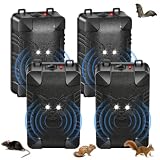
- Advanced Ultrasonic Rodent Defense for Vehicles:Safeguard your vehicle against expensive rodent damage in advance. This under-hood ultrasonic repeller releases variable ultrasonic waves that effectively deter mice, rats, squirrels and other small pests. It reliably keeps rodents away from your car’s engine compartment, wiring harnesses, rubber hoses and all key vehicle components during parking.
- Intelligent Vibration Automatic Start-Stop Protection:Equipped with a high-sensitivity vibration sensing system, the device automatically activates the anti-rodent protection mode 5 minutes after the vehicle stops running. It remains silent and standby during driving, achieving fully hands-free intelligent pest control. It is widely applicable to cars, trucks, SUVs, RVs and long-term parked vehicles, as well as indoor garage environments.
- Three Flexible & Practical Power Supply Modes:The repeller supports three diverse power supply methods to meet different usage scenarios: direct connection to vehicle DC 5–12V power supply, power via DC 5–12V USB adapter, or cordless operation with 4 AA batteries. Note: AA batteries are not included, and the device is only compatible with 5–12V vehicles, not suitable for 24V and above vehicles.
- Flame-Retardant ABS Durable Housing:Crafted with premium flame-retardant ABS material, the sturdy housing is heat-resistant and wear-resistant, perfectly adapting to the high-temperature and complex working environment inside the engine compartment. Featuring a durable and trapless design, it delivers long-term stable protection for vehicles, garages, attics and basements without manual cleaning or complicated daily maintenance.
- Safe & Easy Installation with Wide Coverage:Designed for effortless under-hood installation, the device is built with multiple safety protections including power-on self-test and reverse connection prevention for safe and reliable use. With a wide effective coverage of up to 430 square feet, it can effectively repel hidden rodents in engine bays, garages, basements, attics, barns and various enclosed storage spaces.
3. Use physical barriers—but install them without creating a vehicle hazard
A physical barrier is usually more dependable than an odor alone, but it must be fitted correctly. For a vehicle stored outdoors or for long periods, consider a weighted car cover that reaches the ground. UC Integrated Pest Management guidance describes a cover that reaches the ground and forms a seal around the vehicle as a way to discourage rodents from accessing the engine compartment.
The cover must actually contact the ground around the vehicle. A loose cover with gaps may provide little protection and can itself become a sheltered nesting space. Choose a cover designed for the vehicle, secure it as directed, and inspect beneath it regularly. Do not use a cover that traps moisture against the car or interferes with ventilation or exhaust cooling.
For vulnerable wiring or hoses, rodent-deterrent tape for car wires treated with capsaicin is another possible accessory category. Purpose-made automotive tape can protect selected sections, but it is not a complete infestation solution. It does not remove rodents from the area, protect every component, or replace inspection and repairs. Confirm that the product is intended for automotive use and follow its instructions.
Be cautious with any mesh, shield, or homemade barrier. Never restrict an air intake, ventilation opening, drain, belt, fan, hot exhaust component, or moving part. An incorrectly placed barrier can cause overheating, poor engine operation, water accumulation, or a serious mechanical hazard. If you are considering blocking an opening, check the vehicle manufacturer’s guidance or ask a qualified technician.
4. Trap rodents along their travel routes
If you see droppings, hear activity, or find nesting material, assume that rodents are active around the parking area until monitoring shows otherwise. Snap traps can be effective when placed along rodent travel routes near the garage or parking space. Position them beside walls or other edges where rodents commonly move, rather than randomly in the middle of an open area.
Do these 3 things before closing this tab:
1Scan for outdated or missing drivers - takes under a minute2Clear out junk files and repair common Windows errors3Fix the driver behind crashes, sound loss and screen glitchesFor an appropriate setup, consider mouse snap traps for garage use or, where poison is legally permitted and appropriate, a tamper-resistant rodent bait station. Keep either option inaccessible to children, pets, and non-target wildlife. Check traps frequently and dispose of carcasses while wearing disposable gloves.
Poison requires additional caution:
- Use only a consumer rodenticide whose label permits the intended pest, location, and application.
- Keep bait secured in the supplied, tamper-resistant station.
- Follow all label directions and local requirements.
- Never place loose poison inside the engine compartment.
Loose bait in an engine bay can expose pets or wildlife and may cause a rodent to die in an inaccessible location, producing odor and contamination. Rodenticides can harm people, pets, and wildlife when misused. If you cannot place or monitor control products safely, contact a licensed pest-control or wildlife-control professional familiar with local rules.
5. Treat scents, ultrasonic devices, and folk remedies as secondary at best
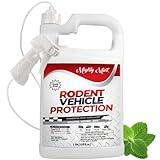
Peppermint oil, cayenne, dryer sheets, mothballs, and ultrasonic devices are frequently recommended for vehicle rodent prevention. Their results are inconsistent, temporary, or inadequately established for universal protection inside engine compartments. Sprays may require repeated application, and ultrasonic devices should not be treated as proven exclusion systems.
Do not use mothballs as a casual under-hood repellent. Pesticide products must be used according to their labels, and mothball labels generally specify enclosed locations such as airtight containers or storage closets. Using them outdoors or as a general animal repellent may be unlawful and can expose people, pets, and wildlife to toxic vapors.
If you choose a commercial repellent, read the entire label before applying it. Confirm that it is registered for the target pest and intended location, keep it away from hot or moving engine components, and do not assume that a marketing claim means guaranteed protection. Never spray an unapproved chemical on wiring, belts, filters, electrical connectors, or other engine components.
Rank #3

- Effective protection for cars: The BORHOOD rodent repellent for car engines uses a combination of 18-36kHz ultrasonic waves and LED strobe lights to effectively high frequency repel mice, rat, squirrels and other animals, keep rodents out of pickup truck
- Three power supply modes: Three charging modes are provided for easy use BORHOOD. 1: Use 4 AA batteries, 2: Use a USB cable to connect to a 5-12V adapter for charging, 3: Use a DC cable to connect to the power supply under the hood of the car. An unusual noise may indicate low battery; charge or replace the battery promptly
- Intelligent vibration sensing: When a vibration signal triggers the circuit (the car starts), the BORHOOD mouse repellent stops working and the red indicator light is always on. The machine resumes working after 90 seconds when the working environment is stable (no more vibration)
- Safety and energy saving: The sound emitted by the rat repellent is between 18,000 - 36,000 Hz, which will not affect humans and pets. When the car is driving, the BORHOOD mouse repellent is on standby and the battery can be used continuously for at least three months
- Multi-scenario use: Our electronic BORHOOD rodent repellent devices is compact and can be easily installed on various models of cars using the included cable ties. It can also be placed indoors, outdoors, in garages, attics, basements, storage rooms, barns, kitchens, etc
The same caution applies to common claims about vehicle wiring. Do not assume that a particular wiring material is the established reason rodents are chewing your car; the cause can vary by vehicle, location, available nesting material, and rodent behavior.
Independent reader supportYour contribution helps us test, update, and keep practical guides available for everyone.6. Clean suspected nesting and contamination safely
Finding droppings or a nest changes the task from prevention to cleanup. Rodent urine, feces, saliva, and nesting material can carry infectious organisms, and dry sweeping or vacuuming can put contaminated particles into the air.
Before you inspect
- Move the vehicle outdoors or to a well-ventilated location if possible.
- Open the hood, doors, and trunk.
- Allow the vehicle to air out for 20 minutes before inspecting it.
- Put on disposable gloves. Use additional protective equipment if recommended by local public-health guidance or the product label.
Inspect the engine compartment, air-intake system, filters, passenger compartment, and trunk. If nesting material is inside an air box or filter housing, avoid starting the engine until it has been removed and the affected filter has been assessed.
The Tool Desk
Outbyte Driver Updater FREEScan for outdated or missing drivers - takes under a minuteDriver Scan →Outbyte PC Repair FREERepair Windows errors before they cause bigger problemsFix Now →Wet-disinfect before removing material
Do not sweep, vacuum, use compressed air, or power-wash dry droppings, urine, or nests. Those actions can aerosolize contaminated particles. Instead:
- Thoroughly wet the contaminated material with an EPA-registered disinfectant suitable for the surface, following the product label; or use a fresh bleach solution made with 1.5 cups of household bleach per gallon of water.
- Let the material soak for five minutes, or for the contact time specified on the disinfectant label.
- Use paper towels to pick up the wet material.
- Seal the waste in a bag before placing it in the appropriate trash.
- Disinfect the surrounding surface and wash or dispose of gloves as directed.
Never mix bleach with other cleaners. Keep disinfectants away from children and pets, and use them only on surfaces compatible with the product. For cleanup supplies, an EPA-registered disinfectant for rodent cleanup and disposable nitrile gloves can support the wet-disinfection process, but supplies do not replace the required ventilation and handling precautions.
Repair before driving
Replace an air filter contaminated by nesting material. Have chewed wiring, hoses, belts, ducts, and safety-critical components inspected by a qualified technician. A nest hidden near a hot component can create a fire risk, while damaged wiring can cause starting problems, warning lights, short circuits, or loss of vehicle functions.
Heavily infested vehicles, contamination in difficult-to-reach areas, or significant personal exposure concerns justify professional cleaning and local public-health advice. Persistent rodent activity around the property may also require a licensed pest-control or wildlife-control service.
A practical prevention plan for a parked car
Today
- Remove food, seed, trash, brush, and nesting material from the parking area.
- Check under the hood, around the cowl, inside the air box, and in the trunk and cabin.
- If there are signs of contamination, air out the vehicle and clean it using wet disinfection—not a vacuum.
Each week or two
- Drive or otherwise check the vehicle when practical.
- Look for fresh droppings, new nesting material, odors, and chewed components.
- Check traps and bait stations if they are being used.
For long-term storage
- Store food and waste securely and reduce vegetation around the parking spot.
- Use a properly fitted, weighted cover that reaches the ground if appropriate for the storage conditions.
- Consider vehicle-safe deterrent tape on vulnerable wiring only when the product and installation are appropriate.
- Arrange periodic inspections rather than relying on the cover or a repellent alone.
Frequently Asked Questions
Does driving my car keep mice out of the engine?
Regular driving can disturb rodents and helps you notice damage sooner, but it does not remove an infestation. Combine it with sanitation, inspection, physical exclusion, and trapping when rodents are active.
Do dryer sheets or peppermint oil repel rodents from cars?
They may be suggested as temporary deterrents, but reliable, universal protection for engine compartments has not been established. They should not replace removing food and shelter, checking the vehicle, and controlling rodents around the parking area.
Can I put mothballs under my car’s hood?
No. Mothball pesticide labels generally specify enclosed uses, and using them outdoors or as a general animal repellent may be unlawful and unsafe. Use products only for labeled pests, locations, and applications.
Windows Errors? Fix Them Before They Spread
Repair common Windows errors and clear accumulated junk for a smoother, more stable PC - no reinstall needed.Free scan · no reinstallOutdated Drivers Are Slowing You Down
One free scan finds every outdated or missing driver and matches the right update for your exact hardware.Free scan · exact hardware matchShould I put rat poison in the engine compartment?
No. Never place loose rodenticide in the engine bay. If poison is used, it must be a labeled product secured in the supplied tamper-resistant bait station and placed where children, pets, and wildlife cannot reach it.
How should I clean mouse droppings from my car?
Ventilate the vehicle for 20 minutes, wear disposable gloves, wet the droppings and nesting material with an appropriate disinfectant or fresh bleach solution, allow the required contact time, and then remove it with paper towels. Do not dry sweep, vacuum, use compressed air, or power-wash contaminated material first.
The Bottom Line
Keeping rodents out of a car is a property-and-vehicle management problem, not a search for a magic smell. Remove food and shelter, inspect an idle vehicle regularly, use correctly fitted physical barriers, trap rodents safely around the parking area, and clean contamination with wet disinfection. If wires, hoses, filters, intakes, or safety-critical components are damaged, have the vehicle inspected before driving.
Quick Recap
Product prices and availability are accurate as of the date/time indicated and are subject to change. Any price and availability information displayed on Amazon at the time of purchase will apply.
What’s actually slowing this PC down?
Pick the symptom - the matching free tool is one click away.