Recommended Free Tools
There is no single Japanese motorcycle that is best for both comfort and performance: the right balance depends on how much you ride highways, whether you carry a passenger or luggage, and how the seat, reach, weight, and wind protection fit you. These six models span road-focused touring bikes, adventure-tourers, and a lighter roadster. Their published specifications and equipment help narrow the choices, but they cannot establish how comfortable a motorcycle will feel to you.
Model details below are tied to the stated market and model year. Manufacturer descriptions indicate intended use, not independent ride-test results.


Which Japanese motorcycle fits your riding mix?
| Motorcycle | Consider it if you prioritize |
|---|---|
| Honda NT1100 DCT | Paved touring features and adjustable wind protection |
| Honda Africa Twin Adventure Sports ES | An adventure-bike format with a more road-oriented front-wheel setup |
| Suzuki V-STROM 800 | Middleweight adventure-touring for commuting and paved trips |
| Kawasaki Ninja 1100SX ABS | Sport-oriented road performance with touring electronics |
| Yamaha MT-07 ABS / MT-07 Y-AMT ABS | A roadster, including an automated clutch-and-shift option in the Japanese-market announcement |
| Kawasaki Ninja 500 | A smaller-displacement sport motorcycle, rather than a documented long-distance tourer |
These are different kinds of compromises, not six directly interchangeable touring bikes. For frequent highway miles, compare wind protection and cruise control. For mixed paved roads and commuting, consider weight, seat height, and luggage provision. If you expect rougher routes, distinguish an adventure-bike appearance from the wheel and equipment choices of the specific trim.
Which Japanese motorcycle is comfortable for long-distance riding?
Honda NT1100 DCT (2026, U.S.)
The NT1100 is the clearest road-tour-focused choice in this group. Honda lists a 1084cc parallel twin, a six-speed Dual Clutch Transmission (DCT), a 32.3-inch seat height, cruise control, and a windscreen with five positions and 6.5 inches of adjustment. Honda describes the model as combining sport-bike agility with long-distance comfort; that is the manufacturer’s positioning, not an independent comfort assessment.
The Tool Desk
Outbyte PC Repair FREEClear out junk files and repair common Windows errorsFree Scan →Outbyte Driver Updater FREEScan for outdated or missing drivers - takes under a minuteDriver Scan →#1 Best Overall
Its documented screen adjustment and cruise control make it a useful starting point for riders who want touring equipment without choosing an adventure-oriented layout. Check the seat and handlebar reach in person: the published seat-height figure alone cannot tell you whether your legs, hips, or wrists will be comfortable.
Kawasaki Ninja 1100SX ABS (2026, U.S.)
This is the sportier road-touring option for riders who want substantial engine capacity alongside touring-oriented electronics. Kawasaki lists a 1,099cc inline-four and equipment including cruise control, traction control, ABS, ride modes, cornering management, and quick shifting. The company explicitly positions the Ninja 1100SX for both sport riding and all-day touring.
Compare its sportier posture and published curb weight with more upright adventure-tourers before deciding. The feature list establishes what electronic aids Kawasaki includes; it does not establish how the seating position or wind protection will feel on your routes.
Is an adventure bike comfortable on the highway?
Honda Africa Twin Adventure Sports ES (2026, U.S.)
Within Honda’s Africa Twin family, the Adventure Sports ES is the more road-oriented variant: Honda identifies its 19-inch front wheel and electronic suspension, while the standard Africa Twin has a 21-inch front wheel and is the more off-road-oriented configuration. Honda also says cruise control is standard across Africa Twin models.
Rank #3

- Highest-quality Japanese made motorcycle tubes meet or exceed OEM quality and performance Closeouts are limited to stock on hand
That distinction can help a rider choosing between paved-road use and a greater off-road emphasis, but it does not guarantee comfort or easy low-speed handling. Adventure-bike height and mass deserve a practical fit check, especially for riders who need to plant both feet at stops or maneuver in tight spaces.
Suzuki V-STROM 800 (2025, U.S.)
Suzuki’s middleweight V-STROM 800 pairs a 776cc parallel twin with a 20.0-liter fuel tank. Suzuki publishes an 825mm seat height and 223kg curb weight. The listed equipment includes a windscreen and luggage rack, and Suzuki positions the motorcycle for touring and commuting.
Rank #4

- 3D resin printed in the USA at our small business's location.
- Can be custom painted.
- All sorts of sizing scales available for you to pick.
- Access to 40,000 models and always working on uploading them to Amazon. Just message us if you are looking for something in particular!
- Perfect for model train sets, dioramas and other art projects.
This base model’s 19-inch front and 17-inch rear cast tubeless wheels make it more useful to think of as a road-capable adventure-tourer than as an off-road specialist. Suzuki lists accessories including cases, alternate seats, and heated grips; confirm that any accessory fits the exact model year and trim before buying.
Independent reader supportYour contribution helps us test, update, and keep practical guides available for everyone.Which motorcycle is easier to manage for everyday riding?
Yamaha MT-07 ABS / MT-07 Y-AMT ABS (2025, Japan-market announcement)
The MT-07 is a roadster alternative to the faired touring models, not a like-for-like substitute for their documented wind protection. Yamaha’s February 4, 2025 Japanese-market announcement describes a 688cc twin, electronic throttle, revised frame and suspension, and a TFT display. It also announces a Y-AMT version that automates clutch and gearshift operation.
Quick wins for a faster PC:
Repair Windows errors before they cause bigger problemsFix Now →Scan for outdated or missing drivers - takes under a minuteDriver Scan →Clear out junk files and repair common Windows errorsFree Scan →Best Value
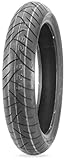
- RELIABLE BIAS PLY CONSTRUCTION: Built with a robust bias ply design to ensure long-lasting durability and consistent performance for heavyweight cruiser motorcycles during extended touring.
- ALL-WEATHER TRACTION PATTERN: Features a specialized uni-directional tread pattern that provides confident grip on both dry and wet surfaces while enhancing stability and crisp handling.
- PRECISE 120/70-21 FITMENT: Engineered specifically in the 120/70-21 size to serve as a direct fit for compatible touring models, ensuring proper balance and front-end geometry.
- OPTIMIZED FOR JAPANESE CRUISERS: Designed primarily for Japanese cruiser motorcycles to deliver a smooth, comfortable ride with the stability required for long-distance highway cruising.
- ENHANCED RIDING COMFORT: Developed to minimize road vibration and maximize mileage, this tire allows riders to enjoy longer journeys with less fatigue and superior control.
The announcement is specific to Japan. Equipment and availability may differ elsewhere, so check the local Yamaha listing for the exact version sold in your country. A roadster’s lower touring-equipment emphasis may suit everyday riding, but riders planning frequent highway trips should weigh the lack of the adjustable touring screen documented for the NT1100.
Kawasaki Ninja 500 (2026, U.S.)
The Ninja 500 is the smaller-displacement sport option here, for riders who prefer not to start with a large-capacity touring motorcycle. Kawasaki lists output of 51.0 hp at 10,000 rpm under the ISO measurement convention it identifies. Do not compare that figure directly with horsepower numbers measured under a different convention.
The available manufacturer information does not establish the Ninja 500 as a long-distance comfort choice. Treat it as an approachable sport candidate and assess its riding position, wind protection, and seat for yourself if regular extended trips are part of the plan.
How to choose between comfort and performance
- Start with your roads. Frequent highway travel makes wind protection and cruise control more relevant; commuting and paved backroads may put more emphasis on everyday manageability.
- Check fit, not just seat height. Sit on the exact motorcycle and assess reach to the bars, footpeg position, knee bend, and whether you can maneuver it at a stop. Published dimensions cannot resolve personal fit.
- Account for passengers and luggage. Look for the luggage provision and passenger setup you actually need, then verify model-specific accessories and their fitment.
- Match the variant to the route. Wheel size and trim can signal a different road-versus-off-road emphasis even within one model family.
- Compare weight figures carefully. The Suzuki figure above is identified as curb weight; do not treat weights from different sources as directly comparable unless their measurement bases match.
- Choose controls for how you ride. DCT and Y-AMT change how clutch and shifting are operated, while electronic aids such as cruise control serve different purposes. Peak horsepower alone does not describe usable performance.
Specifications, equipment, and availability vary by market and model year. Before choosing, confirm the local-market trim and consult its current manufacturer information. Follow the owner’s manual, inspect the motorcycle before riding, wear a helmet, eye protection, and protective clothing, and consider a riding-skills course.
Quick Recap
Product prices and availability are accurate as of the date/time indicated and are subject to change. Any price and availability information displayed on Amazon at the time of purchase will apply.




