Free tools Windows power users keep installed
One-click scans. No signup required.
America’s woody wagons trace a shift from hand-built, wood-bodied utility vehicles to steel wagons that kept the wood look. This selection treats “finest” as an editorial judgment, not an objective ranking: the choices reflect historical significance, distinctive craftsmanship or styling, and how each represents a different period in the American woody story. “Woody” and “woodie” can describe genuine wood construction, composite wood-and-steel bodies, or later steel vehicles with simulated wood trim, so the distinction matters.
What is a woody wagon?
Station wagons take their name from horse-drawn vehicles that carried passengers and luggage to railway stations. The motorized body style took hold in the 1920s and became more common for recreational use in the 1930s. Early wood and composite bodies were partly an economic choice: tooling for all-steel bodies was expensive, while wood construction could be made by specialist craftspeople and suppliers. The Studebaker National Museum’s history of woody wagons explains that development through 1947.
Ford’s Iron Mountain operation in Michigan’s Upper Peninsula made wood frames and parts. After Ford adopted all-steel sedan bodies for the 1937 model year, the plant concentrated on station-wagon bodies. The Henry Ford records about 300 skilled craftspeople there until Ford wagons changed to all-steel construction in 1952. The Henry Ford’s Iron Mountain archive record documents the operation.
Postwar demand for used woodies helped establish a broader market for station wagons, but the wooden body required upkeep. Automakers increasingly used steel bodies and retained the visual association with wood through paint or imitation trim. The ten examples below span that transition; their order is a curated sequence, not a ranked scorecard.
#1 Best Overall

- ALL-NEW TOOLING – Modern molds recreate a classic Nomad wagon.
- CURBSIDE STYLE DESIGN – Reduced parts for fast, enjoyable assembly.
- EXTENSIVE DECALS – Seat upholstery patterns, gauges, and scripts.
- AUTHENTIC WHITEWALL TIRES – Newly tooled wide-whitewall vinyl tires.
- VINTAGE CRAFTSMAN PACKAGING – Nostalgic display-friendly box.
10 American woody wagons worth knowing
1. 1922 Ford Model T Depot Hack
The depot hack belongs to the early utility end of the wagon story: a vehicle for carrying passengers and luggage, rather than a family wagon designed around postwar suburban life. Audrain Auto Museum included a 1922 Ford Model T Depot Hack in its “Wonders in Wood on Land & by Sea” exhibit listing. The listing supports its place as a representative early example, though it does not establish detailed construction specifications here. Audrain Auto Museum’s exhibit listing is a former-exhibit reference, not confirmation of current display.
2. 1931 Ford Model A Station Wagon
The Model A-era wagon represents the period when station wagons were becoming more familiar, but remained relatively specialized vehicles. It is a useful bridge between the early depot hack and the more polished prewar wagons that followed. The available source identification comes from a Model A Ford Foundation museum handout; detailed technical claims about this particular example should not be inferred from its listing alone.
Rank #2

- Revell Model Kit #14548, Skill Level 5, Contains 197-Parts, Recommended for ages 13 and up
- Newly tooled street machine parts include large-diameter custom wheels, a custom tube grille, smooth bumpers, and a selection of period-perfect chrome engine dress-up parts.
- The highly detailed 312-cube V-8 can be built three ways. Options include single or dual carbs, along with the factory’s rare Thunderbird Special supercharger set up.
- Builder’s choice of stock or lowered suspension. All-new decal sheet with factory-correct details. Intricately detailed chassis includes a separately molded frame.
- Molded in white, transparent red and clear with chrome plated parts and soft black tires. Paint and glue required(not included).
3. 1940 Ford Deluxe Woody Wagon
By 1940, the Ford woody had become a recognizable blend of practical wagon bodywork and visible wood craftsmanship. Audrain’s former exhibit listing includes a 1940 Ford Deluxe Woody Wagon, a later and more refined expression of the prewar form than the Model T depot hack. The exhibit page establishes the vehicle’s inclusion, but does not provide enough construction detail to specify the wood used on this individual wagon. Audrain’s exhibit page does not establish that it remains on display.
4. 1941 Chrysler Town & Country
The Chrysler Town & Country is an important upscale prewar woody. Unlike a bare-bones transport vehicle, it positioned wood-body construction within a more luxurious market. The Studebaker National Museum identifies the 1941 Town & Country as a notable prewar luxury-market example, making it a clear marker of how far the wagon had moved from its railway-station origins. The museum’s account places it in the broader history of wood-bodied wagons.
Rank #3

- 1/24 Scale Measuring approx 8 x 3 x 3 inches
- Opening doors & hood, Free wheel action
- New in Window Box
5. 1946 Mercury Woodie
This Mercury is notable for the materials and finish described for the specific vehicle in the collection of Heritage Museums & Gardens: maple panels and mahogany veneer. The museum also lists a 239-cubic-inch (3.9-liter) flathead V-8 rated at 100 horsepower for that vehicle. Those specifications apply to the documented example, not necessarily every 1946 Mercury Woodie. Heritage Museums & Gardens’ vehicle page, dated January 14, 2026, also states a $26,424 purchase price; that is a historical figure for this car, not a current valuation or representative market price.
6. 1946 Willys Jeep Station Wagon, Model 463
The Willys is included as a turning point, not as a genuine wood-bodied wagon. Jeep says its Model 463, introduced in July 1946, was America’s first all-steel station wagon. Its three-tone paint simulated the look of a woodie, joining the wagon’s familiar visual language to a steel body. That makes it a useful contrast with the crafted wood examples: the appearance survived even as the underlying construction changed. Jeep’s 1940s history page describes the Model 463.
Rank #4
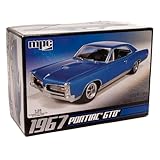
- V8 POWER: The model features a 400 cubic inch V8 engine, reflecting the muscle and power that defined the GTO's reputation.
- DETAILED SUSPENSION & EXHAUST: The kit incorporates separate rear suspension and exhaust detailing, adding to the realism of the model.
- BUCKET SEATS & CONSOLE: The model's interior features bucket seats and a floor shifter with a console, capturing the iconic look and feel of the GTO.
- OPTIONAL SUPERCHARGER: For those seeking more power, the kit offers an optional supercharger, allowing you to customize your model.
- CLEAR & COMPREHENSIVE INSTRUCTIONS: The included instructions are clear and user-friendly, making the kit accessible to modelers of different skill levels, from beginners to experienced hobbyists.
7. 1948 Packard Standard Eight Station Sedan Wagon
Packard’s Standard Eight Station Sedan Wagon represents the postwar continuation of the wood-bodied station wagon as an upscale, distinctive vehicle. Savoy Automobile Museum’s “Woodies” exhibit listing includes a 1948 example. Because that page is a former exhibit listing, it is evidence of the vehicle’s inclusion in the exhibit, not its current display status or a full construction specification. Savoy’s exhibit listing provides the reference.
8. 1948 Chrysler Town & Country Sedan
The postwar Town & Country carries forward Chrysler’s association of wagon practicality with a dressier, more carefully finished presentation. Savoy Automobile Museum’s former “Woodies” exhibit included a 1948 Chrysler Town & Country Sedan. Its place here reflects the model’s significance in the woodie tradition, while the exhibit record itself should not be read as a detailed bill of materials for the specific car. Savoy’s listing is a former-exhibit reference.
Do these 3 things before closing this tab:
1Clear out junk files and repair common Windows errors2Scan for outdated or missing drivers - takes under a minute3Repair Windows errors before they cause bigger problemsBest Value
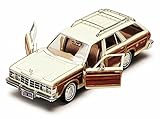
- 1/24 Scale Diecast Model Car. Approximate size: L-8" x W-2.75" x H-2.5".
- Color: Beige with Woodie Siding.
- Original Factory Window Box.
9. 1953 Ford Crestline Country Squire
The 1953 Ford Crestline Country Squire sits just beyond Ford’s transition to all-steel wagon construction in 1952. It is a useful example of the shift from structurally significant woodwork to the later Country Squire identity, which preserved a wood-inspired appearance. Savoy’s former “Woodies” exhibit lists a 1953 example. The listing identifies the vehicle but does not, on its own, establish the exact trim or body materials of that individual car. See the Savoy exhibit listing.
10. 1955 Ford Country Squire
The Smithsonian’s 1955 Ford Country Squire illustrates the completed transition: a steel wagon body with imitation wood trim, rather than a body built from wooden panels. The styling kept the association with earlier woodies while avoiding the maintenance demands of wooden exterior panels. The National Museum of American History collection record identifies the vehicle and explains its place in the postwar station-wagon story.
Independent reader supportYour contribution helps us test, update, and keep practical guides available for everyone.How the woody changed from wood to steel
The roster shows why “woody” needs a little context. Early wagons used wood or composite wood-and-steel construction in part because all-steel tooling was costly. Ford’s Iron Mountain workforce made wood components for its wagons, but by 1952 Ford had moved to all-steel construction. Other manufacturers also carried forward the look after changing the body: Jeep’s 1946 Model 463 used paint to evoke wood, and the 1955 Country Squire in the Smithsonian collection used imitation trim.
These later vehicles belong in a broad account of the woody style, but they should not be mistaken for genuine wood-bodied wagons. Conversely, exhibit listings and collection pages do not establish the exact materials of every individual vehicle. The strongest distinction is between the early construction tradition and the steel-bodied descendants that retained its visual cues.
Quick Recap
Product prices and availability are accurate as of the date/time indicated and are subject to change. Any price and availability information displayed on Amazon at the time of purchase will apply.




