Free tools Windows power users keep installed
One-click scans. No signup required.
Cold weather can cut an electric SUV’s driving range and slow charging. To limit avoidable energy use, precondition the cabin and battery while plugged in if your vehicle supports it, plan charging stops with a buffer, and give cold-weather fast charging extra time. The size of the range loss depends on the vehicle and conditions: AAA’s 2026 controlled test found a 39.0% decrease in calculated range at 20°F compared with 75°F, but that result came from three EVs—not a test of every electric SUV or winter trip.
Why cold weather reduces range
Low temperatures affect battery performance, while heating the cabin and conditioning the battery use energy that could otherwise go toward driving. The effect can vary with the vehicle, temperature, route, and how much cabin heat is needed. There is no single percentage that reliably predicts every SUV’s winter range.
AAA’s automotive engineering team tested three EVs on a chassis dynamometer with the HVAC set to 72°F. At 20°F, compared with 75°F, the EVs showed a 35.6% drop in MPGe and a 39.0% decrease in calculated range. This was a controlled test of three EVs, not an electric-SUV-only trial or a forecast for an individual trip. AAA reported a separate 2019 test of five EVs in which using HVAC heat at 20°F was associated with an average 41% range decrease compared with 75°F. The studies used different fleets and were conducted in different years, so their results should not be combined into one estimate.
How to interpret those figures
| Test | Conditions and fleet | Reported result |
|---|---|---|
| AAA, 2026 | Three EVs; chassis dynamometer; HVAC set to 72°F; 20°F compared with 75°F | 35.6% lower MPGe and 39.0% less calculated range |
| AAA, 2019 | Five EVs; HVAC heat used at 20°F compared with 75°F | 41% average range decrease |
Before you set off
Precondition while plugged in
If your SUV supports it, schedule cabin and battery preconditioning before departure while the vehicle is still connected to power. That lets the cabin and battery draw energy from the grid rather than using as much stored battery energy after you start driving. Controls and available features vary by model, so follow the vehicle’s manual or app instructions.
#1 Best Overall

- A studdable winter tire, the Winter Pike X (W429A) is designed for use on CUVs, SUVs, and light trucks and offers drivers strong traction and performance on icy, snowy, and wet roads in addition to a longer tread life.
- Three Peak Mountain Snowflake certified
- Can be pinned with TSMI #12 studs, where permitted, for extra traction in severe ice and snow
- Wide block in the center of the tread provides improved snow and ice traction
- Built with a new rubber compound that boosts strength and durability for a longer tread life
A U.S. Department of Energy technical-program record describes a specific 7.5-mile, city-like regulatory cycle at 20°F in which test data showed cabin preconditioning could reduce energy consumption by 9%–20%. That result applies to that short test cycle; it is not a guaranteed saving for a whole trip or every vehicle.
Give your route a winter buffer
Use the route, weather, and available charging—not the mild-weather range estimate alone—to decide when to charge. Identify backup chargers and plan for more frequent stops if the cold or distance makes the margin tight. Watch the SUV’s actual energy use and route estimate as you drive; add a stop if your planned buffer is narrowing. The available guidance does not establish one dashboard percentage that is right for every vehicle.
Rank #2
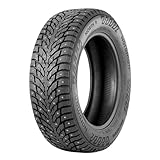
- Winter tire
- Black sidewall
- Embedded studs ensure superior grip on icy surfaces and in extreme winter conditions
- Tread optimized for deep snow and slippery terrains
- Robust construction provides long-lasting performance and resistance to wear and tear
Check tires and parking
- Check tire pressure against the specification on the vehicle’s placard or in its manual. Cold weather affects pressure; do not substitute a universal PSI target or inflate above the vehicle maker’s specification.
- Use indoor or covered parking when practical. The DOE says this can help a vehicle go farther in cold weather.
- If you must charge outdoors in snow or sleet, the DOE says a magnetic inlet cover or bag may help keep precipitation from freezing around the connector. Check fit and follow the manufacturer’s instructions.
While driving in the cold
- Use seat or steering-wheel heat, if equipped, to reduce reliance on cabin heat. Keep the cabin safe and maintain clear windows: do not compromise defrosting or visibility to save energy.
- Where road and traffic conditions allow, avoid sustained high speeds in extreme temperatures; AAA includes this among its efficiency recommendations.
- Keep checking the route estimate and energy use rather than assuming the starting estimate will hold under changing conditions.
When cold slows fast charging
A cold battery may accept power more slowly, so a charging stop can take longer than expected. If your vehicle supports battery preconditioning for charging, use its navigation or charging-preparation feature while travelling to a DC fast charger. The way this works is model-specific; charging power can also vary with temperature and the battery’s state of charge. Allow extra time rather than relying on a mild-weather stop duration.
Choose a charge target to fit the next leg, the conditions, and your vehicle’s guidance. The DOE advises considering 80%–100% according to distance needs and conditions, and notes that charging power typically slows in the 80%–100% range. Around 80% may be sufficient for an immediate leg in ordinary conditions; a longer route or extreme cold may justify charging higher. Account for charger availability and the manual’s recommendations.
The Tool Desk
Outbyte Driver Updater FREEFix the driver behind crashes, sound loss and screen glitchesFind Drivers →Outbyte PC Repair FREEClear out junk files and repair common Windows errorsFree Scan →Rank #3

- Built to Keep You Working Through the Winter
- Winter Performance and Grip You Can Rely On
- Long-Lasting Performance
- Great Value
When to seek help
Cold-related range loss or slower charging, by itself, does not establish that the battery or vehicle has a fault. The available sources do not set a diagnostic threshold that applies across models. If the change is abrupt or persistent, the vehicle displays a warning, or its behavior seems unusual, consult the owner’s manual and contact the vehicle maker or a qualified service provider.
Quick Recap
Best Value
- Built to Keep You Working Through the Winter
- Winter Performance and Grip You Can Rely On
- Long-Lasting Performance
- Great Value
Rank #4
- Built to Keep You Working Through the Winter
- Winter Performance and Grip You Can Rely On
- Long-Lasting Performance
- Great Value
Product prices and availability are accurate as of the date/time indicated and are subject to change. Any price and availability information displayed on Amazon at the time of purchase will apply.




