Do these 3 things before closing this tab:
1Fix the driver behind crashes, sound loss and screen glitches2Clear out junk files and repair common Windows errors3Scan for outdated or missing drivers - takes under a minuteThe Toyota Corolla has been sold in the United States since the 1968 model year, but its generation numbering is easy to muddle. Toyota has used different chassis codes for sedans, coupes, wagons and hatchbacks, and global-market Corollas often changed generations before or after the U.S. version.
This guide follows the U.S.-market Corolla sedan model years. It includes the main sedan generations, the important mid-generation changes and the years that are commonly mislabeled.
As an Amazon Associate I earn from qualifying purchases.
Toyota Corolla sedan generations at a glance
| Generation | U.S. model years | Common chassis code | What changed |
|---|---|---|---|
| First | 1968–1970 | E10 | Corolla enters the U.S. with a small rear-wheel-drive sedan and a 1.1-liter engine. |
| Second | 1971–1974 | E20 | Larger body, updated styling and a move to a 1.2-liter engine. |
| Third | 1975–1979 | E30/E40/E50/E60 | More body styles, larger engines and a major 1979 redesign within the generation. |
| Fourth | 1980–1983 | E70 | Last rear-wheel-drive Corolla generation sold in the U.S. |
| Fifth | 1984–1987 | E80 | Front-wheel drive becomes the basis for the sedan; the Corolla lineup expands substantially. |
| Sixth | 1988–1992 | E90 | More refined front-wheel-drive sedan with improved space, safety and equipment. |
| Seventh | 1993–1997 | E100 | Rounded styling, a roomier cabin and a 1.8-liter engine in U.S. sedans. |
| Eighth | 1998–2002 | E110 | New sedan styling, a 1.8-liter four-cylinder and a stronger emphasis on value and reliability. |
| Ninth | 2003–2008 | E120/E130 | More interior room, a new 1.8-liter engine and several updates during the run. |
| Tenth | 2009–2013 | E140/E150 | Longer, wider sedan with revised styling and an available five-speed manual or four-speed automatic. |
| Eleventh | 2014–2019 | E170 | More expressive styling, added technology and the introduction of the Corolla LE Eco. |
| Twelfth | 2020–present | E210 | TNGA-based redesign, independent rear suspension on some versions, and the first U.S. Corolla Hybrid sedan. |
“Present” refers to the current U.S. sedan generation. Toyota may continue or update the E210 for additional model years without that making it a new generation.
First generation: 1968–1970
The first U.S. Corolla arrived for 1968 as a compact rear-wheel-drive car. The sedan used a small four-cylinder engine and conventional rear-wheel-drive layout at a time when Toyota was establishing a foothold in the American market.
#1 Best Overall

- SOLIDO BRAND QUALITY: Solido is known for producing high-quality diecast model cars with exceptional detail, durable construction, and accurate representations of real vehicles. Each model is crafted with precision and built to last.
- TOYOTA BRAND MODEL: This Toyota Corolla GR Circuit Edition model represents a performance hatchback associated with the 2023 model year. It reflects the compact proportions, aggressive front-end styling, and rally-inspired design cues linked to GR performance vehicles, capturing the visual identity, athletic stance, and distinctive appearance associated with modern Japanese all-wheel-drive hot hatch automotive design.
- FEATURES & DETAILS: This 1:43 scale diecast model measures approximately 4.3 inches in length and is finished in grey. Designed as a sealed display model with no opening parts, it highlights compact hatchback proportions, sharp body lines, and performance-oriented styling elements, offering a representation suited for collectors focused on modern sport compact vehicles, Japanese performance cars, and rally-inspired road-going designs.
- TOP QUALITY MATERIALS: Constructed with a diecast metal body and plastic components, this model provides structural balance while allowing fine detailing across exterior features. The paint application is evenly applied to reflect the intended finish, while smaller components contribute to the overall appearance, supporting a clean, consistent, and visually refined presentation suitable for shelves, cabinets, and other display environments.
- COLLECTIBLE DISPLAY ITEM: This Toyota Corolla GR Circuit Edition model is intended for collectors aged 14 and above and is designed for display purposes. With its modern hot hatch styling and detailed finish, it fits well within collections focused on Japanese performance vehicles, particularly for enthusiasts of compact motorsport-influenced cars and contemporary automotive design themes.
Early Corollas were basic by modern standards, but their low purchase price, simple mechanical design and modest fuel consumption were central to the car’s appeal. The first generation also included body styles beyond the sedan, including a coupe, wagon and a two-door version. Those variants are part of the same Corolla generation but are not separate sedan generations.
Second generation: 1971–1974
The E20 Corolla grew in size and received more rounded styling. U.S. sedans continued with rear-wheel drive, while Toyota expanded the range with additional body styles and engine choices.
The basic formula remained straightforward: a light body, a four-cylinder engine and inexpensive maintenance. The second-generation car is distinguishable from the first by its larger proportions, revised grille and more substantial-looking body.
Recommended Free Tools
Third generation: 1975–1979
The third-generation Corolla covered a broad family of Toyota chassis codes—E30, E40, E50 and E60—because Toyota sold several related body styles and configurations under the same generation umbrella.
U.S. sedans remained rear-wheel drive. The cars became larger and more comfortable, and the engine lineup moved beyond the very small displacement units used by early Corollas. A significant styling and engineering update arrived for 1979, but that facelift is normally treated as part of the third generation rather than a new generation.
Fourth generation: 1980–1983
The E70 was the last rear-wheel-drive Corolla generation sold in the United States. It retained the practical sedan layout but arrived with a more squared-off design and a wider selection of Corolla variants.
This generation matters to buyers interested in older Toyota projects because the rear-wheel-drive platform has a very different drivetrain layout from every later U.S. Corolla sedan. Coupes and sporty derivatives from the period can attract more enthusiast attention, but the ordinary four-door sedan is still part of the E70 family.
Fifth generation: 1984–1987
The fifth-generation Corolla marked the major transition to front-wheel drive for the U.S. sedan. Toyota kept some rear-wheel-drive Corolla-based models in other forms and markets, which is why chassis-code lists can appear contradictory, but the American Corolla sedan became a front-wheel-drive compact.
The change improved packaging: the engine bay and drivetrain could be arranged more efficiently, leaving more usable passenger space without a proportionate increase in exterior size. The generation also included hatchbacks, wagons and sport-oriented versions that do not share every sedan detail.
Sixth generation: 1988–1992
The E90 Corolla sedan continued the front-wheel-drive layout with a more mature design and a more polished interior. Toyota concentrated on predictable handling, easy operation and long-term durability rather than performance.
Rank #2
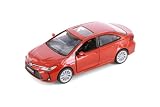
- Toyota Corolla Hybrid - 32432D Showcasts Model Vehicle
- 1/33 Scale Collectible Model Compact Car
- This is a 5.5"L x 2.25"W x 1.625"H Diecast Metal model with some plastic parts
- Openable Doors And Pullback Action
- 1 car, no box
Trim names, engines and equipment varied by year. When comparing an E90 with a later Corolla, inspect the specific car rather than assuming that every model year has the same brakes, transmission or emissions equipment. Cars sold in different states can also have different emissions hardware.
The Tool Desk
Outbyte PC Repair FREEClear out junk files and repair common Windows errorsFree Scan →Outbyte Driver Updater FREEFix the driver behind crashes, sound loss and screen glitchesFind Drivers →Seventh generation: 1993–1997
The E100 generation brought rounded styling and a roomier cabin. U.S. Corolla sedans used a 1.8-liter four-cylinder, giving the car more useful highway performance than the earliest Corollas while retaining the model’s economy-car mission.
Safety equipment and crash protection also progressed during this period. As with any 30-year-old compact, condition is more important than the badge: rust, neglected cooling systems, worn suspension components and deteriorated interior plastics can matter more than the exact trim level.
Eighth generation: 1998–2002
The E110 Corolla sedan arrived with a simple, conservative design and a 1.8-liter four-cylinder engine in the U.S. market. It is one of the most familiar older Corollas because Toyota sold large numbers of them and kept the mechanical package relatively uncomplicated.
These cars predate many features now considered standard, including widespread electronic stability control, advanced driver-assistance systems and modern touchscreen infotainment. A well-maintained example can be inexpensive to run, but age-related problems—especially oil leaks, cooling-system neglect and automatic-transmission wear—should be expected.
Free tools Windows power users keep installed
One-click scans. No signup required.
Ninth generation: 2003–2008
The ninth-generation Corolla brought a larger cabin and a new 1.8-liter four-cylinder engine. Toyota offered the sedan with manual and automatic transmissions, and the lineup included economy-focused and sportier trims depending on the year.
The 2005 model year brought a notable refresh, including revised exterior styling and equipment changes. The Corolla XRS appeared late in this generation, using a more powerful engine and sport-oriented suspension and trim. It should not be confused with a separate Corolla generation.
A 2003 Corolla and a 2008 Corolla are both ninth-generation cars, but parts and equipment can differ. Verify the vehicle identification number, production date and trim before ordering brakes, body panels or electronic components.
Tenth generation: 2009–2013
The E140/E150 Corolla sedan was larger than its predecessor and used more angular styling. U.S. cars continued with a 1.8-liter four-cylinder, with a five-speed manual and four-speed automatic available depending on trim and year.
PC Slower Than It Used to Be?
A free scan shows the junk files, broken settings and background clutter dragging Windows down - then fixes them in one click.Free scan · Windows 10 & 11Outdated Drivers Are Slowing You Down
One free scan finds every outdated or missing driver and matches the right update for your exact hardware.Free scan · exact hardware matchToyota offered several familiar grades, including the base Corolla, LE and sporty XRS. The 2011 model year received a facelift with revised front and rear styling and interior changes. That update does not start an eleventh generation; the all-new E170 sedan began with the 2014 model year.
Rank #3

- SOLIDO BRAND QUALITY: Solido is known for producing high-quality diecast model cars with exceptional detail, durable construction, and accurate representations of real vehicles. Each model is crafted with precision and built to last.
- TOYOTA BRAND MODEL: This Toyota Corolla GR Circuit Edition model represents a performance hatchback associated with the 2023 model year. It reflects the compact proportions, aggressive front-end styling, and rally-inspired design cues linked to GR performance vehicles, capturing the visual identity, athletic stance, and distinctive appearance associated with modern Japanese all-wheel-drive hot hatch automotive design.
- FEATURES & DETAILS: This 1:43 scale diecast model measures approximately 4.3 inches in length and is finished in Blue Flame. Designed as a sealed display model with no opening parts, it highlights compact hatchback proportions, sharp body lines, and performance-oriented styling elements, offering a representation suited for collectors focused on modern sport compact vehicles, Japanese performance cars, and rally-inspired road-going designs.
- TOP QUALITY MATERIALS: Constructed with a diecast metal body and plastic components, this model provides structural balance while allowing fine detailing across exterior features. The paint application is evenly applied to reflect the intended finish, while smaller components contribute to the overall appearance, supporting a clean, consistent, and visually refined presentation suitable for shelves, cabinets, and other display environments.
- COLLECTIBLE DISPLAY ITEM: This Toyota Corolla GR Circuit Edition model is intended for collectors aged 14 and above and is designed for display purposes. With its modern hot hatch styling and detailed finish, it fits well within collections focused on Japanese performance vehicles, particularly for enthusiasts of compact motorsport-influenced cars and contemporary automotive design themes.
Eleventh generation: 2014–2019
The E170 Corolla introduced a more aggressively styled sedan and a cabin with more contemporary technology. Toyota retained a 1.8-liter four-cylinder, but transmission availability changed as the generation progressed. Most U.S. versions used Toyota’s continuously variable transmission, while a six-speed manual remained available on selected trims.
The LE Eco grade used efficiency-focused calibration and aerodynamic changes. Toyota also expanded driver-assistance availability during the run, and Toyota Safety Sense-P became standard on 2017-and-newer U.S. Corollas.
A 2017 Corolla is therefore still an eleventh-generation car even if it has substantially more safety technology than a 2014 model. The 2019 Corolla Hatchback, introduced on a different launch schedule, should not be used to date the sedan generation.
Twelfth generation: 2020–present
The E210 Corolla sedan is based on Toyota’s TNGA architecture and has a lower, more planted driving position than the outgoing model. The sedan uses a 1.8-liter engine in lower grades and a 2.0-liter engine in sportier versions, paired with either a CVT or, on selected versions, a manual transmission.
The U.S. Corolla Hybrid sedan debuted for 2020. It uses a hybrid powertrain and is front-wheel drive, making it distinct from the gas-powered Corolla trims even though it belongs to the same generation.
Toyota refreshed the Corolla for 2023. The update brought revised front-end styling and newer multimedia and driver-assistance equipment, while the underlying E210 generation continued. The 2023 refresh is not a thirteenth generation.
How to identify a Corolla sedan generation
- Start with the model year. The model-year ranges in the table are the quickest guide for a U.S.-market sedan.
- Check the body style. A Corolla Hatchback, Corolla iM, wagon or coupe can have a different generation timeline from the sedan.
- Use the VIN and production date for parts. A model-year transition can occur before the calendar year printed on the title.
- Look for the major layout change. A 1980–1983 Corolla is rear-wheel drive; the 1984–1987 sedan is front-wheel drive.
- Do not treat a facelift as a new generation. The 2005, 2011 and 2023 updates are refreshes within their existing generations.
Common Corolla generation mistakes
- Calling the 2019 sedan a twelfth-generation Corolla: the U.S. E170 sedan runs through 2019; the E210 sedan begins in 2020.
- Starting the tenth generation in 2008: the U.S. tenth-generation sedan is generally cataloged as 2009–2013, even though launch timing and production dates can overlap.
- Counting the Corolla Hybrid as a separate generation: the Hybrid is a powertrain and trim-line variation within the E210 generation.
- Using a hatchback timeline for a sedan: Toyota has marketed Corolla hatchbacks under different names and launch schedules, so body style matters.
- Assuming every chassis code describes the sedan: codes such as E30, E40, E50 and E60 refer to related third-generation variants, not four separate U.S. sedan generations.
FAQ
What year did the Toyota Corolla start in the United States?
The Toyota Corolla began U.S. sales for the 1968 model year. The first U.S. car was the E10, or first-generation, Corolla.
What is the most reliable Corolla generation?
Reliability depends heavily on maintenance and condition, but the late-1990s and early-2000s E110 Corolla is widely valued for its simple mechanical design. A newer Corolla may offer better safety and corrosion protection, so reliability should be weighed alongside age and equipment.
Is the 2019 Corolla a 12th-generation car?
No. The U.S. 2019 Corolla sedan is part of the eleventh generation, known by the E170 chassis family. The twelfth-generation E210 sedan begins with the 2020 model year.
Is the Corolla Hybrid a separate generation?
No. The U.S. Corolla Hybrid debuted for 2020 as a version of the twelfth-generation E210 Corolla sedan. It is a different powertrain, not a separate generation.
The Bottom Line
For U.S. Corolla sedans, the generation timeline runs from the rear-wheel-drive E10 of 1968 through the current E210 generation that began in 2020. The biggest break is the switch from rear-wheel drive to front-wheel drive in 1984. For modern shoppers, remember that the 2014–2019 Corolla is eleventh generation, the 2020-and-newer sedan is twelfth generation, and the 2023 update is only a facelift.
Quick wins for a faster PC:
Scan for outdated or missing drivers - takes under a minuteDriver Scan →Clear out junk files and repair common Windows errorsFree Scan →Fix the driver behind crashes, sound loss and screen glitchesFind Drivers →Quick Recap
Product prices and availability are accurate as of the date/time indicated and are subject to change. Any price and availability information displayed on Amazon at the time of purchase will apply.




