PC Slower Than It Used to Be?
A free scan shows the junk files, broken settings and background clutter dragging Windows down - then fixes them in one click.Free scan · Windows 10 & 11Crashes, No Sound, or Screen Glitches?
Random freezes, missing sound and display glitches usually trace back to one bad driver. Find and replace yours safely.Free scan · under a minuteTesla’s Austin robotaxi service did launch on June 22, 2025, the date Elon Musk had tentatively announced 11 days earlier. But the first-day service was limited: it used a small geofenced fleet, remote monitoring and a person in the passenger seat. Later Tesla updates described rides without anyone in the driver’s seat and, eventually, limited removal of safety monitors.
What Musk announced—and what happened
On June 11, 2025, Musk said the Austin service was “tentatively set to begin” on June 22, leaving room for a delay over safety concerns. The announcement was tentative; the launch date was not postponed. The Associated Press reported that service began on June 22, 2025.

In his launch-day post, Musk said customers were paying a “$4.20 flat fee.” That was a June 2025 launch-day price, not evidence of the current fare. The available information does not establish Austin’s fare as of October 8, 2026. (Associated Press, June 22, 2025; Reuters, June 11, 2025)
What the June 2025 launch looked like
“Launch” did not mean an unrestricted, fully driverless taxi network. The AP’s contemporaneous account described an initial fleet of 10 or 12 vehicles, a limited geofenced pickup area, remote monitoring and a person in the passenger seat. The fleet figure describes launch day only; it should not be read as a current count.
#1 Best Overall
Those operating conditions matter when interpreting early descriptions of Tesla’s robotaxi service. A person was present in the vehicle, and remote monitoring was part of the initial operation, even as the company presented the service as a step toward autonomous rides. (Associated Press, June 22, 2025)
How Tesla later described Austin operations
July 2025: paying rides without a driver-seat occupant
On Tesla’s July 23, 2025, second-quarter earnings call, Musk said paying customers in Austin had received rides with no one in the driver’s seat. He also said broader deployment depended on approvals and demonstrating safety. These were company statements, not an independent assessment of the service’s safety or scale. (Tesla Q2 2025 earnings-call transcript)
Rank #2

- Opening parts and rolling wheels
- Easy assembly, pre-painted metal body
- When finished the vehicles are fully functional
- Rolling diecast replica
- Skill level: intermediate
January 2026: limited monitor removal
Tesla’s Q4 and full-year 2025 update said driverless Robotaxi testing in Austin began in December 2025 and that the company began removing the safety monitor from customer rides on a limited basis in January 2026. Its coverage table described Austin as “Ramping Unsupervised.” Those are dated company-reported milestones, not a live account of Austin’s service area or fleet in October 2026. (Tesla Q4 and FY 2025 update)
What NHTSA’s Cybercab inquiry does—and does not—establish
On September 4, 2026, the National Highway Traffic Safety Administration announced an inquiry into Tesla’s self-certification that the Cybercab meets applicable federal motor vehicle safety standards. The agency said the inquiry followed commercial deployment of driverless Cybercab vehicles in Austin and would examine the technical basis and processes for the certification, including how standards were applied to a vehicle without traditional human controls.
Rank #3
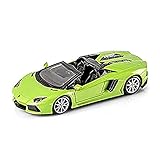
- Authentic 1:24-1:27 scale model kit
- Die-cast metal body with plastic parts
- Working steering and opening doors
- No glue or paint needed
An inquiry is not a finding that the vehicle fails to comply or that it is unsafe. NHTSA Administrator Jonathan Morrison said the agency supports safe automated-vehicle development and deployment but must ensure federal laws are followed. (NHTSA, September 4, 2026)
Independent reader supportYour contribution helps us test, update, and keep practical guides available for everyone.What is known about Austin availability now
The dated reports establish the June 2025 launch conditions and Tesla’s subsequent operational milestones, but they do not establish exact Austin ride availability, fares, customer eligibility, current service boundaries or total fleet size as of October 8, 2026. Older launch details and company updates cannot reliably answer those current, local questions.
Rank #4

- DIY Building: The F1 car kit requires assembly, which is a fun and challenging science kit for children and adults. The process of building the car helps to develop creativity, fine motor skills, and hand-eye coordination. Good choice for children aged 9-16.
- STEM Education: The F1 car kit is designed to be an educational toy that promotes STEM education. By building and assembling the car, children can learn about basic engineering concepts and gain problem-solving skills.
- High-Quality Wood Material: The F1 car kit is made of high-quality wood, ensuring durability and longevity. The wood material provides an authentic and unique feel to the product and enhances the overall building experience.
- Remote Control: The F1 car kit comes with a remote control that allows users to control the car's movements, making it a fun and engaging toy for kids and adults alike. The remote control is easy to use, making it accessible to everyone.
- Racing Experience: Once the car is built, it can be raced against other remote control cars or driven around to showcase its speed and agility. The F1 car kit provides a realistic racing experience and is sure to impress both kids and adults.
The evidence also does not provide an independently comparable statistic showing how Austin robotaxi safety compares with human driving. The timeline is clear; a current service snapshot and a comparative safety conclusion are not.
Quick Recap
Best Value

- Perfect Gift for Children: This STEM kit for 10-12 year olds is an ideal gift for birthdays or Christmas. It includes all the parts needed to assemble a remote control car (except batteries) and is suitable for children aged 9, 10, 11, 12, 13, 14 and up.
- Functional Perfection: The STEM toy car kit has a steering system that allows the front wheels to swing from side to side and is also self-centring. The kit comes with detailed step-by-step colour instructions and an assembly video.
- Interference-Free Racing: Multiple cars can be raced simultaneously without interference from one another. Kids can enjoy thrilling races with their friends and family, fostering healthy competition and social interactions.
- Stimulating Curiosity and Learning: This engaging and challenging toy for boys ages 10-14 encourages them to explore scientific concepts and learn about the car's steering system. This is a great STEM project for 10-14 year olds that is both educational and entertaining.
- Cultivate Creativity and Imagination: Assembling these toys for 9-14 year olds promotes hand-eye co-ordination and stimulates the imagination, making it a highly interactive activity that promotes physical and intellectual development.
Product prices and availability are accurate as of the date/time indicated and are subject to change. Any price and availability information displayed on Amazon at the time of purchase will apply.
Do these 3 things before closing this tab:
1Fix the driver behind crashes, sound loss and screen glitches2Clear out junk files and repair common Windows errors3Scan for outdated or missing drivers - takes under a minute



