The best Mk4 Supra is not automatically the lowest-mile, most powerful, or most expensive example. It is the car with a verifiable identity, sound structure, complete ownership history, controlled modifications, and a maintenance budget that matches its age. A carefully inspected naturally aspirated Supra may be the sensible buy; a documented Turbo six-speed may be the desirable collector choice; and a modified car can be excellent only when its engineering and tuning are demonstrably sound.
The A80 Supra is an exceptionally engineered 1990s sports car, not an indestructible, maintenance-free investment. Before paying a collector-car price, determine what the car was when new, what specification it actually has today, and whether its condition justifies the seller’s number.



What the Mk4 Supra is—and what it is not
The Mk4 is Toyota’s fourth-generation Supra, commonly identified by the A80 or JZA80 chassis designation. Toyota introduced it in Japan in May 1993, while the 1993–1998 period used for this guide covers its overseas-market sales. It is a front-engine, rear-wheel-drive, two-door 2+2 hatchback with independent double-wishbone suspension and an inline-six engine. Toyota’s historical specifications list representative Japanese-market dimensions of approximately 4,520 mm long, 1,810 mm wide, and a 2,550 mm wheelbase. Toyota’s U.S. newsroom also archives the generation as the 1993–1998 fourth-generation Supra.
Those fundamentals explain the car’s appeal. The A80 was engineered around high-speed stability, braking, chassis stiffness, and balanced handling rather than low production cost or easy access for every repair. The rear seats are occasional-use seats, not a practical family-car substitute. The hatch provides useful sports-car cargo space, but it is not wagon-like.
Its reputation comes partly from the 2JZ engine family and partly from the car’s broader engineering. A period Car and Driver test of a 1993 Turbo recorded 320 horsepower, 315 lb-ft of torque, 0–60 mph in 4.6 seconds, a 13.1-second quarter mile, 0.95 g on the skidpad, and 160-foot braking from 70 mph. Those are results from a specific press car when new—not a guarantee that a 30-year-old Supra will perform that way today. Read the period test here.
The central buying lesson is simple: a strong engine does not make a rusty chassis, incomplete import file, neglected cooling system, worn suspension, or poorly tuned Turbo a good purchase.
Supra Mk4 specifications at a glance
| Item | What buyers should know |
|---|---|
| Generation | Fourth-generation A80, commonly identified as JZA80 |
| Body | Front-engine, rear-wheel-drive, two-door 2+2 liftback |
| U.S. naturally aspirated engine | 3.0-liter 2JZ-GE inline-six, rated at 220 hp in contemporary U.S. reporting |
| U.S. Turbo engine | 3.0-liter 2JZ-GTE twin-turbocharged and intercooled inline-six, rated at 320 hp and 315 lb-ft |
| U.S. transmissions | Turbo: Getrag six-speed manual or four-speed automatic; naturally aspirated: five-speed manual or automatic |
| Drive layout | Rear-wheel drive |
| Suspension | Independent double wishbones |
| Seats | Two useful front seats and small occasional-use rear seats |
These are primarily U.S.-market reference points. Japanese-market Supras were sold in different grades with different outputs, equipment, emissions hardware, transmissions, steering position, and model codes. Toyota’s Japanese historical listing includes both 2JZ-GTE and 2JZ-GE grades, five- and six-speed manual applications, four-speed automatic availability, and a representative twin-turbo output figure of 280 PS. Japanese 280 PS should not be casually converted into or substituted for the U.S. 320-hp rating. Toyota’s historical Japanese-market specifications are the better reference for an imported car.
Which Mk4 Supra should you buy?
Start with intended use, not internet hierarchy. A weekend street car, collector, restoration project, track build, and daily driver have different priorities. There is no single best version for every buyer.
Recommended Free Tools
Naturally aspirated 2JZ-GE
The naturally aspirated car is usually the rational entry point for someone who wants A80 styling, rear-wheel-drive balance, and Toyota inline-six character without paying the full Turbo premium. It is simpler than the Turbo in some respects and can be enjoyable on the street without excessive speed.
Do not assume an NA Supra is automatically cheap or unimportant. Good original examples are collectible, and rust, low availability in good condition, cosmetic restoration, or a conversion to Turbo specification can make one expensive. Verify that the engine, transmission, differential, brakes, wheels, ECU, and body panels match the claimed grade. An NA car with Turbo-style parts may be a thoughtful build, a superficial replica, or a poorly executed swap; the inspection must determine which.
Twin-turbo 2JZ-GTE
The Turbo is the performance and collector centerpiece of the range. It deserves a premium when the premium buys documented provenance, structural integrity, strong mechanical condition, and substantial originality—not merely a Turbo badge, aftermarket boost controller, dyno claim, or clean engine bay.
A modified Turbo can be rewarding, but evaluate it as a modified performance car. Identify the turbochargers, wastegates, intercooler, intake and exhaust, injectors, fuel pump, engine-control system, sensors, clutch or automatic transmission upgrades, differential, suspension, brakes, wheels, and wiring. Ask who installed and tuned everything, what fuel and boost level were used, and whether receipts, calibration files, dyno sheets, and maintenance records exist.
Do these 3 things before closing this tab:
1Repair Windows errors before they cause bigger problems2Fix the driver behind crashes, sound loss and screen glitches3Clear out junk files and repair common Windows errorsStatements such as needs a tune, probably just a sensor, or easy fix are unresolved faults. Price them as faults until a qualified technician proves otherwise.
Six-speed manual
The six-speed manual is highly desirable and can make a Turbo particularly collectible. That desirability also makes it easy to overpay. The Getrag gearbox should be inspected rather than treated as valuable simply because it is rare.
Rank #2
During the inspection, look for clutch slip, difficult engagement, hydraulic leaks, synchro problems, gear noise, shift-quality issues, transmission-mount damage, driveshaft vibration, differential backlash, and evidence of repeated drag-racing launches. A specialist buyer’s guide also identifies the Getrag six-speed as a potential problem area; that does not mean every example is defective, but repair or replacement costs and parts availability belong in the negotiation. Classic Motorsports’ A80 buyer’s guide provides useful specialist context.
Automatic transmission
The automatic is not inherently the wrong choice. It may be better for street driving, commuting, or an owner who values smoothness over maximum involvement. Its condition matters more than the transmission type.
Quick wins for a faster PC:
Repair Windows errors before they cause bigger problemsFix Now →Scan for outdated or missing drivers - takes under a minuteDriver Scan →Clear out junk files and repair common Windows errorsFree Scan →Check fluid condition and level according to the correct procedure, shift quality, kickdown operation, delayed engagement, leaks, overheating evidence, and abnormal noises. Ask whether the car was run at increased boost or subjected to repeated launches without appropriate transmission preparation. A stock automatic street car with records can be a better buy than a neglected six-speed car with an impressive specification sheet.
U.S.-market versus imported Japanese-market Supras
Many advertised Mk4 Supras are imported cars, and seller shorthand is often less precise than the purchase decision requires. Do not treat every 2JZ-powered Supra as a U.S.-spec Turbo.
What to verify on a U.S.-market car
- Documentation consistent with U.S. delivery.
- Left-hand-drive layout.
- U.S.-market emissions and safety equipment.
- A VIN and title history that can be independently verified.
- Engine, transmission, ECU, wiring, gauge cluster, and trim consistent with the claimed model.
What to verify on an imported car
- Chassis or VIN identifiers and their correspondence with every document.
- Right- or left-hand-drive configuration.
- Exact engine code, grade, transmission, differential, ECU, wiring, gauges, and emissions equipment.
- Original auction sheet or export documents where available.
- Japanese registration or deregistration records, shipping records, customs entry, title, and state registration history.
- Any conversion work performed after import, including lighting, emissions, wiring, steering, or instrumentation changes.
A car physically sitting in the United States is not necessarily legally imported or readily registrable. For U.S. buyers, the federal age exemptions are separate from state registration requirements. U.S. Customs and Border Protection generally allows a vehicle at least 25 years old to be imported without regard to applicable DOT Federal Motor Vehicle Safety Standards, with the age calculated from the vehicle’s manufacture date. EPA requirements are a separate matter: the commonly cited 21-year rule depends on the vehicle remaining in its original, unmodified configuration and on replacement-engine equivalence requirements. Review the rules before money changes hands, not after the car arrives.
CBP also notes that a DMV may require proof of customs entry and documentation supporting emissions and safety compliance. State rules differ, so confirm the destination state’s title, inspection, emissions, registration, and insurance requirements before buying or shipping. CBP’s 25-year vehicle guidance and CBP’s documentation guidance should be part of the paperwork review.
The Tool Desk
Outbyte PC Repair FREEClear out junk files and repair common Windows errorsFree Scan →Outbyte Driver Updater FREEFix the driver behind crashes, sound loss and screen glitchesFind Drivers →The pre-purchase inspection: what to check
A seller’s walk-around is not an inspection. Use a lift and an independent technician who understands older performance cars and, ideally, A80 Supras. The inspection should establish identity, structure, mechanical health, modification quality, and legal risk.
1. Identity, title, and provenance
Before traveling to see the car, request clear photographs of the VIN or chassis identifiers, title, registration, import documents, engine bay, underside, suspension pickup points, interior, and all modifications. Obtain a cold-start video if the car is not nearby.
- Match the VIN or chassis number to the title, registration, import papers, auction records, service records, and insurance history.
- Check for salvage, flood, theft, odometer, export, re-import, and branded-title history.
- Confirm that model year, build date, steering position, engine, trim, and transmission agree across the paperwork.
- Require evidence of customs entry for an imported vehicle.
- Investigate gaps in ownership or mileage rather than accepting a seller’s explanation without documents.
Provenance is not just a collector concern. It affects legality, insurance, parts compatibility, resale, and the likelihood that the car has been represented accurately.
2. Structure and corrosion
Put the Supra on a lift. Looking underneath from the ground cannot reveal enough about a collectible car’s structure.
Rank #3

- Detailed repair and maintenance coverage trusted by professional technicians and DIYers for decades.
- Clear step-by-step instructions supported by wiring diagrams, diagnostic charts, and technical illustrations.
- Covers routine maintenance through advanced repairs, making it the go-to resource for keeping your vehicle running reliably.
Pay particular attention to the frame rails, suspension pickup points, front and rear subframes, rocker structures, hatch and spare-tire areas, floor seams, windshield surround, hatch surround, and transitions between original and repaired metal. Look for:
- Uneven panel gaps or doors and hatch that do not fit consistently.
- Mismatched seams, ripples, overspray, non-factory welds, or distorted mounting points.
- Fresh undercoating that may be hiding corrosion or repair work.
- Rust bubbles around glass, hatch seals, rocker panels, floor seams, and drain areas.
- Water accumulation in the spare-tire well or interior.
- Cracked or repaired subframe and suspension mounting areas.
Excellent paint can conceal serious corrosion or accident repair. Conversely, surface grime does not prove structural failure. The lift inspection and repair-quality assessment matter more than the shine.
3. Exterior, glass, seals, and trim
Inspect the liftback hatch, hinges, struts, seals, weatherstripping, lamps, trim, bumpers, spoiler, wheels, and all glass. Check for cracks, fading, yellowing, poor alignment, non-matching replacement parts, and evidence of water entry. Rare trim can be expensive or difficult to source, so do not dismiss missing clips, moldings, badges, interior panels, or weather seals as minor details.
Toyota’s Toyota A80 GR Heritage Parts program reproduces selected A80 components, but it is limited-production, stock-dependent, and varies by part and region. Its existence does not mean every missing item is available. Price difficult pieces before closing the deal.
4. Engine and cooling system
Insist on a genuinely cold start. A pre-warmed engine can hide difficult starting, smoke, unstable idle, or noises that appear only after sitting.
- Check cold starting, idle quality, oil pressure where appropriate, coolant temperature, and charging voltage.
- Inspect for oil and coolant leaks around the engine, hoses, seals, radiator, water pump, and connections.
- Pressure-test the cooling system when justified and inspect for unexplained coolant loss.
- Review compression or leak-down results when the engine’s condition, mileage, modifications, or symptoms justify testing.
- Look for ignition, fuel, vacuum, sensor, and wiring faults.
- Inspect intake, intercooler, vacuum, and turbo plumbing for poor fittings, cracks, oil residue, or improvised connections.
- Confirm that the cooling system reaches and maintains normal operating temperature without overheating.
The 2JZ reputation should make buyers more careful, not less careful. A robust engine architecture does not exempt hoses, seals, wiring, cooling components, accessories, or engine management from age.
5. Turbo system and modifications
On a Turbo, verify that boost builds smoothly and that the sequential-turbo system behaves consistently. Do not rely on one brief road pull or a seller’s dyno number. A road test should be safe, legal, and appropriate for the inspection; a specialist can evaluate boost behavior without abusing the car.
Create a written modification inventory:
- Turbochargers, wastegates, intercooler, intake, exhaust, and boost controller.
- Injectors, fuel pump, fuel lines, sensors, and engine-control system.
- Clutch, transmission, differential, driveshaft, and mounts.
- Suspension, bushings, alignment, wheels, tires, and brakes.
- Alarm, immobilizer, audio, lighting, and all non-factory wiring.
Ask for installation receipts, tuner details, fuel used, commanded boost, calibration files, dyno sheets, maintenance logs, and the reason for every major change. A heavily modified car is not necessarily a bad car; undocumented modification is the risk. Inspect the workmanship, not just the parts list.
6. Suspension, steering, brakes, and tires
The A80’s chassis and brakes were advanced for their period, but rubber, fluids, seals, dampers, brake lines, and tires have aged. Check:
- Ball joints, control-arm bushings, tie rods, wheel bearings, dampers, springs, and subframe mounts.
- Steering play, alignment, pull, vibration, and uneven tire wear.
- ABS and traction-control operation, warning lights, and sensor wiring.
- Brake vibration, caliper condition, rotor thickness, fluid condition, and brake-line corrosion.
- Tire age, sidewall condition, load and speed rating, and whether the tire specification suits the car.
New-looking tires can still be old, and aftermarket suspension can make a car feel aggressive while reducing compliance, alignment stability, or safety. Assess the complete system.
Rank #4
7. Interior and electrical systems
Test every switch and accessory before negotiating. Electrical faults are especially time-consuming when an old alarm, immobilizer, stereo, ECU conversion, or partially disassembled interior has been added to the car.
- Power windows, locks, mirrors, seats, sunroof or removable-roof equipment, hatch release, and security devices.
- HVAC temperature control, air conditioning, blower speeds, and vents.
- Gauges, warning lamps, exterior and interior lighting, wipers, and washers.
- Audio equipment, aftermarket amplifiers, battery wiring, and grounding.
- Dashboard, seat, door-panel, headliner, and hatch-area condition.
- Signs of water damage, brittle plastics, hacked wiring, missing trim, or poorly fitted replacement parts.
Ask the technician to distinguish a failed component from a disconnected switch, blown fuse, corroded connector, or modification-related fault. Several small electrical problems can consume more time than a single obvious mechanical repair.
Crashes, No Sound, or Screen Glitches?
Random freezes, missing sound and display glitches usually trace back to one bad driver. Find and replace yours safely.Free scan · under a minutePC Slower Than It Used to Be?
A free scan shows the junk files, broken settings and background clutter dragging Windows down - then fixes them in one click.Free scan · Windows 10 & 11Preparing for the inspection
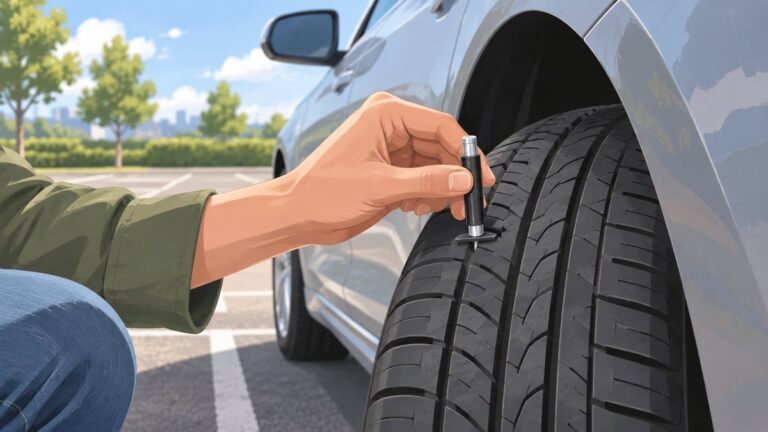
Advanced buyers or mechanics may bring an automotive compression tester, cooling-system pressure tester, and automotive multimeter, but tools do not replace a specialist inspection. Compression and leak-down readings require correct procedure and interpretation, and a normal reading does not clear the chassis, transmission, wiring, or import paperwork.
A Supra-specific Toyota Supra MK4 service manual is also useful for confirming model-specific procedures, specifications, wiring, and component differences. Select the correct market, engine, transmission, and model-year material; a generic or mismatched manual can create false confidence.
Common ownership risks
The strongest risks for a present-day buyer are age, modification history, corrosion, parts scarcity, and recall status—not one universal engine defect. The 2JZ’s reputation often causes buyers to overlook the rest of the vehicle.
Age-related deterioration
Even a low-mile car may need work because time affects rubber, seals, hoses, bushings, brake components, wiring insulation, weatherstripping, electronics, tires, and fluids. Long storage can be as consequential as high mileage. Ask when age-sensitive items were replaced, not only how many miles the car has traveled.
What’s actually slowing this PC down?
Pick the symptom - the matching free tool is one click away.
Cooling and fluid systems
Cooling-system neglect is particularly dangerous on a Turbo or modified car. Inspect radiators, hoses, clamps, fans, water pump, thermostat behavior, expansion and overflow plumbing, and evidence of past overheating. Also inspect oil, transmission, differential, brake, power-steering, and clutch-hydraulic fluids for condition, contamination, leaks, and service history.
Transmission, differential, and driveline
Listen for gear whine, differential noise, clunks on and off throttle, vibration under load, and backlash through the driveline. On manual cars, test every gear under appropriate conditions and look for clutch slip or hydraulic leaks. On automatics, check delayed engagement, flare, harsh shifts, kickdown, and overheating evidence.
Modification quality
The best modified Supras have a coherent combination of parts, conservative calibration, good wiring, documented maintenance, and a clear explanation of how the car was used. The worst have mismatched fuel and turbo systems, improvised wiring, unknown engine-management settings, repeated overheating, or a seller who cannot identify the parts installed.
Parts availability
Parts support is mixed. Toyota’s official parts site includes a Supra model path for genuine parts and accessories, while the A80 heritage program has reproduced selected components. Availability is limited and can vary by market, dealer, part, and time. Use Toyota’s genuine Supra parts catalog to investigate a specific component, then verify fitment and stock with a dealer.
Free tools Windows power users keep installed
One-click scans. No signup required.
Before buying a car with missing or damaged trim, glass, interior pieces, seals, bodywork, or model-specific mechanical parts, price those items and identify a realistic source. A specialty retailer may be useful, but inventory, fitment, return terms, and program availability must be independently verified rather than assumed from a generic parts listing.
Independent reader supportYour contribution helps us test, update, and keep practical guides available for everyone.Recall and safety checks
Certain 1997–1998 Toyota Supras were included in Takata airbag inflator recall 20V-033. The NHTSA recall report identifies affected Supra production from March 10, 1997 through August 3, 1998, and Toyota’s remedy notice lists approximately 700 Supra vehicles in the campaign. The broad production window does not mean every car was sold in the United States or that every car is affected.
Check the individual VIN through NHTSA and Toyota and obtain written confirmation that any open recall has been completed. Imported, stored, modified, or repeatedly resold cars deserve particular scrutiny because recall records may not follow the vehicle cleanly. Read the NHTSA recall report.
Recall completion addresses only the specific campaign. It is not a certification of the car’s structural, mechanical, electrical, or overall safety condition.
The Tool Desk
Outbyte Driver Updater FREEScan for outdated or missing drivers - takes under a minuteDriver Scan →Outbyte PC Repair FREERepair Windows errors before they cause bigger problemsFix Now →How to value a Mk4 Supra
There is no meaningful universal Mk4 Supra price. Value is configuration-sensitive and can change dramatically with:
- Turbo versus naturally aspirated specification.
- Manual versus automatic transmission.
- Left-hand drive versus right-hand drive.
- Originality and quality of modifications.
- Documented mileage and service history.
- Rust, accident history, title brands, and import provenance.
- Color, interior, options, body condition, and completeness.
Compare the subject car only with recent sales of genuinely comparable cars. A low-mile, original, well-documented Turbo six-speed is not a useful benchmark for a rusty NA project, an undocumented conversion, or a heavily modified import. A headline auction sale may represent an unusually preserved example; an apparently cheap car may need body, drivetrain, interior, title, import, and legal work that exceeds the purchase-price difference.
For a current starting point, use Toyota Supra valuation research while distinguishing valuation from an insurance quote. Hagerty emphasizes that condition, mileage, options, and history materially affect the number. A valuation tool cannot see hidden rust, poor tuning, title problems, or an undocumented engine swap.
A disciplined buying process
- Define the use. Decide whether the car is for collecting, weekend street driving, commuting, track use, restoration, or a modified performance build.
- Choose the market. Decide whether a U.S.-market left-hand-drive car is required or whether an imported right-hand-drive car is acceptable.
- Set documentation requirements. Reject cars without verifiable title, VIN or chassis identity, and ownership history.
- Screen remotely. Request a cold-start video and detailed photographs of the underside, engine bay, interior, VIN, title, import documents, and modifications.
- Hire an independent specialist. The seller’s mechanic or a shop paid by the seller is not independent.
- Perform the complete inspection. Use a lift, review fluids, scan supported systems, test compression or leak-down when appropriate, pressure-test the cooling system when justified, and conduct a road test.
- Calculate immediate costs. Include tires, brakes, cooling work, leaks, bushings, safety repairs, missing trim, deferred maintenance, registration, emissions work, shipping, and import or title costs.
- Make the offer from evidence. Base it on condition, documentation, and repair risk—not claimed horsepower, a Turbo badge, or the general 2JZ reputation.
- Preserve the history. Keep every receipt, factory label, original part, import document, inspection report, and recall record after purchase.
Walk away, negotiate, or proceed?
| Finding | Likely response |
|---|---|
| Unverifiable VIN, title, or customs entry | Walk away until independently resolved. Do not treat paperwork as a minor discount. |
| Structural corrosion, distorted pickup points, or concealed repair | Usually walk away unless the buyer has specialist restoration expertise and a documented repair budget. |
| Unknown engine swap or undocumented Turbo conversion | Value and inspect it as a custom project, not as an original example. |
| Wear items with clear diagnosis and available parts | Negotiate using written repair estimates. |
| Modified but professionally documented car | Proceed only if the build suits the intended use and the price reflects modification risk. |
| Outstanding recall | Require completion or a documented remedy plan before purchase. |
| Cosmetic flaws with sound structure and complete identity | Usually negotiable, but price rare trim and glass before assuming an easy repair. |
The buyer’s final checklist
- Is the car’s VIN or chassis identity verified on every document?
- Is it genuinely U.S.-market or imported, and does the specification match the claim?
- Does the imported car have customs-entry evidence and a registration plan for the destination state?
- Has the chassis been inspected on a lift for rust, accident repair, and distorted mounting points?
- Was the engine started cold and tested at operating temperature?
- Have cooling, oil, transmission, differential, brake, and clutch systems been checked?
- Is every modification documented, tuned, and supported by receipts?
- Have the Getrag six-speed or automatic transmission, driveline, brakes, suspension, and tires been evaluated?
- Do all electrical accessories work, with no hacked alarm or ECU wiring?
- Have rare or missing parts been priced and sourced realistically?
- Has the individual VIN been checked for open recalls?
- Does the purchase price leave room for age-related maintenance?
Sources and reference material
- Toyota U.S. newsroom: 1993–1998 fourth-generation Supra
- Toyota global vehicle lineage and Japanese-market specifications
- Car and Driver period instrumented Turbo test
- Classic Motorsports A80 buyer’s guide
- U.S. Customs and Border Protection: 25-year vehicle import guidance
- U.S. Customs and Border Protection: vehicle documentation guidance
- NHTSA Takata recall report 20V-033
- Toyota A80 GR Heritage Parts announcement
- Toyota genuine Supra parts catalog
- Hagerty Mk IV Supra valuation tool
Frequently Asked Questions
Is a 25-year-old Japanese-market Mk4 Supra automatically legal to register in the United States?
No. The federal import exemptions, customs documentation, EPA configuration requirements, state title and emissions rules, and insurance requirements are separate issues. Confirm the vehicle’s manufacture date, customs entry, title path, and destination-state requirements before buying or shipping it.
Windows Errors? Fix Them Before They Spread
Repair common Windows errors and clear accumulated junk for a smoother, more stable PC - no reinstall needed.Free scan · no reinstallCrashes, No Sound, or Screen Glitches?
Random freezes, missing sound and display glitches usually trace back to one bad driver. Find and replace yours safely.Free scan · under a minuteIs the naturally aspirated Mk4 Supra a better buy than a Turbo?
It can be. An NA car is often a more rational way to enjoy the A80 chassis and 2JZ character, while the Turbo is more desirable and usually more expensive. A sound, documented NA is a better purchase than a neglected or poorly modified Turbo.
Is the Mk4 Supra reliable because it has a 2JZ engine?
The engine architecture is a major part of the car’s reputation, but age affects the entire vehicle. Cooling systems, seals, hoses, wiring, transmissions, differentials, brakes, bushings, electronics, tires, and body structure all require inspection.
Should I buy a modified Mk4 Supra?
Only when the modifications are documented, professionally installed, correctly tuned, and compatible with your intended use. Treat claims such as needs a tune or just a sensor as unresolved faults until a qualified technician verifies them.
The Bottom Line
Buy the example, not the badge. The right Mk4 Supra has clear identity and provenance, solid structure, a documented specification, controlled modifications, and enough financial margin for age-related repairs. The 2JZ makes the A80 special, but careful due diligence is what makes a particular Supra worth owning.
Quick Recap
Product prices and availability are accurate as of the date/time indicated and are subject to change. Any price and availability information displayed on Amazon at the time of purchase will apply.