Start with what the sedan must do and what you can afford to own—not with a model or monthly payment. Set an all-in budget, compare specific cars on the same criteria, check the VIN and sale documents, and arrange an independent mechanical inspection before you commit. This guide covers U.S. dealer purchases; state rules, local prices, insurance costs and individual vehicle condition vary.
1. Define what the sedan needs to do
Write down the requirements that will shape your shortlist before browsing listings. The right car for a long commute may not be the right one for frequent passengers, bulky cargo or tight parking.
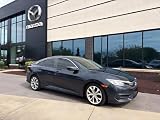


- How many people usually ride in the car, and do you need space for child seats?
- What cargo do you carry regularly?
- How long is your commute, and is it mostly city or highway driving?
- Do your parking space, weather or road conditions rule out particular sizes or features?
- Are there specific safety features or vehicle options you need?
Then research candidate years and trims for relevant safety information, options, repair records and mileage. The Federal Trade Commission’s dealer-buying guidance recommends considering the type of car you need, how you will use it and your budget, along with model, repair-history, safety and mileage information. The guidance does not establish one universally right sedan, age or mileage cutoff for every buyer.
2. Set an all-in ownership budget
Decide what you can comfortably spend on transportation as part of your household budget. Separate the purchase and financing costs from the costs of keeping the car on the road.
Recommended Free Tools
#1 Best Overall
- Purchase and loan costs: vehicle price, taxes, title and other fees, interest, and any optional products you choose.
- Running costs: insurance, fuel and routine maintenance.
A down payment or trade-in can reduce the amount you borrow, but does not pay future operating costs. Ask dealers for a written out-the-door quote—the full purchase price including taxes and fees—before visiting or negotiating. The FTC says this helps you confirm the vehicle is available, verify advertised discounts and identify extra charges. Ask what each add-on costs, and do not accept unexplained products as part of the deal.
Do not use the monthly payment as your affordability test. A longer loan or a higher interest rate can increase the total cost even when the payment looks manageable. Compare lender offers using the same vehicle price and down-payment assumptions. The Consumer Financial Protection Bureau’s affordability guidance explains costs that may raise the amount financed, while its auto-loan pre-shopping guidance discusses rate and term comparisons.
3. Compare individual cars on the same criteria
Once you have a practical shortlist, compare the actual sedans for sale rather than relying on a badge, advertised price or monthly payment. Record the same details for every candidate:
- VIN, year, trim and mileage
- Asking price and written out-the-door price
- Title and ownership history, plus recorded accidents or repairs
- Open safety recalls
- Independent inspection findings and estimated near-term repairs
- Warranty or “as is” terms
- Expected insurance, fuel and maintenance costs
- If financing: APR, term, finance charge and total sale price
For a price reference, the FTC names Kelley Blue Book, Edmunds and NADA Guides as vehicle-value and pricing services; it does not endorse them. Compare vehicles with reasonably similar year, trim, mileage and condition, and weigh any estimate against local written quotes and the car’s actual condition. A price range cannot tell you whether a particular car is mechanically sound.
4. Check the VIN, history and sale documents
Ask for the VIN and use it to check available records before spending time or money on a candidate. A vehicle-history report can help identify recorded title, insurance-loss, salvage, accident or repair information, depending on the provider and report. The FTC points shoppers to NMVTIS-approved providers for title, insurance-loss and salvage information, and says other services may include additional accident or repair data. It also identifies the NICB VIN check for flood damage, unrecovered theft and salvage indications.
Check the VIN for open safety recalls through NHTSA’s free recall lookup. A clean history report does not prove that an unreported event never happened, and no history report establishes the car’s current mechanical condition.
For a dealer sale, read the FTC Buyers Guide displayed with the car. It states whether the car is sold “as is” or with a warranty and outlines covered systems or terms. Dealers generally must display a Buyers Guide on used cars they offer; Maine and Wisconsin use their own versions. Have any promise to repair the car or allow cancellation put in writing in the relevant documents. The FTC cautions that spoken promises can be difficult to enforce.
5. Get an independent mechanical inspection
A history report and a dealer’s inspection claim are not substitutes for an independent examination. The FTC puts it plainly: “A vehicle history report is not a substitute for an independent vehicle inspection.” Hire a mechanic you choose, and ask for a written report identifying the car’s make, model and VIN, with necessary repairs and estimated costs.
Quick wins for a faster PC:
Repair Windows errors before they cause bigger problemsFix Now →Fix the driver behind crashes, sound loss and screen glitchesFind Drivers →Get the inspection even if the dealer calls the car certified or says it has already been inspected. If the dealer will not let you take the car to a shop, ask whether a mobile mechanic can inspect it or whether the dealer will take it to a facility you choose. If independent inspection is refused, consider another seller. Use the written findings to estimate near-term costs and decide whether to renegotiate or walk away; a consumer tool or checklist is not a replacement for the professional inspection.
Rank #4

- 【CUSTOM FIT FOR Toyota Corolla Sedan】These floor mats are compatible with 2020 2021 2022 2023 2024 2025 Toyota Corolla Sedan including hybrid. 3D laser scanning technology giving the front and back fully protection. Not for vehicles with vinyl floors, Please take out old floor mats before installing new floor liners.
- 【ALL WEATHER CAR FLOOR MATS】2023 Toyota Corolla hybrid floor mats for Sedan can be used all weather. Vehicle interior will be fully protected from rain, snow, sand, muddy water, stains, etc. These car mats keep your car tidy while Improve the resale value.
- 【DURABLE MATERIAL】 2022 toyota corolla floor mats made with high quality non-toxic and odorless 100% TPE material, environmentally friendly, odorless,wear-resistant,dirt-resistant, and easy to clean, ensures you are 100% safe even in extreme hot weather.
- 【FLOOR MAT EASY TO CLEAN】The textured skid-resistant surface of 2021 toyota corolla floor mats is easily cleaned, no need the vacuum cleaner or chemicals, simply shake them out or spray them down with a hose.
- 【NON SLIP DESIGN】Card buckle works with factory hooks and fasteners,keep your 2020 toyota corolla floor mats securely in place without additional fasteners, prevent sliding.
6. Compare financing offers and read the contract
Request complete written terms for each loan offer. Compare offers for the same vehicle price and down payment so the differences are meaningful.
| Loan term | What to compare |
|---|---|
| Rate and amount | APR and amount financed |
| Cost over the loan | Finance charge, number and amount of payments, and total of payments |
| Whole purchase | Total sale price, including the down payment |
Include optional products only if you knowingly want them, and make sure their prices are clear. The CFPB recommends reviewing credit reports before shopping because credit history can affect the rate offered. Its guidance also explains that rate-shopping inquiries may be treated together within an applicable credit-scoring inquiry window; check the CFPB’s pre-shopping guidance for details.
Before signing, read the completed disclosures and contract. Confirm the written terms match the negotiated deal, check that no blanks remain, and get copies. TILA disclosures show key loan terms. If something is unclear or uncomfortable, ask questions and do not sign until you understand it; the CFPB’s auto-loan closing guidance explains what to review.
Best Value

- Standard Size: One set contains 120 paper floor mats for cars, each size is 16*20 in. It can perfectly cover the main driving area of more than 90% of sedans, SUVs, MPVs and other models. You can cut it freely to adapt to special spaces
- Professional Protection Structure: The front of the disposable floor mats is a high-density kraft paper layer to quickly absorb moisture and dust; the back is covered with a thick polyethylene (PE) anti-slip film to effectively block liquid penetration. The combination of dual materials ensures 360° all-weather protection of the vehicle floor
- Innovative Cleaning Solution: Each paper car floor mat can be discarded directly after use, completely bidding farewell to the cumbersome cleaning process of traditional foot pads. Specially designed sheet packaging to be used at any time, reducing vehicle cleaning and maintenance time, and is an efficient and time-saving tool for outdoor travelers
- Specially Developed for Mobile Space: prevent sediment from being brought in the RV's home area, prevent water stains from penetrating at the yacht deck connection, isolate cargo in the SUV trunk, and protect against oil pollution in the camper kitchen area
- Aesthetic Design: The cute printed design adds natural aesthetic elements to the interior space while achieving efficient protection. Break the industrial sense of traditional protective equipment and achieve a balance between practicality and visual taste
7. Understand warranty, “as is” and return terms
Read the warranty terms rather than relying on a label such as “certified.” Find out what is covered, who performs repairs, how long coverage lasts, any mileage limits or deductibles, and what is excluded. An optional service contract is different from a warranty; check its exclusions and whether it duplicates protection already included with the car.
Ask for any return policy in writing. Federal law does not require dealers to give buyers three days to cancel a car deal. State rules may differ, and a dealer may choose to offer a return policy, so check the rules that apply where you are buying rather than assuming a cooling-off period exists.
Make the decision with a side-by-side comparison
Before choosing, confirm that each finalist meets the same practical needs, then compare its written price and loan terms, history, inspection findings, likely near-term repairs, safety and recall status, warranty terms, and expected running costs. A cheaper asking price or lower monthly payment is not enough if the car fails your needs, requires costly work or costs more over the life of the loan. Keep the quotes, inspection report and final sale documents so you can verify that the terms you agreed to are the ones in the contract.
Quick Recap
Product prices and availability are accurate as of the date/time indicated and are subject to change. Any price and availability information displayed on Amazon at the time of purchase will apply.
Do these 3 things before closing this tab:
1Repair Windows errors before they cause bigger problems2Fix the driver behind crashes, sound loss and screen glitches3Clear out junk files and repair common Windows errors



