Recommended Free Tools
You can drive a rear-wheel-drive (RWD) car in rain and snow, but safe travel depends on the tires, road and weather conditions, vehicle, and your inputs—not drivetrain alone. Slow down, leave more room to stop, and steer, brake, and accelerate smoothly. If roads are hazardous or visibility is too poor, delay the trip or wait somewhere protected.
What rear-wheel drive changes on slick roads
In a rear-wheel-drive car, engine power goes to the rear wheels. On a slippery surface, sudden acceleration can make those wheels spin and reduce control. That is a reason to use gentle throttle, not evidence that every RWD car is unsafe in winter. Tires, vehicle condition, road surface, weather, route, and driver inputs all affect how much grip is available. General safety guidance does not establish a special RWD-only driving technique or prove that one drivetrain can safely handle every trip.
As an Amazon Associate I earn from qualifying purchases.
Before you leave
Check weather, roads, and visibility
Check the forecast and traffic conditions before setting out. Consider postponing nonessential travel when roads are poor; current storms, closures, and local restrictions can change quickly. The NHTSA winter driving checklist recommends being prepared for winter travel, but carrying supplies is not a reason to drive in conditions that are unsafe.
Inspect tires and basic equipment
- Check tread and tire condition. NHTSA says tires worn to 2/32 inch of tread are unsafe and should be replaced; tread helps provide grip on wet and icy roads. See NHTSA tire guidance.
- Check tire pressure when the tires are cold. Use the pressure specified on the vehicle’s tire placard or in its owner’s manual, not the maximum pressure printed on the tire sidewall.
- Check that the wipers and lights work before driving in rain, snow, or low visibility.
- For a winter trip, consider NHTSA’s suggested supplies: a shovel, broom, ice scraper, abrasive material such as sand or kitty litter, jumper cables, flashlight, warning devices, blanket, phone and charger, water, food, and needed medicine.
Driving in rain
Rain reduces grip, and worn tires provide less wet-road traction and resistance to hydroplaning. Roads can be especially slick during the first half hour after rain begins, when water mixes with road grime and oil, according to the National Weather Service (NWS) rain safety guidance.
#1 Best Overall
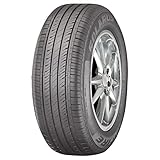
- 50,000 mile warranty
- All-Season Touring Tire
- Ideal for consumers looking for plenty of miles, good traction and fuel economy
- M+S Rated (mud and snow)
- Manufactured by Cooper Tire & Rubber Company
- Reduce speed gradually. Avoid sudden braking, acceleration, or steering.
- Leave extra following distance, especially in heavy rain, and use headlights so you can see and be seen.
- Never drive through floodwater. Water can be deeper or faster-moving than it appears.
- If visibility becomes too poor to see road edges or other vehicles safely, leave the road at the first safe opportunity and wait in a protected place.
Driving in snow and ice
On slick roads, drive slower than normal and leave more space to stop. The NWS recommends avoiding cruise control, quick braking, and sharp turns on winter roads. In an RWD car, start gently so the rear wheels are less likely to spin; avoid abrupt throttle, braking, and steering inputs, and begin braking earlier than you would on dry pavement.
- Watch for ice in shaded areas and on roads that otherwise look clear.
- Avoid untreated wet ice or freezing rain until roads can be treated; this advice also appears in a vehicle manual hosted by NHTSA.
- If conditions are hazardous, postpone nonessential travel rather than relying on a particular drivetrain or driving maneuver to overcome them.
These precautions focus on reducing the chance of losing traction. They are not a universal skid-recovery procedure. For instructions about traction control, stability control, or other vehicle systems, follow the owner’s manual for your specific car.
Rank #2
- 50,000 mile warranty
- All-Season Touring Tire
- Ideal for consumers looking for plenty of miles, good traction and fuel economy
- M+S Rated (mud and snow)
- Manufactured by Cooper Tire & Rubber Company
Choosing tires for rain, snow, and ice
Choose tires using the vehicle’s approved sizes and the manufacturer’s guidance; RWD by itself does not determine tire fit or the best option. NHTSA says winter tires are more effective than all-season tires in deep snow. A Tire Industry Association document hosted by NHTSA recommends winter tires on all wheel positions and notes that vehicle control under braking and cornering in winter conditions depends especially on the rear tires. Read the winter tire guidance hosted by NHTSA alongside your vehicle and tire manufacturers’ recommendations.
Free tools Windows power users keep installed
One-click scans. No signup required.
Before buying or fitting tires, compare the approved tire size, suitability for local winter conditions, tread and wet-road needs, and manufacturer recommendations. Do not treat fitting winter tires only to the rear axle as a universal rule. Chain fitment and permitted use also depend on the exact vehicle and tire setup, the owner’s manual, and the route’s jurisdiction; check all of these before purchasing or installing chains.
Rank #3

- Designed for use on passenger cars and sedans
- Backed by a 70,000 mile limited manufacturer tread life warranty
- Three Peak Mountain Snowflake certified for use in moderate to severe winter conditions
- Multiple siping arrangement improves traction and grip in wet and winter conditions
- Three wide circumferential grooves evacuate water and slush for increased wet and winter traction
When to stop or postpone the trip
Delay nonessential travel when roads are hazardous. In heavy rain, do not continue if you cannot see road edges or vehicles at a safe distance; pull off safely and wait in a protected place. Never use emergency supplies as a substitute for judging whether a trip is safe.
Quick Recap
Best Value
- 50,000 mile warranty
- All-Season Touring Tire
- Ideal for consumers looking for plenty of miles, good traction and fuel economy
- M+S Rated (mud and snow)
- Manufactured by Cooper Tire & Rubber Company
Rank #4

- 3PMSF WINTER CERTIFIED - Three Peak Mountain Snowflake (3PMSF) certified to meet industry standards for severe snow service, providing enhanced traction in snow while maintaining dependable all weather performance.
- DEPENDABLE ALL-SEASON PERFORMANCE - Asymmetric tread design delivers reliable traction and responsive handling on dry roads, wet pavement, and in light snow for confident year-round driving.
- ENHANCED STABILITY & PRECISE CONTROL - Strong outer shoulder blocks improve cornering stability, while optimized 3D sipes increase traction and steering precision for greater confidence behind the wheel.
- WET WEATHER & QUIET RIDE - Four wide circumferential grooves efficiently evacuate water to improve wet-road traction, while the multi-pitch tread pattern helps reduce road noise for a quieter, more comfortable ride.
- Premium Quality Backed by 5-Year Warranty: Rigorously tested and protected by 5-Year Limited Manufacturer's Warranty. 60,000 Mile Limited Tread Wear Out Warranty and 3-Year Road Hazard Warranty.
Product prices and availability are accurate as of the date/time indicated and are subject to change. Any price and availability information displayed on Amazon at the time of purchase will apply.




