To give a car-warranty claim the clearest record, keep the warranty and purchase documents, log each occurrence of the defect, and make sure every service visit is described accurately on the repair order. Then use the claim process in the warranty and keep copies of your requests and the company’s responses. These steps help establish what happened and when; they do not, by themselves, determine whether a particular repair is covered.
This guide covers general U.S. consumer steps. Warranty terms, state laws, and available remedies vary, so the vehicle’s documents and the law where you live control.


As an Amazon Associate I earn from qualifying purchases.
What to gather before you contact the dealership
Start with the documents that define the coverage and establish the vehicle’s history. The Federal Trade Commission (FTC) advises consumers to keep the warranty and proof of purchase. Gather the following before submitting a claim or authorizing work:
- The written warranty. Find the booklet or electronic warranty that applies to your vehicle. Check the coverage period and mileage limit, covered systems, exclusions, required notices, and instructions for making a claim. Do not assume that a general description of the warranty answers whether this specific defect is covered.
- Purchase or lease records. Keep the purchase or lease agreement, proof of purchase, and the date the vehicle was acquired. These records can help identify which warranty or contract applies.
- Maintenance and repair records. Collect service invoices, completed repair orders, estimates, and any diagnostic or inspection notes you have. Keep records from earlier visits, including visits where the shop did not find or reproduce the problem.
- Any separate service contract. A separately purchased service contract—sometimes marketed as an “extended warranty”—is not the same thing as a warranty included with the vehicle. Find its terms, administrator, claim instructions, and authorization requirements. The FTC’s 2024 guidance on auto warranties and service contracts distinguishes these products; the contract itself determines the process for a service-contract claim.
Make copies or scans for your own records and keep original documents and media intact. Note the vehicle identification number (VIN) and current odometer reading. If the paperwork does not clearly identify the governing warranty or contract, ask the seller, dealer, manufacturer, or named administrator which document applies before relying on a claim route.
How to document a car problem for warranty repair
Write down each occurrence close to when it happens. A clear, dated record can help you describe an intermittent symptom consistently and show the sequence of events without relying on memory. The FTC’s auto-repair guidance recommends recording dates, times, expenses, and names in repair disputes.
For each occurrence, record:
- Date, approximate time, and odometer reading. Include the mileage when the problem occurred, not just the mileage at the next shop visit.
- What the car was doing. Describe observable behavior in plain language. Note the location and conditions, such as whether it happened at startup, at a particular speed, in certain weather, on a particular type of road, or in a particular operating mode.
- What you observed. Record warning lights, dashboard messages, sounds, smells, loss of function, or other visible signs. Transcribe any message as accurately as possible rather than replacing it with a guess about the cause.
- Any effect on safe operation. Note whether the symptom affected your ability to drive safely and what you did in response—for example, stopped driving or arranged a tow. Do not put yourself or others at risk to capture evidence.
- Supporting media. If safe and lawful, take a photo or video that shows the symptom. Keep the original file and note when it was recorded. Media can document an observable event, but it does not replace a written description or the shop’s inspection.
- Contacts and commitments. For every dealer, manufacturer, or contract-administrator contact, record the date, the person’s name and role, how you contacted them, what was discussed, and any promised follow-up.
- Expenses. Save receipts for towing, rentals, diagnostics, and other costs related to the problem. Record the date and what each charge was for.
A simple log can be kept in a notebook or a digital document. For example:
Date/time: 14 May, about 7:40 a.m.
Odometer: 28,410 miles
Conditions: First start of the day, driveway, cool and dry
Observed: Dashboard displayed “[transcribe the actual message]”; engine hesitation for several seconds
Safety or use impact: Did not enter traffic; shut the vehicle off
Evidence: Original video saved with this entry
Follow-up: Called dealer; spoke with service adviser; appointment requested
This is an illustrative format, not a diagnosis or a claim that any particular symptom is covered. Keep the original records, repair documents, receipts, and media even if you also maintain a summary log.
Free tools Windows power users keep installed
One-click scans. No signup required.
What should I ask the dealership to put on the repair order?
Ask the service department to record your complaint in the repair order in language that accurately describes what you experienced. A useful entry identifies the symptom, when or under what conditions it occurs, and any warning message. It should not substitute a presumed cause for the behavior you actually observed. The repair order is the shop’s record of the visit, so review it while you can still ask for an inaccurate or incomplete description to be corrected.
At booking and intake
- When booking, describe the symptom plainly, say when it occurs, and explain whether it affects safe operation. If the issue is intermittent, say so and describe the circumstances you have recorded.
- At intake, ask the adviser to include the complaint on the repair order. Read the wording and ask for a correction if it leaves out an important detail or says something you did not report.
- Note the intake odometer reading and ask for a copy of the repair order. Keep it with your defect log and earlier service records.
- Before authorizing paid diagnostic or repair work, review the estimate and ask what charges you are authorizing. Follow the warranty’s procedures for obtaining approval where they apply; do not assume a potentially reimbursable charge will be covered.
At pickup
Ask for the completed repair order or invoice and check that it records the complaint, intake and completion odometer readings, diagnostic or inspection work, parts, labor, charges, and the result of the visit. FTC auto-repair guidance identifies repair details, parts and their costs, labor, and odometer readings at intake and completion as useful repair-order information. If the document is inaccurate or incomplete, ask the service adviser to correct it and keep the corrected copy.
Keep the estimate and completed order even if the dealer made no repair or charged nothing. A record of what the shop inspected and found—or did not find—helps make the service history intelligible. Do not authorize unrelated work just to build a warranty record; follow the warranty terms and the shop’s safety advice.
What if the dealer says it can’t reproduce the problem?
Ask for the repair order to show both your complaint and the result: that the shop could not duplicate the symptom during that visit. A visit with no confirmed fault is still part of the timeline. Ask what inspection or diagnostic work was performed and request that the result be included in the completed paperwork.
Quick wins for a faster PC:
Scan for outdated or missing drivers - takes under a minuteDriver Scan →Repair Windows errors before they cause bigger problemsFix Now →Fix the driver behind crashes, sound loss and screen glitchesFind Drivers →If the symptom happens again, make a new dated log entry and bring copies of the earlier repair orders to the next appointment. Describe what happened on the new occasion and how, if at all, the conditions differed. This helps the shop see the reported history without treating an earlier unsuccessful attempt as proof that the problem never occurred.
Rank #3

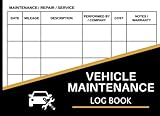
- 110 Sheets Log Book: This vehicle maintenance log book includes 110 record sheets to track repairs, services, fuel costs, and other vehicle-related expenses. It also comes with 36 convenient “Service Due” stickers to help remind you of upcoming maintenance schedules. Everything you need to keep your car records organized in one place.
- Detailed Information: Each page is carefully structured with dedicated sections for date, mileage, service description, parts replaced, vehicle information, cost, and additional notes. The clear and organized format allows you to maintain accurate records, monitor repair history, and better manage long-term vehicle performance and expenses.
- Enough Writing Space: The record sheets provide ample space for clear and thorough entries. Whether you’re documenting routine oil changes or major repairs, there’s plenty of room to write detailed information without feeling cramped.
- Easy to Use: The spiral binding allows the notebook to lay flat for comfortable writing, making entries quick and convenient. The included 36 “Service Due” stickers can be placed inside the book or on visible surfaces like your windshield or dashboard, helping you keep important maintenance reminders in sight.
- Proper Size: This compact logbook measures 5.5” x 7.1”, which fits easily in your glove compartment, center console, backpack, or desk drawer. Its portable size ensures you can access and update your vehicle records anytime, whether at home, in the garage, or at the service center.
Do not try to recreate a dangerous condition on the road or alter the vehicle to make a symptom easier to demonstrate. If the behavior raises a safety concern, stop driving when appropriate and arrange a safe inspection or tow. A log and service record can clarify what you reported; they cannot replace a professional diagnosis.
How to submit a warranty repair request
Use the contact route and notice instructions in the warranty that applies to the vehicle. The FTC’s July 2023 warranty guidance recommends keeping the warranty and receipt and explains that consumers can contact the seller and, if the problem remains unresolved, write to the manufacturer. The warranty may set out its own claim steps, so follow those rather than assuming every company uses the same process.
- Identify the claim correctly. Confirm whether you are contacting the vehicle’s warranty provider or a separate service-contract administrator. Use the appropriate document’s instructions and contact information.
- Give enough information to locate the vehicle and history. Include the VIN, current mileage, purchase date if relevant, a concise description of the symptom, and dates of prior visits. Attach copies—not the only originals—of relevant repair orders and other supporting records.
- State the request directly. Ask for inspection and repair of the reported condition under the applicable warranty. Describe what you want the company to do without declaring that coverage is already established.
- Keep a complete submission record. Save what you sent, the date and method of submission, any delivery confirmation, and the response. If you speak by phone, add the date, person’s name and role, and a summary to your contact log.
- Track the next step. Record any promised appointment, inspection, decision, or follow-up. If a deadline or notice requirement appears in the warranty, make a note of it and act promptly.
If you write to the manufacturer, the FTC recommends using a delivery method that provides evidence the company received your letter. Keep the letter and delivery record together. A copy of a request is useful, but it does not establish that a specific failure meets the warranty’s coverage terms.
Recommended Free Tools
How to dispute a denied car warranty claim
Ask for the denial in writing. Request the specific warranty provision relied on and the factual reason the company says it applies. Keep any diagnostic notes, inspection results, and written communications the dealer or manufacturer provides. Compare the stated reason with the actual warranty language and the repair history; if something in the record is wrong, ask the shop or company to correct or clarify it in writing.
The FTC explains that manufacturers generally cannot require consumers to use specified parts or services to retain warranty coverage unless those parts or services are provided free or the FTC grants a waiver. That rule does not mean every repair, aftermarket part, or modification is covered. The warranty terms and the facts still matter, including whether a particular repair or modification caused damage relevant to the claim. If the company cites a modification, maintenance issue, or other exclusion, ask it to identify the factual basis for applying that provision to this failure.
For a manufacturer-backed warranty, follow the warranty’s escalation route, which may begin with the selling or authorized dealership and then direct you to the manufacturer’s customer-care or warranty channel. If the issue remains unresolved, the FTC identifies state attorneys general and other consumer-dispute routes among possible options for used-car warranty disputes. A warranty may also require an informal dispute-resolution procedure; check the actual contract and applicable law, because using such a process may be a required first step before a lawsuit in some cases.
Independent reader supportYour contribution helps us test, update, and keep practical guides available for everyone.Which channel should you use: warranty, service contract, NHTSA, or a state agency?
These channels serve different purposes. A safety report or consumer complaint does not substitute for filing a warranty claim, and a warranty claim does not replace reporting a possible safety defect.
The Tool Desk
Outbyte PC Repair FREEClear out junk files and repair common Windows errorsFree Scan →Outbyte Driver Updater FREEFix the driver behind crashes, sound loss and screen glitchesFind Drivers →| Route | Purpose and decision-maker | Useful records and limits |
|---|---|---|
| Vehicle warranty claim | Seeks inspection or repair under the vehicle’s warranty; follow the claim route in the warranty and contact the responsible warrantor. | Warranty, purchase information, mileage, defect log, repair orders, and written communications are useful. The contract and facts determine coverage. |
| Separate service-contract claim | Seeks benefits under a separately purchased contract; contact the administrator named in that contract. | Use the contract’s notice, authorization, and documentation requirements. Its process is distinct from the vehicle warranty. |
| NHTSA safety complaint | Reports a possible vehicle safety defect to the federal safety agency. NHTSA considers complaints with other data for safety-trend analysis. | Describe the defect and vehicle accurately. A complaint may help identify a trend but does not decide ordinary warranty coverage or guarantee an investigation or individual remedy. |
| State consumer or motor-vehicle agency | May provide state-specific consumer assistance or information about applicable motor-vehicle rules. | Available procedures depend on the state. Use the relevant official state resource and provide the contract and repair history if requested. |
| Informal dispute resolution or legal advice | May address an unresolved contractual or legal dispute; the warranty or state law may affect the available process. | Check the warranty for any required procedure and consult a qualified lawyer for a substantial dispute. No general eligibility threshold or deadline applies across all states. |
NHTSA’s resources on investigations and recalls explain that consumer complaints are considered alongside other information and that there is no fixed complaint count that automatically opens an investigation. Its manufacturer-communications resources can help consumers look for recalls, manufacturer notices, bulletins, warranty or policy extensions, and product-improvement communications for a vehicle. These resources concern safety and manufacturer communications; they do not decide whether a repair is covered by an individual warranty.
Best Value

- Made in USA - Proudly produced in Ohio by a Veteran-owned business
- This book will help you remember your last oil change /last service appointment. You can easily track all services, mileage and maintenance for multiple automobiles - great for business or personal use.
- The yearly expense summary is a very important part of this book. The yearly summary page is a perfect tool for your tax prep and your budget. After every month you should log your total business miles and personal miles in the “Annual Mileage Summary” page.
- This book comes in two convenient sizes, 8.5” x 11” - perfect to fit into any binder or clipboard that you may use for business and 5” x 7” which is the perfect size to fit into your glove compartment!
- Our unique cover is a semi-rigid transparent cover that leads to a sturdy book that resists stains and wrinkles. Reorder SKU: LOG-100-57CW-PP(Auto-Maintenance)
The FTC says an unresolved problem with a company can also be reported to the FTC and a state attorney general. Such reporting is not a substitute for using the warranty’s claim process or for following a contract’s notice requirements.
When state lemon-law or other legal remedies may matter
Do not assume that repeated visits automatically qualify a vehicle for a buyback, replacement, or other lemon-law remedy. State laws differ in eligibility, notice rules, repair-attempt thresholds, deadlines, and remedies; details may also depend on the vehicle, ownership status, warranty, defect, and repair history. The information here cannot determine which rule applies to a particular vehicle.
Check the official consumer or motor-vehicle agency for the state involved and review the actual warranty and purchase documents. For a significant dispute, especially one involving a deadline or a requested legal remedy, consider advice from a qualified lawyer in that state. Keep documenting events while you check: a clear chronology can help explain the matter, but it does not extend a legal or contractual deadline.
PC Slower Than It Used to Be?
A free scan shows the junk files, broken settings and background clutter dragging Windows down - then fixes them in one click.Free scan · Windows 10 & 11Crashes, No Sound, or Screen Glitches?
Random freezes, missing sound and display glitches usually trace back to one bad driver. Find and replace yours safely.Free scan · under a minuteA practical record-keeping checklist
Keep one organized file, digital or paper, with dated entries and the source of each document. Before escalating a claim, check that you have:
- The applicable warranty or service-contract terms and claim instructions.
- Purchase or lease documents and proof of purchase.
- A dated symptom log with mileage, conditions, observable signs, safety effects, and any related media.
- Copies of estimates, every repair order, completed invoices, and diagnostic or inspection results.
- A contact history with names, roles, dates, summaries, and promised follow-up.
- Receipts for towing, rentals, diagnostics, or other related expenses.
- A copy of each claim or escalation, the date and method it was sent, proof of delivery where available, and the response.
A vehicle logbook is optional; a notebook or digital file can serve the same organizational purpose. What matters is keeping a consistent timeline alongside the original warranty, purchase, and shop records.
Quick Recap
Product prices and availability are accurate as of the date/time indicated and are subject to change. Any price and availability information displayed on Amazon at the time of purchase will apply.




