Quick wins for a faster PC:
Clear out junk files and repair common Windows errorsFree Scan →Scan for outdated or missing drivers - takes under a minuteDriver Scan →The right motorcycle is the one that suits the riding you will actually do most—not the one with the broadest claimed versatility. Start with your route, ride duration, weather, passenger and luggage needs, then compare motorcycle styles against your experience and how confidently you can manage each bike at low speeds. A touring bike may make long highway days easier but feel cumbersome in a crowded commute; a light, upright bike may work well across different trips but offer less wind protection and storage. The best choice depends on those trade-offs and on the exact model, not its category name alone.
Start with the rides you expect to make
Before comparing motorcycles, describe a typical week and a typical longer ride. Estimate how often you will ride in stop-and-go traffic, travel at highway speeds, take weekend trips on country roads, or ride for several hours at a time. Include the roads and conditions you actually encounter: frequent stops, surface quality, weather exposure, and the speeds your route requires. A bike chosen for a short urban commute may solve a different problem from one chosen for regular long-distance touring.
As an Amazon Associate I earn from qualifying purchases.
Québec’s SAAQ buyer guide frames the decision in practical terms: will you ride in urban areas for short trips with frequent stops, or take longer weekend outings on country roads and highways? Use that contrast as a starting point, then add the details that change how the motorcycle will be used.
Windows Errors? Fix Them Before They Spread
Repair common Windows errors and clear accumulated junk for a smoother, more stable PC - no reinstall needed.Free scan · no reinstallOutdated Drivers Are Slowing You Down
One free scan finds every outdated or missing driver and matches the right update for your exact hardware.Free scan · exact hardware match- Commute: Note the amount of stop-and-go riding, the likely speed range, and how often you will have to maneuver or park in tight spaces.
- Touring: Estimate how frequently you expect to spend long periods on the road and whether you will carry luggage or a passenger.
- Weekend rides: Consider whether these are mainly paved-road outings, longer highway trips, or rides that include rougher roads or trails.
- Regular load: Decide whether work gear, other cargo, or a passenger is part of routine use rather than an occasional exception.
- Conditions: Account for the weather and wind exposure on your routes. A motorcycle’s protection and storage can matter more as trip length and luggage needs increase.
This is not a request to predict every future ride. It is a way to identify the regular use case that should carry the most weight when you choose. If commuting dominates, evaluate the bike as a commuter first; if long-distance travel is routine, judge its comfort and carrying capacity on that basis.
#1 Best Overall

- 2 Visors Included: Clear + Smoked and 1 Neck Scarf for Winter Use
- Streamlined Aerodynamic Design Reduces Wind Noise and Drag
- Advanced and Lightweight Durable ABS Shell
- Quick Release Clasp and Strap and Removable Inner Lining Pads
- Meets or Exceeds FMVSS-218 and DOT Safety Standards
What the main motorcycle styles trade off
Motorcycle categories are useful clues about posture, protection and intended use, not a universal ranking. The Motorcycle Safety Foundation (MSF) describes standards as all-around motorcycles with an upright seating position; sport bikes as more forward-leaning; cruisers as rearward-leaning; and touring motorcycles as built for longer-distance comfort, wind protection and storage, while heavier than most other types. Models within a category still differ, so use these descriptions to decide what to examine—not to assume that every bike in a class will fit.
| Style | What the category suggests | Questions to answer for your use |
|---|---|---|
| Standard / naked | MSF describes this style as an all-around motorcycle with upright seating. | Does the posture work for your mix of streets and weekend roads? Is the wind exposure acceptable for the length and speed of your commute? |
| Sport | MSF describes a more forward-leaning riding position. SAAQ cautions that sport motorcycles can demand more power management and low-speed skill. | Does the position suit you over the duration of your actual trip? Do your experience and licence suit the specific model? |
| Cruiser | MSF describes swept-back handlebars, forward footrests and a rearward-leaning position. | Does this posture fit your body and route? How does the bike’s size and weight feel when stopping and parking? |
| Touring | MSF describes long-distance comfort, a large fairing and bags, and greater weight than most motorcycle types. A U.S. Army guide also describes wind and weather protection with relaxed, upright seating. | Are long rides and luggage frequent enough to make the added size and weight worthwhile for your daily use? |
| Scooter | MSF describes step-through construction, often with under-seat storage, and usually an automatic transmission. | Does the route suit the exact scooter’s capability, and does your local licensing category cover it? Verify the model rather than assuming all scooters suit highway routes. |
| Dual-sport / adventure | The Washington operator manual lists dual-sports among motorcycle types. It cautions that small dual-sport motorcycles may not have the luggage capacity needed for multi-day touring. | Will you ride rough roads or trails? What compromises in seat height, luggage capacity and pavement comfort does the exact model make? |
Think of the table as a shortlist tool. For instance, an upright posture may make a standard worth sitting on for mixed street and weekend riding, but it does not establish whether a particular seat, handlebar position or amount of wind exposure will suit you. Likewise, a touring bike’s fairing and bags may address real needs on long trips, while its weight is a relevant disadvantage if your routine includes frequent low-speed maneuvering. The model and your route settle those questions.
Check the fit before you decide
A motorcycle should fit both the rider and the intended use. The American Motorcyclist Association (AMA) advises choosing a bike suited to the riding planned as well as the rider’s size and experience; Washington’s operator manual similarly emphasizes fit to the rider and intended use. A category label or a specification page cannot tell you how the bike feels under you, particularly at a stop or during a slow turn.
Rank #2

- 【DOT Certified & High-Impact Protection】 This full face motorcycle helmet meets or exceeds DOT FMVSS-218 standards, ensuring professional-grade safety. Built with a rugged ABS shell and energy-absorbing EPS, these motorcycle helmets dot approved provide ultimate defense for street bikes, cruisers, and sport bikes
- 【Optimized Airflow for All-Weather Riding】 Experience superior ventilation with 4 strategically placed air intakes and exhaust vents. This full face helmet design minimizes wind resistance and fogging, keeping you cool during summer rides and providing a reliable full face helmet adult option for rainy or cold weather
- 【Quick-Release Dual Visor System】 Adapt to any light condition with ease. Our full face helmet motorcycle features a tool-free quick-release system. Each order includes a pre-installed tinted shield plus a bonus clear visor, making these full face motorcycle helmets for men and women versatile for both bright days and night riding
- 【Washable Lining & Comfort Fit】 Maintain freshness on every journey with our fully removable and machine-washable interior. The moisture-wicking sponge padding makes these motorcycle helmets for adults incredibly comfortable for long-distance trips, ensuring a snug fit for these full face motorcycle helmets dot certified
- 【Complete Bundle & Perfect Sizing】 We include a premium carrying bag for easy storage and scratch protection. Whether you are searching for motorcycle helmets for women or men, TRIANGLE offers 4 sizes (S-XL) to ensure a secure fit. Please measure your head circumference to find the perfect full face motorcycle helmet for women or men
- Arrange an in-person fit check. Sit on each candidate motorcycle if possible. A dealer or other source with access to the bike may help you compare models, but treat the fit of the exact motorcycle—not the general class—as the test.
- Assess your posture. Check whether the seat, handlebars and foot controls let you adopt a comfortable, controlled position. Notice whether you have to reach or fold yourself into a posture that feels unsuitable for the trip duration you expect.
- Consider seat height at a stop. Think about whether you can manage the bike confidently when coming to a stop. Seat height is one part of fit; it should be considered alongside the motorcycle’s weight and the control you feel while stationary.
- Pay attention to low-speed handling. Consider how the bike feels when you balance it, maneuver it slowly and imagine parking it. A motorcycle that seems manageable on a brief sit may feel different in the low-speed situations that are routine on your route.
- Compare the full routine. Include luggage, riding gear and a passenger in the fit decision when they are part of your normal use. Check passenger comfort and the specific motorcycle’s capacity rather than assuming that every bike in a style can carry the same load.
Do not reduce this check to whether you can reach the ground or whether the bike looks comfortable in a photograph. Ask whether the whole arrangement—seat, bars, controls, size and weight—feels compatible with your body and the stops, parking and trips you plan to make.
Match power and handling to your experience
Experience should shape the choice, not just taste in styling. MSF says novice street riders traditionally begin on smaller motorcycles and notes that some sport-bike models are intended for experienced riders. SAAQ also cautions that sport motorcycles can require more power-management and low-speed skills. These points are reasons to assess the exact motorcycle honestly; they are not a claim that every bike in a style has the same demands.
If you are new to street riding, take training into account before choosing a machine. MSF recommends its Basic RiderCourse. Training can help you build the skills needed to handle a motorcycle, but it does not replace checking that the bike fits your ability, that you satisfy the rules where you ride, or that you can manage the particular model. Experienced riders should make the same model-specific assessment rather than treating past experience as a substitute for a suitable fit.
Rank #3
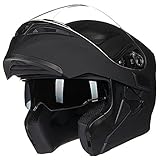
- High Resistance ABS Shell With Micrometrically Adjustable Strap
- Meets or Exceeds FMVSS-218 and DOT Safety Standards
- Helmet Liner / Cheek Pads are Lightweight, Soft and Easily Removable and Washable
- Sleek and Lightweight Design Reduces Wind Noise
- Modular Flip-Up Function Anti-Scratch, Anti-Fog and Wide View Clear Visor
Licensing rules and learner restrictions vary by jurisdiction. Check with the licensing authority where you will ride for the current requirements that apply to your licence and intended motorcycle. This matters particularly when comparing motorcycles whose engine or vehicle classification may affect what you are allowed to ride. The available guidance does not establish one set of rules for every location.
Compare protection, storage and safety equipment
Equipment can make a motorcycle better suited to a particular job, but confirm it on the exact model and model year. A fairing or other wind protection and luggage can be useful on longer journeys; additional size and weight may be a drawback in daily parking or low-speed maneuvers. A compact motorcycle may be easier to fit into a commuting routine but leave you with less built-in storage or protection. Decide which of those differences matters to your regular rides.
Check for safety features such as anti-lock braking systems (ABS), which New Zealand Transport Agency (NZTA) identifies as an example of a feature worth considering. Do not assume that a feature is fitted to every version of a motorcycle just because it appears on some model or in a category description. Verify its availability for the precise year and version you are considering, then check the applicable local requirements.
Rank #4

- Unmatched Protection & Durability:Built Tough for Extreme Adventures, Our Helmet Exceeds Expectations by Meeting FMVSS-218 and DOT Safety Standards. Its Robust Construction Safeguards Ensuring Ultimate Security as You Conquer the Toughest Terrains
- Convenient Flip-Flop Mechanism: Easy Switching Between Full-Coverage Helmet and Open Mode, This Modular Motorcycle Helmet Is Perfect for City Riding and Long-Distance Touring
- Stay Cool and Comfortable with Strategically Placed Vents That Ensure Maximum Airflow and Reduce Heat and Moisture Buildup During the Ride
- Comfortable Interior Lining: Enjoy the Cozy Plush Lining That Provides Long-Lasting Comfort Even on Long Rides
- The Modular Design Makes It Suitable for Snowmobiles, Dirt Bikes, Scooters, Bike Riding and More. With Its Innovative Features, It Is Sure to Be an Ideal Choice for Riders Looking for a Stylish, Comfortable and Safe Helmet!
Also make sure you have an appropriate helmet. NHTSA’s motorcycle guidance advises choosing the right helmet and getting accustomed to an unfamiliar motorcycle in a controlled area before riding it in normal conditions. Before each ride, inspect tires, brakes, lights and fluids. These practical checks apply regardless of whether the motorcycle is mainly a commuter, tourer or weekend bike.
Independent reader supportYour contribution helps us test, update, and keep practical guides available for everyone.Account for passengers and cargo
A motorcycle that feels suitable for solo commuting may not automatically be suitable for two-up trips or regular work luggage. Check passenger comfort and the specific model’s capacity. Evaluate where the load will go and how its placement affects balance and handling; do not treat the words “touring” or “adventure” as a substitute for verifying the bike and its equipment.
Free tools Windows power users keep installed
One-click scans. No signup required.
NHTSA advises securing cargo so it is balanced. It also advises adjusting suspension and tire pressure for added weight. Follow the motorcycle’s applicable instructions for those adjustments rather than guessing at settings. If a passenger or cargo is a normal part of your routine, include that load when assessing the motorcycle and its practical setup.
Best Value
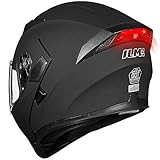
- High Resistance ABS Shell With Micrometrically Adjustable Strap
- Meets or Exceeds FMVSS-218 and DOT Safety Standards
- Helmet Liner / Cheek Pads are Lightweight, Soft and Easily Removable and Washable
- Sleek and Lightweight Design Reduces Wind Noise
- Modular Flip-Up Function Anti-Scratch, Anti-Fog and Wide View Clear Visor
Use a shortlist process that ends with the exact bike
Once you know your likely rides and priorities, compare a small number of motorcycles against the same questions. A consistent process makes it easier to see a genuine trade-off—for example, the difference between long-distance protection and low-speed manageability—without letting a style name decide for you.
- Write down your dominant use. State whether the bike will mainly handle an urban commute, longer highway and country-road trips, weekend recreation, or a defined mix. Add the typical duration, conditions, cargo and passenger needs.
- Choose categories to investigate, not a final winner. Use posture, wind protection, storage, size and weight to identify styles that may suit the plan. Keep more than one category in play if your use genuinely spans different types of riding.
- Check experience and local eligibility. Confirm that the specific motorcycle is appropriate for your skills and that you meet the licensing rules and any learner restrictions where you will ride. Seek training if you need to build foundational skills.
- Inspect the exact model and year. Verify features such as ABS, luggage provision, passenger capacity and other equipment on the actual version under consideration. Do not infer them from another year, trim or motorcycle in the same category.
- Test fit and low-speed confidence. Sit on the bike and assess the seat, bars, controls, posture, weight and handling at a stop and during slow maneuvers. Reject a candidate that does not feel controllable for your body and experience, even if its category sounds right.
- Recheck the choice against your real route. Ask whether the bike’s protection, storage and size suit the trips you make most often. If a feature helps only an occasional ride while creating a daily compromise, decide deliberately whether that trade is worthwhile.
- Plan for safe use from the start. Choose a suitable helmet, learn the unfamiliar motorcycle in a controlled area and make the recommended pre-ride checks. For passenger or cargo use, secure and balance the load and follow instructions for suspension and tire-pressure adjustments.
A comparison sheet can be as simple as one row per exact model and columns for your real priorities: posture and fit, stop-and-go manageability, highway exposure, storage, passenger suitability, verified safety equipment, and licensing eligibility. Record what you have confirmed and what remains unknown. That is more useful than assigning a vague “best” label to a motorcycle before checking its details.
What to verify before committing
Some ownership and regulatory questions cannot be answered for all motorcycles at once. Prices, insurance, fuel consumption, service costs, ABS fitment and legal requirements depend on factors such as the model, year, rider and jurisdiction. Compare current information for the exact bike and location rather than relying on a general figure or an assumption about its category.
Recommended Free Tools
- Exact model and year: Confirm equipment and capacity on the version you are considering, including whether ABS is fitted.
- Local rules: Check licensing, learner restrictions and other applicable requirements with your jurisdiction’s authority. NHTSA notes that motorcycle licensing rules vary by U.S. state; riders elsewhere should consult their own licensing authority.
- Use-specific fit: Revisit posture, weight, low-speed control, wind protection, luggage and passenger needs against the actual route and routine.
- Safe preparation: Select the right helmet, get familiar with an unfamiliar motorcycle in a controlled area, and check tires, brakes, lights and fluids before riding.
- Load setup: Secure cargo evenly and follow applicable guidance on suspension and tire pressure when carrying additional weight.
Motorcycle guidance should also be read with attention to dates and context. MSF’s About page states that 31 percent of motorcyclists who died in crashes were impaired, but the retrieved page does not identify a year for that figure. It should not be treated as a current annual rate. The useful practical point for choosing and riding is to make safety preparation part of the decision, not an afterthought.
How to make the final choice
Choose the bike that best fits your most common rides while remaining manageable for your experience and body. There may be no single motorcycle that excels equally at dense commuting, long-distance touring and recreational weekend routes. A category can suggest where a model’s strengths and compromises may lie, but fit, low-speed control, equipment, passenger and cargo capacity, and local eligibility need to be checked on the specific motorcycle.
If two candidates both suit your route, compare the compromises you will encounter most often. For a commuter who takes occasional tours, daily control and the amount of wind exposure on the commute may matter more than touring storage used a few times a year. For someone who regularly rides long distances with luggage, comfort, protection and carrying capacity may justify accepting a larger, heavier motorcycle. Your actual routine—not an abstract ranking of styles—should decide which compromise is acceptable.
Quick Recap
Product prices and availability are accurate as of the date/time indicated and are subject to change. Any price and availability information displayed on Amazon at the time of purchase will apply.
What’s actually slowing this PC down?
Pick the symptom - the matching free tool is one click away.




