A range-extended electric vehicle (EREV), also called a range-extended electric vehicle or REEV, uses an electric motor to drive the wheels and a fuel-powered engine to generate electricity when the battery needs more energy. It can also be charged from an external power source. In the traditional series layout, the engine does not mechanically drive the wheels. That separates it from a parallel hybrid, although some vehicles combine series and parallel operation and labels are not always used consistently.
How a range-extended electric vehicle works
A plug-in EREV has two ways to obtain electricity: it can draw power from a charger, or make electricity onboard using fuel. The main components and energy path are:
As an Amazon Associate I earn from qualifying purchases.
- Charging port and traction battery: Electricity from an external charger is stored in the high-voltage battery.
- Power electronics: An inverter and related electronics manage electricity flowing between the battery, motor and other parts of the drive system.
- Traction motor: The motor turns the wheels. During battery-powered driving, it draws electricity from the battery.
- Engine and generator: When the vehicle needs more energy, a fuel engine turns a generator. The resulting electricity can power the traction motor and, depending on the system, recharge the battery.
Braking can also recover some of the vehicle’s kinetic energy and return it to the battery. The driver can refuel the engine-generator at a filling station and charge the battery from a plug. ZF describes the traditional REEV as a series hybrid with electric propulsion, while noting that its own eRE+ design can connect the generator motor to the front wheels. That is why a model’s technical specifications matter more than its range-extender label alone. ZF’s range-extender overview explains the distinction.
How an EREV differs from other hybrids
“Hybrid” describes vehicles that combine an engine and electric motor; it does not specify one universal mechanical layout. The useful questions are whether the battery plugs in and which components can mechanically drive the wheels.
#1 Best Overall

- This generator is used in the electric car driving process in the case of non-stop output DC electric energy to drive the electric car motor work, and control the engine running and off, so that the output voltage is stable in the standard range (using rectifier regulator), the remaining power to the battery to supplement the charge.
- This 3kW gasoline range extender directly provides DC power to your electric vehicle's motor while driving, significantly extending your range. It's the ultimate solution for long journeys or trips to areas without charging stations.
- This system seamlessly works with a wide range of electric vehicles (48V, 60V, and 72V systems). Its built-in intelligent voltage regulator ensures the output voltage remains within a safe standard range, preventing damage to the vehicle's battery pack from overvoltage or high-current charging.
- Easy Installation, Suitable for Multiple Vehicles This on-board charging solution is designed for electric sedans, three-wheelers, four-wheelers, and utility vehicles. Large silencer exhaust pipe, low noise.
- Electric Start and Continuous Power Equipped with a convenient, enhanced electric start system, operation is quick and easy. The durable motor with pure copper coil ensures strong rotation of the drum and provides stable power output.
| Type | Can it charge from a plug? | How the wheels are driven |
|---|---|---|
| Traditional series EREV/REEV | Yes | The electric motor drives the wheels. The engine runs a generator rather than mechanically driving them. |
| Conventional/full hybrid (HEV) | Typically no | Varies by design: the engine, electric motor or both may propel the wheels. |
| Mild hybrid (MHEV) | Typically no | The motor assists the engine but, in Mazda’s general description, cannot propel the vehicle on its own. |
| Parallel hybrid | Not defined by the architecture | The engine and motor can each deliver propulsion to the wheels, separately or together. |
| Series hybrid | Not necessarily | The engine generates electricity; an electric motor drives the wheels. |
| Series-parallel hybrid | Not defined by the architecture | The system can use motor-driven operation in some conditions and connect the engine mechanically to the wheels in others. |
| Plug-in hybrid (PHEV) | Yes | Varies. Many familiar PHEVs have an engine path to the wheels, but plug-in hybrids can also use a series layout. |
The categories overlap: an EREV is commonly described as a series hybrid and can be considered a kind of plug-in hybrid. A series hybrid, by contrast, is not necessarily plug-in. Mazda’s hybrid-car explainer describes mild, full, parallel, series and plug-in hybrids; Transport & Environment also discusses EREVs as a specific plug-in-hybrid configuration in its 2025 PHEV report.
Does the EREV’s gas engine drive the wheels?
In the traditional series EREV layout, no: the electric motor drives the wheels, and the engine’s role is to turn a generator. But the answer depends on the named vehicle’s design. Some systems carrying a range-extender label allow the engine or generator motor to connect mechanically to an axle, and some plug-in hybrids can use both electric and engine-driven propulsion.
Rank #2
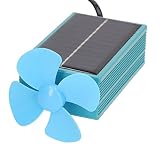
- Automatic Adaptation: This electric vehicle range extending generator has a maximum withstand power of 10000W motor, 12 to 125V battery universal, automatic adaptation to the battery.
- Applicable Batteries: This electric vehicle range extending generator is suitable for battery, lithium battery, graphene battery.
- Easy to Install: Electric vehicle range extending generator is light in overall weight, easy to install, high temperature and
- ABS and Insulation Material: Electric vehicle range extending generator is made of excellent ABS material and insulation material, and shockproof.
- Suitable Vehicles: Our electric vehicle range extending generator is suitable for a wide range of electric vehicles, such as electric tricycles, quadricycles and so on.
Honda’s e:HEV shows how one hybrid can change modes: Honda says it operates like a series hybrid at low to mid speeds, then directly connects the engine to the tires during high-speed cruising. ZF likewise describes its eRE+ as an expanded design that can connect the generator motor to the front wheels. These examples make it risky to infer the wheel-drive path from a badge or category name. See Honda’s e:HEV system explanation and ZF’s range-extender overview.
Recommended Free Tools
Examples that clarify the labels
BMW i3 with range extender
The BMW i3 with REX is a historical U.S. example, not a current new-car offering. Cars.com describes it as having a small two-cylinder gasoline engine, generator and small fuel tank. It illustrates the familiar engine-generator concept, but does not establish what a present-day vehicle with a range-extender label does. Cars.com’s overview discusses the example.
Rank #3

- Product Name: Strengthen the electric start Gasoline Engine Generator
- Voltage: 48-72V universal
- Power:3-8KW (Optional)
- Size: 350x330x350MM
- Weight:23KG
Chevrolet Volt
The Volt is often grouped with range-extended vehicles because it can drive electrically and use its engine to extend driving. Cars.com notes that its engine could also help drive the wheels in some conditions, so it is better described as a plug-in hybrid with range-extender-like operation than as an unambiguous strict series EREV. Cars.com covers that qualification.
Nissan e-POWER
Nissan says the wheels in its e-POWER system are driven exclusively by an electric motor, while the gasoline engine charges the battery. It is a clear series-hybrid example, but Nissan’s cited system description does not establish that it can be charged from a plug; it should not be treated as interchangeable with a plug-in EREV. See Nissan’s e-POWER description.
Rank #4

- HIGH EFFICIENCY: Equipped with 2 pcs fans to ensure efficient power generation, no power consumption and no heating, and
- MAIN FUNCTION: Solar wind extender, wind power generation, converted from low voltage to high voltage to electric vehicle battery.
- APPLICABLE BATTERY: Maximum bearing power 10000W motor, 12-125V universal, adaptive to all battery, such as lithium battery, graphene battery.
- ALUMINUM ALLOY: The generator shell is made of aluminum alloy and insulating material, shockproof and
- APPLICABLE VEHICLE: The solar generator is applicable to electric vehicle, electric tricycle, 4 wheel vehicle, etc., plug and play, simple and practical.
What electric driving share can you expect?
There is no single electric-driving share that applies to every EREV owner. It depends on charging access and use patterns, so a plug-in vehicle’s theoretical ability to run electrically does not guarantee that it will be driven mostly on electricity.
Do these 3 things before closing this tab:
1Scan for outdated or missing drivers - takes under a minute2Clear out junk files and repair common Windows errors3Fix the driver behind crashes, sound loss and screen glitchesTransport & Environment’s 2025 PHEV report cites a Bloomberg New Energy Finance estimate that 70% of the distance travelled by Chinese EREVs was in electric mode. The estimate is based on 2022 data from China’s National Big Data Alliance of New Energy Vehicles; the report calls for newer data to establish whether that rate persists as sales expand. It also cites European utility-factor estimates ranging from 15% to 70%, underscoring that results vary. Neither figure is a guaranteed outcome for an individual driver. Transport & Environment’s report provides the context.
Best Value

- Power loss auto start
- Full power protection shutdown
- Frequency conversion for high efficiency and fuel saving
- Controller free wiring
- One key electric start
How to check a specific EREV or hybrid
Before comparing vehicles, check the automaker’s specifications for the exact model year and market. A label alone does not establish the vehicle’s mechanical layout, electric range, charging capability or availability.
- Plug-in capability: Confirm whether the battery accepts external charging.
- Wheel-drive path: Find out which component mechanically drives each axle and whether the engine can ever drive the wheels.
- Electric and fuel range: Compare rated electric range and fuel range, including fuel use when the battery is depleted.
- Charging details: Check the supported connector and charging rate.
- Practical limits: Review performance, payload or towing limits, and purchase and operating costs.
- Fit with your routine: Consider charging access and typical trip length, since those affect how much of your driving can use plug-in electricity.
Honda’s explanation of series and series-parallel operation, Mazda’s definitions of hybrid types, and ZF’s discussion of range-extender layouts show why the wheel-drive path and plug-in capability are more informative than the broad label.
Quick Recap
Product prices and availability are accurate as of the date/time indicated and are subject to change. Any price and availability information displayed on Amazon at the time of purchase will apply.
What’s actually slowing this PC down?
Pick the symptom - the matching free tool is one click away.




