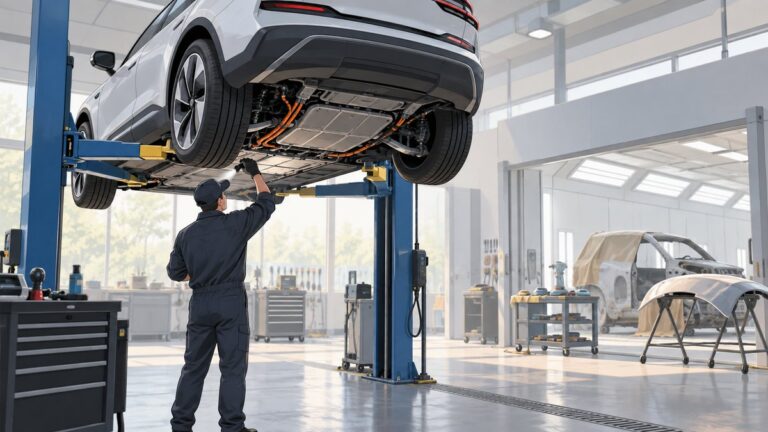
Formula E cars are fully electric; Formula 1 cars remain hybrids, combining a combustion engine with electrical power. That difference shapes how each series uses energy, designs its cars and builds race strategy. But no single speed figure settles which is faster: acceleration, top speed, lap time and race pace measure different things, and the published figures below are not from a controlled head-to-head test.
This comparison separates Formula E’s GEN3 Evo from its planned GEN4 car, due in 2026/27, and considers Formula 1 under its 2026 regulations.
As an Amazon Associate I earn from qualifying purchases.
At a glance: the key differences
| Category | Formula E | Formula 1 |
|---|---|---|
| Powertrain | All-electric. GEN3 Evo is the current generation described in Formula E’s technical material; GEN4 is planned for 2026/27. | Hybrid power unit with a 1.6-litre V6 turbo combustion engine and electrical power under the 2026 regulations. |
| Published power figures | GEN3 Evo: up to 350 kW. Planned GEN4: 450 kW race power and up to 600 kW in ATTACK MODE, according to Formula E. | The 2026 MGU-K is specified at 350 kW; Formula 1 describes the power split as roughly half electrical and half from the combustion engine. |
| Energy | Regenerative braking is central to the all-electric car’s energy use. | The hybrid system recovers and redeploys electrical energy alongside combustion-engine power and advanced sustainable fuel. |
| Race strategy | Group qualifying and knockout duels, ATTACK MODE and, in the described standard E-Prix format, PIT BOOST. | Hybrid energy management, active aerodynamics and a conditional electrical overtaking aid under the 2026 rules. |
| Aero and tyres | Planned GEN4 specifications include high- and low-downforce configurations, grooved all-weather tyres and a full-wet option. | The 2026 rules introduce active front and rear wings and smaller, lighter cars; 18-inch wheels remain. |
How the powertrains differ
Formula E: electric power and energy recovery
Formula E’s GEN3 Evo uses an electric powertrain, with no combustion engine in the car. Formula E lists 300 kW race power, up to 350 kW, a 320 km/h top speed and up to 600 kW of regenerative braking for the generation. The series says the car recovers more than 40% of race energy through regeneration. These figures describe Formula E’s technical specifications, not a direct comparison with an F1 car measured in the same conditions. Formula E: Our Electric Race Cars & Technology
What’s actually slowing this PC down?
Pick the symptom - the matching free tool is one click away.
The next generation is planned for 2026/27. Formula E specifies GEN4 at 450 kW race power, up to 600 kW in ATTACK MODE, 700 kW maximum regenerative braking and up to 55 kWh of usable race energy. The series projects a top speed of 335 km/h and says over 40% of race energy can be recovered. These are announced specifications for a forthcoming car, not results from a completed competitive season. Formula E: GEN4 specifications
#1 Best Overall

- Authentic Formula 1 Styling – Realistic race-inspired design and proportions
- Authentic Race Car and Driver's Helmet Details
- Collector-Scale Model – 1:24 scale ideal for shelves, desks, and displays. Includes Acrylic Box with Decorative Sleeve
- Authentic Race Car and Driver's Helmet Details for #4 Lando Norris
- Free-Rolling Wheels – Smooth-rolling wheels for display or light play
Formula 1: a hybrid with a larger electrical contribution
Under the 2026 regulations, F1 retains a 1.6-litre V6 turbo hybrid architecture. Formula 1’s explanation says the MGU-K’s output rises from 120 kW to 350 kW, the MGU-H is removed, and the power contribution is intended to be roughly 50:50 between electrical energy and the combustion engine. The fuel is described as advanced sustainable fuel. F1 is therefore not becoming an all-electric series. Formula 1: 2026 power-unit regulations explained
Are Formula E cars faster than F1 cars?
It depends on what “faster” means. Formula E says the GEN3 Evo accelerates from 0–100 km/h in 1.86 seconds (0–60 mph in 1.82 seconds) and claims that is 30% quicker acceleration than a current F1 car. That is Formula E’s published comparison, not an independently measured head-to-head result. The series also estimates GEN3 Evo delivers a 2% performance gain over GEN3 and roughly two seconds faster qualifying at Monaco; both are estimates from its own material. Formula E: Our Electric Race Cars & Technology
Acceleration does not tell you top speed, lap time or race pace. Formula E publishes a 320 km/h top-speed figure for GEN3 Evo and projects 335 km/h for GEN4. The cited F1 material does not provide directly comparable official 2026 acceleration or top-speed figures. There is also no same-circuit, same-conditions independent test in the cited official sources that ranks the series’ cars overall. Maximum power figures should not be treated as if they were continuously available under identical conditions.
Rank #2
- Officially Licensed Replica – Authentic styling and branding from the original manufacturer
- Die-Cast Metal Construction – Durable metal body with detailed plastic components
- Highly Detailed Design – Realistic exterior styling and interior details
- Free-Rolling Wheels – Smooth movement for display or play
- Perfect for Collectors & Kids – Great gift for automotive fans
How race strategy differs
Formula E: qualifying, ATTACK MODE and PIT BOOST
Formula E qualifying begins with group sessions and progresses to knockout duels. ATTACK MODE asks a driver to arm the system and pass through a designated activation zone away from the optimum racing line. The detour can cost time or track position in exchange for temporary extra power. Formula E’s rules page describes a six-minute ATTACK MODE window for E-PrixUnleashed and eight minutes for a standard E-Prix in the 2026/27 formats. Formula E: Rules & Sporting Regulations
In the standard 45-minute E-Prix format described on that page, PIT BOOST is a required mid-race stop: a 30-second, 600 kW pit-lane boost that adds 3.85 kWh, or 10%. The rules specify a state-of-charge range for taking the boost. Sporting formats can change by season, so these details apply to the format described for 2026/27, not automatically to every Formula E race.
Formula 1: hybrid deployment and active aero
F1’s 2026 package uses a different set of strategic tools. It adds active front and rear aerodynamics, hybrid energy management and a conditional electrical Manual Override system for a driver within one second of the car ahead. Rather than a detour for a temporary power mode or a mandated energy-boost stop, the regulations combine electrical deployment and aerodynamic changes with an overtaking aid. Formula 1: 2026 regulations and active aerodynamics
Rank #3
- Ferrari Die-Cast Race Vehicle in 1/43 scale
- Authentic Race Car and Driver's Helmet Details
- Acrylic Box with Decorative Sleeve
- 2025 Season Car
Car design, aerodynamics and tyres
Formula E’s announced GEN4 specification offers high- and low-downforce body configurations and grooved all-weather tyres, with a full-wet option. GEN3 Evo uses Hankook iON all-weather tyres; Formula E says their compound includes 35% recycled and sustainable materials. The latter is a tyre-material claim, not a measure of the full car’s environmental impact. Formula E: Our Electric Race Cars & Technology Formula E: GEN4 specifications
Do these 3 things before closing this tab:
1Repair Windows errors before they cause bigger problems2Scan for outdated or missing drivers - takes under a minute3Clear out junk files and repair common Windows errorsFor F1 in 2026, the regulations call for smaller and lighter cars, active front and rear wings, and continued use of 18-inch wheels with tyre widths changed from the previous generation. Formula 1 says the rules reduce downforce by 30% and drag by 55%; those are the regulator’s design claims, not a claim that one series’ cars necessarily have better grip or handle better. Formula 1: 2026 regulations and active aerodynamics
Independent reader supportYour contribution helps us test, update, and keep practical guides available for everyone.What the sustainability claims do—and do not—show
Formula E says GEN4 has 100% reusable construction, more than 20% recycled content and over 40% race-energy recovery. Those are specifications and claims for the forthcoming generation. For F1, the 2026 rules pair a larger electrical contribution with advanced sustainable fuel. These describe different parts of the cars and regulations, not a like-for-like environmental score.
Rank #4

- FERRARI F1 TOY CAR – Boys and girls ages 10 and up and Ferrari fans can build, display and race the LEGO Speed Champions Ferrari SF-24 F1 Race Car and driver set
- 1 DRIVER MINIFIGURE – This vehicle set includes a driver minifigure wearing a special Ferrari outfit and a winged helmet for kids to place inside the cockpit and role-play thrilling race action
- AUTHENTIC DETAILS – F1 race car with design details from the real-life 2024 version, including a rear wing, a halo bar, sponsor stickers and wider rear tires imprinted with “Pirelli”
- F1 FUN FOR THE WHOLE FAMILY – Race for the checkered flag alongside the whole family with other building sets (sold separately) in the LEGO F1 range
- BUILD & DISPLAY – After kids have enjoyed playing out racing stories with the Ferrari F1 toy, they can display it on a shelf or bedside table
The cited official material does not provide a harmonized lifecycle assessment comparing the full environmental impact of the two championships. Energy recovery, recycled-material content and fuel policy should therefore be reported separately rather than used to declare an overall sustainability winner.
Which series is the better fit for a fan?
The engineering differences suggest different things to watch. Formula E makes energy conservation, regeneration, activation-zone choices and pit-boost timing visible strategic factors. F1’s 2026 rules put emphasis on managing a hybrid power unit, using active aero and deploying a conditional overtaking aid. A fan interested in electric-only racing will find that in Formula E; someone drawn to a combustion-and-electric hybrid formula will find it in F1. Neither distinction establishes which championship is better: that depends on what kind of racing and technology you most want to follow.
Quick Recap
Product prices and availability are accurate as of the date/time indicated and are subject to change. Any price and availability information displayed on Amazon at the time of purchase will apply.