Do these 3 things before closing this tab:
1Clear out junk files and repair common Windows errors2Fix the driver behind crashes, sound loss and screen glitches3Repair Windows errors before they cause bigger problemsFord’s next F-150 Lightning will use a gasoline generator to extend the truck’s electric range. The generator will not directly drive the wheels: Ford says electric motors will provide all propulsion. Ford estimates more than 700 miles of total range and is targeting long-distance towing and cross-country travel, but final specifications, pricing and launch timing are still unknown.
Ford is putting electric drive back at the center of the next Lightning
Ford’s next-generation F-150 Lightning will be an extended-range electric vehicle (EREV), not a conventional hybrid. The truck will use electric motors to propel the wheels, while a gasoline-powered generator produces electricity when the battery needs support. Ford estimates more than 700 miles of total range and says the arrangement is intended to make long-distance towing and cross-country travel easier.
As an Amazon Associate I earn from qualifying purchases.
That is a significant change from the current F-150 Lightning, which is a battery-electric pickup that depends entirely on stored electricity for propulsion. It is also not a retreat from electric drive itself. Ford is changing how a large electric truck carries energy, adding gasoline as an onboard source of electricity rather than using a gasoline engine to mechanically drive the wheels.
What Ford has confirmed
Ford announced the next-generation F-150 Lightning EREV on December 15, 2025. The company described it as a “no-compromise” truck combining electric torque and quiet operation with a generator-backed estimated range of more than 700 miles.
#1 Best Overall

- 𝗣𝗼𝘄𝗲𝗿𝗳𝘂𝗹 𝗢𝘂𝘁𝗽𝘂𝘁 - 4400 peak watts and 3400 running watts, perfect for RV camping and home backup
- 𝗠𝘂𝗹𝘁𝗶-𝗢𝘂𝘁𝗽𝘂𝘁 𝗢𝗽𝘁𝗶𝗼𝗻𝘀 - Includes 2*120V AC ports, 1*12V DC port, 1*RV port
- 𝗟𝗼𝗻𝗴 𝗥𝘂𝗻𝘁𝗶𝗺𝗲: Runs for up to 14 hours at 25% load with ECO mode, 2 gallon fuel tank with fuel gauge, allows you to check fuel levels at a glance, keeping you prepared
- 𝐋𝐨𝐰 𝐍𝐨𝐢𝐬𝐞: Under 72 dBA from 23FT away, this generator provides steady power for your home during a power outage or RV nights
- 𝗟𝗶𝗴𝗵𝘁𝘄𝗲𝗶𝗴𝗵𝘁 𝗮𝗻𝗱 𝗣𝗼𝗿𝘁𝗮𝗯𝗹𝗲: Only 56lbs, easy to move around
Ford has confirmed the following elements of the program:
- The truck will be called an F-150 Lightning EREV.
- Electric motors will propel the vehicle.
- A high-power gasoline generator will supply electricity to the electric propulsion system.
- Ford estimates more than 700 miles of total range.
- The design is aimed particularly at long-distance towing and cross-country use.
- The truck is expected to retain the ability to export electricity for uses such as work sites, campsites and home-outage situations.
- Production of the current-generation F-150 Lightning ends in 2025.
- The successor is planned for assembly at Ford’s Rouge Electric Vehicle Center in Dearborn, Michigan.
Ford has not yet announced a firm retail launch date or released the vehicle’s full specifications.
How the gas generator will work
An EREV generally uses a series-hybrid layout. The gasoline engine is connected to a generator, and the generator creates electricity for the battery and electric drive system. The engine does not ordinarily send mechanical power through a traditional transmission to the wheels.
The Tool Desk
Outbyte PC Repair FREERepair Windows errors before they cause bigger problemsFix Now →Outbyte Driver Updater FREEScan for outdated or missing drivers - takes under a minuteDriver Scan →Ford’s wording is especially clear: the future Lightning will be propelled 100 percent by electric motors. In practical terms, the truck should still respond like an electric vehicle. Electric motors can provide immediate torque, and the truck can operate quietly when the battery has sufficient energy. When a long trip depletes the battery, gasoline becomes the energy source for the generator.
The exact operating strategy is unknown. Ford has not disclosed the generator’s engine type, displacement, output, fuel-tank size, battery capacity or whether the generator will maintain a minimum battery charge, provide power only under certain conditions, or operate continuously during extended high-load driving.
Those details matter. A generator sized for efficient highway cruising may not provide the same sustained output needed for heavy towing on steep grades. The battery can supply short bursts of additional power, but the truck’s eventual performance will depend on the combined output of the generator, battery and electric motors.
Rank #2

- Powerful Output: 4400 peak watts and 3400 running watts, 2*120V AC ports, 1* 30A RV port, 1*12V DC port, 14 hours runtime at 25% load
- Gas Powered: 2 gallon fuel tank capital
- Features: Inverter technolog, ECO mode, EPA compliment, RV ready, overload protection, low oil shutdown, cold start technology
- Portable Generator: Weight 56lbs, lightweight and easy to move
- Note: All Oxseryn generators are functionally tested in the factory, so there may be a slight smell of gas when you receive it
Why Ford is adding gasoline to an electric truck
Ford’s stated problem is straightforward: large electric pickups can be excellent daily drivers but become more difficult to use on long towing trips. Towing increases energy consumption, and a trailer can make public charging stops slower and more complicated. Drivers may need to disconnect the trailer, find a charger with enough room, charge, reconnect and repeat the process along the route.
The EREV approach is Ford’s attempt to preserve the parts of an electric truck that customers value—quiet operation and electric torque—while reducing dependence on charging stations when traveling long distances. A driver could charge the battery before leaving, use electric power for much of the trip, and then refuel the generator with gasoline when the battery’s stored energy is no longer sufficient.
Ford says this should make long-distance towing easier. That is the company’s product rationale, not a final independently verified performance result. The announced “more than 700 miles” figure is an estimate, not an EPA-certified range rating, and Ford has not said how much of that range would be available while towing a specific trailer.
What the 700-mile estimate does—and does not—tell us
A range figure for an EREV can be interpreted differently from the range figure for a conventional battery-electric vehicle. The total represents energy from both the battery and the gasoline carried in the fuel tank. It does not mean the truck will travel more than 700 miles on battery power alone.
Real-world range will depend on factors Ford has not yet published, including:
Free tools Windows power users keep installed
One-click scans. No signup required.
- Battery size and the truck’s electric-only range
- Fuel-tank capacity
- Generator efficiency and output
- Speed, temperature and terrain
- Payload and trailer weight
- Trailer aerodynamics
- Whether the generator can maintain highway speed while towing without drawing down the battery
Until Ford releases EPA testing, towing ratings and fuel-economy figures, the 700-mile number should be treated as a headline estimate rather than a promise that applies to every configuration or use case.
Rank #3

- Portable Generator with 60W Solar Panel Included: with a big battery pack, ZeroKor 300W solar powered generator are powerful enough to charge smartphones,tablets,laptops,headphones or other outdoor small camping supplies(Tips:Using electrical appliances over 300W may damage the portable solar generator, especially some devices that are prone to heat or built-in air compressor such as coffee maker,Hair dryer, water pump etc )
- Multiple Charging outlets for camping gear with SOS Flashlight: with 2* 300W Max wall AC outlets, 1* DC port (9V-12.6V/10A max ), 3* 5V/3A Max USB ports, 1*quick charge USB port (5V/3A 9V/2A Max), Flashlight with reading mode and SOS mode for your outdoor Adventures, our portable solar power station offers a versatile charging solution,allowing you to charge your outdoor smart devices directly from a wall AC outlet
- Multiple Charging Optional, Solar Panel Charger 60W Included: ZeroKor portable power bank generator can be recharged by Home AC outlet, DC5521 13V-23V Solar Panel (Portable Power Station built-in MPPT), 12V Carport. Take the portable solar power bank generator with you on-the-go and never worry about power shortage,the portable AC outlet design makes it more suitable for Tent camping OFF-Grid
- Built in BMS(Battery Management System) : ZeroKor portable power station features short circuit protection, over-current protection, over-voltage protection, overload protection and overheating protection. The built-in cooling fan system will automatically start and stop according to the portable battery pack internal temperature during use. Acting as a portable solar power bank, it accommodates multiple devices simultaneously, making it perfect for indoor and outdoor use
- HIGH CONVERSION EFFICIENCY: ZeroKor solar panels 60W monocrystalline solar cell have a high conversion efficiency of 20.5%, and its performance is better than that of polycrystalline solar panels under the condition of insufficient light
Is this Ford abandoning electric vehicles?
Not exactly. Ford’s broader product plans include advanced hybrids, EREVs and fully electric vehicles. The company is adjusting the propulsion mix rather than eliminating electrification from its lineup.
The shift is more significant for large trucks and other work-oriented vehicles, where battery size, vehicle weight, towing demand and charging access can make a pure battery-electric configuration harder to use for some customers. An EREV lets Ford continue using electric propulsion while addressing the need for longer operating range without requiring an extremely large battery.
Outside reporting has characterized the move as part of a retreat from some large battery-electric programs and a costly restructuring of Ford’s EV strategy. That may provide useful business context, but it should be separated from what Ford has actually confirmed: the next Lightning will use an electric drivetrain with a gasoline generator, and Ford is changing its approach to large-vehicle electrification.
PC Slower Than It Used to Be?
A free scan shows the junk files, broken settings and background clutter dragging Windows down - then fixes them in one click.Free scan · Windows 10 & 11Outdated Drivers Are Slowing You Down
One free scan finds every outdated or missing driver and matches the right update for your exact hardware.Free scan · exact hardware matchWhat happens to the current F-150 Lightning?
The current F-150 Lightning remains a battery-electric pickup. Ford says production of that generation ends in 2025, after which the next-generation EREV is planned to be built at the same Rouge Electric Vehicle Center in Dearborn.
Current Lightning owners should not assume that the new truck will have identical specifications or accessories. The existing model has its own battery, charging system, bidirectional-power equipment and Pro Power Onboard configuration. Ford’s current technical and support documentation—not the future EREV announcement—is the appropriate source for present-day capabilities.
The current Lightning’s ownership ecosystem includes the Ford Charge Station Pro, Home Integration System, Home Backup Power software and utility-partner programs in selected markets. Depending on the vehicle configuration, installation and location, those products can help support home backup and energy-management functions.
Rank #4

- Portable & High Capability Portable Power Station 300w - with 9 x 5.5 x 7.5 inch body size, compact and easy carry on the go, 300 watt-hours capability of power, great companion for outdoor off-grid activities, 80000Amh sufficient to power for extending explore nature, camping, travel, hunting, and more
- Cleaner & Reliable Power Supply - 300 watt solar generator with smart battery management system manages, Two pure sine wave AC output provide stable power; cleaner power supply with built in lithium battery, easy to recharge; Equipped with 8 outputs: 2x 110V AC ports, 3x USB output (including 1x USB C 18W), 1x 12V Car port, 1x 12V DC, 1 x 24V DC 5.5x2.1mm barrel ports, multiple devices charge at the same time with both AC and DC outlets
- EnginStar 300w power station with multiple recharge options: EnginStar solar power generator can Quickly recharge with AC wall adapter stay at home(fully charge in 7 hours), connect with solar panel 12-25V solar panel (solar panel sold separately in EnginStar store) in sunny day outside, or car charger on the go of road trip
- ADVANCED PROTECTION SYSTEM: 300w battery pack equipped with overloading, over discharging, overcharging, overheating, and short circuits, reliable performance, extensively tested and certified by battery standards set by UL, 1000 cycles rechargeable power bank, longer life span
- Package Contain and Battery Maintain: 1*EnginStar Rechargeable Electrical Power Station, 1*User Manual, 1*Home Charger, 1*car charger cable, 12 months limited service time(from the date of purchase); Recommend fully charge it every 2-3 months to keep the power station in good work condition, recharge in time before drain all the power
Ford also offers Pro Power Onboard, which allows properly equipped current trucks to export electricity for tools, appliances and other loads. Ford has indicated that exportable electricity will remain part of the next Lightning’s product concept, but it has not yet confirmed that the future truck will use the same equipment, output levels or home-integration system.
Recommended Free Tools
Current-model charging equipment: check compatibility carefully
The next Lightning is still expected to be an electric-motor vehicle, but Ford has not confirmed its charging connector, charging cable, charging speed or compatibility with current Lightning equipment. Buyers should not purchase current-model hardware on the assumption that it will work with the EREV.
For owners of the current truck, a Ford F-150 Lightning charging cable can be a relevant ownership accessory, particularly as a replacement or backup cable. Verify the cable’s connector, amperage and vehicle compatibility before buying. This recommendation applies to current F-150 Lightning models unless Ford later confirms compatibility with the next-generation EREV.
The same caution applies to the Charge Station Pro, Home Integration System, backup-power equipment and other high-voltage hardware. Home-energy installations can also require electrical work, utility approval, compatible software and equipment that varies by market. They should be treated as a system, not as interchangeable accessories.
Independent reader supportYour contribution helps us test, update, and keep practical guides available for everyone.What remains unknown about the next Lightning EREV
Ford’s announcement establishes the basic architecture but leaves many purchase-critical questions unanswered:
Quick wins for a faster PC:
Clear out junk files and repair common Windows errorsFree Scan →Scan for outdated or missing drivers - takes under a minuteDriver Scan →Repair Windows errors before they cause bigger problemsFix Now →| Item | What is known | What is still unknown |
|---|---|---|
| Propulsion | Electric motors propel the truck. | Motor output, battery output and final drivetrain layout |
| Generator | A high-power gasoline generator will support the electric system. | Engine type, displacement, output, fuel economy and maintenance requirements |
| Range | Ford estimates more than 700 miles. | EPA rating, electric-only range and towing range |
| Towing | Ford says the system is intended to improve long-distance towing. | Maximum trailer rating, payload, hitch limits and performance under load |
| Charging | The vehicle remains electrically propelled, and charging is likely to remain relevant. | Connector, charging rate, cable, Charge Station Pro and home-integration compatibility |
| Power export | Ford says exportable electricity will continue as part of the concept. | Output, outlets, bidirectional charging and home-backup requirements |
| Pricing and availability | Additional details will come later. | Price, trims, options, firm launch date and market availability |
What this means for potential buyers
The EREV could be most compelling for buyers who want electric driving in daily use but regularly travel beyond the practical reach of a large battery-electric truck. It may also appeal to owners who tow long distances and consider charging logistics more disruptive than stopping for gasoline.
It will not automatically be the better choice for everyone. An EREV will still carry a gasoline engine, generator, fuel system and related components. That can add weight, maintenance requirements and mechanical complexity compared with a pure battery-electric truck. It also means the vehicle will not provide the emissions-free operation of a battery-electric truck once the generator is running.
Best Value
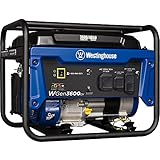
- 3600 Running Watts and 4650 Peak Watts; Recoil Start; 4 Gallon Fuel Tank With Fuel Gauge; Up to 14 Hours of Run Time Per Tank
- Feature Two 5–20R 120V Household Duplex Receptacle, One RV-Ready TT-30R 30 Amp Receptacle, and One L5-30R 30 Amp Receptacle; All Outlets Have Rubber Covers for Added Safety
- Plug-and-Play: Comes With Oil, an Oil Funnel, a Tool Kit, and a User’s Manual to Get You Started Right Out of the Box (Minimal Assembly Required)
- Powered by a 212cc Westinghouse 4-Stroke OHV Engine Featuring a Long-Lasting Cast Iron Sleeve With Automatic Low Oil and Carbon Monoxide (CO) Shutdown
- All Westinghouse Portable Generators are Functionally Tested in the Factory and May Contain Minimum Residual Oil and/or Fuel Odor; EPA Compliant; Backed by 3-Year Limited Service, Labor, and Parts Coverage with Nationwide Customer Service Network
For current Lightning owners, the announcement does not change the capability of the truck already in the driveway. For shoppers, it creates a reason to wait for final specifications if towing range, charging compatibility, price or home-backup operation is important to the purchase decision.
Bottom line
Ford’s next F-150 Lightning is planned as an electric truck with a gasoline-powered range extender. The gas engine is intended to generate electricity, not directly turn the wheels. Ford’s target of more than 700 miles and its focus on towing address real concerns about long-distance use of large battery-electric pickups, but the most important numbers—EPA range, towing range, generator output, price and charging compatibility—have not been released.
Until those details arrive, the safest description is an announced future EREV, not a launched vehicle and not a conventional hybrid. Ford is keeping electric propulsion while using gasoline to make a large truck easier to take farther from a charger.
Frequently Asked Questions
Will the next F-150 Lightning be a conventional hybrid?
No. Ford says the next-generation F-150 Lightning will be propelled entirely by electric motors. Its gasoline engine will power a generator that supplies electricity to the battery and electric-drive system rather than mechanically driving the wheels.
Will the new F-150 Lightning really go more than 700 miles?
Ford estimates more than 700 miles of total range, but that is not yet an EPA-certified figure. Ford has not published the truck’s electric-only range or its range while towing.
Why is Ford adding a gasoline generator to the Lightning?
Ford says the EREV is intended to improve long-distance towing by reducing the need for repeated public-charging stops. Final towing limits, fuel economy and performance under load have not been announced.
Will current F-150 Lightning charging equipment work with the EREV?
Do not assume so. Ford has not confirmed the future truck’s charging connector or compatibility with the current Charge Station Pro, Home Integration System, cables or other accessories.
When will the F-150 Lightning EREV go on sale?
Ford says production of the current-generation F-150 Lightning ends in 2025. The next-generation EREV is planned for assembly at the Rouge Electric Vehicle Center, but Ford has not announced a firm retail launch date.
The Bottom Line
Ford’s next F-150 Lightning will remain electrically driven, but a gasoline generator will recharge or support its electric system on extended trips. Ford estimates more than 700 miles of total range, especially to make towing easier, but EPA range, towing performance, pricing, launch timing and compatibility with current Lightning charging equipment remain unconfirmed.
Quick Recap
Product prices and availability are accurate as of the date/time indicated and are subject to change. Any price and availability information displayed on Amazon at the time of purchase will apply.
What’s actually slowing this PC down?
Pick the symptom - the matching free tool is one click away.




