Expect to pay roughly $40,000–$60,000 for an ordinary usable early Viper, $70,000–$110,000 for many desirable coupes and clean later cars, $120,000–$180,000 for strong factory performance variants, and $250,000–$300,000 or more for top documented fifth-generation ACR and GTS-R Commemorative examples. Those are broad U.S.-market buying bands, not appraisals. The Dodge Viper has five generations, and exact value depends on body style, factory specification, condition, originality, mileage, documentation, and recent comparable sales.
If you want the shortest useful answer, budget about $40,000–$60,000 for an ordinary usable early Viper, $70,000–$110,000 for many desirable coupes and clean later cars, $120,000–$180,000 for strong factory performance variants, and roughly $250,000–$300,000 or more for documented fifth-generation ACR and GTS-R Commemorative cars. Those are broad U.S.-market buying bands, not appraisals. The exact generation, body style, factory specification, condition, originality, mileage, history, and recent comparable sales matter more than the badge alone.
As an Amazon Associate I earn from qualifying purchases.
The Dodge Viper is best understood as five generations, with a three-year production gap between the fourth and fifth. The first four generations are generally attainable in the high-five-figure to low-six-figure market, while the final VX-generation special editions can cost several times as much as a standard Viper. The figures below are researched market snapshots and condition guideposts; they will move as new sales are recorded.
Free tools Windows power users keep installed
One-click scans. No signup required.
Viper generations and current market benchmarks
The table is a quick orientation guide. CLASSIC.COM describes its benchmark as a calculation based on accumulated market data, not a guaranteed selling price. Its own guidance emphasizes that the individual vehicle’s condition and specification can change the result substantially. See the Dodge Viper market benchmark pages and compare recent, genuinely similar sales before making an offer.
#1 Best Overall
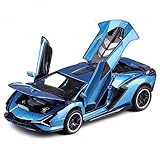
- Material:This model car is made of zinc alloy body,rubber tires and plastic parts.With Detailed interior and exterior trim, It is very sturdy.Car gets multiple processing, grinding sharp corners to prevent cuts child.
- Sound and light:Car doors,hood and trunk can be opened, accompanied with lights&sounds.Press the car body and open the doors can trigger the lights and real sounds.
- Pull back Cars:Place the car on the ground,just pull it back ,the model car will drive forward.Your kids can use it to play a chasing game with their friends.
- Size:Lamborghini Sian FKP37 is 1 /32 scale,Approx.6.3 * 2.7 * 1.6 inches.The size is similar with adult hands.It is very suitable for little boys and girls to grip.
- Gift:Fine workmanship,exquisite box with a display base,ideal birthday gift and holiday gift for kids boys and men who like collect model car.
| Generation | Years | Typical market split | Approximate benchmark snapshot |
|---|---|---|---|
| SR I | 1992–1995 | RT/10 roadster | About $49,451; Hagerty guideposts for a 1992 RT/10 run from $30,500 fair to $111,000 concours |
| SR II | 1996–2002 | RT/10, GTS, ACR, GT2 | RT/10 about $51,157; GTS about $75,937–$75,997; ACR about $85,235; 1998 GT2 about $147,965 |
| ZB I | 2003–2006 | SRT-10 roadster and coupe | Roadster about $51,896; 2006 coupe about $77,033; generation average about $60,845 |
| ZB II | 2008–2010 | SRT-10 roadster, coupe, ACR, ACR-X | Roadster about $80,223; coupe about $87,424; ACR about $126,131; 2010 ACR-X about $127,000 |
| VX I | 2013–2017 | SRT, GTS, GT, TA, ACR, GTS-R Commemorative | SRT about $118,049; GTS $139,951; TA $162,545; GT $171,725; ACR about $294,766; 2017 GTS-R about $293,540 |
All figures in the table are approximate U.S.-market benchmarks from the supplied research, not promises that every car in that category is worth the same amount. Rare submarkets may have only a few active listings or recent transactions, so a displayed benchmark can be less reliable as a quick-sale expectation.
First generation: SR I, 1992–1995
What it is
The SR I is the original production Viper: a two-seat RT/10 roadster with an 8.0-liter V10, a tubular space-frame chassis, independent suspension, fiberglass bodywork, and quoted output of 400 horsepower and 450 lb-ft of torque. It is the most uncompromising Viper generation. The early cars had no ABS and no electronic stability control, while weather protection consisted of primitive removable equipment rather than a genuinely comfortable convertible system.
Production was limited but not uniform: 285 cars were delivered for 1992, followed by 1,043 in 1993, 3,083 in 1994, and 1,577 in 1995. The low first-year volume makes a correct, documented 1992 especially interesting to collectors, but rarity alone does not rescue a damaged or poorly stored car.
Do these 3 things before closing this tab:
1Repair Windows errors before they cause bigger problems2Fix the driver behind crashes, sound loss and screen glitches3Clear out junk files and repair common Windows errorsFor period specifications and condition-specific guidance, the Hagerty 1992 Dodge Viper valuation report is useful. Its January 26, 2026 guideposts are approximately:
| Condition | 1992 RT/10 guidepost |
|---|---|
| Fair | $30,500 |
| Good | $49,400 |
| Excellent | $68,800 |
| Concours | $111,000 |
What to pay and what to inspect
The normal-condition SR I benchmark is around $49,451, so an ordinary, usable car should generally be evaluated around the market’s normal-condition band rather than priced like a concours example. An exceptional 1992 car with correct originality, low use, strong records, and excellent storage history can justify a large premium. Conversely, a cheap car may be cheap because it needs paint, chassis work, cooling-system repairs, exhaust work, or major recommissioning.
- Storage and weather exposure: Look for deterioration caused by long-term storage, moisture, heat, and neglected fluids.
- Chassis and body: Inspect the tubular structure, fiberglass panels, panel alignment, valence, underside, and side-pipe areas for curb, impact, or track damage.
- Engine and valvetrain: Check service history and investigate abnormal noise, poor running, and evidence of valvetrain wear.
- Cooling and heat: Confirm that the cooling system works properly and look for heat-related damage around the engine bay and side pipes.
- Weather equipment: Verify that the top, windows, side curtains, seals, and hardware are present and usable. Missing original equipment affects both usability and originality.
Second generation: SR II, 1996–2002
SR II added the Viper GTS coupe to the RT/10 roadster range. The GTS was not simply a roof attached to the roadster: CLASSIC.COM describes it as having nearly 90 percent new components compared with the RT/10. Its distinctive double-bubble roof, more useful weather protection, improved road manners, and stronger collector appeal make it the usual premium configuration.
Both models retained the 8.0-liter V10. Engine improvements raised output from 415 horsepower to 450 horsepower from 1998 onward. The generation also produced the race-inspired ACR and the 1998 GT2 Commemorative Edition. The relevant SR II Viper market data gives these approximate benchmarks:
What’s actually slowing this PC down?
Pick the symptom - the matching free tool is one click away.
| SR II variant | Approximate benchmark | Buying interpretation |
|---|---|---|
| RT/10 | $51,157 | Value entry point when condition and history are comparable |
| GTS | $75,937–$75,997 | Usually the premium mainstream body style |
| ACR | $85,235 | Performance premium; verify specification and use |
| 1998 GT2 Commemorative Edition | $147,965 | Scarce collectible; authenticity and completeness are essential |
A normal SR II RT/10 is usually the rational way into the generation. A GTS can be worth the additional money if you value the coupe body, double-bubble roof, and collector demand. Pay a premium for an ACR or GT2 only after confirming the VIN, production specification, correct colors and trim, original equipment, and documentation. A modified car should not automatically receive the value of a factory performance edition.
Third generation: ZB I, 2003–2006
The ZB I arrived for 2003 as the Viper SRT-10 roadster. It used an 8.3-liter V10 producing 500 horsepower and a six-speed manual transmission. The coupe became the important second body style for 2006; period Chrysler material discussed its introduction during 2005, while the market is generally organized around the 2006 coupe model year. Both body styles used the SRT-10 name rather than the earlier RT/10 and GTS naming split.
The principal buying choice is therefore a 2003–2005 roadster versus the 2006 coupe. Current ZB I comparable-market data puts the roadster around $51,896 and the 2006 coupe around $77,033. The generation’s reported average sale price is about $60,845, but that average can be distorted by special editions, unusual mileage, and very different condition.
| ZB I variant | Approximate benchmark | Practical conclusion |
|---|---|---|
| SRT-10 roadster | $51,896 | Usually the better value for open-air driving |
| 2006 SRT-10 coupe | $77,033 | Usually the more desirable regular-production configuration |
| Mamba Edition | $62,457 | Premium depends on authenticity, condition, and demand |
| Voi.9 Edition | $87,658 | Verify edition identity and completeness before paying more |
The 2006 coupe is normally the generation’s market leader among regular-production cars, but that does not make every coupe a $77,000 car. Accident repairs, paintwork, neglected mechanical systems, high mileage, and non-reversible modifications can erase the body-style premium. Limited editions deserve a premium only when the edition is genuine, complete, documented, and actually valued by current buyers.
Recommended Free Tools
Rank #2

- Doors Open
- Pullback Action
- Die Cast Metal Body
- PULL BACK ACTION WITH FREE ROLLING WHEELS
Fourth generation: ZB II, 2008–2010
There was no 2007 model-year Viper. The fourth generation arrived for 2008 and continued the SRT-10 identity through 2010, with roadster, coupe, and ACR versions. It brought updated styling and stronger performance, while the ACR pushed the car much further toward track use.
The approximate benchmarks from the ZB II Viper market are:
| ZB II variant | Approximate benchmark | Important qualification |
|---|---|---|
| SRT-10 roadster | $80,223 | Compelling performance-to-price option when clean |
| SRT-10 coupe | $87,424 | Modest body-style premium in this snapshot |
| ACR | $126,131 | Track hardware and use must be evaluated carefully |
| 2010 ACR-X | $127,000 | Keep separate from a street-oriented ACR when comparing cars |
The roadster and coupe can offer a strong performance-per-dollar proposition compared with later ACRs. For an ACR, inspect the aerodynamic pieces, suspension, brakes, wheels, tires, underbody, and mounting points. Track use is not automatically a reason to reject the car; a properly maintained track car may be preferable to a neglected garage queen. It should, however, affect the inspection scope, maintenance budget, and price.
Do not compare a street-oriented ACR directly with an ACR-X or a heavily modified competition-focused car without establishing what equipment is factory-installed, what has been replaced, and whether the changes are reversible.
Fifth generation: VX I, 2013–2017
The fifth and final generation returned after the 2010–2013 production hiatus. It was sold as the SRT Viper and later Dodge Viper, with the redesigned car available in several increasingly specialized forms. Dodge’s current Viper page confirms that Viper and Viper SRT production ran from 1991 through 2017 and that the model is no longer in production.
The VX I has the widest price spread in the range. The regular SRT and GTS are the rational entry points; GT, TA, ACR, and GTS-R cars require variant-specific research because factory aero, suspension, options, scarcity, and track history can overwhelm a simple generation average.
| VX I variant | Approximate benchmark | How to approach it |
|---|---|---|
| SRT | $118,049 | Most accessible route into the final generation |
| GTS | $139,951 | Higher-spec grand-touring configuration |
| TA | $162,545 | Verify TA equipment, chassis specification, and use |
| GT | $171,725 | Confirm factory equipment and production details |
| ACR | $294,766 | Rare, extreme-performance car; inspect every aero and chassis component |
| 2017 GTS-R Commemorative | $293,540 | Collectible final-year special edition; provenance is critical |
Later cars can have complicated equipment differences. The 2015 specifications, for example, identify selectable Bilstein DampTronic dampers on GT, GTS, and TA 2.0 models. That is the kind of variant-specific equipment a buyer should verify against the VIN, build information, window sticker, and physical car rather than relying on a seller’s trim description.
A clean base SRT can be a sensible performance purchase, while a low-mileage ACR or GTS-R is a different financial proposition entirely. Never use a base SRT benchmark to price an ACR, and do not assume a modified base car is worth the same as an original factory special edition.
What determines a Viper’s value?
1. Generation and body style
Within comparable condition and specification, coupes generally command more than roadsters, particularly in the SR II and ZB I generations. The GTS and 2006 coupe are the clearest examples, although market premiums vary over time and can narrow when a roadster is unusually original or a coupe needs substantial work.
2. Factory performance variant
ACR, GT2, TA, GT, GTS-R Commemorative, and other documented special editions can carry substantial premiums. The word documented matters: a car with aftermarket stripes, seats, wheels, aero, or suspension is not automatically the factory version it resembles.
3. Originality
Correct paint, trim, wheels, interior, aero, exhaust, and mechanical components generally make a car easier to value and more attractive to collectors. Modifications are not automatically bad, especially when they are professional, reversible, and supported by the original parts and invoices. Undocumented or irreversible changes increase uncertainty and usually weaken a collectible car’s position.
Rank #3

- [Sturdy Toy Cars]: Well made diecast model car with metal body and rubber tires, won't break even fall from hight, durable toy cars for boys age 4-7
- [Pull Back Car Toys]: Cool metal toy car with strong pull back power, fast race cars for 3+ year old boys. Just pull it back and let go, it can slide forward for a long distance
- [Detailed Sports Cars]: It is a simulated car model with suprising details. Openable cockpit and tail cover, cool blue light, realistic sound effect design and lifelike appearance, all these make it a interesting toys for 3+ year old boys
- [1 32 Scale Model Car]: LxWxH (Inches): 7"x 3"x 3". Just the right size for little ones to grasp. Cute cars for kids ages 3-5
- [Great Car Gift for Kids]: Such a cool car with beautiful package can be uesed as kids toy, collection, decoration or display for your office or rooms. Ideal gift for boys, girls and adult car lovers, suitable for Christmas, birthday, Children's Day, Father's Day or other meaningful days
4. Condition
Condition can matter more than age. Hagerty’s 1992 guideposts span from $30,500 in fair condition to $111,000 at concours level, illustrating why two cars from the same model year can have radically different values. A fresh inspection is more useful than a description such as excellent in an advertisement.
Windows Errors? Fix Them Before They Spread
Repair common Windows errors and clear accumulated junk for a smoother, more stable PC - no reinstall needed.Free scan · no reinstallCrashes, No Sound, or Screen Glitches?
Random freezes, missing sound and display glitches usually trace back to one bad driver. Find and replace yours safely.Free scan · under a minute5. Mileage and use
Low mileage helps, but a documented, properly maintained car can be a better purchase than a low-mileage example that sat unused or was stored badly. Track use, curb damage, hard launches, heat exposure, and long periods without service should all be investigated. On ACR, TA, and other track-oriented cars, consumable wear and competition history deserve particular attention.
6. Documentation and provenance
Service invoices, the window sticker, manuals, build information, ownership history, title records, and edition-specific paperwork reduce uncertainty. For a special edition, request evidence that the VIN, color, trim, wheels, aero, suspension, and interior match the claimed configuration.
7. Market liquidity
A rare car can show a high benchmark while having very few active listings or recent transactions. That makes the number less dependable as a quick-sale expectation. Compare several recent sales where possible, and adjust for the exact car rather than treating a database headline as a guaranteed offer.
Practical price bands for buyers
These editorial bands summarize the current benchmark evidence, but they are not appraisals:
- $40,000–$60,000: Entry-level usable Vipers, most plausibly ordinary SR I, SR II RT/10, or ZB I roadster examples depending on condition and timing.
- $70,000–$110,000: Many SR II GTS, ZB I coupes, and clean ZB II roadsters or coupes.
- $120,000–$180,000: Desirable factory performance or limited-edition cars, including SR II GT2 and ACR examples, ZB II ACRs, and many fifth-generation GT or TA cars.
- $250,000–$300,000 or more: Top-tier, documented VX I ACR and GTS-R Commemorative examples, subject to condition, originality, mileage, and transaction quality.
For a condition-based reference on an early car, readers can review Hagerty Viper valuation tools and then compare the result with actual like-for-like sales. CLASSIC.COM and Hagerty are different kinds of evidence: CLASSIC.COM supplies market-oriented benchmark and sales context, while Hagerty supplies condition-class valuation guidance. Do not average the two numbers mechanically.
How to decide what to offer
- Identify the exact car. Confirm VIN, model year, body style, factory variant, edition, transmission, and claimed equipment.
- Build a narrow comparison set. Use the same generation, body style, variant, approximate mileage, condition, and geography. A 1998 GT2, a standard SR II GTS, and a modified RT/10 are not interchangeable comparables.
- Verify the story. Match the seller’s claims to title records, service invoices, build information, window sticker, photographs, and physical inspection.
- Price the work, not just the car. Obtain estimates for tires, brakes, cooling repairs, paint, top hardware, suspension components, exhaust damage, and other known defects. Deduct immediate work from the price, while recognizing that a repair does not always restore collector value.
- Reward originality and records selectively. Pay more for a correct, documented, well-preserved special edition; do not pay a factory-edition premium for cosmetic imitation.
- Account for uncertainty. A car with a vague history, missing parts, accident repairs, or limited inspection access deserves a risk discount, not the market price of a fully documented example.
Viper pre-purchase inspection checklist
A Viper should receive a specialist pre-purchase inspection rather than a quick generic used-car check. A paint-depth gauge and inspection light can help identify resprays, repaired panels, leaks, and underbody damage during your own review, but tools supplement rather than replace a qualified inspection.
Identity and history
- Verify the VIN, model year, title status, accident history, and ownership history.
- Confirm the factory variant and edition using build information, window sticker, manuals, and original equipment.
- Request service invoices and establish how the car was stored and driven.
- Separate documented factory equipment from aftermarket parts and determine whether the original parts are included.
Body, chassis, and exterior
- Inspect fiberglass panels, paint consistency, panel alignment, door and hood gaps, and signs of accident repair.
- Examine the tubular chassis, suspension mounting areas, underside, valences, side pipes, wheels, and lower panels for curb or impact damage.
- On ACR, TA, ACR-X, and other track-focused cars, inspect the splitter, wings, underbody, suspension, brakes, wheels, and tires for use-related damage and replacement parts.
Mechanical and cabin systems
- Check the cooling system, engine bay, oil or coolant leaks, exhaust, and heat damage.
- Evaluate engine operation, valvetrain noise, clutch engagement, transmission operation, and driveline behavior.
- Inspect brakes, tires, suspension, steering, and alignment; check the date and condition of tires rather than looking only at tread depth.
- Test air conditioning, instruments, electronics, lights, windows, locks, and other cabin systems.
- On first-generation cars, give special attention to storage exposure, valvetrain concerns, primitive top and side-curtain equipment, side pipes, and cooling.
Before buying, it is also worth checking the Dodge Viper owner manuals and Mopar parts resources. Availability and pricing can vary by specific VIN, generation, and part, so verify that a needed component can actually be sourced before treating a low purchase price as a bargain. A year-specific Dodge Viper repair manual can also help an owner understand maintenance requirements and inspect whether the seller’s service claims are plausible, but it is not a substitute for a Viper specialist.
Independent reader supportYour contribution helps us test, update, and keep practical guides available for everyone.Common buying mistakes
- Buying the cheapest Viper without reserving a repair budget: The purchase price can hide storage, cooling, exhaust, tire, paint, and chassis work.
- Assuming low mileage means excellent condition: Long-term inactivity and poor storage can be more damaging than regular, documented use.
- Paying for a replica special edition: Factory identity must be established through the VIN, build evidence, correct equipment, and records.
- Comparing unlike cars: A GTS is not a roadster, a factory ACR is not a modified SRT-10, and an ACR-X should not be valued as an ordinary street car.
- Using an average as an appraisal: Market averages include cars with different histories, mileage, modifications, and sale conditions.
- Ignoring liquidity: A rare car may take longer to sell, and a high database benchmark may not equal the amount a quick buyer will pay.
FAQ
What is the cheapest Dodge Viper generation to buy?
There is no permanently cheapest generation, because condition and market timing change the ranking. In the supplied benchmarks, ordinary SR I, SR II RT/10, and ZB I roadster examples are the most plausible entry points, often around $40,000–$60,000. The cheapest advertised car may need substantially more work than a better-maintained example.
The Tool Desk
Outbyte PC Repair FREERepair Windows errors before they cause bigger problemsFix Now →Outbyte Driver Updater FREEFix the driver behind crashes, sound loss and screen glitchesFind Drivers →Is a Viper GTS worth more than an RT/10?
Usually, yes, when comparing similar SR II cars. The GTS coupe’s double-bubble roof, more useful weather protection, distinct styling, and collector appeal generally produce a premium. Condition, originality, mileage, and documentation can still reverse the result between two individual cars.
Which Viper generations have factory coupes?
The SR II introduced the GTS coupe, the ZB I added the 2006 SRT-10 coupe, and the ZB II offered an SRT-10 coupe alongside the roadster. The fifth generation also included coupe-bodied SRT/GTS and special-edition variants. The first-generation SR I was an RT/10 roadster.
Rank #4

- PREMIUM QUALITY: Die-cast alloy vehicle set is made of high-quality METAL and ABS plastic, featuring bright colors that are attractive to toddlers and children. The smooth edges and fall-resistant quality make these car toys more sturdy and durable. Replica of classic sports racing cars, exquisite details making the feeling more realistic and cool
- PERFECT SIZE: Set includes 4 different die-cast cars about 1 : 64 scale. Toy cars’ approximate size is the same 3.5 x 1.5 x 1 inches, suitable fits kids’ hands better. Lightweight and portable design, make it easy for kids to carry out in pocket as a traveling toy and play with them anytime indoors and outdoors
- OPENABLE DOORS: Kids will have more fun exploring the interior details of the toy car by opening and closing the doors during the play! Highly detailed die cast sports cars with openable doors and realistic design provide kids a real-life and racing scenes for an imaginative play experience
- PULL BACK FUNCTION: Friction powered, no battery needed. The great friction design makes it easy to pull back and let go and race towards naturally as cool as a real car racing scene! Featuring a pull back function for added more fun and entertainment, the rubber wheel can avoid scratching the floor and allow the toy car to move a long distance
- EDUCATION IN FUN: This die cast racing toy car set keeps children far away from electronic products and promotes parent-child interaction. More than just a toy car, it’s also an educational toy that helps kids develop their creativity, hand-eye coordination and exquisite motor skills. Its educational value is highly appreciated
Is a high-mileage Viper a bad purchase?
Not necessarily. A high-mileage car with consistent service, careful use, and complete records can be less risky than a low-mileage car that was stored poorly. Mileage should adjust the price, but it should be considered together with condition, maintenance, originality, and use history.
Should I buy an ACR that has been used on track?
Track use is not automatically disqualifying, particularly for a car designed around track performance. It does require a more detailed inspection of brakes, tires, suspension, wheels, aero, underbody, chassis, and maintenance records. Price the car according to its actual condition and history rather than assuming either that track use adds value or that it destroys value.
What is the most collectible Dodge Viper?
The answer depends on the collector, but documented first-year SR I cars, SR II GT2 and ACR variants, and final-generation VX I ACR and GTS-R Commemorative cars are among the strongest collectible categories in the supplied market data. Rarity alone is not enough: originality, provenance, condition, and market demand determine whether the premium is justified.
Frequently Asked Questions
What is the cheapest Dodge Viper generation to buy?
There is no permanently cheapest generation, because condition and market timing change the ranking. In the supplied benchmarks, ordinary SR I, SR II RT/10, and ZB I roadster examples are the most plausible entry points, often around $40,000–$60,000. The cheapest advertised car may need substantially more work than a better-maintained example.
Is a Viper GTS worth more than an RT/10?
Usually, yes, when comparing similar SR II cars. The GTS coupe’s double-bubble roof, more useful weather protection, distinct styling, and collector appeal generally produce a premium. Condition, originality, mileage, and documentation can still reverse the result between two individual cars.
Which Viper generations have factory coupes?
The SR II introduced the GTS coupe, the ZB I added the 2006 SRT-10 coupe, and the ZB II offered an SRT-10 coupe alongside the roadster. The fifth generation also included coupe-bodied SRT/GTS and special-edition variants. The first-generation SR I was an RT/10 roadster.
Quick wins for a faster PC:
Repair Windows errors before they cause bigger problemsFix Now →Fix the driver behind crashes, sound loss and screen glitchesFind Drivers →Is a high-mileage Viper a bad purchase?
Not necessarily. A high-mileage car with consistent service, careful use, and complete records can be less risky than a low-mileage car that was stored poorly. Mileage should adjust the price, but it should be considered together with condition, maintenance, originality, and use history.
Should I buy an ACR that has been used on track?
Track use is not automatically disqualifying, particularly for a car designed around track performance. It does require a more detailed inspection of brakes, tires, suspension, wheels, aero, underbody, chassis, and maintenance records. Price the car according to its actual condition and history rather than assuming either that track use adds value or that it destroys value.
What is the most collectible Dodge Viper?
The answer depends on the collector, but documented first-year SR I cars, SR II GT2 and ACR variants, and final-generation VX I ACR and GTS-R Commemorative cars are among the strongest collectible categories in the supplied market data. Rarity alone is not enough: originality, provenance, condition, and market demand determine whether the premium is justified.
The Bottom Line
Bottom line: Buy the individual Viper, not just the generation. A normal roadster is usually the least expensive way into its generation, while a coupe or factory performance edition commands more. The safest offer is based on recent like-for-like sales, a specialist inspection, verified originality, and a documented allowance for immediate repairs—not on a headline benchmark or a low asking price.
Recommended Free Tools
Quick Recap
Product prices and availability are accurate as of the date/time indicated and are subject to change. Any price and availability information displayed on Amazon at the time of purchase will apply.




