Do these 3 things before closing this tab:
1Fix the driver behind crashes, sound loss and screen glitches2Repair Windows errors before they cause bigger problems3Scan for outdated or missing drivers - takes under a minuteFor U.S. EV drivers, tire safety starts with the same basics as any car: use the vehicle’s specified cold pressure, inspect tires regularly, and choose replacements that meet the vehicle’s size and load requirements. EV weight and efficiency goals can make tire selection more consequential, but there is no universal tire pressure, replacement interval, or requirement to buy a tire branded “EV.”
How often should you check EV tire pressure?
Check every tire at least once a month and before a long trip, using a reliable pressure gauge. Check when the tires are cold—NHTSA defines this as at least three hours after driving—and include the spare if the vehicle has one. NHTSA advises: “Check tire pressure when ‘cold’ (at least three hours after driving) for an accurate reading.” (NHTSA Summer Driving & Road Trip Tips.)
Use the vehicle’s pressure target, not the sidewall maximum
Find the recommended cold pressure on the vehicle’s Tire and Loading Information Label, usually on the driver-side door area, or in the owner’s manual. The pressure molded on the tire sidewall is not the vehicle’s recommended target. Follow the vehicle-specific specification rather than applying one number to every EV. (NHTSA TireWise.)
Keep checking even if TPMS is fitted
A tire-pressure monitoring system is a warning aid, not a substitute for manual checks. NHTSA says TPMS activates only when a tire is significantly underinflated; a tire can therefore need attention before the warning appears. A Tesla Model 3 owner’s manual archived by NHTSA makes the same point for that model. (NHTSA TireWise; Tesla Model 3 owner manual filed with NHTSA.)
#1 Best Overall

- Accurate, Dependable Readings: Factory‑calibrated to ±1 PSI, so you can confidently match your vehicle’s recommended PSI (check the door jamb sticker). Ideal for monthly checks and road trips — consistent results every time, cold or warm.
- Bright Backlit Display & Nozzle Light: The illuminated nozzle helps you find the valve stem in the dark, while the backlit LCD makes readings crystal clear in dim garages or at night. No more squinting or holding a flashlight.
- 4 Measurement Units, One Button: Quickly switch among PSI, Bar, Kgf/cm², and KPA with a single press. No complex settings — just press and cycle to your preferred unit. Perfect for drivers who need multiple scales.
- Broad Compatibility for Everyday Vehicles: 0–150 PSI covers cars, SUVs, motorcycles, and spare tires (often 60 PSI). Fits standard Schrader valves; just press on for a reading.
- Auto‑Off to Extend Battery Life: The gauge automatically powers down after 30 seconds of inactivity, so the included 2*AAA batteries last longer. Always ready for your monthly checks without surprise dead batteries.
What should you inspect during a tire check?
Look over the tread and sidewalls for cuts, punctures, bulges, cracks, scrapes, embedded objects, and unusual or uneven wear. Check tread condition at least monthly and before long trips. If you find damage, NHTSA advises: “If you find tire damage, take your vehicle to a tire professional.” (NHTSA Summer Driving & Road Trip Tips.)
Know the tread limit—and its limits
NHTSA identifies 2/32 inch of tread depth as unsafe. Drivers can look for the tire’s built-in treadwear indicators or use the penny test described by NHTSA; a tread-depth gauge is another way to measure wear. The 2/32-inch point is a minimum safety threshold, not a guarantee of suitable traction in every condition. Follow any more specific vehicle-manufacturer advice, especially for wet or winter driving. (NHTSA TireWise.)
Rank #2

- PROCESS LEVEL ACCURACY: This heavy duty tire pressure gauge is calibrated manually to ANSI B40.1 Grade A (±1% of span)
- PRESSURE RANGE 0-75 PSI: ETENWOLF’s tire gauge can measure pressure of pickup, motorcycle, truck, bike, SUV, RV or ATV
- EASY TO READ IN THE DARKNESS: The large glow dial helps you clearly read the pressure at night or in low light
- EASY TO USE: 360 degree swivel chuck allows you to measure and take a reading from a tire valve at any angle
- ACCURACY IN EXTREME WEATHER: PSI gauge works normally even in extreme cold or hot weather
For example, the NHTSA-filed Tesla Model 3 manual recommends replacement before wear indicators become visible and gives additional cautions for wet and winter conditions. Those recommendations are specific to that model and should not be treated as a universal EV rule. (Tesla Model 3 owner manual filed with NHTSA.)
Do electric cars need special tires?
Not automatically. A tire does not have to carry an “EV” label simply because it is fitted to an electric car. What matters first is that the tire is approved for the vehicle’s specified size and has adequate load capability, with the correct pressure maintained. NHTSA says EVs are often heavier than gasoline vehicles and notes that EV-specific tires may be designed to support weight, performance, range, and noise goals. Those are design aims, not proof that every EV-branded tire is better than every correctly specified alternative. (NHTSA Summer Driving & Road Trip Tips; NHTSA TireWise.)
Recommended Free Tools
Rank #3
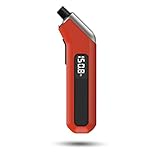
- PROCESS LEVEL ACCURACY: Each ETENWOLF’s digital tire pressure gauge is calibrated manually to ANSI B40.7 Grade 2A(plus-minus 1 PSI).Presta valve adapter not included, if used for bicycles, it must be purchased separately
- ACCURACY IN EXTREME PRESSURE RANGE: Whether tire pressure is below 12 PSI or above 140 PSI, ETENWOLF’s digital tire gauge is accurate as well
- ACCURACY IN EXTREME WEATHER: Built-in AI chip with thermal compensation inside, ETENWOLF’s tire gauge works normally even in extreme cold or hot weather(-4°F-130°F/-20°C-54°C)
- PRESSURE RANGE 3-200 PSI : ETENWOLF’s digital tire pressure gauge can measure pressure of all types of vehicles
- REPLACEABLE AAA BATTERIES: Batteries are easy to replace and helps to extend the tire pressure gauge’s life span, with LED light to illuminate dark areas for easy tire pressure reading
Fit and load come before branding
Check the placard and manual for the vehicle’s tire size and load requirements before buying replacements. If the fitment or load capability is unclear, confirm it with a qualified tire professional. NHTSA’s 1995 interpretation of FMVSS No. 110 states that the passenger-car tire load provisions apply to electric passenger cars; the standard contains no EV exception. This is background on the agency’s interpretation, not a substitute for current regulatory advice. (NHTSA interpretation 10440.)
How does tire choice affect EV range, tread life and comfort?
Tires involve trade-offs rather than a single best specification. NHTSA says low-rolling-resistance replacement tires can extend the range of EVs and hybrids, while cautioning that conventional low-rolling-resistance tires could have lower tread life. NHTSA also lists reduced tire noise among potential benefits of EV-specific tire designs. Compare the actual specifications of tires that fit the vehicle; do not assume a label alone guarantees range, durability, or quietness. (NHTSA TireWise; NHTSA Summer Driving & Road Trip Tips.)
Rank #4

- HIGH ACCURACY: Every ETENWOLF's pencil tire gauge is calibrated to ANSI B40.1 Grade B, it is accurate to 2% of span in the middle 50% of range and 3% of span in the lower and upper 25% of range. Each ETENWOLF pencil tire pressure gauge is manually calibrated and has its unique calibration number printed on the pencil
- WIDER RANGE: ETENWOLF's tire gauge offers 2 pressure ranges: 10-50PSI, 20-120PSI for all types of vehicles
- ALL METAL: ETENWOLF tire gauges are made of all solid metal, zinc alloy head and stainless steel body, they are durable and can be used for many years unless you lose them
- DEFLATION: You can also use ETENWOLF's tire gauge to deflate tires when the tire pressure is overinflated
- 16 CAPS IN 2 CASES: ETENWOLF even offers 16 valve stem caps, so you won't worry about losing tire caps anymore
Compare replacement candidates on the factors that matter
| Factor | What to check | Guidance |
|---|---|---|
| Vehicle fit and load | Specified tire size and load capability | Start with the placard and manual; ask a tire professional if uncertain. |
| Weather and traction | Local summer heat, rain, snow, and ice needs | NHTSA says winter tires outperform all-seasons in deep snow. Summer tires are not designed for freezing temperatures, snow, or ice. |
| Tread life | Wear performance and any warranty | UTQG ratings allow comparisons of treadwear, traction, and temperature resistance, but do not replace fitment and weather considerations. |
| Rolling resistance and range | Whether lower rolling resistance is a priority | NHTSA says low-rolling-resistance replacements can extend EV and hybrid range; conventional versions could have lower tread life. |
| Noise and comfort | Manufacturer specifications for shortlisted tires | NHTSA lists reduced noise as a potential EV-specific tire benefit; compare the actual products. |
| Price and availability | A quote for the correct specification | Confirm fitment with the retailer when requesting a price; availability varies. |
What maintenance details are vehicle-specific?
Rotation intervals and whether tires can be rotated depend on the vehicle and its tire arrangement. Follow the owner’s manual rather than assuming a universal schedule. NHTSA notes that some vehicles with different front and rear tire sizes cannot be rotated front-to-rear. If a tire is damaged, have a professional assess it; a consumer repair kit or sealant should not be treated as a substitute for professional evaluation of serious damage. (NHTSA TireWise.)
A monthly and pre-trip EV tire checklist
- Find the vehicle’s recommended cold pressure on its label or in the owner’s manual.
- At least monthly and before a long trip, measure every tire when cold with a pressure gauge; check the spare if fitted.
- Respond to TPMS alerts, but do not rely on them instead of regular gauge checks.
- Inspect tread and sidewalls for damage, foreign objects, and uneven wear.
- Use NHTSA’s 2/32-inch criterion as a minimum tread safety point and follow more specific manufacturer advice for conditions such as wet roads or winter use.
- For replacements, confirm vehicle-approved size and load capability, then compare weather suitability, tread life, rolling resistance, noise, and price.
- Follow the manual’s rotation instructions and take suspected damage to a tire professional.
Tire-related crashes accounted for 511 U.S. motor-vehicle traffic fatalities in 2024, according to NHTSA. That figure is not specific to electric vehicles. (NHTSA TireWise.)
The Tool Desk
Outbyte PC Repair FREERepair Windows errors before they cause bigger problemsFix Now →Outbyte Driver Updater FREEFix the driver behind crashes, sound loss and screen glitchesFind Drivers →Quick Recap
Best Value

- RUGGED DESIGN: The stainless steel components prevent rust and corrosion while the precision-crafted nozzle seamlessly seals onto the valve stems for highly accurate readings (±2% span). We also provide 4 valve stem caps for convenient replacement.
- MEASURES PSI, kPa, BAR; Measurement range from 10-75 PSI, 70-550 kPa, 0.7-5.5 BAR. Attention! Do not exceed the maximum pressure of the gauge, doing so will permanently damage the device.
- UNIVERSAL APPLICATION: Not only are these gauges easy to use, but include an integrated deflator valve, chuck, and ABS indicator bar
- CONVENIENT DESIGN stows easily in a glove box, tool belt, workbench, or even a pocket; the pocket clip makes it easy to carry with you while on the job
- Further service provided by AstroAI, BATTERY FREE means no maintenance and total reliability under all weather conditions; a necessary tool for roadtrips and optimal safety
Product prices and availability are accurate as of the date/time indicated and are subject to change. Any price and availability information displayed on Amazon at the time of purchase will apply.