What’s actually slowing this PC down?
Pick the symptom - the matching free tool is one click away.
Plan for substantially less range in a snowstorm, slower charging after a cold soak and reduced traction unless your tires suit the conditions. Consumer Reports’ 2025 tests found about 25% less range at 16°F while cruising at 70 mph in mild conditions, with losses of up to 50% on repeated short trips that repeatedly reheated the cabin. In Canadian Automobile Association (CAA) winter road tests, participating vehicles traveled 14% to 39% less than their official range. Those figures are test results, not a universal rule for every EV, so leave a larger battery reserve, precondition while plugged in and treat winter tires and visibility as safety equipment.
Why snow and cold reduce EV range
Cold affects both the battery and the work the car must do. Low temperatures slow the battery’s electrochemical reactions, while the vehicle may use energy to warm the pack before it can deliver or accept power efficiently. Heating the cabin, defrosting glass, running headlights and wipers, and operating thermal-management systems add electrical demand. Snow and slush also increase rolling resistance, and cold tires can be less efficient until they warm.
What controlled and road tests measured
| Test or observation | Result | How to use it |
|---|---|---|
| Consumer Reports, 2025, highway cruising at approximately 16°F and 70 mph | About 25% less range than in mild conditions | Expect a meaningful highway penalty in deep cold, even without heavy snow. |
| Consumer Reports, 2025, repeated short trips with frequent stops | Up to 50% less range | Short errands can be especially inefficient because the cabin must be reheated after each stop. |
| CAA winter road tests, 2025 | 14% to 39% less than official range for participating vehicles | Real-world winter results vary widely by vehicle and conditions. |
| CAA survey of Canadian EV owners, 2025 | More than 65% reported lower range in extreme cold | Reduced range is a common winter experience, not an isolated vehicle fault. |
AAA’s 2026 testing likewise concluded that cold conditions had the largest effect on EV efficiency and range and recommended planning for reduced range and more frequent charging stops. There is no single “snowstorm percentage”: temperature, speed, hills, traffic, snow depth, slush, tires, vehicle design and heating use all change the result.
How much winter range should you plan for?
Use the vehicle’s displayed estimate as a starting point, not a guarantee. Plan the route so a charger is reached with a larger reserve than you would accept in mild weather. A 25% highway reduction is a measured reference point, while a short-trip loss approaching 50% shows why an apparently adequate battery can fall quickly during stop-and-go errands. CAA’s 14%–39% spread demonstrates why applying one fixed correction to every EV is misleading.
Quick wins for a faster PC:
Fix the driver behind crashes, sound loss and screen glitchesFind Drivers →Clear out junk files and repair common Windows errorsFree Scan →Scan for outdated or missing drivers - takes under a minuteDriver Scan →#1 Best Overall
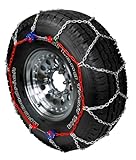
- Worry-Free Self-Tightening Ratchets Provide Automatic Tightening And Centering
- Easy Installation And Removal In Minutes
- Do Not Exceed 30 Mph With These Chains On
- Diamond Pattern Cross Chain Provides A Smoother Ride And Superior Traction
Speed and weather can compound one another: a fast highway run in freezing air, into wind and through slush, generally consumes more energy than a slower trip on clear pavement. A vehicle with a heat pump, effective battery-temperature management and strong winter efficiency may fare differently from one without those features. Treat the estimate as a planning aid and identify an earlier charging option before the displayed reserve becomes critical.
Why EV charging slows in cold weather
A cold-soaked battery may accept high-power charging more slowly until it reaches an efficient operating temperature. The first minutes at a DC fast charger can therefore be much slower than the vehicle’s advertised warm-weather peak. Do not build a winter itinerary around the maximum charging rate shown in specifications.
Rank #2
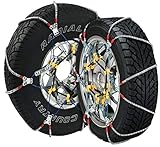
- Country of origin : China
- Designed for cars, pickups, and SUVs with very limited operating clearance around the drive tires
- Fast easy installation with no need to move the vehicle
- Designed-in rubber tightener means there is no need to stop and retighten after installation
Warm the battery before a fast-charge stop
- Enter the fast-charging location in the vehicle’s navigation system when the vehicle supports charger-based battery preconditioning.
- Leave enough driving time for the thermal system to prepare the pack; arriving immediately after a long cold soak can still produce a slow initial rate.
- Allow extra time and identify another compatible charger in case the first site is busy, offline or operating below its usual rate.
AAA recommends mapping chargers and charging more often in extreme cold. Check live station status before leaving and again during the trip.
Can you charge an EV outside during a snowstorm?
Yes, when the vehicle and charging equipment are installed and used according to their instructions. The U.S. Department of Energy says outdoor charging connectors are designed to be waterproof. Heavy snow or sleet can nevertheless freeze the connector or the vehicle inlet, making connection difficult.
The Tool Desk
Outbyte Driver Updater FREEFix the driver behind crashes, sound loss and screen glitchesFind Drivers →Outbyte PC Repair FREEClear out junk files and repair common Windows errorsFree Scan →Rank #3
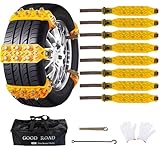
- 1:This all-inclusive kit, containing chains, gloves, a storage bag, wrench, and hook, is your reliable solution for treacherous driving conditions. Constructed from high-grade, thick TPU material resistant to cold and wear, these chains feature steel nails for an aggressive grip, ice-breaking power, and superior anti-skid control. Universally compatible with tires from 165mm to 255mm wide, they are a versatile essential for most cars. Conquer snow, ice, mud, and sand with confidence, making these chains your go-to partner for safer winter travel and outdoor excursions
- 2:zip tie tire chains all-inclusive kit: containing chains, gloves, a storage bag, wrench, and hook, is your reliable solution for treacherous driving conditions. Constructed from high-grade, these chains feature steel nails for an aggressive grip, ice-breaking power, and superior anti-skid control. ensuring you can quickly equip the car snow chains whenever unexpected snowy or icy conditions arise Universally compatible with tires from 165mm to 265mm wide, they are a versatile essential for most cars. Conquer snow, ice, mud, and sand with confidence, making these chains your go-to partner for safer winter travel and outdoor excursions
- 3:Premium Material: Crafted from high-quality thick TPU material, these snow chains are built to prevent tire and wheel wear while withstanding low temperatures. What sets this snow tire chains come with steel nails, they enhance the anti-skid chain’s grip, boost ice-breaking ability, and strengthen anti-skid performance, allowing your vehicle to maintain stability on snow surfaces
- 4:Universal Size: Designed for broad applicability, these tire chains for trucks are suitable for most cars. They can be effectively applied to vehicle models with tire widths ranging from 165mm to 265mm It is highly recommended to verify your vehicle's specific tire width before purchasing to ensure a perfect fit
- 5:Widely Application: These snow chains for car tires aren’t just for snow and ice—it excels on mud roads and sand roads, making it a versatile travel partner for various outdoor activities. Whether you’re driving to a ski resort in the winter, exploring a muddy off-road trail, or driving a sandy off-road trails, this snow chain provides excellent traction and stability
- Brush away packed snow and ice from the inlet, connector and cable before plugging in.
- Keep the connection protected from accumulating snow where the equipment’s instructions permit; do not force an iced connector.
- Inspect for damage and follow the vehicle and charger manufacturer’s directions if moisture or ice remains.
- After charging, replace protective caps and stow the cable so it does not sit in meltwater or traffic.
How to prepare an EV for a winter trip
- Check the forecast and advisories. Postpone travel when authorities advise against driving, especially during whiteout conditions or freezing rain.
- Start with extra charge. Leave a larger reserve than in mild weather and plan an earlier charging stop rather than arriving with a very low state of charge.
- Precondition while plugged in. Use the vehicle’s scheduled-departure feature, if available, to warm the battery and cabin from grid power instead of drawing as much energy from the pack on the road.
- Reduce cabin demand intelligently. Heated seats and a heated steering wheel can provide personal warmth while allowing a lower cabin-temperature setting. Use defrosting and demisting as needed for clear windows.
- Park under cover when possible. A garage or covered space can reduce snow accumulation and the severity of a cold soak.
- Inspect tires. Set pressure to the vehicle maker’s cold-tire specification, check tread and install winter-grade tires when conditions require them.
- Clear the car completely. Remove snow and ice from windows, lamps, mirrors, roof, sensors and the charging area. Snow left on the roof can slide forward or blow onto following traffic.
- Build a charging backup. Confirm station availability, note a second location and carry the vehicle-compatible charging cable or portable EV charger appropriate for the vehicle and available electrical supply.
- Prepare for a delay. Keep a roadside-assistance plan and a way to contact help if the battery becomes critically low or roads close.
Winter tires and traction safety
Range is secondary to keeping the car on the road. Consumer Reports emphasizes that safety depends on good tire traction and that winter-grade tires are important when winter conditions require them. Use tires suited to the expected snow, ice and temperatures, verify pressure and inspect tread before departure. Do not assume an electric powertrain compensates for inadequate traction.
Drive more slowly for visibility, stopping distance and surface grip. Clear lamps, mirrors, windows and sensors before moving, and stop in a safe place if visibility deteriorates. Packed snow or ice around a sensor or wheel area can affect assistance systems and handling.
Rank #4

- Premium TPU Material: Cold-Resistant -50℃ Avoiding Brittle Cracking In Extreme Winter Conditions , The Soft Yet Durable Material Fits Tires Snugly Without Scratching The Tread or Hub, Solving The Tire Damage Issue Common With Metal Chains ,Tire-Friendly.Heavy Duty Snow Chains.
- Tool-Free Installation In Minutes:No Jack or Professional Tools Required, Beginners or Women Can Operate It Effortlessly, Saving Time and Effort In Cold Weather.
- 360° Full-Wrap TPU Structure + 15 Stainless Steel Studs: Double Protection for Safer Ice-Breaking & Anti-Slip Performance.This Greatly Boosts Tire-Road Friction, Effectively Preventing Acceleration Slips And Brake Deviation Even On Extreme Roads Like Steep Slopes Or Icy Bridges For Stabler, Safer Winter Driving.
- Portable & Durable Emergency Essential,Comes With Nylon Storage Bag,Easy Storage In Your Trunk Without Taking Up Space,Backed By Quality Assurance, It’s Your Reliable Emergency Gear For Sudden Snowfalls or Remote Travel.
- It Comes As a Set of 6 Pack Snow Chain. In Good Weather , It Is Recommended To Install 3 Pack On Each Tire—Zanoal Snow Chains Set Can Be Used For 2 Tires. In Severe Weather, It Is Advisable To Purchase at Least 2 Sets: You Can Either Install 3 Pack On Each Tire, or 6 Pack On Each Tire.
Choosing or evaluating an EV for winter use
General winter data cannot produce a fair model ranking, but these are the useful comparison points when you are shopping or setting expectations for an existing car:
| Comparison point | Why it matters in snow and cold |
|---|---|
| Usable winter range margin | More reserve reduces the risk of reaching a charger with a critically low battery. |
| Battery preconditioning | Helps the pack reach an efficient temperature before high-power charging. |
| Heat-pump availability | May reduce cabin-heating energy use in cold weather; availability is model- and trim-specific. |
| Cold-soak charging behavior | Determines how quickly the vehicle can recover range after sitting outside. |
| Tire and traction setup | Appropriate winter tires are central to braking and cornering on snow and ice. |
| Ground clearance | Can affect progress through unplowed snow, although it does not replace traction. |
| Route and charger density | More reliable, compatible sites make it easier to add an unscheduled stop. |
| Covered charging access | Reduces exposure to accumulating snow and ice while plugged in. |
| Roadside-assistance coverage | Provides a recovery option if weather, closures or low charge end the trip. |
If the battery gets dangerously low
Use the navigation system to locate the nearest compatible charger and choose a safe route rather than continuing toward a distant destination. Reduce unnecessary cabin and accessory demand while maintaining enough heat and defrosting for safe visibility; heated seats can help occupants stay comfortable with a lower cabin setting. If roads become impassable or the battery approaches a critical level, pull over safely and contact roadside assistance instead of stopping in a travel lane or shoulder exposed to traffic.
Crashes, No Sound, or Screen Glitches?
Random freezes, missing sound and display glitches usually trace back to one bad driver. Find and replace yours safely.Free scan · under a minuteWindows Errors? Fix Them Before They Spread
Repair common Windows errors and clear accumulated junk for a smoother, more stable PC - no reinstall needed.Free scan · no reinstallBest Value
- Worry-free self-tightening ratchets provide automatic tightening and centering
- Easy installation and removal in minutes
- Do not exceed 30 MPH with these chains on
- Diamond pattern cross chain provides a smoother ride and superior traction
- Note-Chains should be fitted to tire before actual use. Fitment can be affected by age of tire, tire manufacturer and/or tread type
Bottom line
Cold and snow can cut EV range by roughly a quarter in measured highway testing and by as much as half on repeated short trips, while a cold battery can slow fast charging. Precondition the battery and cabin while plugged in, leave a larger reserve, verify chargers and a backup, clear ice from the connection and fit tires for the conditions. Those habits make winter EV travel more predictable, but no preparation makes driving in an active snowstorm risk-free.




